

There is a woman in Lancashire who films herself marking books at 10pm, surrounded by empty mugs and a stack of reading records, and her followers watch every second of it. Not because it is dramatic. Because it is completely, recognisably real. She is one of a quietly growing wave of UK primary school teachers on social media who have stumbled into something that the profession has needed for years: an audience that actually cares.
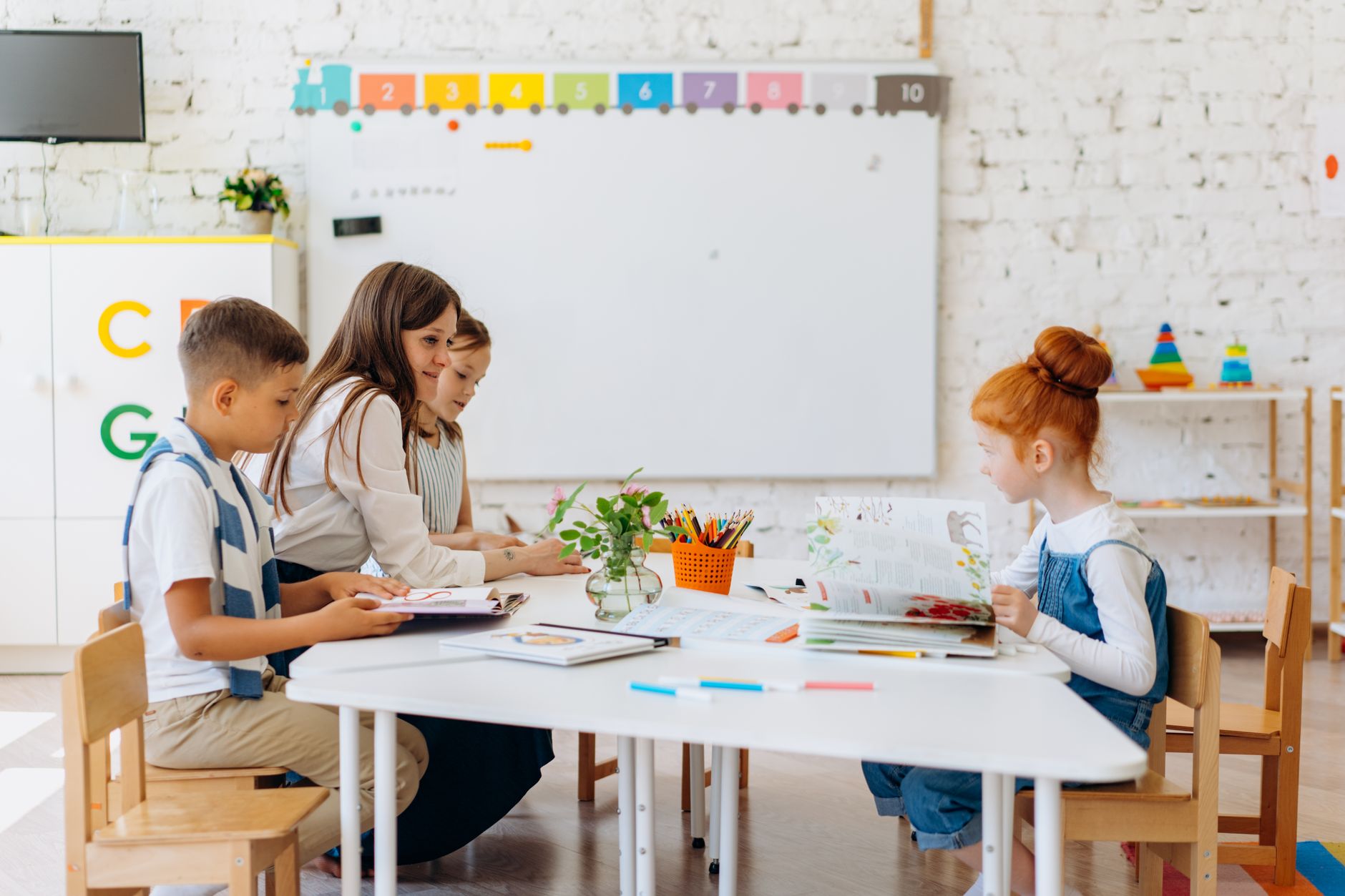
I have been watching this space with genuine fascination. For a long time, teachers who posted online were either showcasing pristine classroom displays that looked nothing like anyone’s actual Tuesday, or venting in ways that made governors nervous. What is happening now is different. It is more considered, more honest, and frankly more watchable. And the numbers back it up.
What are teachers actually posting?
The content varies enormously, which is part of the appeal. Some teachers film their morning routines before the bell goes, the quiet twenty minutes before thirty small humans arrive needing everything at once. Others share phonics games, maths manipulatives, classroom organisation tips that actually work in real schools with real budgets rather than the fantasy rooms you see in teaching Pinterest boards. A good few post the unfiltered version: the accidental register mishaps, the child who confidently announces that fish live in caves, the moment a Year 2 pupil tells you, completely unprompted, that your hair looks “a bit tired today”.
TikTok has been the main engine here, though Instagram Reels and YouTube Shorts have played their part. According to BBC Education, teaching as a profession has faced significant recruitment and retention pressures in recent years, with many experienced practitioners leaving before their fortieth birthday. The teachers turning up on our For You pages are, perhaps unintentionally, making a counter-argument. They are showing the work. And a lot of people want to see it.
Who is watching, and why?
The audience for this content is broader than you might expect. Parents watch to understand what their children’s days actually look like. Trainee teachers watch to feel less alone in their placement anxiety. Former teaching assistants watch for the nostalgia. And a large chunk of the audience is simply people who had a teacher they loved and feel something warm when they see the job done with care.
What I find particularly interesting is the comment sections. On almost every teacher’s post you will find someone writing something like “this is why my son loves school” or “my daughter’s Year 1 teacher did exactly this and it changed everything for her”. These are not idle compliments. They reflect a public that understands, at some level, how much primary teachers shape early life, and that rarely gets an outlet to say so.
There is a parallel with other community figures who have found unexpected fame by simply doing their jobs with warmth and posting it honestly. The train station announcers who made the morning commute worth getting up for struck a chord because they brought humanity to a routine transaction. Teachers doing the same thing online are tapping into an identical impulse. People respond to authenticity in public roles, full stop.
The ones who have broken through
A handful of teachers have crossed from “popular in the staffroom” into genuine public recognition. Mr S, a Year 4 teacher in the West Midlands who posts under a simple classroom handle, hit 400,000 TikTok followers in under eighteen months by doing nothing more exotic than filming his classroom set-up videos and responding to parent questions with patience and good humour. Miss B in Edinburgh built a following around her honest reflections on newly qualified teacher life, the marking, the imposter syndrome, the moment you realise a child has genuinely understood something and it feels like nothing else. Neither went looking for fame. Both now field collaboration requests from educational publishers, edtech companies, and the occasional breakfast television producer.
The attention has real-world implications beyond follower counts. Several teachers have used their platforms to raise money for classroom supplies through crowdfunding, with donors pitching in for books, art materials, and science kits that school budgets simply do not stretch to. One Nottingham-based teacher raised over £3,000 in a weekend for her school’s reading corner after posting a single video explaining what had been cut from her budget. That is not a vanity metric. That is a community organising itself around someone it trusts.
Is there a risk in all this visibility?
It would be naive to ignore the complications. Schools have safeguarding policies around filming, and rightly so. Children must never appear in content without proper consent, and most of the teachers doing this well understand that implicitly. They film empty classrooms, hands without faces, whiteboards, door displays. The storytelling is about the work, not the children, and that distinction matters enormously.
There is also the question of professional risk. A teacher who posts something that lands awkwardly, or that a parent screenshots out of context, faces consequences that a lifestyle influencer does not. The Teaching Regulation Agency sets standards for teacher conduct, and social media is very much within scope. The teachers building lasting followings are, by and large, the ones who think carefully about every post. The viral moments tend to come from warmth and competence rather than controversy.
This dynamic is not entirely unlike what school governors found when they started speaking out publicly about funding cuts and building conditions. The visibility brought both support and scrutiny. For governors, as for teachers, the audience rewarded honesty and punished anything that looked performative. The same rule applies here.
What this moment means for teaching as a profession
I think this matters beyond entertainment. Teaching in England and Wales has an image problem that no recruitment campaign has fully solved. The Department for Education has spent considerable sums trying to attract graduates into the classroom, with mixed results. What a popular teacher on TikTok does, almost accidentally, is make the job look like something worth doing. Not easy, not glamorous, but meaningful in a way that is hard to fake for a camera at 10pm.
There is also something worth saying about the community element. UK primary school teachers on social media have built networks across local authorities and academy trusts that simply would not exist otherwise. Resources get shared. Ideas travel from a school in Cornwall to one in Cumbria in forty-eight hours. That informal professional development happens without any CPD budget, any supply cover, or any consultancy fee. It just happens, because people have found each other.
Much like the mountain rescue fundraisers who became trusted faces in their communities by showing up consistently and honestly, these teachers have earned their audiences the same way. No strategy. No agency. Just the work, shared with enough openness that people want to keep watching. That is a kind of fame that the profession has earned for a long time, and it is very good to see it finally arriving.
Leave a Reply