

Across Britain, bin day etiquette is quietly becoming one of the most talked about parts of neighbourhood life. From whose bins are blocking the pavement to how long they can stay out after collection, small decisions about rubbish are turning into big talking points – and they deserve their 15 minutes of fame.
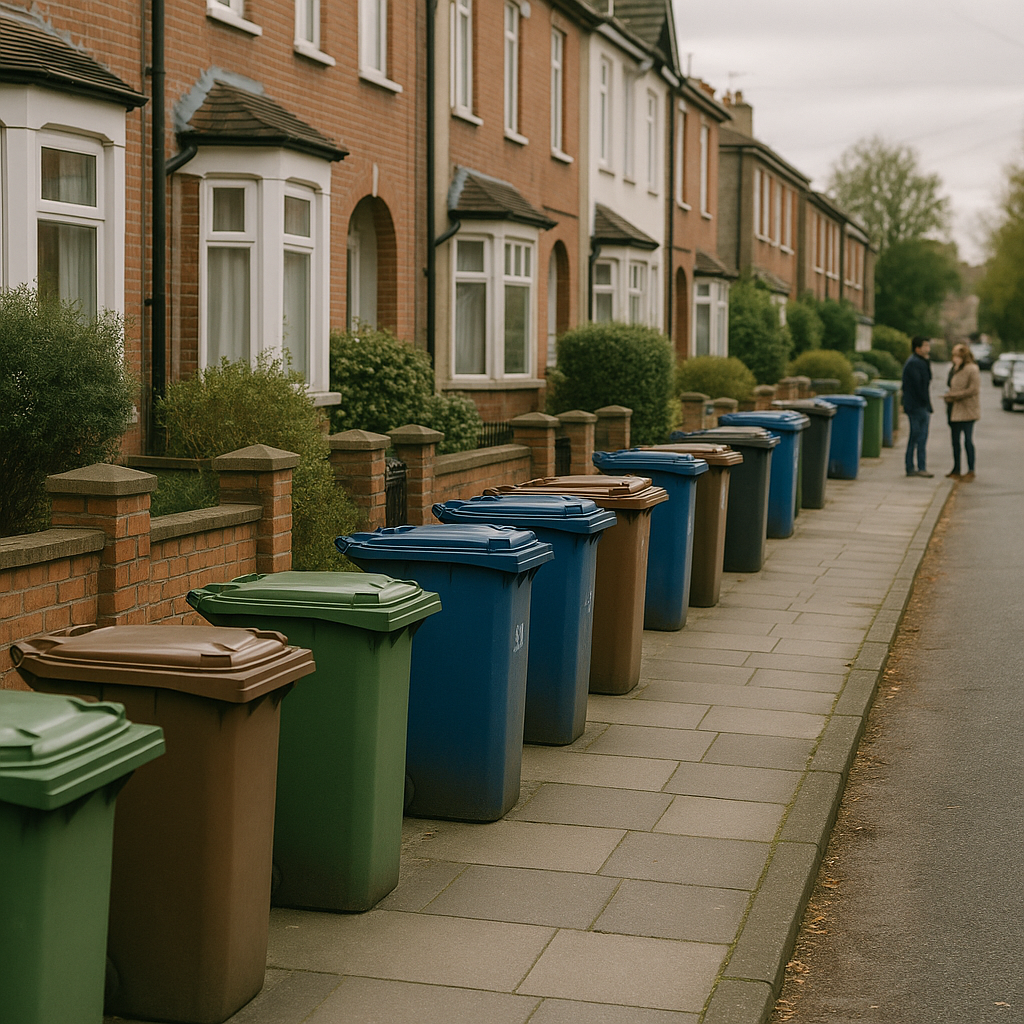
What is bin day etiquette and why does it matter?
At its simplest, bin day etiquette is the collection of unwritten rules that keep streets tidy and neighbours on good terms. Councils publish official guidance, but the social side – what feels fair, polite or annoying – is usually negotiated between the people who live on the street.
It matters more than it might seem. Bins are one of the few things every household shares space around. When someone leaves theirs out for days, blocks a driveway or overfills a communal bin, it is a visible, daily reminder of how much – or how little – they consider others. That is why a simple conversation about bins can quickly become a conversation about respect.
The new unwritten rules of bin day etiquette
While every street has its own customs, a few patterns are emerging across towns and cities. These informal rules are what many people now expect from considerate neighbours.
Timing your bins just right
Most councils ask residents to put bins out early in the morning or the night before, but neighbours are increasingly sensitive to how early is too early. Putting bins out several days ahead can make a street look neglected, while leaving them out long after collection is one of the top complaints on local forums. A good rule of thumb is to wheel them out within 12 hours of collection time, and bring them back in as soon as possible afterwards.
Keeping pavements clear and accessible
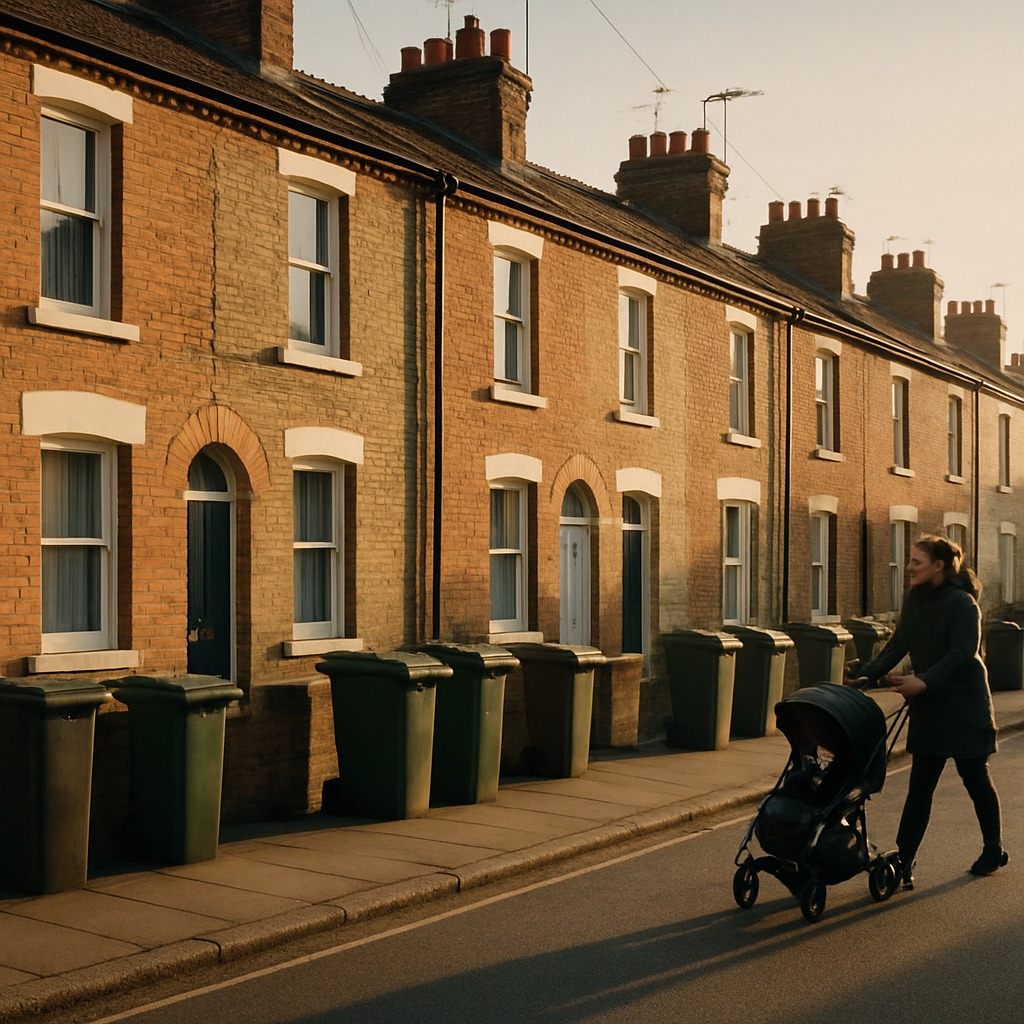
With more parents using prams and more people using mobility aids, blocking the pavement is no longer seen as a minor issue. Good bin day etiquette means leaving enough space for someone to pass comfortably, not parking bins on dropped kerbs, and avoiding blind corners where they might be a hazard. In terraced streets where space is tight, some neighbours now agree on a shared “bin line” so everything sits neatly along a wall.
Respecting shared spaces
Flats and converted houses often rely on communal bins, and this is where tensions can flare. Overfilling, putting the wrong waste in the wrong bin or leaving bulky items beside the bins can lead to missed collections and frustration. Residents who take a moment to flatten boxes, bag rubbish properly and close lids are often the quiet heroes of their buildings, keeping things usable for everyone.
Common bin day flashpoints between neighbours
Even with the best intentions, bin day can create disagreements. Some of the most frequent flashpoints include:
- Using a neighbour’s bin without asking, especially for general waste
- Leaving bins permanently outside rather than storing them off the street
- Spilling rubbish when moving bins and not cleaning it up
- Putting recycling in the wrong containers and causing whole loads to be rejected
These issues are rarely just about rubbish. They often reflect deeper feelings about fairness, effort and how people share limited space on busy streets.
How to talk about bin day without causing a row
Bringing up bin day etiquette can feel awkward, but it does not have to be. The key is to stay practical and specific, rather than making it personal. Mention the impact on everyone – missed collections, blocked pavements, bad smells – rather than accusing a neighbour of being lazy or messy.
Some people find it easier to start with a friendly note in a shared hallway or WhatsApp group, suggesting a simple agreement like bringing bins in by a certain time or keeping a particular area clear. Others prefer a quick chat over the garden fence. However you do it, focusing on solutions instead of blame keeps the conversation calm.

Bin day etiquette FAQs
What is considered good bin day etiquette on a typical UK street?
Good bin day etiquette usually means putting your bins out within a reasonable time before collection, placing them so they do not block pavements or driveways, and bringing them back in promptly after they have been emptied. It also includes closing lids properly, not overfilling bins so rubbish spills out, and being considerate about using shared or communal bins so everyone has fair access.
Is it OK to use a neighbours bin if mine is full?
Using a neighbours bin without asking is one of the most common sources of tension around bin day. The polite approach is to ask first, especially for general waste. Many people are happy to help occasionally, but they may rely on that space themselves. If you often run out of room, it is better to review what you are throwing away, make more use of recycling, or speak to your council about options for additional capacity.
How can I raise bin problems with neighbours without falling out?
Start by keeping the conversation friendly and focused on practical issues rather than personal criticism. Mention specific problems, such as blocked pavements or missed collections, and suggest simple solutions you can all follow. Choosing a calm moment, avoiding accusatory language and, if needed, using a shared noticeboard or group chat can help you talk about bin day etiquette without creating unnecessary conflict.
Leave a Reply