Category: Home Decor

  • Are Window Shutters Worth It? Style, Privacy And Energy Savings Explained

    Are Window Shutters Worth It? Style, Privacy And Energy Savings Explained

    If you are renovating or refreshing a room, energy efficient window shutters are probably on your radar. They appear all over interiors Instagram, promise to cut your bills and claim to boost your property value. But are they really worth the investment, and what should you know before ordering?

    Why window shutters are suddenly everywhere

    Shutters used to be seen as a luxury, but several trends have pushed them into the mainstream. Rising energy costs have made people more conscious of heat loss through glass. At the same time, open plan living and new-build estates mean homes are more overlooked than ever, so privacy is a bigger priority.

    Social media has also played a part. Influencers and home accounts showcase sleek shuttered bays and French doors, making them feel like a must-have for a polished, made-to-measure look that curtains sometimes struggle to deliver.

    How energy efficient window shutters help with heat and light

    One of the biggest selling points of energy efficient window shutters is their insulating effect. A solid frame sits tight to the window, creating a still pocket of air between the glass and the room. This helps slow down heat escaping in winter and can keep rooms cooler in summer by blocking harsh sunlight.

    Unlike many curtains, shutters cover the full window recess, including awkward corners, which reduces draughts. Adjustable louvres mean you can tilt slats to let in daylight while keeping warmth inside and prying eyes out, rather than choosing between open or closed.

    Shutters vs curtains and blinds: what is the difference?

    If you are torn between shutters and more traditional options, it helps to compare how each performs.

    • Insulation: Thick, lined curtains can insulate well, but only when fully closed. Shutters offer consistent coverage and pair nicely with curtains for a layered, hotel-style look.
    • Light control: Venetian and roller blinds are decent for glare, but shutters give more precise control, particularly on street facing windows.
    • Durability: Quality shutters are more of a one-time purchase. Fabric can fade, stretch or go out of fashion quicker.
    • Cleaning: Dusting slats is usually easier than taking down and washing curtains.

    For many homeowners, the combination of insulation, privacy and longevity is what justifies the higher upfront cost.

    Key design choices that affect performance

    Not all shutters perform the same. A few design decisions make a real difference to comfort and running costs.

    • Material: Real wood is strong and insulating, but can be sensitive to moisture. Composite and uPVC styles are popular in kitchens and bathrooms because they resist warping.
    • Frame fit: A properly measured frame that hugs the recess will cut draughts more effectively than a loose fit.
    • Slat size: Larger louvres give a more contemporary look and let in more light when open, while smaller slats suit traditional homes and offer finer privacy control.
    • Colour: White and soft neutrals bounce light around and stay timeless, which matters if you are thinking about resale value.

    Privacy, noise and kerb appeal

    For overlooked homes or those on busy roads, shutters can make day to day living more comfortable. Tilting the slats upwards allows daylight in while blocking sightlines from the street. The additional layer at the window can also soften traffic noise and outside chatter, especially when combined with double glazing.

    From the outside, well fitted shutters give a property a smart, cohesive look. Estate agents often mention them in listings, and buyers tend to see them as a premium feature that suggests the home has been well cared for.

    Cost, value and what to expect long term

    There is no getting away from the fact that shutters are a bigger investment than most off the shelf blinds. However, when you spread the cost over their lifespan, they can work out more economical than regularly replacing cheaper window dressings.

    Homeowners often report that rooms feel warmer and more usable after installation, so radiators can be turned down slightly without sacrificing comfort. Over time, that can contribute to lower heating bills, particularly in draughty period properties.

    If you are exploring different styles, including classic full height shutters, it is worth getting a professional survey so you understand what will suit your windows, budget and lifestyle.

    Home consultation scene with a designer and homeowner reviewing samples of energy efficient window shutters at a table.
    Street view of a house with matching front window shutters highlighting the kerb appeal of energy efficient window shutters.

    Energy efficient window shutters FAQs

    Do shutters really make a room warmer?

    Yes, well fitted shutters can help a room feel warmer. They create an extra barrier between the glass and your interior, trapping a layer of still air that slows heat loss. While they are not a replacement for proper insulation, they can reduce draughts, especially on older windows, and make spaces more comfortable so you may not need the heating turned up as high.

    Are shutters suitable for bay windows and awkward spaces?

    Shutters are often a good solution for bays, angled windows and unusual shapes because they are made to measure. A surveyor will usually template the space so the frame follows the lines of the window. This can give a neater, more tailored finish than trying to hang standard curtain poles or off the shelf blinds in tricky corners.

    How do I clean and maintain energy efficient window shutters?

    Most energy efficient window shutters are low maintenance. Regular dusting with a soft cloth or microfibre duster will keep them looking fresh. For deeper cleaning, lightly dampen a cloth with water and a mild detergent, avoiding soaking the slats. Check hinges and fittings occasionally and tighten any loose screws. If you choose moisture resistant materials in kitchens and bathrooms, they will better withstand steam and splashes over time.

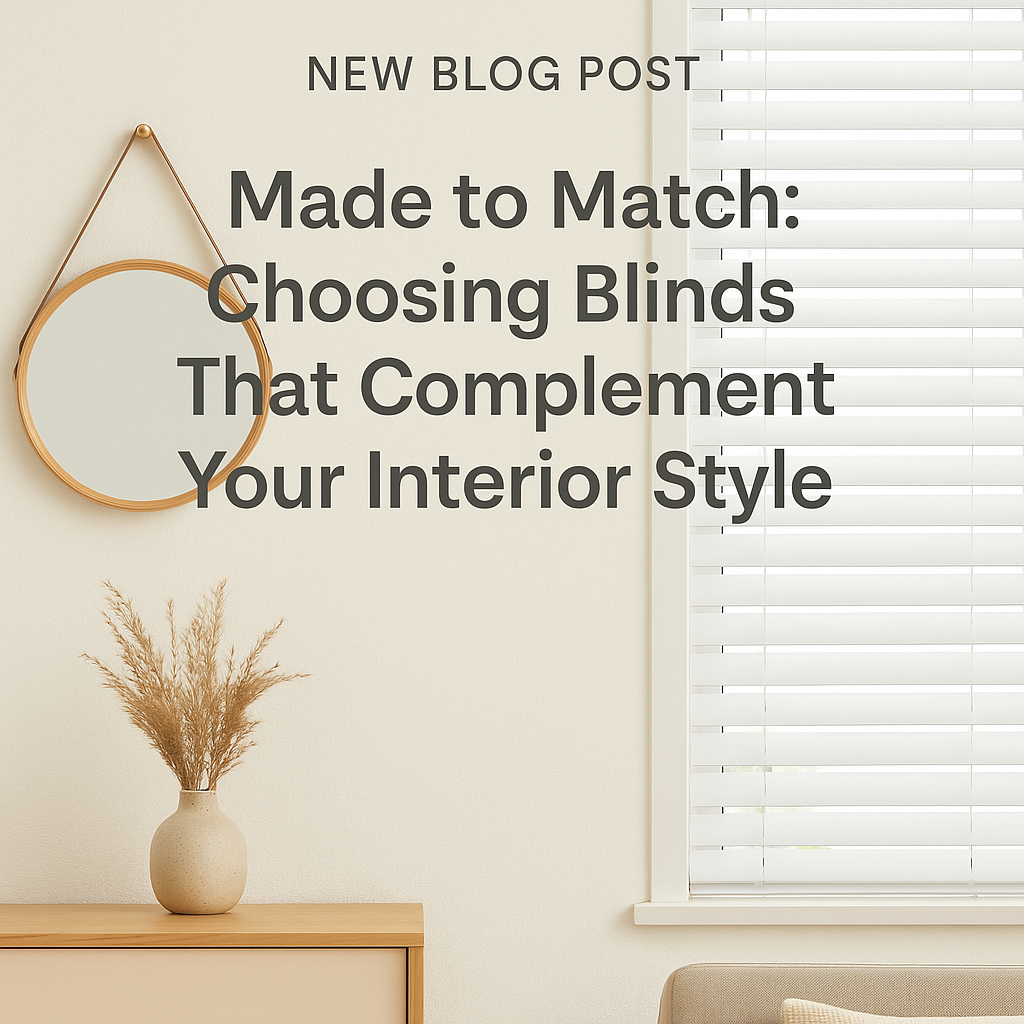
  • Made to Match: Choosing Blinds That Complement Your Interior Style

    Blinds and shutters do far more than control light and privacy. They can also become a design feature that pulls a whole room together. Choosing blinds or shutters in the right style to suit your interior design is an easy way to make your home feel cohesive, polished, and comfortable. Here are some practical tips on how to match blinds or shutters with popular interior design trends including minimalist, Scandi, farmhouse, and maximalist styles.

    Choosing Blinds

    Minimalist Interiors

    Minimalism is all about simplicity, clean lines, and functionality. For this style, avoid anything overly decorative or fussy. Instead, choose blinds with a sleek and understated design. Roller blinds in a single neutral shade are a popular choice, as they provide excellent light control without distracting from the room’s pared back feel. White, grey, or soft beige tones work particularly well in minimalist interiors.

    If you prefer shutters, opt for full height shutters in white or light grey. Their crisp lines enhance the minimalist look and add an architectural element without overwhelming the space. The key is to maintain a sense of calm and order, so keep patterns, bold colours, and heavy textures to a minimum.

    Scandi Style

    Scandinavian interiors are characterised by light, bright spaces with a focus on natural textures and soft colour palettes. To complement this look, choose blinds that emphasise warmth and natural beauty. Wooden venetian blinds in pale oak or whitewashed finishes work perfectly. They bring texture and a touch of nature indoors, while keeping the look fresh and airy.

    Fabric blinds are also a good option for Scandi homes. Consider Roman blinds in linen or cotton blends with subtle patterns such as stripes or geometrics in muted tones. Pairing these with layered curtains in similar materials can create a cosy, hygge-inspired effect, ideal for colder months when you want to maximise warmth and comfort.

    Farmhouse Charm

    Farmhouse style blends rustic character with homely comfort. Think warm woods, traditional patterns, and a relaxed atmosphere. To reflect this look, wooden blinds are an obvious choice. Deeper wood tones such as walnut or chestnut bring a rich, earthy quality that complements exposed beams or vintage furniture. Shutters also work wonderfully, especially café style shutters that cover the bottom half of windows, adding privacy while letting natural light flood in.

    For fabric options, Roman blinds in soft florals, gingham, or neutral checks capture that traditional farmhouse feel. Opt for natural materials where possible to keep the look authentic. Linen and cotton blends in cream, taupe, or muted greens are especially effective. Adding blinds that echo the textures and tones of your farmhouse furniture will help the whole room feel effortlessly pulled together.

    Maximalist Décor

    If you love bold colours, eclectic furnishings, and striking patterns, maximalist style might be your perfect match. When it comes to blinds for this trend, think statement-making rather than subtle. Roman blinds in vibrant fabrics or striking patterns can become the focal point of a room. Jewel tones such as emerald, ruby, and sapphire add depth and drama, while floral or geometric prints bring visual interest.

    Shutters can also be adapted for a maximalist approach. Painted shutters in deep or unexpected colours can tie in beautifully with the rest of your décor. Do not be afraid to experiment with layering, either. Combine bold blinds with patterned curtains for a look that is unapologetically expressive. The key is to embrace personality and abundance rather than restraint.

    Bringing It All Together

    When choosing blinds or shutters to suit your home, think about how they will work with your existing furniture, flooring, and colour scheme. The right window treatment can either blend seamlessly with your décor or act as a statement piece in its own right. Take into account both practical and aesthetic needs, such as light control, privacy, and the atmosphere you want to create.

    Whether you lean towards the clean simplicity of minimalism, the natural warmth of Scandi style, the rustic charm of farmhouse interiors, or the bold vibrancy of maximalism, there is a blind or shutter option to suit your taste. By making a considered choice, you can ensure your window coverings not only function effectively but also enhance the look and feel of your home.

    Choosing Blinds

    Want your 15 Minutes of Fame? Contact us!