Category: Home Decor

  • Why Acoustic Window Panels Are The Unsung Heroes Of Quiet Living

    Why Acoustic Window Panels Are The Unsung Heroes Of Quiet Living

    In a world that never seems to shut up, acoustic window panels quietly deserve their 15 minutes of fame. From late night traffic to early morning deliveries, noise seeps in through the thinnest part of most homes: the glass. Yet while we obsess over sofas and smart tech, the humble window is often left to fend for itself.

    What are acoustic window panels?

    Put simply, acoustic window panels are purpose designed layers that sit over or within a window to reduce sound transmission. They can be rigid panels, secondary glazing units, or fabric covered frames that trap and absorb noise before it bounces around your room.

    Unlike basic heavy curtains, these panels are built with sound performance in mind. They often combine dense cores with air gaps and soft outer layers, creating a mini sound lab in front of your glass. The result is less rumble from buses, fewer raised voices from the street, and a home that feels calmer without looking like a recording studio.

    Why acoustic window panels are having a moment

    Several trends have quietly pushed acoustic window panels into the spotlight. More people are living in city centre flats, new builds often use large expanses of glass, and hybrid working means bedrooms and living rooms are now makeshift offices. Noise that was once background has become a daily frustration.

    At the same time, interior design has shifted towards hard floors, minimal clutter and open plan layouts. All of this looks great on Instagram, but it amplifies sound. Panels step in as a discreet fix, softening acoustics without you having to carpet every surface or fill shelves with books just to stop the echo.

    How acoustic window panels actually work

    The magic is in the layers. Effective acoustic window panels usually combine three ideas: mass, absorption and separation. Dense materials block sound, soft materials absorb reflections, and small air gaps between layers break up vibrations travelling through the structure.

    Mounted correctly, panels can cut the sharp edge off sirens, tame the thud of bass from a neighbour’s party, and make passing traffic sound more like a distant hum than a constant presence. They will not make your home silent, but they can shift it from stressful to comfortably quiet.

    Design first: panels that look as good as they sound

    For years, anything “acoustic” meant grey, bulky and vaguely office like. That is changing fast. Modern these solutions come in textured fabrics, bold colours and slimline frames that can double as a design feature. Some are made to look like simple wall panels that just happen to sit in front of the glass, others slide or fold away when you want maximum daylight.

    Because they are customisable, panels can be coordinated with existing soft furnishings or used as a deliberate contrast. In small flats, a single statement panel can act as both sound control and artwork, earning its place visually as well as practically.

    these solutions vs traditional coverings

    So where do panels sit alongside curtains, shutters and window blinds? In many cases, they work best as part of a layered approach. A light sheer for daytime privacy, a panel for sound control, and perhaps a blackout curtain for sleep can turn a noisy street facing bedroom into a surprisingly peaceful retreat.

    Unlike many standard coverings, acoustic panels are measured in terms of sound reduction, not just light control. That makes them particularly appealing for shift workers, home studio owners, or anyone who needs proper rest in a busy neighbourhood.

    Where these solutions make the biggest difference

    Not every room needs the same level of quiet. Bedrooms on main roads, living rooms facing busy junctions, and home offices near playgrounds or train lines are prime candidates. Flats close to airports or nightlife areas can also benefit dramatically, with panels smoothing out the constant spikes of sound that keep you on edge.

    Even in quieter suburbs, panels can help in echoey spaces with lots of glass, taming reverberation so conversations sound clearer and films less boomy. They are a subtle upgrade that guests may not immediately notice, but they will feel the difference in how the room behaves.

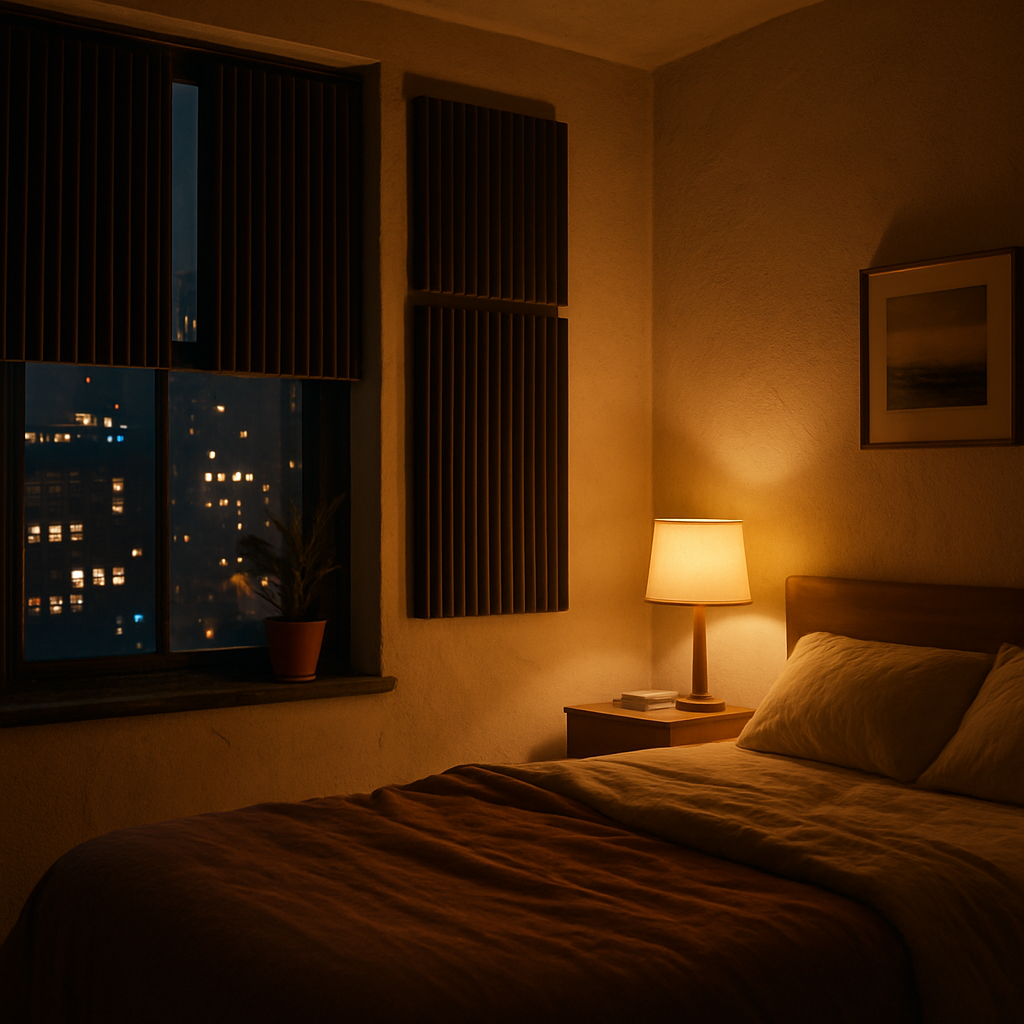
    City bedroom using acoustic window panels to create a calm, quiet sleeping space
    Home office with acoustic window panels improving concentration and reducing noise

    Acoustic window panels FAQs

    Do acoustic window panels really make a noticeable difference?

    Yes, good quality acoustic window panels can make a clearly noticeable difference, especially in rooms facing busy streets or shared spaces. While they will not create complete silence, they can significantly reduce traffic rumble, sharp sounds like sirens, and general street noise, turning a harsh soundscape into a softer background hum. Most people notice the change most strongly at night and during phone calls or video meetings.

    Can I use acoustic window panels in a rented property?

    In many cases you can use acoustic window panels in rented homes, as some systems are designed to be removable and non invasive. Panels that hang from existing rails, sit within a snug frame, or use reversible fixings are popular with tenants. It is still wise to check your tenancy agreement and choose options that will not damage frames or walls, so everything can be taken with you when you move.

    Are acoustic window panels better than double glazing for noise?

    Acoustic window panels are not a direct replacement for double glazing, but they can be surprisingly effective, especially when added to existing windows. High performance acoustic glazing generally offers superior overall noise reduction, but it is also far more expensive and disruptive to install. Panels can be a smart middle ground, boosting sound control in key rooms without the cost and upheaval of replacing all your windows.

  • Why Layered Window Coverings Deserve Their 15 Minutes of Fame

    Why Layered Window Coverings Deserve Their 15 Minutes of Fame

    Some home upgrades shout for attention: new kitchens, bold paint colours, statement sofas. Others quietly transform a space without much credit at all. It is time layered window coverings had their own 15 minutes of fame.

    What are layered window coverings, really?

    Layered window coverings are exactly what they sound like: two or more types of blinds, curtains or shades used together on the same window. Think a slim roller blind with full length curtains, or sheer voiles paired with heavier drapes. The magic is in how these layers work together to control light, privacy and temperature in a way a single treatment rarely can.

    At first glance, it might seem like a purely decorative choice, but the best layered solutions behave more like a flexible toolkit. You can soften harsh daylight without sitting in gloom, enjoy privacy without feeling boxed in, and keep rooms comfortable throughout the year, all by adjusting a few simple layers.

    Why layered window coverings deserve the spotlight

    There are three big reasons layered window coverings are quietly becoming the unsung heroes of modern interiors.

    1. Precision control of light

    Most of us live with a blunt choice: blinds up or down, curtains open or closed. With layers, you gain far more nuance. Sheer fabrics can stay drawn to diffuse strong sunlight, while a blackout blind or heavier curtain is ready for film nights, lie ins or baby naps. This flexibility is especially useful in multi use rooms that double as home offices, playrooms or guest bedrooms.

    2. Smarter privacy without losing the view

    Street facing living rooms, overlooked gardens and city flats all share the same problem: you want natural light and a sense of openness, but you do not want to feel on display. Pairing a translucent layer with a more opaque one solves this neatly. During the day, the sheer layer keeps prying eyes out while letting daylight in. In the evening, the thicker layer closes things down for a cosy, private feel.

    3. Hidden help with comfort and energy

    Glass is one of the weakest points in a building envelope, leaking heat in winter and letting it pour in during summer. Well planned layers trap pockets of air, creating a simple bit of insulation that can make a room feel noticeably warmer or cooler. Over time, that can support more comfortable temperatures and potentially reduce the need to crank the heating or fan quite so high.

    Designing layered window coverings for your space

    So how do you make layered window coverings work in real life rather than just on mood boards? A few simple principles help.

    Start with function, then add flair

    Begin by asking what the room actually needs. Total darkness for sleep? Glare control for screens? Privacy from neighbours? Once you know the practical job, choose your base layer: perhaps a blackout roller in the bedroom or a light filtering shade in a living space. Then add a second layer that brings softness, colour or pattern without fighting the first.

    Mix textures, not just colours

    Layering is not only about stacking fabrics, it is about contrast. Crisp blinds against linen curtains, smooth sheers with chunky cotton, or even a bamboo shade behind velvet drapes all create depth and interest. This is where a fairly neutral room can suddenly feel finished, like someone thought about the details.

    Think hardware and neat finishes

    The best these solutions look intentional, not improvised. Double curtain poles, discreet blind cassettes and well placed brackets keep everything operating smoothly. It is worth measuring carefully so each layer clears the others without snagging, and so the stack of fabric does not block too much glass when open.

    Everyday examples that quietly impress

    In a small flat, a translucent roller blind with floor length curtains can make a compact living room feel taller and brighter, while still allowing for privacy at all hours. In a home office, a light filtering blind paired with simple side panels can cut glare on screens without turning the room into a cave. For nurseries and children’s rooms, a combination of blackout and softer decorative layers makes it easier to balance naps, play and bedtime routines.

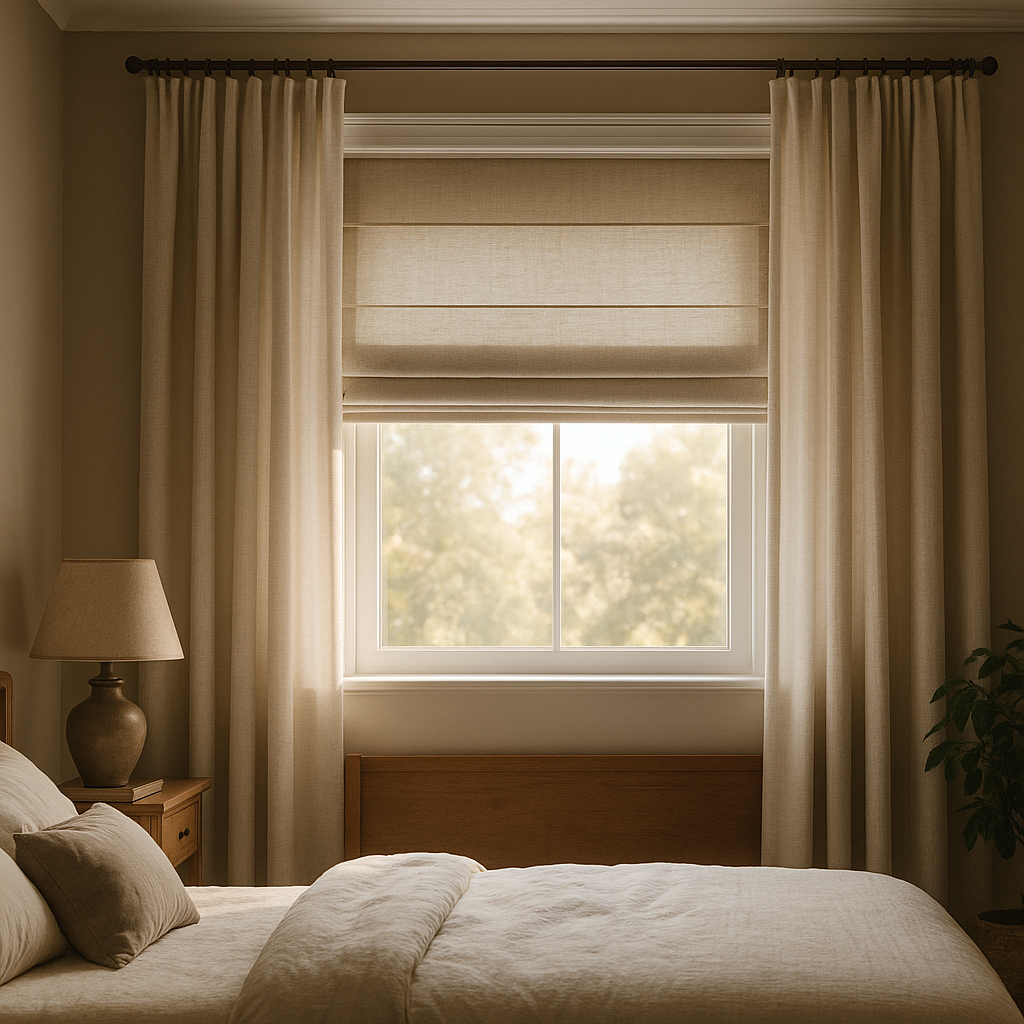
    Cosy bedroom design using layered window coverings for light control and privacy
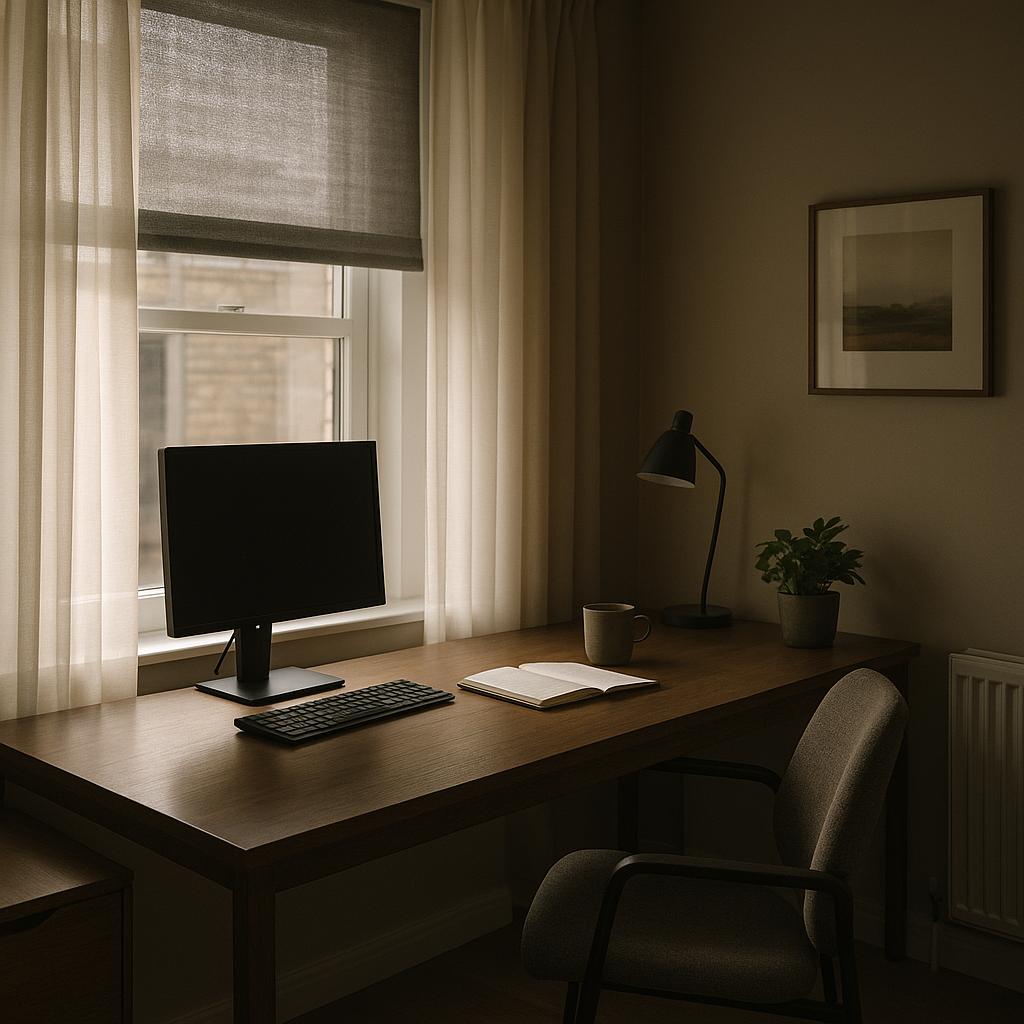
    Home office window dressed with layered window coverings to reduce glare

    Layered window coverings FAQs

    What are layered window coverings?

    Layered window coverings use two or more treatments on the same window, such as a blind with curtains or sheers with heavier drapes. Together, these layers give you finer control over light, privacy and temperature than a single blind or curtain can usually offer on its own.

    Are layered window coverings only for large rooms?

    No, layered window coverings can work just as well in small spaces. In compact rooms, combining a slim blind with long curtains can make windows feel taller and add softness without overwhelming the space. The key is choosing lightweight hardware and fabrics that suit the room’s proportions.

    Do layered window coverings help with energy efficiency?

    They can. Extra layers of fabric or material create small pockets of trapped air around the glass, which helps reduce heat loss in winter and limit heat gain in summer. While they are not a replacement for insulation or glazing upgrades, layered window coverings are a simple way to support a more comfortable, stable indoor temperature.

    day and night blinds

  • Are Window Shutters Worth It? Style, Privacy And Energy Savings Explained

    Are Window Shutters Worth It? Style, Privacy And Energy Savings Explained

    If you are renovating or refreshing a room, energy efficient window shutters are probably on your radar. They appear all over interiors Instagram, promise to cut your bills and claim to boost your property value. But are they really worth the investment, and what should you know before ordering?

    Why window shutters are suddenly everywhere

    Shutters used to be seen as a luxury, but several trends have pushed them into the mainstream. Rising energy costs have made people more conscious of heat loss through glass. At the same time, open plan living and new-build estates mean homes are more overlooked than ever, so privacy is a bigger priority.

    Social media has also played a part. Influencers and home accounts showcase sleek shuttered bays and French doors, making them feel like a must-have for a polished, made-to-measure look that curtains sometimes struggle to deliver.

    How energy efficient window shutters help with heat and light

    One of the biggest selling points of energy efficient window shutters is their insulating effect. A solid frame sits tight to the window, creating a still pocket of air between the glass and the room. This helps slow down heat escaping in winter and can keep rooms cooler in summer by blocking harsh sunlight.

    Unlike many curtains, shutters cover the full window recess, including awkward corners, which reduces draughts. Adjustable louvres mean you can tilt slats to let in daylight while keeping warmth inside and prying eyes out, rather than choosing between open or closed.

    Shutters vs curtains and blinds: what is the difference?

    If you are torn between shutters and more traditional options, it helps to compare how each performs.

    • Insulation: Thick, lined curtains can insulate well, but only when fully closed. Shutters offer consistent coverage and pair nicely with curtains for a layered, hotel-style look.
    • Light control: Venetian and roller blinds are decent for glare, but shutters give more precise control, particularly on street facing windows.
    • Durability: Quality shutters are more of a one-time purchase. Fabric can fade, stretch or go out of fashion quicker.
    • Cleaning: Dusting slats is usually easier than taking down and washing curtains.

    For many homeowners, the combination of insulation, privacy and longevity is what justifies the higher upfront cost.

    Key design choices that affect performance

    Not all shutters perform the same. A few design decisions make a real difference to comfort and running costs.

    • Material: Real wood is strong and insulating, but can be sensitive to moisture. Composite and uPVC styles are popular in kitchens and bathrooms because they resist warping.
    • Frame fit: A properly measured frame that hugs the recess will cut draughts more effectively than a loose fit.
    • Slat size: Larger louvres give a more contemporary look and let in more light when open, while smaller slats suit traditional homes and offer finer privacy control.
    • Colour: White and soft neutrals bounce light around and stay timeless, which matters if you are thinking about resale value.

    Privacy, noise and kerb appeal

    For overlooked homes or those on busy roads, shutters can make day to day living more comfortable. Tilting the slats upwards allows daylight in while blocking sightlines from the street. The additional layer at the window can also soften traffic noise and outside chatter, especially when combined with double glazing.

    From the outside, well fitted shutters give a property a smart, cohesive look. Estate agents often mention them in listings, and buyers tend to see them as a premium feature that suggests the home has been well cared for.

    Cost, value and what to expect long term

    There is no getting away from the fact that shutters are a bigger investment than most off the shelf blinds. However, when you spread the cost over their lifespan, they can work out more economical than regularly replacing cheaper window dressings.

    Homeowners often report that rooms feel warmer and more usable after installation, so radiators can be turned down slightly without sacrificing comfort. Over time, that can contribute to lower heating bills, particularly in draughty period properties.

    If you are exploring different styles, including classic full height shutters, it is worth getting a professional survey so you understand what will suit your windows, budget and lifestyle.

    Home consultation scene with a designer and homeowner reviewing samples of energy efficient window shutters at a table.
    Street view of a house with matching front window shutters highlighting the kerb appeal of energy efficient window shutters.

    Energy efficient window shutters FAQs

    Do shutters really make a room warmer?

    Yes, well fitted shutters can help a room feel warmer. They create an extra barrier between the glass and your interior, trapping a layer of still air that slows heat loss. While they are not a replacement for proper insulation, they can reduce draughts, especially on older windows, and make spaces more comfortable so you may not need the heating turned up as high.

    Are shutters suitable for bay windows and awkward spaces?

    Shutters are often a good solution for bays, angled windows and unusual shapes because they are made to measure. A surveyor will usually template the space so the frame follows the lines of the window. This can give a neater, more tailored finish than trying to hang standard curtain poles or off the shelf blinds in tricky corners.

    How do I clean and maintain energy efficient window shutters?

    Most energy efficient window shutters are low maintenance. Regular dusting with a soft cloth or microfibre duster will keep them looking fresh. For deeper cleaning, lightly dampen a cloth with water and a mild detergent, avoiding soaking the slats. Check hinges and fittings occasionally and tighten any loose screws. If you choose moisture resistant materials in kitchens and bathrooms, they will better withstand steam and splashes over time.

  • Made to Match: Choosing Blinds That Complement Your Interior Style

    Blinds and shutters do far more than control light and privacy. They can also become a design feature that pulls a whole room together. Choosing blinds or shutters in the right style to suit your interior design is an easy way to make your home feel cohesive, polished, and comfortable. Here are some practical tips on how to match blinds or shutters with popular interior design trends including minimalist, Scandi, farmhouse, and maximalist styles.

    Choosing Blinds

    Minimalist Interiors

    Minimalism is all about simplicity, clean lines, and functionality. For this style, avoid anything overly decorative or fussy. Instead, choose blinds with a sleek and understated design. Roller blinds in a single neutral shade are a popular choice, as they provide excellent light control without distracting from the room’s pared back feel. White, grey, or soft beige tones work particularly well in minimalist interiors.

    If you prefer shutters, opt for full height shutters in white or light grey. Their crisp lines enhance the minimalist look and add an architectural element without overwhelming the space. The key is to maintain a sense of calm and order, so keep patterns, bold colours, and heavy textures to a minimum.

    Scandi Style

    Scandinavian interiors are characterised by light, bright spaces with a focus on natural textures and soft colour palettes. To complement this look, choose blinds that emphasise warmth and natural beauty. Wooden venetian blinds in pale oak or whitewashed finishes work perfectly. They bring texture and a touch of nature indoors, while keeping the look fresh and airy.

    Fabric blinds are also a good option for Scandi homes. Consider Roman blinds in linen or cotton blends with subtle patterns such as stripes or geometrics in muted tones. Pairing these with layered curtains in similar materials can create a cosy, hygge-inspired effect, ideal for colder months when you want to maximise warmth and comfort.

    Farmhouse Charm

    Farmhouse style blends rustic character with homely comfort. Think warm woods, traditional patterns, and a relaxed atmosphere. To reflect this look, wooden blinds are an obvious choice. Deeper wood tones such as walnut or chestnut bring a rich, earthy quality that complements exposed beams or vintage furniture. Shutters also work wonderfully, especially café style shutters that cover the bottom half of windows, adding privacy while letting natural light flood in.

    For fabric options, Roman blinds in soft florals, gingham, or neutral checks capture that traditional farmhouse feel. Opt for natural materials where possible to keep the look authentic. Linen and cotton blends in cream, taupe, or muted greens are especially effective. Adding blinds that echo the textures and tones of your farmhouse furniture will help the whole room feel effortlessly pulled together.

    Maximalist Décor

    If you love bold colours, eclectic furnishings, and striking patterns, maximalist style might be your perfect match. When it comes to blinds for this trend, think statement-making rather than subtle. Roman blinds in vibrant fabrics or striking patterns can become the focal point of a room. Jewel tones such as emerald, ruby, and sapphire add depth and drama, while floral or geometric prints bring visual interest.

    Shutters can also be adapted for a maximalist approach. Painted shutters in deep or unexpected colours can tie in beautifully with the rest of your décor. Do not be afraid to experiment with layering, either. Combine bold blinds with patterned curtains for a look that is unapologetically expressive. The key is to embrace personality and abundance rather than restraint.

    Bringing It All Together

    When choosing blinds or shutters to suit your home, think about how they will work with your existing furniture, flooring, and colour scheme. The right window treatment can either blend seamlessly with your décor or act as a statement piece in its own right. Take into account both practical and aesthetic needs, such as light control, privacy, and the atmosphere you want to create.

    Whether you lean towards the clean simplicity of minimalism, the natural warmth of Scandi style, the rustic charm of farmhouse interiors, or the bold vibrancy of maximalism, there is a blind or shutter option to suit your taste. By making a considered choice, you can ensure your window coverings not only function effectively but also enhance the look and feel of your home.

    Choosing Blinds

    Want your 15 Minutes of Fame? Contact us!