
Category: The Workplace

  • Why Bin Day Etiquette Is Suddenly Everyone’s Favourite Neighbourhood Debate

    Why Bin Day Etiquette Is Suddenly Everyone’s Favourite Neighbourhood Debate

    Across Britain, bin day etiquette is quietly becoming one of the most talked about parts of neighbourhood life. From whose bins are blocking the pavement to how long they can stay out after collection, small decisions about rubbish are turning into big talking points – and they deserve their 15 minutes of fame.
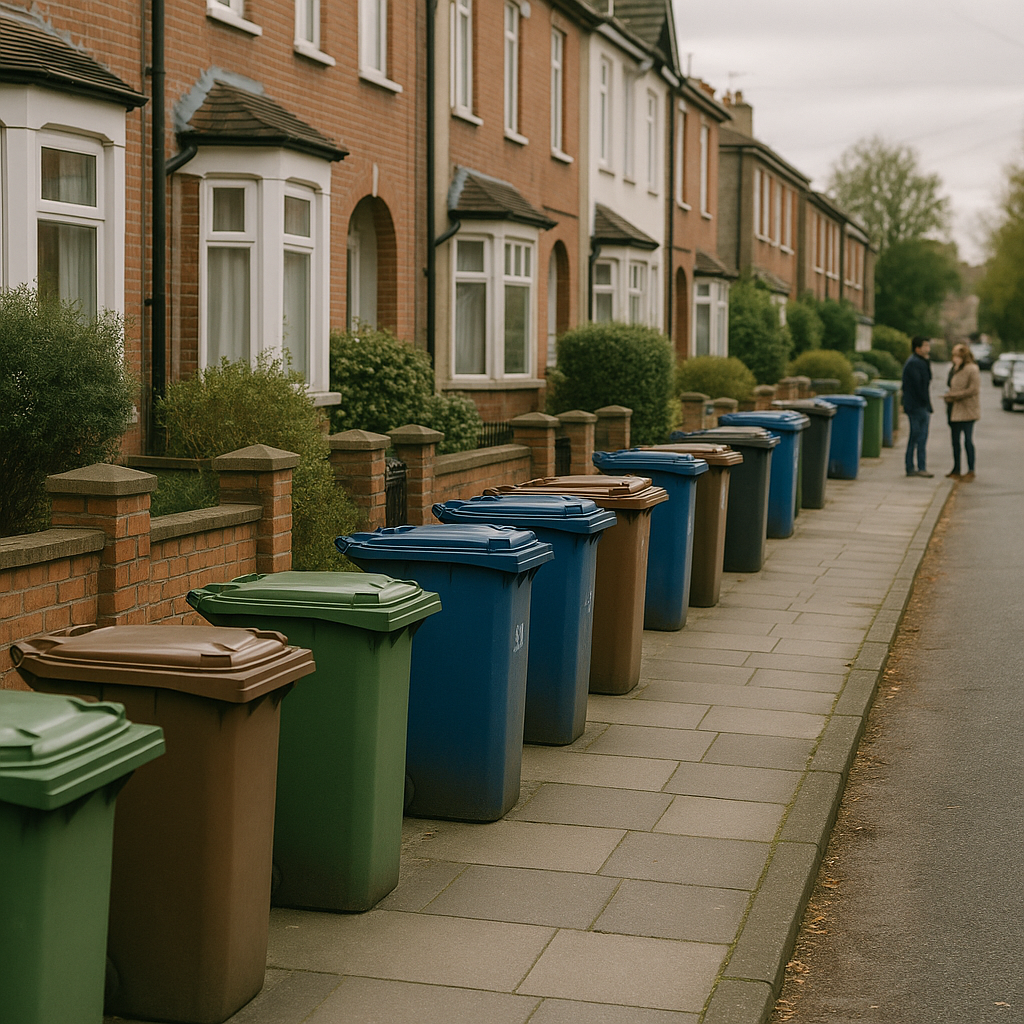
    What is bin day etiquette and why does it matter?

    At its simplest, bin day etiquette is the collection of unwritten rules that keep streets tidy and neighbours on good terms. Councils publish official guidance, but the social side – what feels fair, polite or annoying – is usually negotiated between the people who live on the street.

    It matters more than it might seem. Bins are one of the few things every household shares space around. When someone leaves theirs out for days, blocks a driveway or overfills a communal bin, it is a visible, daily reminder of how much – or how little – they consider others. That is why a simple conversation about bins can quickly become a conversation about respect.

    The new unwritten rules of bin day etiquette

    While every street has its own customs, a few patterns are emerging across towns and cities. These informal rules are what many people now expect from considerate neighbours.

    Timing your bins just right

    Most councils ask residents to put bins out early in the morning or the night before, but neighbours are increasingly sensitive to how early is too early. Putting bins out several days ahead can make a street look neglected, while leaving them out long after collection is one of the top complaints on local forums. A good rule of thumb is to wheel them out within 12 hours of collection time, and bring them back in as soon as possible afterwards.

    Keeping pavements clear and accessible

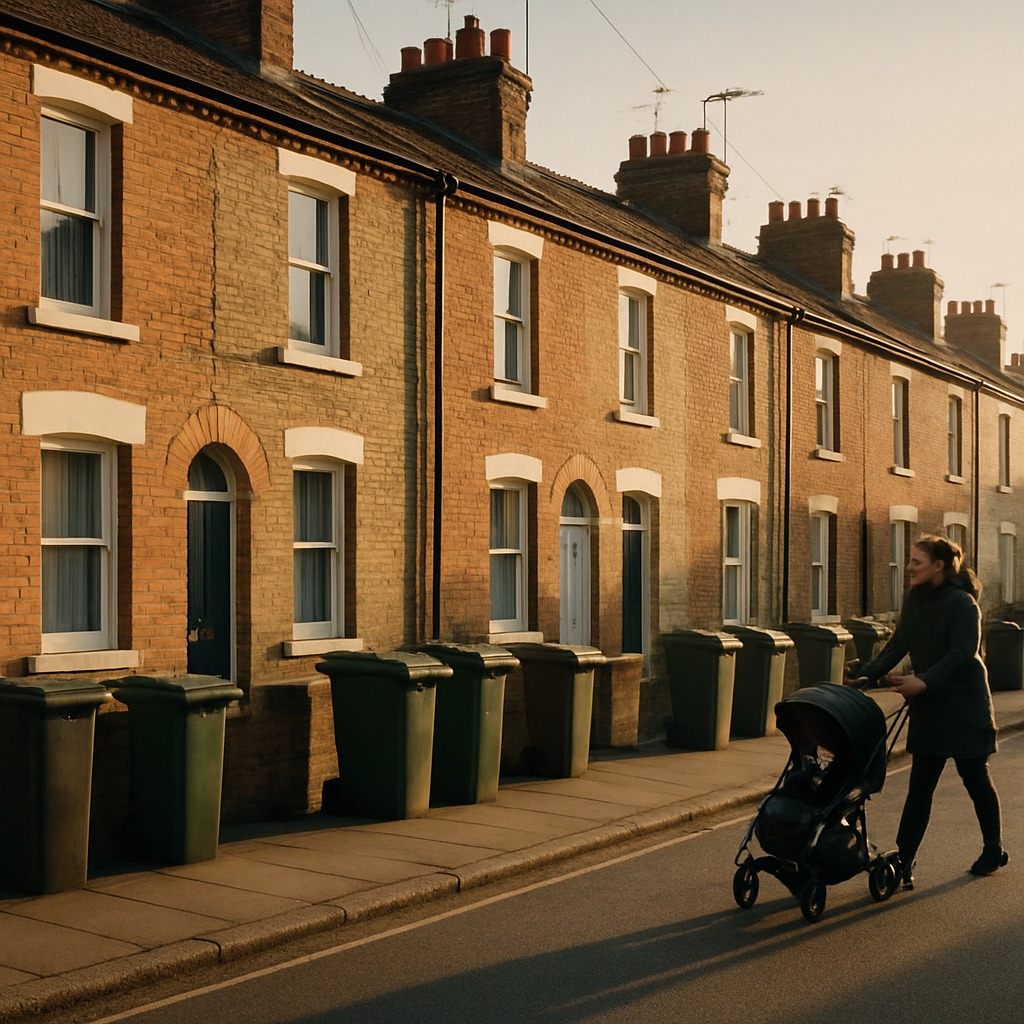
    With more parents using prams and more people using mobility aids, blocking the pavement is no longer seen as a minor issue. Good bin day etiquette means leaving enough space for someone to pass comfortably, not parking bins on dropped kerbs, and avoiding blind corners where they might be a hazard. In terraced streets where space is tight, some neighbours now agree on a shared “bin line” so everything sits neatly along a wall.

    Respecting shared spaces

    Flats and converted houses often rely on communal bins, and this is where tensions can flare. Overfilling, putting the wrong waste in the wrong bin or leaving bulky items beside the bins can lead to missed collections and frustration. Residents who take a moment to flatten boxes, bag rubbish properly and close lids are often the quiet heroes of their buildings, keeping things usable for everyone.

    Common bin day flashpoints between neighbours

    Even with the best intentions, bin day can create disagreements. Some of the most frequent flashpoints include:

    • Using a neighbour’s bin without asking, especially for general waste
    • Leaving bins permanently outside rather than storing them off the street
    • Spilling rubbish when moving bins and not cleaning it up
    • Putting recycling in the wrong containers and causing whole loads to be rejected

    These issues are rarely just about rubbish. They often reflect deeper feelings about fairness, effort and how people share limited space on busy streets.

    How to talk about bin day without causing a row

    Bringing up bin day etiquette can feel awkward, but it does not have to be. The key is to stay practical and specific, rather than making it personal. Mention the impact on everyone – missed collections, blocked pavements, bad smells – rather than accusing a neighbour of being lazy or messy.

    Some people find it easier to start with a friendly note in a shared hallway or WhatsApp group, suggesting a simple agreement like bringing bins in by a certain time or keeping a particular area clear. Others prefer a quick chat over the garden fence. However you do it, focusing on solutions instead of blame keeps the conversation calm.
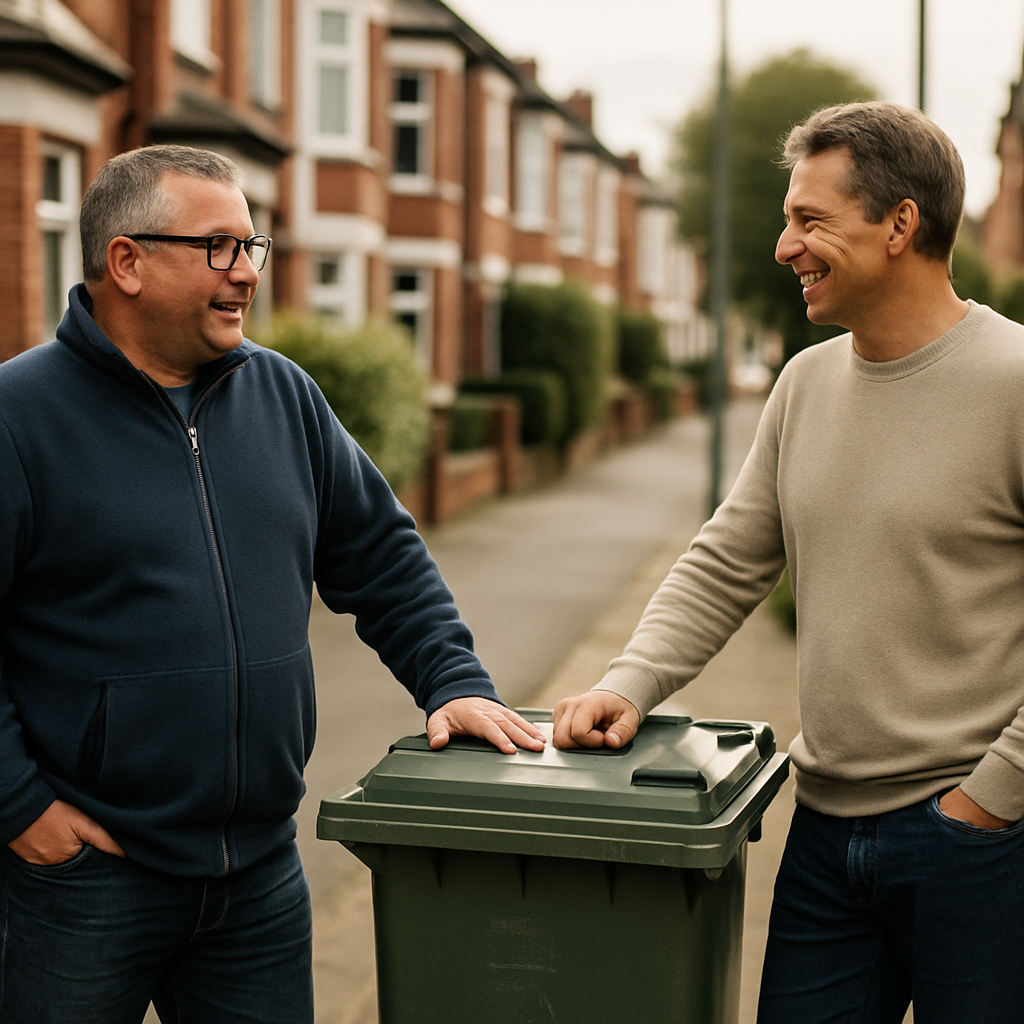
    Neighbours discussing bin day etiquette beside their wheelie bins on a quiet British street
    Terraced street showing bin day etiquette with clear pavements and well positioned bins

    Bin day etiquette FAQs

    What is considered good bin day etiquette on a typical UK street?

    Good bin day etiquette usually means putting your bins out within a reasonable time before collection, placing them so they do not block pavements or driveways, and bringing them back in promptly after they have been emptied. It also includes closing lids properly, not overfilling bins so rubbish spills out, and being considerate about using shared or communal bins so everyone has fair access.

    Is it OK to use a neighbours bin if mine is full?

    Using a neighbours bin without asking is one of the most common sources of tension around bin day. The polite approach is to ask first, especially for general waste. Many people are happy to help occasionally, but they may rely on that space themselves. If you often run out of room, it is better to review what you are throwing away, make more use of recycling, or speak to your council about options for additional capacity.

    How can I raise bin problems with neighbours without falling out?

    Start by keeping the conversation friendly and focused on practical issues rather than personal criticism. Mention specific problems, such as blocked pavements or missed collections, and suggest simple solutions you can all follow. Choosing a calm moment, avoiding accusatory language and, if needed, using a shared noticeboard or group chat can help you talk about bin day etiquette without creating unnecessary conflict.

    wheelie bin cleaning

  • Why Asbestos In Schools Is Back In The Spotlight

    Why Asbestos In Schools Is Back In The Spotlight

    Every so often, a story explodes into the headlines that feels both shocking and strangely overdue. Asbestos in schools is one of those stories – a long known problem suddenly getting its 15 minutes of fame, and perhaps finally the attention it has always deserved.

    Why asbestos in schools is suddenly news again

    Asbestos was once a wonder material, used everywhere from shipyards to suburban semis. Many UK schools were built or refurbished during its heyday, which means a huge number still contain asbestos today. That has been true for decades, so why is it making news now?

    Several factors have pushed asbestos in schools back into the spotlight. High profile investigations have revealed just how many classrooms, corridors and boiler rooms still contain asbestos. At the same time, teachers and support staff have spoken publicly about developing asbestos related illnesses later in life, after years spent working in older school buildings.

    Parents, too, are more informed and more vocal. When you combine personal stories with official statistics, a picture emerges that is hard to ignore: asbestos in schools is not a historic footnote, it is a present day issue.

    Where asbestos hides in school buildings

    Part of the problem is that asbestos in schools rarely looks dramatic. It is not a crumbling ceiling tile labelled “danger”. More often, it is quietly tucked away in places no one thinks about until refurbishment begins.

    Common locations include ceiling and wall panels, pipe lagging in plant rooms, insulation boards around old heaters, textured coatings and even window surrounds. In many cases, it is perfectly safe as long as it is in good condition and left undisturbed. The real risk comes when maintenance work, DIY fixes or accidental damage release fibres into the air.

    That is why routine tasks – pinning displays, moving furniture, drilling into walls for new whiteboards – can be more significant than they appear if no one realises there is asbestos behind the surface.

    The real human impact behind the statistics

    Discussions about asbestos in schools often focus on regulations and surveys, but behind every policy document is a human story. Staff who spent their entire careers in the same building, pupils who remember dust-filled classrooms during renovations, caretakers who were “just told to get on with it”.

    While children are in the building for a relatively short time, their lungs are still developing, and they have many years ahead in which asbestos related diseases could emerge. School staff, meanwhile, may face repeated low level exposure over decades. That combination is what worries campaigners and medical experts.

    Giving these stories their 15 minutes of fame matters, because it turns an abstract health risk into something personal and urgent.

    What parents and staff can reasonably ask

    You do not need to be a technical expert to ask sensible questions about asbestos in schools. A good starting point is simply: does the building contain asbestos, and if so, where is it and how is it being managed?

    Schools should have an asbestos register and management plan. It is reasonable for governors, parent representatives and union reps to ask to see a summary of this information in plain language. You can also ask how contractors are briefed before carrying out work, and what training staff receive so they know what not to disturb.

    In areas where older buildings are common, specialist support is widely available. For example, schools in the North East may work with local experts who already manage complex sites, such as those providing asbestos newcastle services to a mix of public and private buildings.

    Balancing practical reality with long term change

    Completely stripping out these solutions overnight is not realistic. It would cost billions, disrupt education and, if done badly, could actually increase short term exposure. That is why many professionals advocate a balanced approach: carefully managed asbestos now, combined with a long term plan to remove it when major refurbishments or rebuilds happen.

    In the meantime, the most powerful tool is awareness. When everyone – from headteachers to part time classroom assistants – understands where asbestos might be and why it matters, the day to day decisions that keep people safe become much easier.

    Pupils walking through an older school corridor raising awareness of asbestos in schools
    Parents and school leaders discussing building safety and asbestos in schools in a meeting

    Asbestos in schools FAQs

    Is asbestos in schools always dangerous?

    Asbestos in schools is not automatically dangerous simply because it is present. The main risk arises when asbestos containing materials are damaged or disturbed, releasing fibres into the air that can be inhaled. If the material is in good condition and properly managed, it can often remain in place safely until it can be removed during planned refurbishment. The key is having an up to date survey, a clear management plan and making sure staff and contractors know where asbestos is and how to avoid disturbing it.

    Can parents find out if their childe28099s school contains asbestos?

    Parents are entitled to raise concerns about asbestos in schools and to ask how the building is being managed. While the full technical asbestos register is usually held by the school or local authority, governors and senior leaders should be able to explain in plain language whether asbestos is present, where the main areas are and what controls are in place. Parent councils or governing bodies can request that this information is shared more openly, so families understand the situation without unnecessary alarm.

    What should school staff do if they suspect asbestos has been disturbed?

    If staff believe asbestos in schools may have been disturbed, they should treat it as urgent but stay calm. The immediate steps are to stop work, clear people from the area, close the door if possible and inform the designated responsible person on site, such as the headteacher or site manager. They can then arrange for competent professionals to assess the situation. Staff should not attempt to clean up dust or debris themselves. Prompt reporting and a cautious response help keep everyone safe while experts decide what needs to happen next.