

Some of the most exciting discoveries today are not coming from giant labs or secret observatories, but from ordinary people joining simple citizen science projects from their kitchen tables, gardens and smartphones. These projects quietly power real research, yet most of them never get the spotlight they deserve.
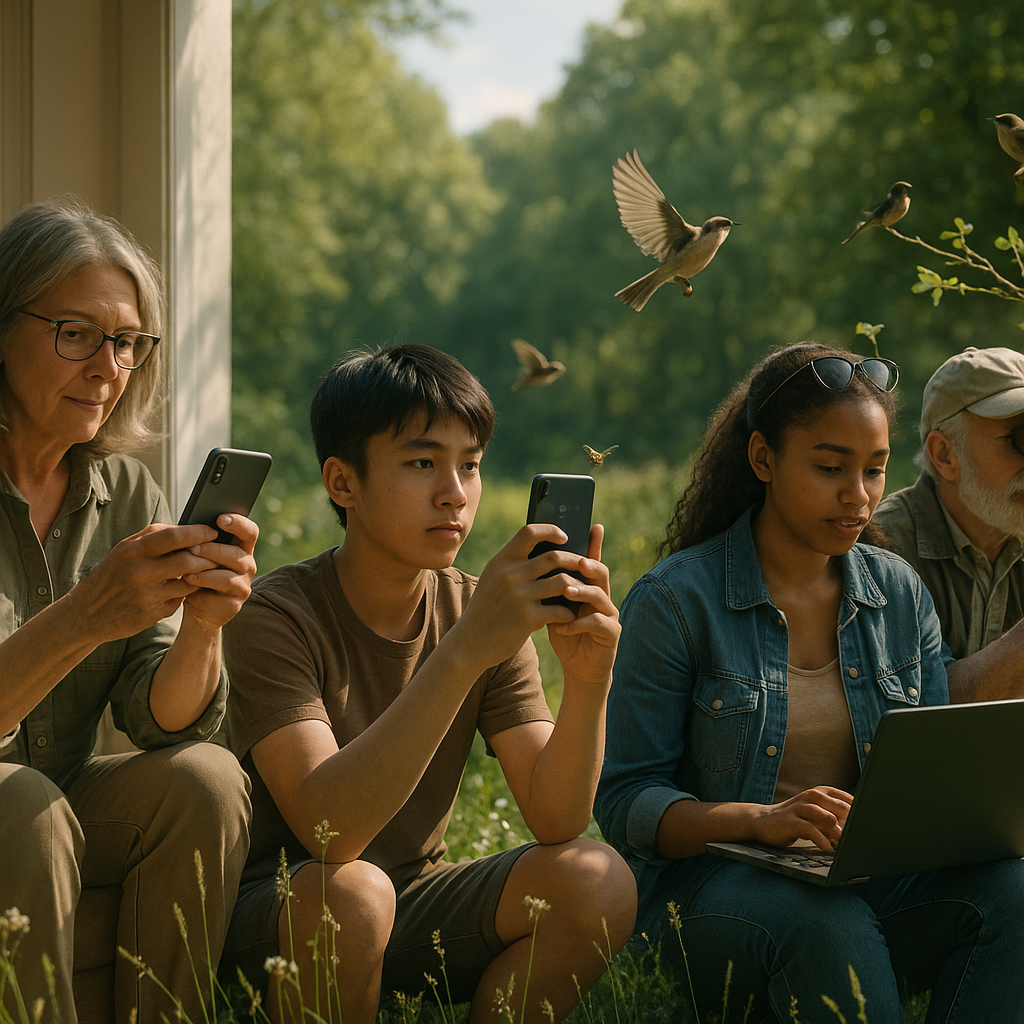
What are citizen science projects and why do they matter?
Citizen science projects invite members of the public to help collect, sort or analyse data that scientists simply cannot handle alone. There are not enough researchers to watch every bird feeder, read every handwritten archive or scan every galaxy image. So they turn to volunteers to fill the gaps.
This is not busywork. The information people submit feeds directly into academic papers, conservation plans, climate models and even space missions. It is a way for anyone with curiosity and a bit of spare time to leave a small fingerprint on real science.
Bird counting: turning garden visitors into global data
Bird surveys are among the most successful citizen science projects because they are simple, relaxing and surprisingly powerful. You sit by a window, note what lands in your garden or local park, and log what you see. Multiply that by thousands of people doing the same, and scientists gain a continent-wide snapshot of bird populations.
Researchers use these records to track which species are thriving, which are in trouble, and how migration patterns are shifting as the climate changes. When a once-common bird starts vanishing from people’s lists, it can trigger deeper investigations and new protections. Your scribbled notes about a robin or goldfinch might help shape future conservation laws.
Galaxy classification: helping map the universe from your sofa
Another corner of science quietly powered by volunteers is galaxy classification. Telescopes capture more images than professionals could ever inspect by hand. Computers are good at spotting obvious patterns, but they still struggle with the subtleties of spiral arms, dust lanes and odd shapes.
That is where public volunteers step in. By clicking through images and labelling what they see, people help astronomers sort galaxies into useful categories. These labels feed into studies of how galaxies evolve, how dark matter might be distributed and where to point more detailed instruments next. On rare occasions, volunteers have even spotted entirely new and unexpected objects, earning their names in research papers.
Transcribing archives: rescuing history from dust and decay
Old ship logs, field notebooks, weather diaries and letters are treasure chests of information, but many are handwritten and fragile. Scanning them is only half the job – someone still has to read the script and turn it into searchable text.
Online transcription projects invite volunteers to zoom in on a scanned page and type what they see. Piece by piece, forgotten records become digital data. Historians can then trace everyday lives, while climate scientists can plug centuries-old weather notes into modern models. Your careful typing might help reveal how storms behaved in the past or how people experienced earlier pandemics and wars.
Tracking pollution: turning phones into environmental sensors
Modern phones and cheap sensors have opened up a new wave of citizen science projects focused on pollution. People can report litter on beaches, log air quality outside schools or upload photos of murky rivers. These scattered reports become a powerful map of environmental problems.
Authorities and campaigners use this data to spot hotspots, push for clean-up efforts and monitor whether promised improvements actually happen. Because the reports come from people on the ground, they can reveal issues that official monitoring stations miss, especially in neglected areas.
What makes citizen science so much fun?
Part of the appeal is simple satisfaction. You are not just scrolling endlessly – you are doing something that matters. Many projects also build friendly communities, with forums where people share odd sightings, compare notes and celebrate discoveries. Some even send regular updates showing how your contributions fit into the bigger picture.


Citizen science projects FAQs
Do I need scientific training to join citizen science projects?
No, most citizen science projects are designed for complete beginners. They provide simple training materials, examples and practice tasks so you can learn as you go. The key requirements are curiosity, patience and a willingness to follow the instructions carefully.
How do scientists check the quality of data from citizen science projects?
Researchers use several methods to keep data reliable. These include built in tutorials, test questions, repeat classifications by multiple volunteers, expert review of unusual results and automatic checks that flag suspicious entries. Together, these checks ensure that the final datasets are robust enough for serious research.
Can I contribute to citizen science projects with only a few minutes a day?
Yes, many projects are built around short, repeatable tasks that you can complete in spare moments. You might classify a handful of images, transcribe a couple of lines from an old document or log a quick wildlife sighting. Over time, those small contributions add up and help move real research forward.
Leave a Reply