

There is a quiet revolution on our shoulders right now, and it is stitched together by handmade bags. In a world of fast fashion and endless scrolling, these small works of art are finally getting their 15 minutes of fame – and they deserve every second.
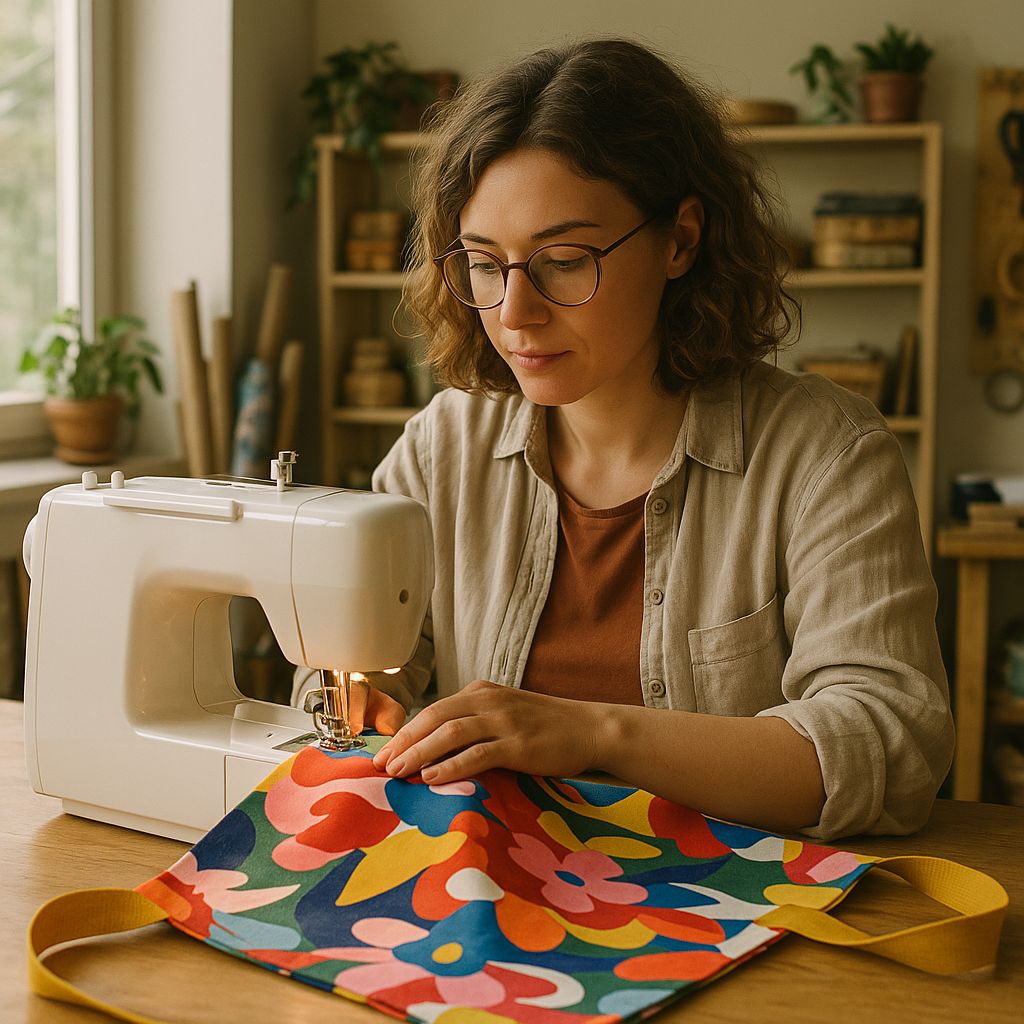
Why handmade bags are having a moment
For years, the spotlight has belonged to big-name logos and mass-produced totes. Now, people are tired of seeing the same styles on every high street. Handmade bags offer something different: personality. Each piece is shaped by a real person, not a conveyor belt, and that human touch is becoming more and more appealing.
There is also a growing awareness of where our things come from. When you pick up a handmade bag, you can often trace its story – the maker, the materials, even the inspiration behind the design. That sense of connection is powerful in a time when most purchases feel forgettable.
The quiet power of slow fashion
Handmade bags sit at the heart of slow fashion. Instead of chasing trends that last a few weeks, makers focus on designs you will still want to carry years from now. Slower production means more attention to detail, fewer mistakes and usually better durability.
There is also less waste. Many small makers use offcuts, reclaimed textiles or limited runs of fabric. Rather than ordering thousands of identical pieces, they create in small batches, which naturally keeps overproduction in check.
From craft table to catwalk: how small makers break through
The journey from kitchen table to cult favourite is rarely glamorous. Most makers start with a single sewing machine, a stack of fabric and a lot of determination. Market stalls, craft fairs and word of mouth are often the first testing grounds. This is where styles are refined, prices are adjusted and confidence is built.
Every so often, a design hits that sweet spot of practicality and personality. A bag that fits a laptop but still looks good in a café. A crossbody that works for dog walks and dinners. When that happens, photos start to spread, friends ask where it is from, and a small brand can suddenly find itself in demand. That is how labels like Sallyann Handmade Bags quietly gather a loyal following.
How to choose handmade bags that really earn their keep
With so many makers out there, it can be hard to know where to start. A few simple checks can help you find handmade bags that are worth the investment.
- Look closely at the stitching – Neat, even stitches and reinforced stress points around handles and zips are a good sign.
- Check the lining – A thoughtfully chosen lining fabric and tidy seams often reveal how much care went into the design.
- Test the hardware – Zips should glide, clasps should feel solid and straps should adjust smoothly.
- Think about your real life – Will it fit what you carry every day? Are the pockets in the right places for you?
Most makers are happy to answer questions about materials, cleaning and custom tweaks. That conversation is part of the joy of buying handmade.
The stories we carry on our shoulders
Perhaps the most underrated thing about these solutions is the story they allow you to tell. Compliments on a mass-produced bag usually end with the brand name. Compliments on a handmade piece often turn into a longer chat about the maker, the market where you found it, or the trip you were on when you bought it.
Over time, these bags pick up more stories: the job interview you aced, the festival you danced through in the rain, the train journeys and coffee dates. The marks and creases become a map of your life rather than flaws to hide.
Giving these solutions their 15 minutes of fame
Not every beautiful thing needs a billboard. Sometimes, it just needs a moment of attention. Next time you are tempted by a quick, forgettable purchase, pause and look for something with a little more soul. Ask who made it. Ask what it is made from. Ask how long it will last.

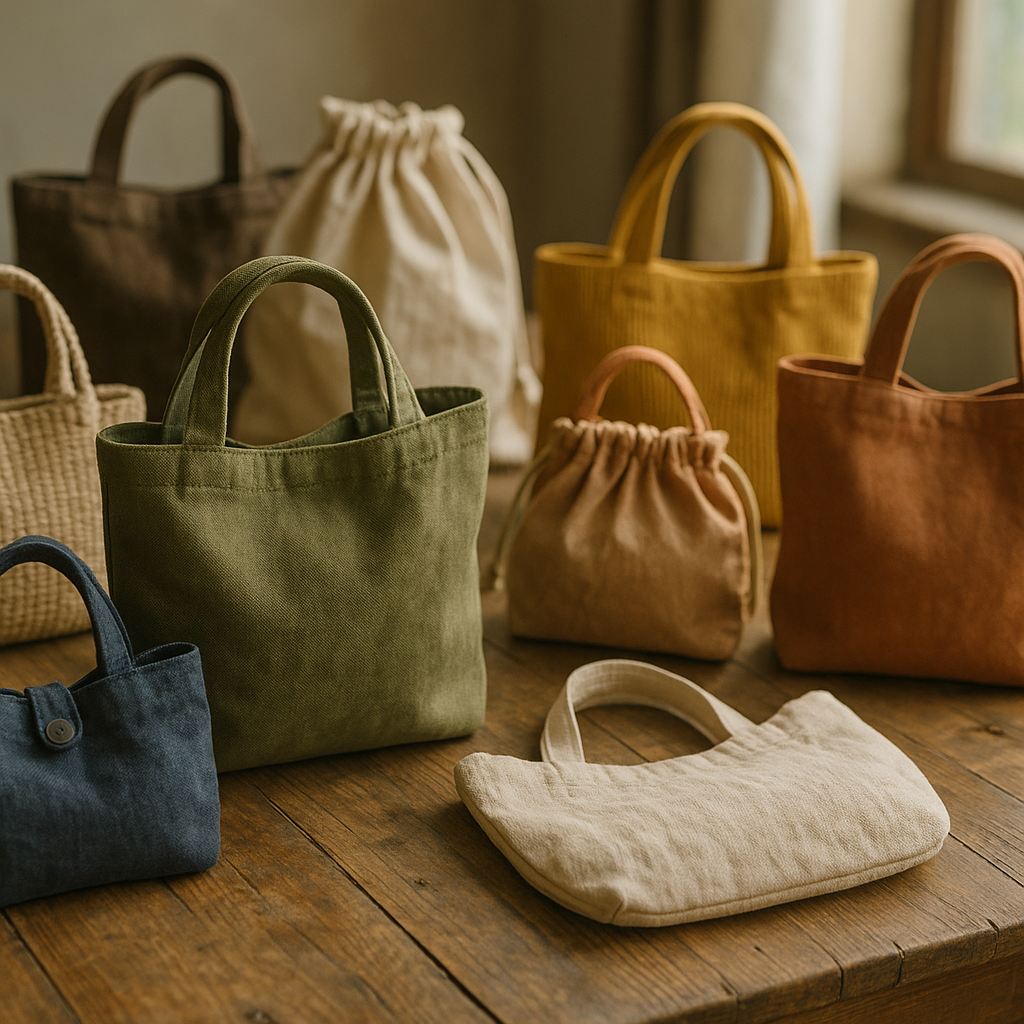
Handmade bags FAQs
Are handmade bags really worth the higher price?
Handmade bags usually cost more because you are paying for time, skill and better materials rather than mass production. When they are well made, they often last longer, age more gracefully and feel more personal to use, which can make them better value over time than cheaper, disposable options.
How can I tell if a bag is genuinely handmade?
Look for small signs of human involvement: slight variations in stitching, unique fabric choices, limited runs and clear information about the maker. Many genuine makers share photos of their process or studio, and are happy to answer questions about how each bag is constructed.
How should I care for my handmade bags so they last?
Care depends on the material, but as a rule, avoid overloading the bag, store it out of direct sunlight, and clean it gently with a cloth rather than harsh chemicals. For fabric bags, spot cleaning is usually best, while leather benefits from occasional conditioning. When in doubt, ask the maker for care advice specific to your bag.
Leave a Reply