

In car entertainment systems have evolved from simple radios into fully fledged digital hubs that shape how we drive, relax and travel with friends or family. As cars become more connected, drivers are demanding experiences that feel as seamless and personal as their smartphones.
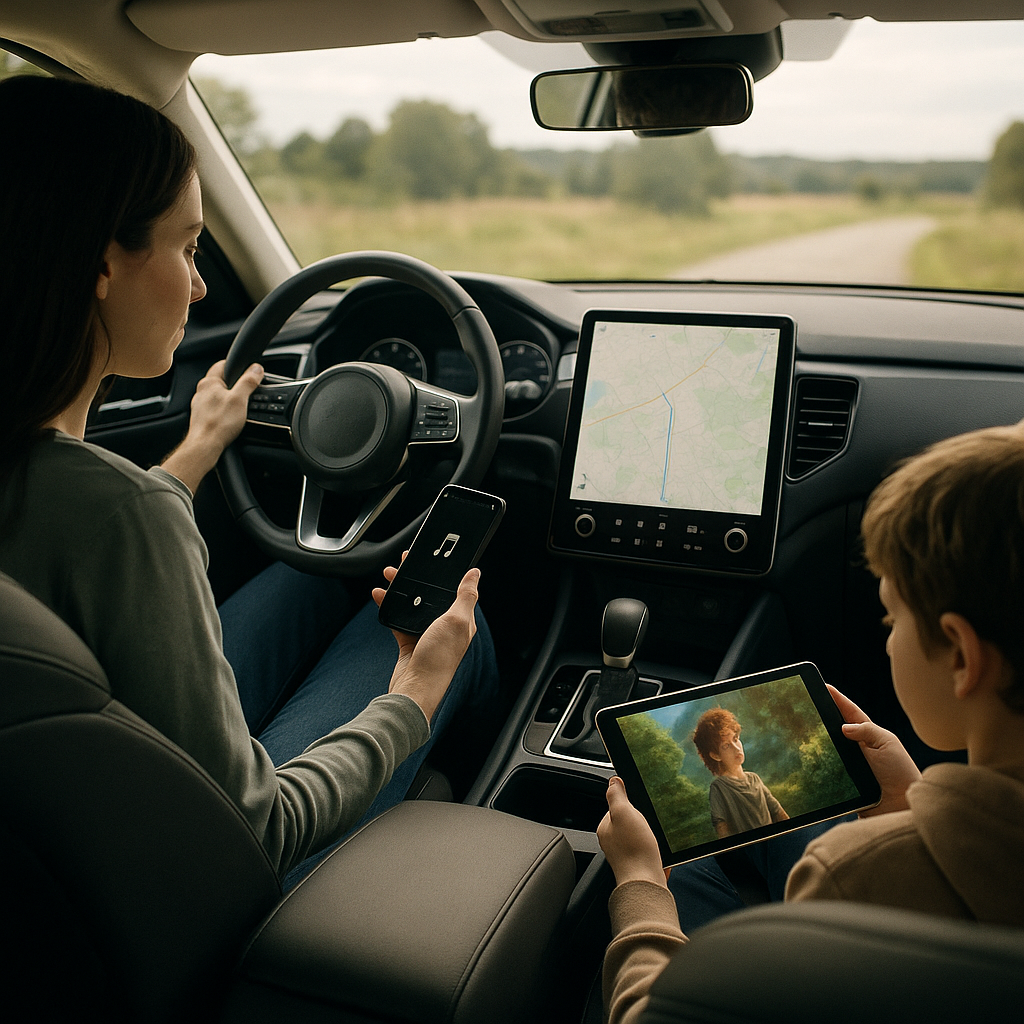
From background noise to digital hub
For decades, the stereo was little more than background noise. Now, modern dashboards bring together navigation, music, podcasts, messaging and climate controls in one place. Large touchscreens, voice assistants and customisable profiles mean each journey can feel tailored to the person behind the wheel.
This shift is not just about louder sound or bigger screens. It is about turning the cabin into a digital living space where everyone on board can stay informed, entertained and comfortable without having to reach for their phone.
Streaming, passengers and the battle for attention
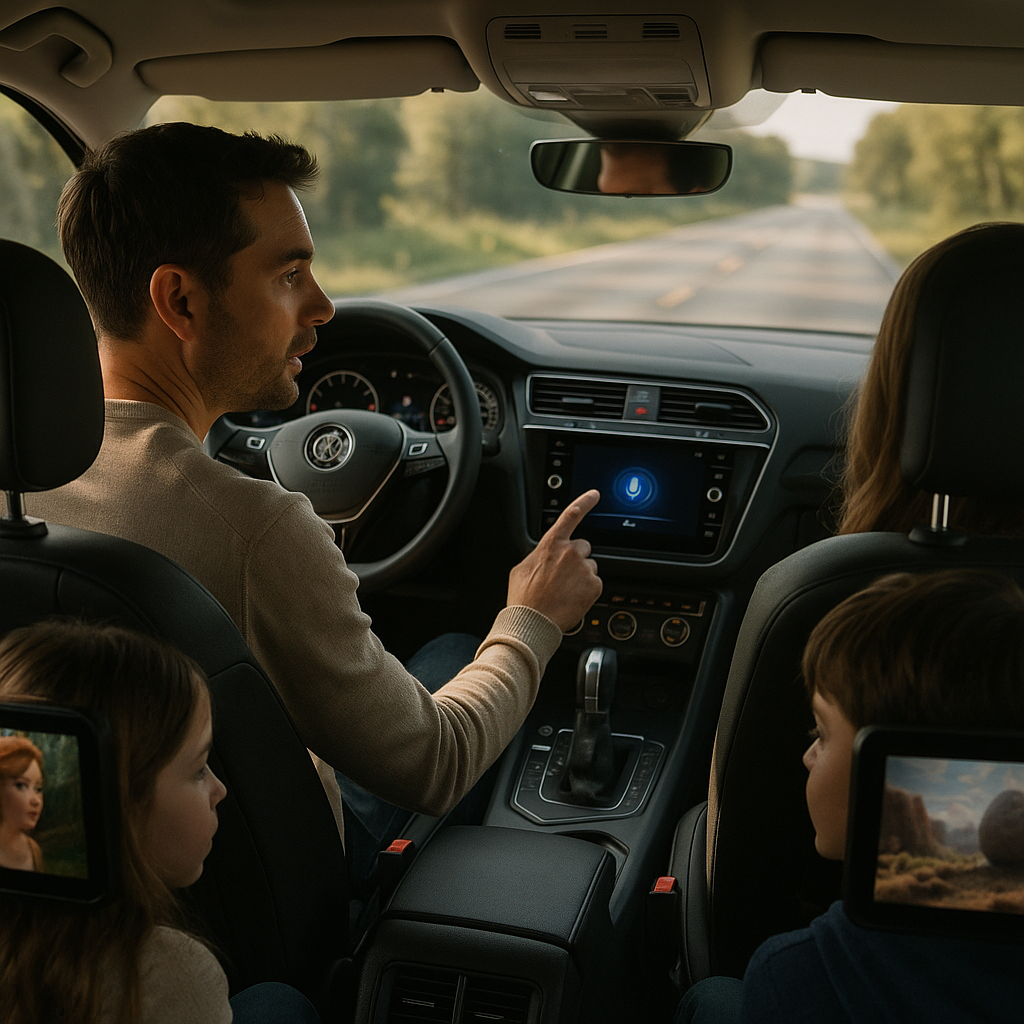
One of the biggest trends in car tech is the integration of streaming services. Drivers expect to jump from a playlist at home to the same track in the car without missing a beat. Rear seat passengers want to binge series, watch football or scroll social feeds on the move, often on separate screens.
Manufacturers are responding with built in apps, Wi‑Fi hotspots and multiple USB‑C ports so every device can stay powered. Some premium models now offer individual sound zones, allowing passengers to listen to different content simultaneously. The challenge is balancing this demand for content with the need to keep the driver focused on the road.
Safety first: reducing distraction without killing the fun
As dashboards become more capable, safety regulators are paying attention. Too many menus, alerts and notifications can overwhelm drivers. The smartest in car entertainment systems are designed to reduce distraction rather than add to it.
Voice control, steering wheel buttons and head up displays are becoming essential. Instead of tapping at a screen, drivers can ask for a song, a route or a call. Some systems lock certain features when the car is moving or limit video playback to rear screens. Over time, software updates can fine tune these controls as new risks and habits emerge.
Personalisation, profiles and over‑the‑air upgrades
Another major shift is the move towards software driven cars. Profiles store seat position, favourite stations, climate preferences and app logins, then load them automatically via a digital key or smartphone. Couples, families and car‑sharing users all benefit from a cabin that instantly adapts to whoever gets in.
Over‑the‑air updates mean the system can gain new features long after the car has left the showroom. A vehicle might launch with basic streaming and later receive surround sound modes, new apps or improved voice recognition. This keeps the car feeling modern for longer and helps protect its value.
Sound quality still matters
Despite all the talk of apps and screens, audio quality remains a key buying factor. People want rich, clear sound at every volume, whether they are listening to a podcast or a live concert recording. That is driving interest in better speakers, smarter placement and digital tuning that adapts to the cabin shape.
Many enthusiasts still choose specialist upgrades to get the most from their music, working with experts in car audio to fine tune the listening experience beyond the factory options.
Electric vehicles and the future of in‑car experiences
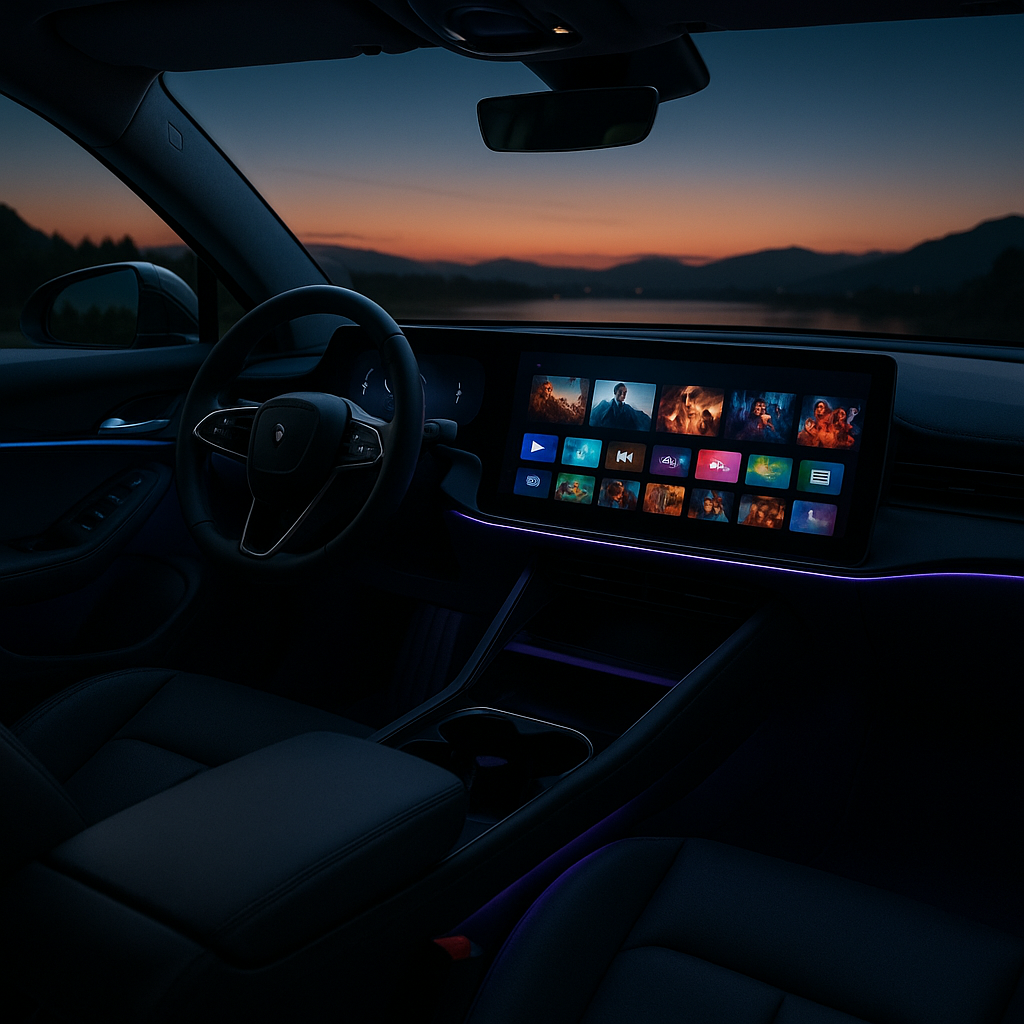
Electric vehicles are accelerating change. With quieter cabins and longer charging stops, drivers are looking for ways to pass the time comfortably. Larger screens, console style gaming, high quality video streaming and even in seat massage programs are becoming selling points.
Looking ahead, we can expect in car entertainment systems to work even more closely with smartphones, smart homes and wearables. Imagine your car suggesting a playlist based on your heart rate, dimming your home lights as you pull away, or queuing up a podcast that continues seamlessly from your kitchen speaker to the driver seat.
In car entertainment systems FAQs
Can I upgrade the infotainment system in an older car?
Yes, in many cases you can retrofit a modern head unit into an older vehicle. This might include a touchscreen, Bluetooth, smartphone mirroring and improved audio processing. Compatibility with your car’s wiring, steering wheel controls and dashboard shape is crucial, so it is usually worth speaking to a specialist fitter before buying any hardware.
Do built in car apps use my mobile data?
It depends on the system. Some cars have their own embedded SIM and data plan, while others rely on your phone’s connection via tethering or smartphone mirroring. Streaming music, video and live traffic can consume significant data, so it is important to understand how your particular setup connects and whether your mobile contract has a suitable allowance.
What should I look for in in car entertainment systems for family use?
For family use, focus on multiple charging points, easy to clean hardware, rear seat screens or tablet mounts, and simple parental controls. Durable headphones, independent rear audio and intuitive menus make it easier to keep children entertained without distracting the driver. Check how quickly the system starts up and how easy it is to switch between different sources on a busy school run.
Leave a Reply