
Digital fabrication has quietly moved from the fringes of industrial manufacturing into the hands of passionate hobbyists, independent designers and small creative studios – and it is reshaping what it means to make something from scratch.
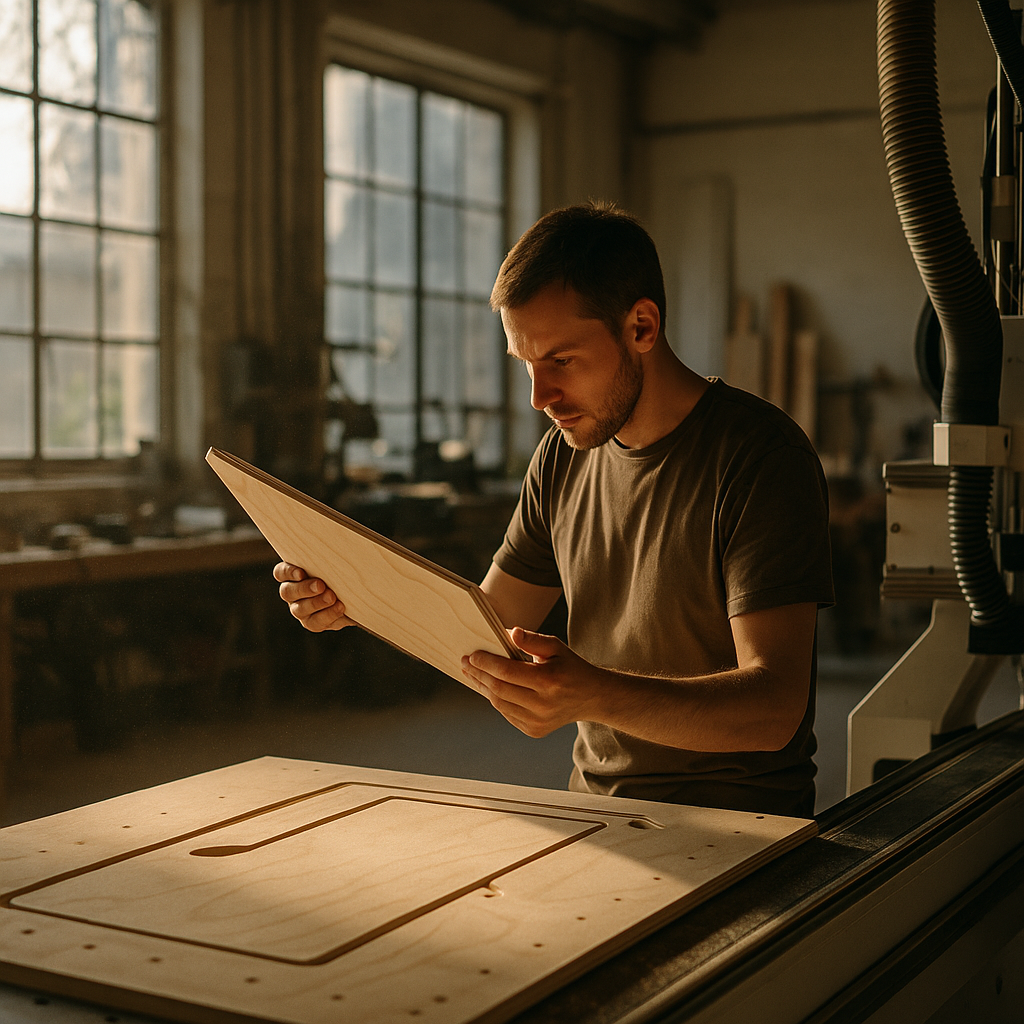
What Is Digital Fabrication and Why Does It Matter?
At its core, digital fabrication refers to the process of turning digital designs into physical objects using computer-controlled machines. Think laser cutters, 3D printers, vinyl cutters and precision routing equipment. What used to require an entire factory floor or a highly specialist workshop can now happen in a spare bedroom, a converted garage or a community makerspace.
The shift matters because it has dramatically lowered the barrier to entry for anyone who wants to design and build something with precision. You no longer need decades of traditional craft training to achieve clean, repeatable results. You need curiosity, a willingness to learn software, and access to the right tools.
The Makerspace Movement Fuelling the Trend
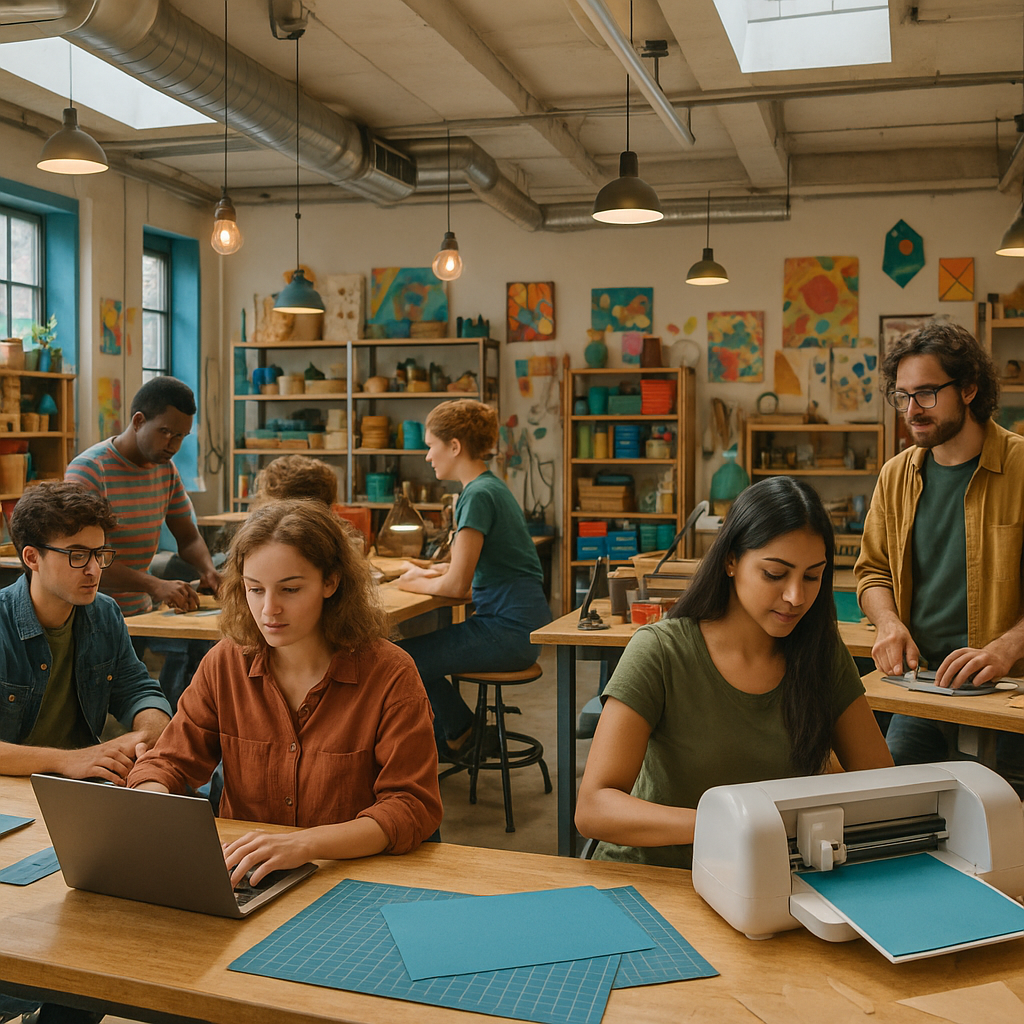
Makerspaces have played a huge role in spreading digital fabrication beyond early adopters. These shared workshops – often found in cities, universities and libraries – give members access to expensive equipment for a modest monthly fee. The community element is just as valuable as the machines themselves. Experienced makers share knowledge freely, and beginners pick up skills faster because they are surrounded by people who have already solved the problems they are facing.
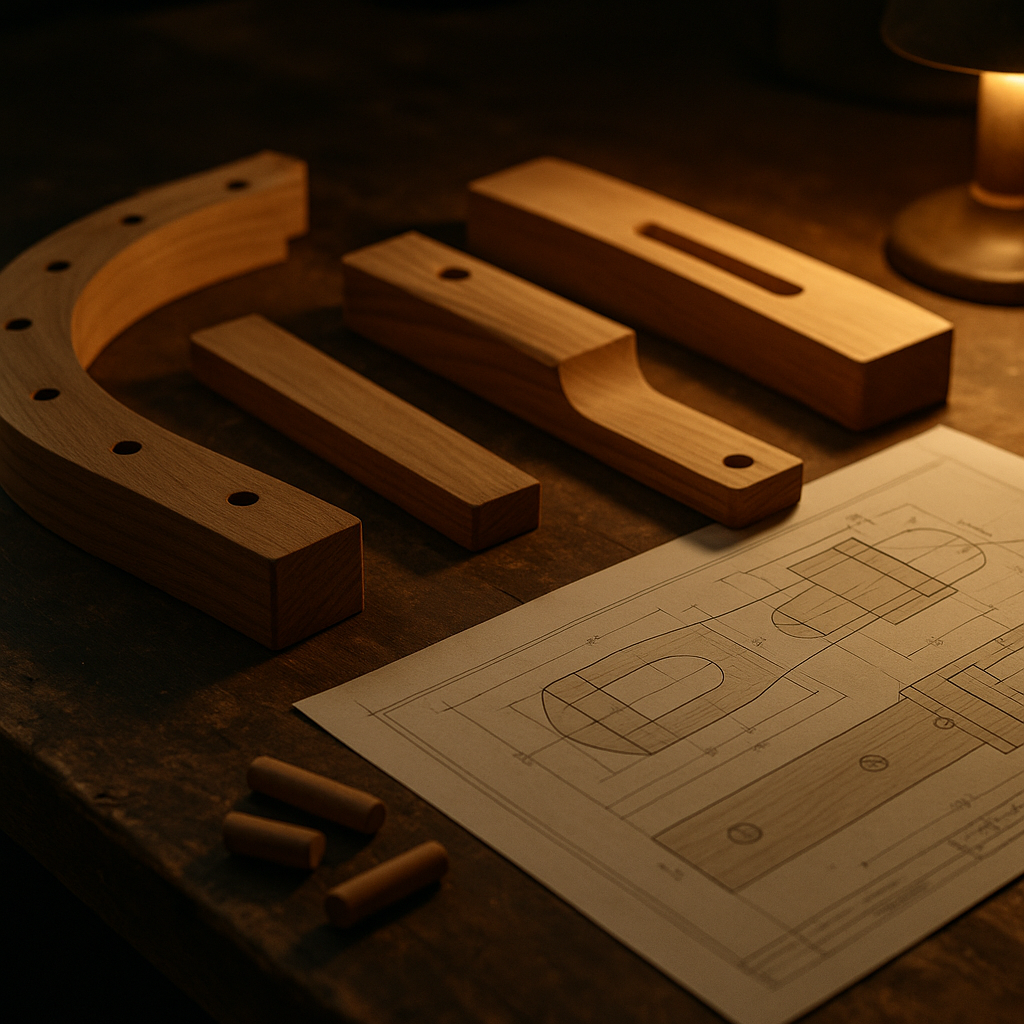
In the UK especially, the number of active makerspaces has grown substantially over the past few years. Alongside community spaces, many small businesses have invested in their own setup. A furniture maker adding a routing machine to their workflow, for example, can produce complex joinery and decorative detailing that would take hours to do by hand. Machines like cnc routers are increasingly common in independent workshops precisely because they bridge traditional craft with digital precision.
Design Software Has Changed the Game
Another reason digital fabrication has exploded in popularity is the improvement and accessibility of design software. Tools that once cost thousands in licensing fees are now available on subscription models that small studios can actually afford. Open-source alternatives have also matured significantly. Programmes like Fusion 360, FreeCAD and even entry-level tools built specifically for laser cutting and routing have brought serious capability to people who are not trained engineers.
This democratisation of design means that a self-taught maker can produce work that competes visually and structurally with professionally manufactured goods. The gap between handmade and machine-made has narrowed in the best possible way.
Where Digital Fabrication Is Heading
The next wave of digital fabrication is already building momentum. Hybrid workflows – where human craft and machine precision are deliberately combined rather than treated as opposites – are producing some of the most interesting work in furniture, jewellery, architecture and product design right now.
There is also growing interest in sustainable making. these solutions allows for far more precise material use, which means less waste. When you can nest parts tightly on a sheet of plywood and cut them out in a single optimised pass, you are using the material far more efficiently than traditional hand cutting would allow.
these solutions also opens doors for personalisation at scale. Small-batch custom products – items made to exact specifications for individual customers – are now economically viable for tiny operations. That is a genuinely exciting shift for independent makers who want to compete in a market that has long been dominated by mass production.
A Movement That Deserves Its Spotlight
If you have not yet explored what these solutions can do, this is a good moment to pay attention. The tools are more affordable, the community is more welcoming, and the creative possibilities have never been wider. It is one of those rare movements where technology genuinely amplifies human creativity rather than replacing it.
Digital fabrication FAQs
Do I need to be technically minded to get into digital fabrication?
Not necessarily. While there is a learning curve with design software and machine operation, the community around digital fabrication is generally very supportive. Many makerspaces offer introductory workshops, and there are countless free tutorials available online. Starting with something simple, like a laser-cut sign or a basic routed panel, is a great way to build confidence without feeling overwhelmed.
What is the difference between digital fabrication and traditional making?
Traditional making relies on hand tools, manual skill and experience built over many years. Digital fabrication uses computer-controlled machines to execute designs with high precision and repeatability. In practice, most serious makers combine both approaches – using digital tools for accuracy and efficiency while applying traditional craft skills for finishing, assembly and creative problem-solving.
Is digital fabrication suitable for small businesses?
Absolutely. Many small workshops and independent designers use digital fabrication to produce custom, high-quality products at a scale that would be impossible by hand alone. The investment in equipment can pay off quickly if you are producing regular runs of parts or offering personalised products. Starting with access to a shared makerspace before committing to buying your own machines is a smart way to test the waters.