

Plenty of people dream about it. Few actually do anything about it. Getting on television in Britain is more achievable than most people think, and the routes in are far more varied than simply auditioning for X Factor or hoping a producer stumbles across your TikTok. Whether you fancy a documentary slot, a daytime studio appearance, a news feature, or a full-blown reality series, there is a legitimate path to the screen for ordinary people with the right story, the right timing, and a bit of nerve.
This is not about becoming a celebrity. This is about getting your story, your talent, or your expertise in front of a camera and doing something meaningful with it. Think of it as your 15 minutes, and knowing how to claim them properly.
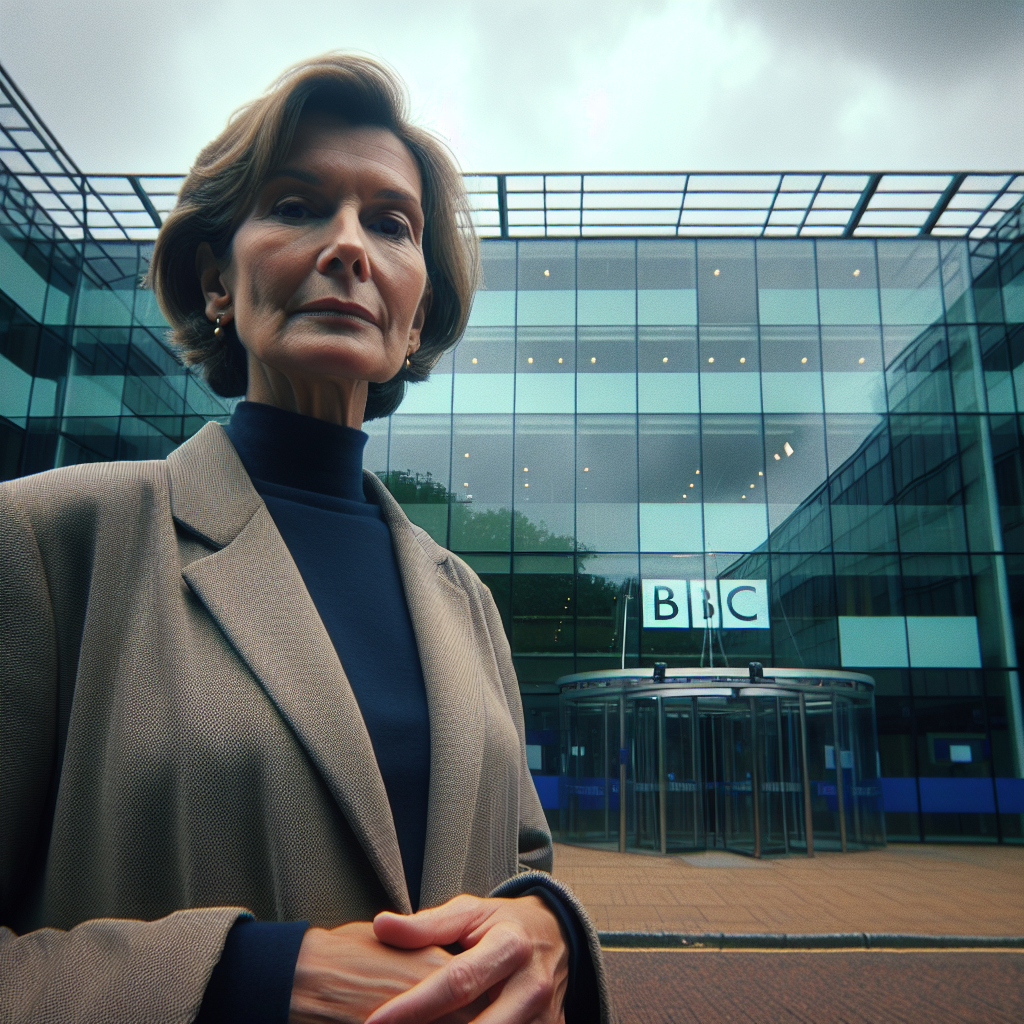
What TV Producers Are Actually Looking For in 2026
Before you fire off applications to every broadcaster going, it helps to understand how commissioning teams and casting producers think. The honest answer is that they are not looking for polished performers. They are looking for compelling stories. Authenticity is genuinely in demand right now. Broadcasters like Channel 4, ITV, and the BBC have all shifted noticeably towards real people with genuine lived experience, partly because audiences have grown tired of manufactured drama.
Producers want someone who has something to say and is not afraid to say it on camera. They want conflict, transformation, expertise, or something genuinely unusual. If you have done something remarkable, survived something difficult, built something from scratch, or hold a strong opinion on a topic the nation is talking about, that is your hook. A quirky hobby, a niche skill, an unusual lifestyle, a dramatic life change: these are all currency in 2026’s TV landscape.
One casting producer quoted in a BBC editorial briefing put it bluntly: the most boring application they receive is from someone who describes themselves as “bubbly and outgoing”. Lead with your story, not your personality descriptors.
How to Apply for Reality TV Shows in the UK
Reality television remains one of the most accessible entry points to the screen. The sheer volume of formats currently in production means casting teams are perpetually searching for contributors. Here is how to approach it properly.
Find Active Casting Calls
The best starting point is Star Now UK (starnow.co.uk), which lists open casting calls across broadcast and streaming. Casting Call Pro is another reliable resource. For BBC-specific shows, the BBC’s own “Take Part” platform (bbc.co.uk/takepart) publishes active contributor requests across factual, entertainment, and lifestyle programming. ITV similarly runs open applications through their production company pages.
Social media is underrated here. Casting researchers post on Instagram and Twitter/X constantly. Searching hashtags like #UKCasting or #CastingCall alongside your area of interest (cooking, renovation, parenting, etc.) turns up live opportunities that never make it to formal listings.
Write an Application That Gets Read
Most applications are rejected at the first paragraph. Keep it short, specific, and story-led. Open with what makes your situation different. Include a recent photo (not a selfie from 2021). If the form asks for a video, film it in good natural light, speak clearly, and keep it under two minutes. Producers watch dozens of these per week; give them something to remember in the first thirty seconds.
Getting on Daytime Television
Daytime TV, think This Morning, Loose Women, Morning Live, and similar formats, operates on a slightly different logic. These programmes need contributors who can speak fluently and confidently on a topic, hold a strong personal angle on a news story, or demonstrate a skill live on air. They move fast; a topical story pitched on a Monday morning can get you in the studio by Thursday.

The route in is usually through a production assistant or researcher. Most daytime shows have a public-facing email for contributor ideas, often listed on their broadcaster website. A strong pitch email should be no more than three short paragraphs: what your story is, why it matters right now, and who you are. Include a mobile number. They will not chase you.
If you have genuine expertise (as a GP, a financial adviser, a chef, a solicitor, a therapist) daytime television needs you regularly and is actively looking. Registering with a specialist media agency like MediaLink or Speak Out Media can open doors if you want to appear as an expert commentator rather than a personal story contributor.
Documentary and Factual Programming: The Long Game
Landing a documentary slot takes longer but can result in far more substantial screen time and a genuinely lasting impact. Independent production companies commission factual content for BBC Two, Channel 4, and the streaming platforms constantly. The key is approaching the right production company directly.
Research which companies make the kind of documentary you want to be in. If you are interested in social issues, look at companies like Dragonfly Film and Television or Keo Films. If it is lifestyle or food, Optomen or Twenty Twenty are worth approaching. A brief, well-targeted email to a development executive or series producer explaining your story and why it would make compelling viewing is a legitimate approach. It rarely works overnight, but it does work.
It is also worth noting that self-shooting documentary formats have exploded. Some commissioners are now genuinely open to contributors who can film their own day-to-day footage on a mobile, with professional camera crews dropping in at key moments. If your life is already interesting and visual, mention this willingness in your pitch.
Getting in the News: Working With Journalists
News features are often overlooked as a route to screen but can be highly effective. Local BBC regional news programmes, ITV regional news, and even national news bulletins actively need real people to put faces to stories. If something significant is happening in your community, your industry, or your personal life that has a broader news angle, contact the relevant regional news desk directly.
Press releases are not just for businesses. A well-written personal pitch to a regional news editor or a broadcast journalist can result in a camera crew at your door within 48 hours. This is particularly relevant if your story ties into a major current policy, a seasonal topic, or a national campaign. Think about what is already being discussed, and how you fit into that conversation.
Print media coverage can also function as a stepping stone to television. If your story lands in a national newspaper or a specialist publication, television producers read those features and follow up. Even car magazine features have led to documentary enquiries and broadcast invitations for enthusiasts with compelling personal stories behind their passion. The media ecosystem is more interconnected than most people realise.
Insider Tips That Actually Make a Difference
A few things that rarely get mentioned in generic guides:
- Timing matters enormously. Apply when a format is in its casting phase, not after the series has started filming. Follow the production companies on social media to catch the window early.
- Be specific about your availability. Producers drop contributors who cannot commit. If you can travel, say so clearly.
- Have a visual angle. Television is a visual medium. If your story or skill has a strong visual component, emphasise it in your application or pitch.
- Be honest about nerves. Counter-intuitively, admitting you are nervous but motivated tends to go down better than projecting false confidence. Researchers can spot it.
- Follow up once, politely. If you have not heard back in two weeks, a single brief follow-up email is acceptable. More than that, and you risk being flagged as difficult.
Getting on TV in the UK in 2026 is absolutely within reach for ordinary people. It requires the right story, a clear-eyed understanding of what different formats need, and the willingness to put yourself forward without waiting to be discovered. Nobody is coming to find you. Go and pitch them.
Frequently Asked Questions
How do I find out about casting calls for UK TV shows?
The BBC’s Take Part platform (bbc.co.uk/takepart), Star Now UK, and Casting Call Pro all list active casting opportunities. Following production companies and casting researchers on social media is also very effective, as many opportunities are posted informally before they reach official listings.
Do you need an agent to appear on British television?
No, an agent is not required for most factual, reality, or daytime television appearances. Agents are more relevant for acting roles. For contributor or participant appearances, you can apply directly to production companies or broadcasters, and many prefer direct contact from genuine contributors.
How long does it take from applying to actually appearing on TV?
It varies enormously by format. Daytime television can move within a few days if your story is topical. Reality shows typically have a casting process lasting several months before filming begins. Documentaries can take six months to a year or more from first contact to transmission.
Will I get paid for appearing on a UK TV show?
Payment varies. News features and some factual contributions are unpaid, though expenses are usually covered. Reality show participants often receive a small daily fee or expenses. Daytime television experts and specialists may be paid a contributor fee. Always clarify terms before agreeing to participate.
What do TV producers look for when casting ordinary people?
Producers consistently say they want a compelling personal story, authenticity, and someone who can speak clearly about their experience. Unusual skills, significant life changes, strong opinions on relevant topics, and genuine expertise all help. Describing yourself as “fun and outgoing” without a concrete story behind it rarely works.