
Some home upgrades shout for attention: new kitchens, bold paint colours, statement sofas. Others quietly transform a space without much credit at all. It is time layered window coverings had their own 15 minutes of fame.
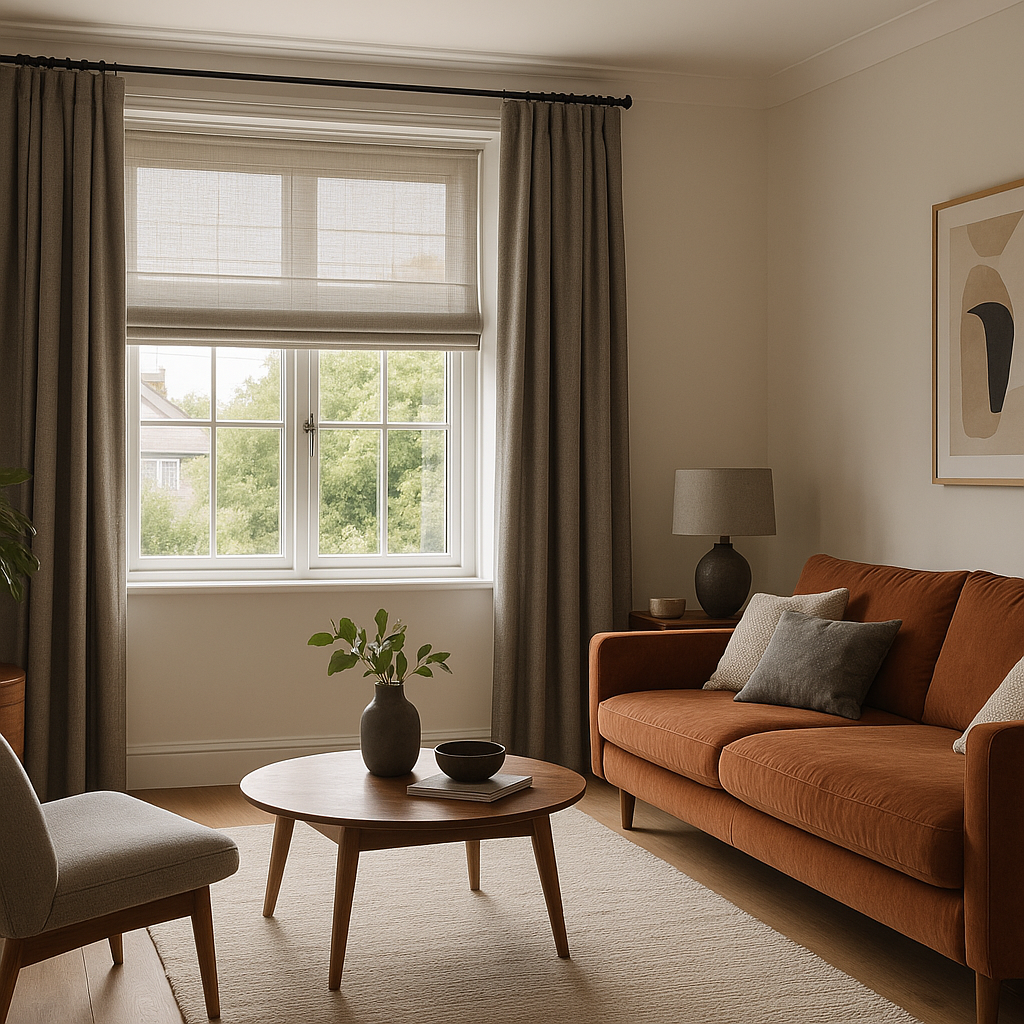
What are layered window coverings, really?
Layered window coverings are exactly what they sound like: two or more types of blinds, curtains or shades used together on the same window. Think a slim roller blind with full length curtains, or sheer voiles paired with heavier drapes. The magic is in how these layers work together to control light, privacy and temperature in a way a single treatment rarely can.
At first glance, it might seem like a purely decorative choice, but the best layered solutions behave more like a flexible toolkit. You can soften harsh daylight without sitting in gloom, enjoy privacy without feeling boxed in, and keep rooms comfortable throughout the year, all by adjusting a few simple layers.
Why layered window coverings deserve the spotlight
There are three big reasons layered window coverings are quietly becoming the unsung heroes of modern interiors.
1. Precision control of light
Most of us live with a blunt choice: blinds up or down, curtains open or closed. With layers, you gain far more nuance. Sheer fabrics can stay drawn to diffuse strong sunlight, while a blackout blind or heavier curtain is ready for film nights, lie ins or baby naps. This flexibility is especially useful in multi use rooms that double as home offices, playrooms or guest bedrooms.
2. Smarter privacy without losing the view
Street facing living rooms, overlooked gardens and city flats all share the same problem: you want natural light and a sense of openness, but you do not want to feel on display. Pairing a translucent layer with a more opaque one solves this neatly. During the day, the sheer layer keeps prying eyes out while letting daylight in. In the evening, the thicker layer closes things down for a cosy, private feel.
3. Hidden help with comfort and energy
Glass is one of the weakest points in a building envelope, leaking heat in winter and letting it pour in during summer. Well planned layers trap pockets of air, creating a simple bit of insulation that can make a room feel noticeably warmer or cooler. Over time, that can support more comfortable temperatures and potentially reduce the need to crank the heating or fan quite so high.
Designing layered window coverings for your space
So how do you make layered window coverings work in real life rather than just on mood boards? A few simple principles help.
Start with function, then add flair
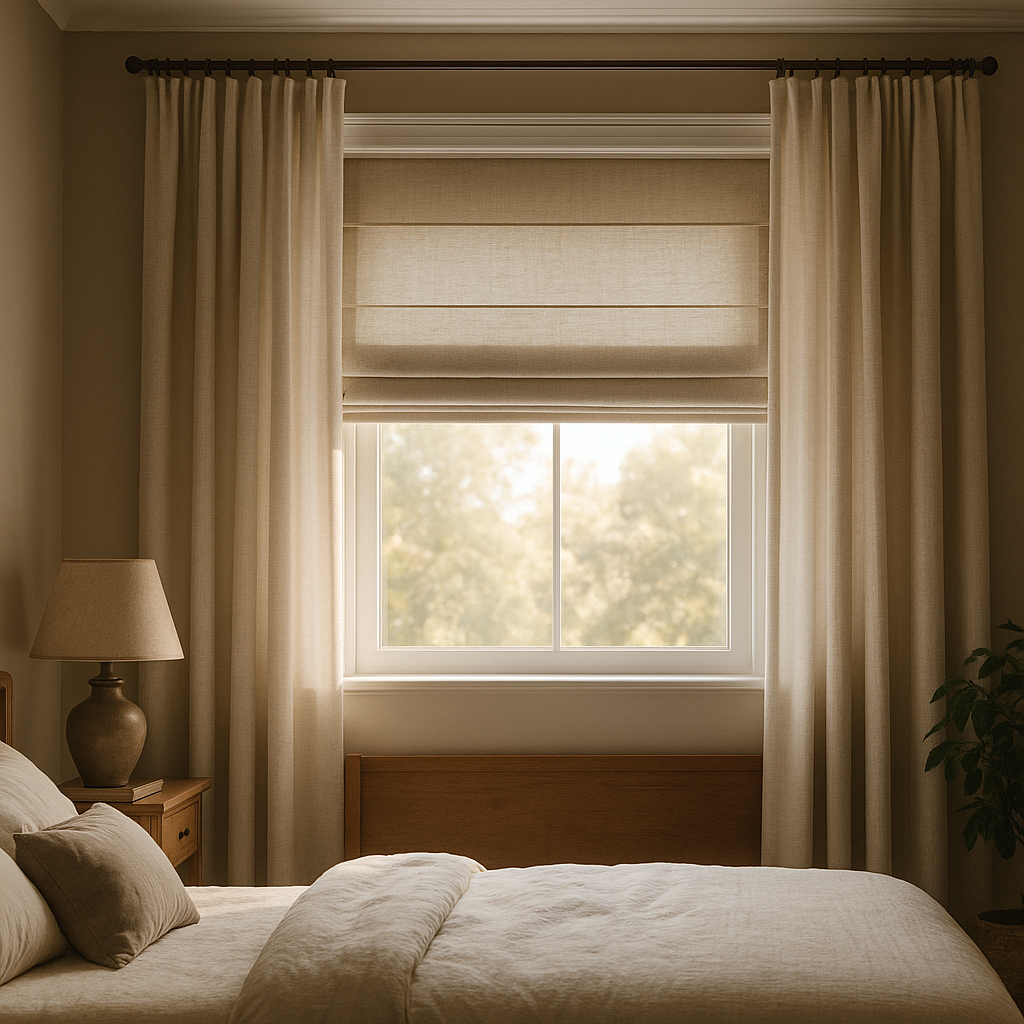
Begin by asking what the room actually needs. Total darkness for sleep? Glare control for screens? Privacy from neighbours? Once you know the practical job, choose your base layer: perhaps a blackout roller in the bedroom or a light filtering shade in a living space. Then add a second layer that brings softness, colour or pattern without fighting the first.
Mix textures, not just colours
Layering is not only about stacking fabrics, it is about contrast. Crisp blinds against linen curtains, smooth sheers with chunky cotton, or even a bamboo shade behind velvet drapes all create depth and interest. This is where a fairly neutral room can suddenly feel finished, like someone thought about the details.
Think hardware and neat finishes
The best these solutions look intentional, not improvised. Double curtain poles, discreet blind cassettes and well placed brackets keep everything operating smoothly. It is worth measuring carefully so each layer clears the others without snagging, and so the stack of fabric does not block too much glass when open.
Everyday examples that quietly impress
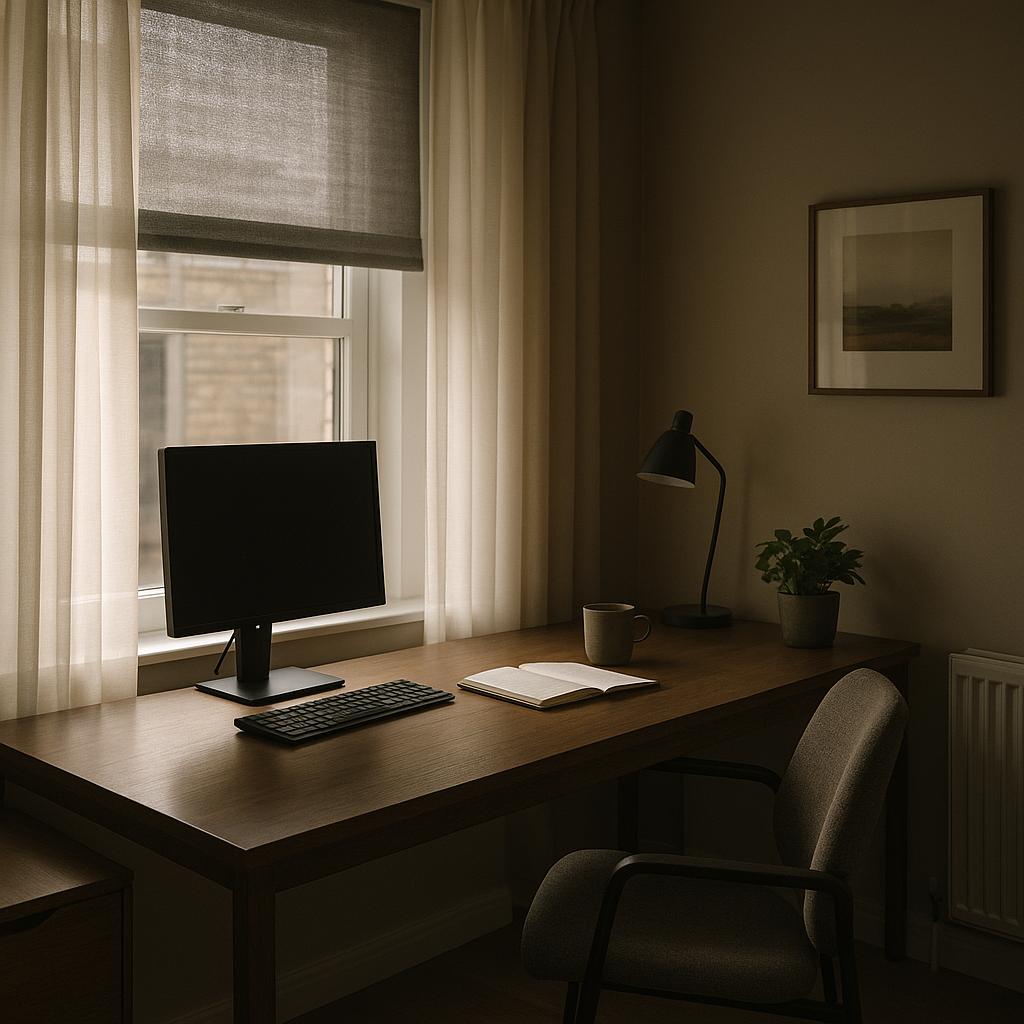
In a small flat, a translucent roller blind with floor length curtains can make a compact living room feel taller and brighter, while still allowing for privacy at all hours. In a home office, a light filtering blind paired with simple side panels can cut glare on screens without turning the room into a cave. For nurseries and children’s rooms, a combination of blackout and softer decorative layers makes it easier to balance naps, play and bedtime routines.
Layered window coverings FAQs
What are layered window coverings?
Layered window coverings use two or more treatments on the same window, such as a blind with curtains or sheers with heavier drapes. Together, these layers give you finer control over light, privacy and temperature than a single blind or curtain can usually offer on its own.
Are layered window coverings only for large rooms?
No, layered window coverings can work just as well in small spaces. In compact rooms, combining a slim blind with long curtains can make windows feel taller and add softness without overwhelming the space. The key is choosing lightweight hardware and fabrics that suit the room’s proportions.
Do layered window coverings help with energy efficiency?
They can. Extra layers of fabric or material create small pockets of trapped air around the glass, which helps reduce heat loss in winter and limit heat gain in summer. While they are not a replacement for insulation or glazing upgrades, layered window coverings are a simple way to support a more comfortable, stable indoor temperature.