
Hybrid heating systems are quietly becoming the unsung heroes of British homes, blending old and new technology to keep us warm, cut bills and reduce carbon without turning our lives upside down. In a world obsessed with the next big thing, these clever combinations of familiar boilers and modern low carbon kit definitely deserve their 15 minutes of fame.
What are hybrid heating systems, really?
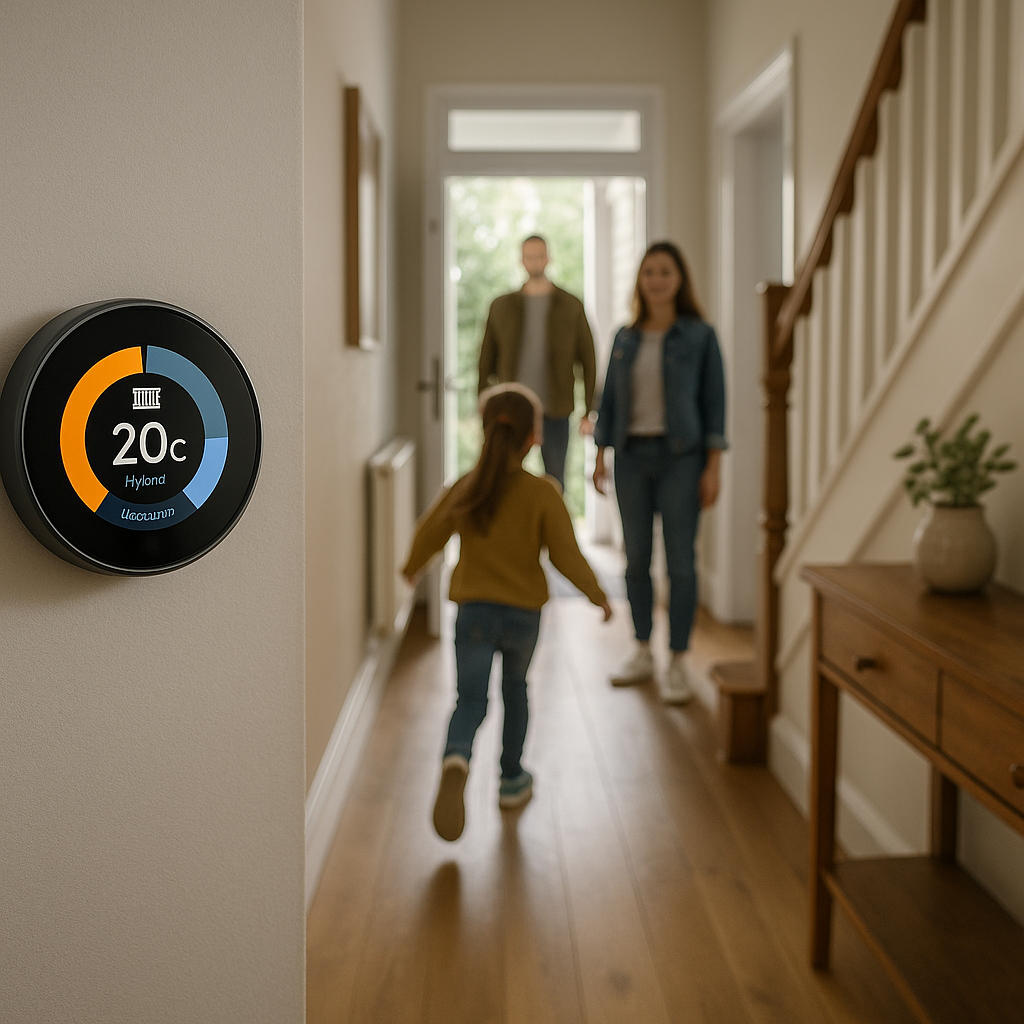
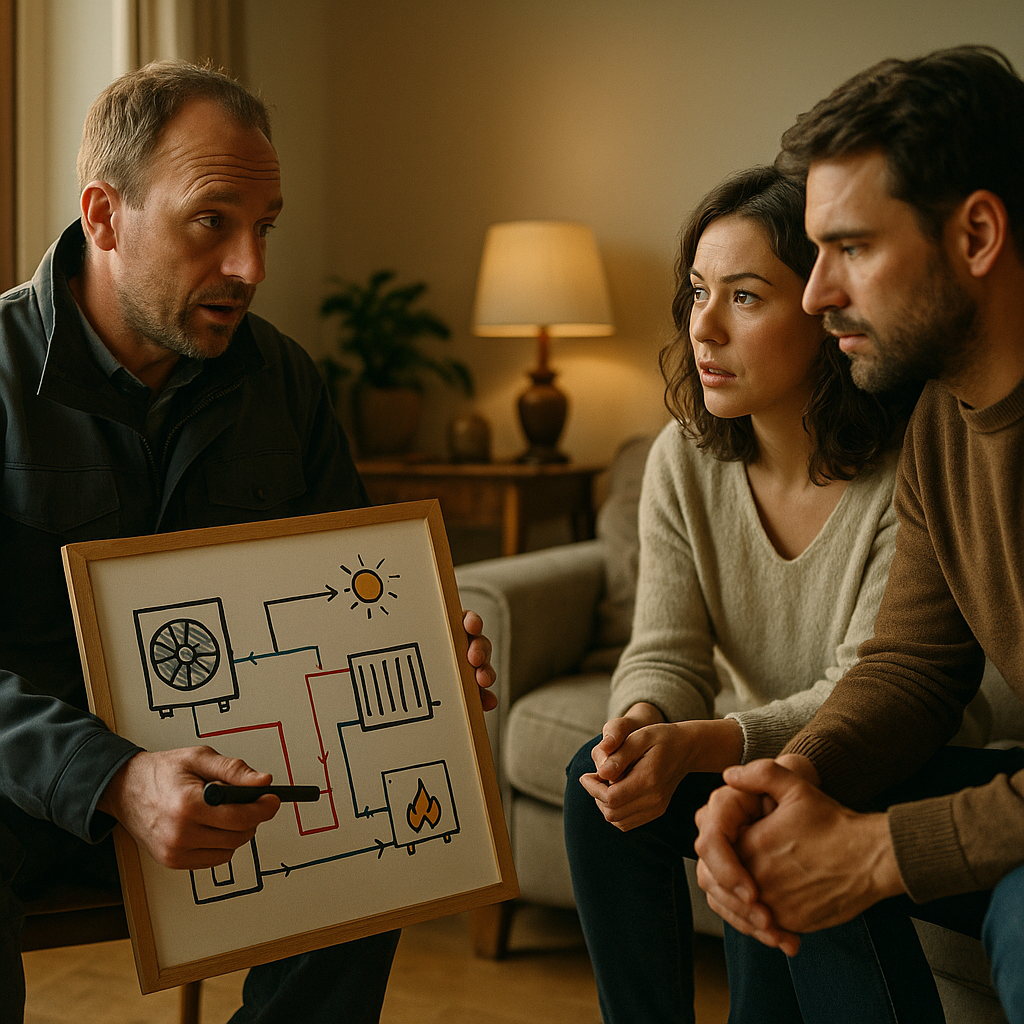
At their simplest, hybrid heating systems pair two different heat sources, usually a traditional gas boiler and a low carbon technology like a heat pump. A smart controller then decides which one should do the work at any given time, based on outdoor temperature, energy prices or efficiency.
On a mild October evening, the low carbon side can quietly handle your heating at very high efficiency. When a brutal cold snap hits, the boiler can step in to provide extra punch. The result is comfort that feels familiar, but with a carbon footprint and running cost that look more like the future than the past.
Why hybrid heating systems are getting so much attention
There are a few reasons these systems are suddenly in the spotlight:
- They bridge the gap between old housing stock and modern expectations, especially in draughty or hard to insulate homes.
- They reduce risk for homeowners who like the idea of low carbon heating but worry about performance in very cold weather.
- They are flexible enough to adapt as energy prices, tariffs and regulations change over time.
Instead of forcing a dramatic all or nothing switch, hybrid heating systems allow a gentler transition. You can keep the reassurance of a boiler while letting the low carbon side quietly shoulder more of the workload whenever conditions are right.
How a hybrid setup actually works in your home
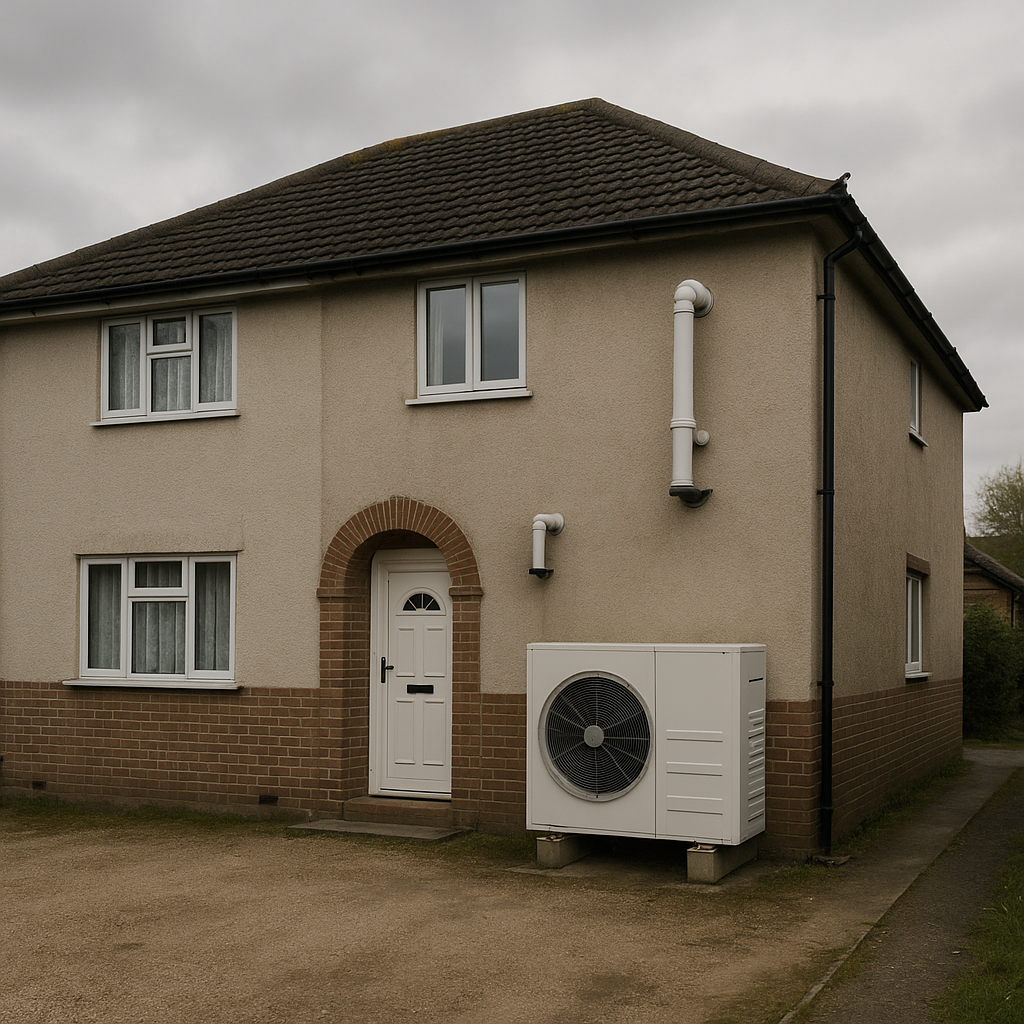
Picture a typical UK semi with radiators, a combi boiler and average insulation. Rather than ripping everything out, a hybrid approach adds a second heat source and a smart brain. The controller monitors temperatures and, in some cases, energy tariffs. It can then decide, minute by minute, which heat source is the most efficient or cost effective to run.
On milder days, the low carbon unit may run almost exclusively, sipping electricity while your rooms stay steady and comfortable. As temperatures drop, the boiler can kick in to top up heat or take over entirely if needed. Many systems also allow you to set priorities – for example, minimising carbon emissions, cutting bills or maximising comfort.
Who hybrid heating suits best
Hybrid heating systems are not a silver bullet, but they shine in some very common real world situations:
- Homes with limited insulation upgrades where a full low carbon switch might struggle.
- Households nervous about changing everything at once, especially older residents used to the feel of a boiler led system.
- Properties with unpredictable usage patterns where flexibility is valuable.
- People planning staged upgrades – for example, improving insulation now, then leaning more on the low carbon side later.
They also work well for anyone who likes the idea of future proofing. As the grid gets greener and electricity prices shift, the balance of which part of the system does the heavy lifting can be adjusted without replacing all your kit.
Hybrid heating and the move towards low carbon homes
Hybrid heating systems fit neatly into the bigger story of how UK homes are changing. Rather than a single dramatic moment where we all switch to one technology, the reality is looking more like a patchwork of solutions that evolve over time.
Some households will go straight to fully electric heating. Others will combine solar panels, battery storage and a smart hybrid setup. Many will make small, incremental changes that add up over a decade. In that mix, the ability to pair existing boilers with low carbon technologies, such as air source heat pumps, makes hybrids a powerful stepping stone.
What to consider before choosing a hybrid system
If you are tempted by the idea, a few practical questions are worth asking:
Hybrid heating systems FAQs
Are hybrid heating systems more expensive to run than a standard boiler?
Hybrid heating systems can often reduce running costs compared with a standard boiler, particularly in milder weather when the low carbon side can operate at high efficiency. The exact savings depend on your home, insulation, energy tariffs and how the system is set up. A well designed hybrid can prioritise the most cost effective heat source at any given time, helping to smooth out energy price swings.
Do I need to replace all my radiators for a hybrid heating system?
Not always. Many hybrid heating systems are designed to work with existing radiator setups, especially in typical UK homes. However, larger or upgraded radiators can help the low carbon side run more efficiently at lower flow temperatures. A survey by a qualified installer will reveal whether your current radiators are suitable or whether a partial upgrade would be worthwhile.
Can hybrid heating systems be installed in older properties?
Yes, older properties are often good candidates for hybrid heating systems because they may struggle to rely solely on low carbon heating in very cold weather. The hybrid approach allows the low carbon unit to handle much of the year, while the boiler supports on the coldest days. Insulation improvements will still help, but hybrids offer a more forgiving pathway for period homes and harder to treat buildings.