
Some of the most surprising success stories in modern entertainment are indie games that went viral thanks to streaming. One night they are quiet passion projects with a tiny player base, the next they are plastered across Twitch, YouTube and TikTok, with millions watching and sharing clips.
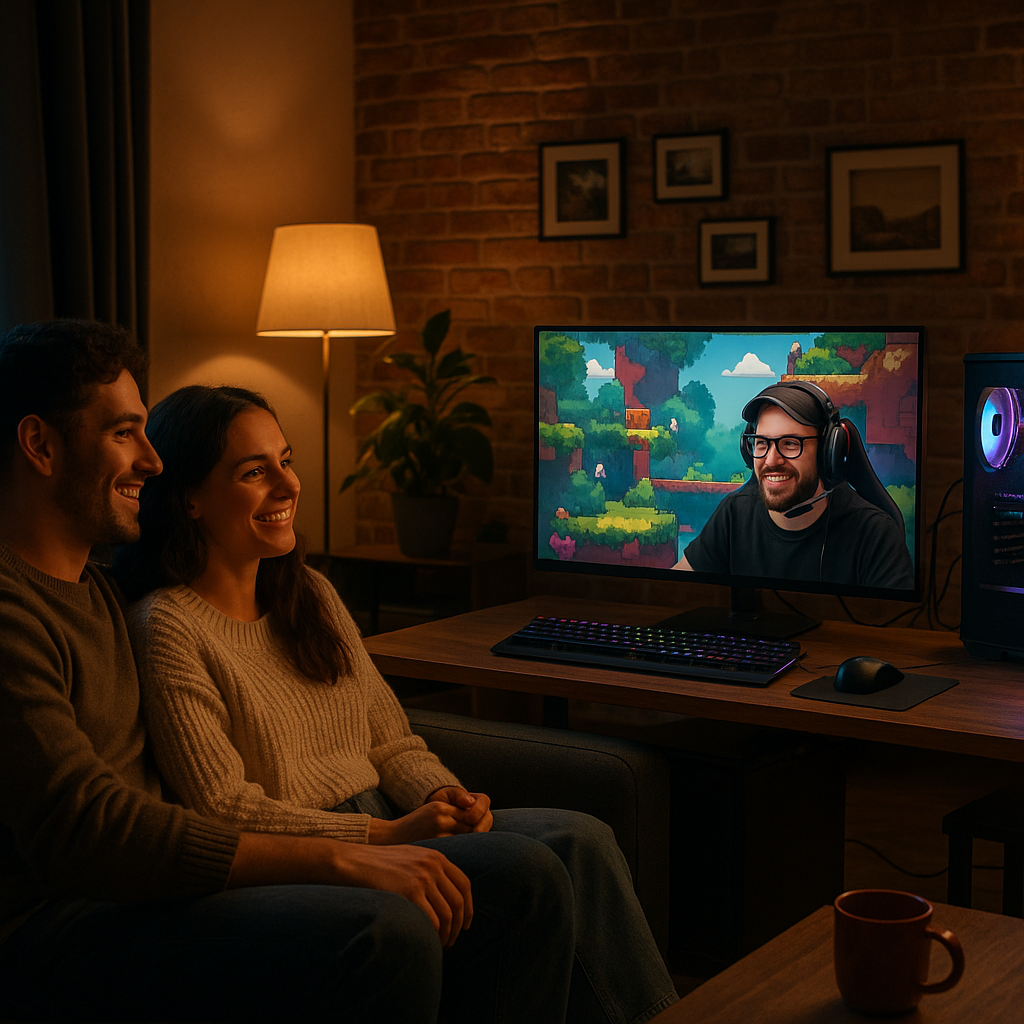
Why streaming is a launchpad for indie games that went viral thanks to streaming
Streaming platforms are perfectly built for turning small, quirky ideas into overnight sensations. Viewers are not just watching polished trailers – they are seeing real reactions, chaotic moments, bugs, glitches and all. When something unexpected happens on screen, a clip is born, and that clip can carry a game around the world in hours.
For indie developers with limited budgets, this is the dream. They cannot afford huge marketing campaigns, but they can build something unusual, funny or emotionally powerful, and hope the right creator stumbles across it. When they do, that 15 minutes of fame can transform a side project into a full-time studio.
Case study: the cosy chaos of a surprise farming hit
One recent example is a small farming and life-sim game that quietly launched with almost no fanfare. A mid-sized Twitch streamer picked it up on a whim, expecting a chilled background game. Within an hour, their chat was spamming emotes, laughing at awkward NPC dialogue and demanding they try every silly interaction possible.
Clips of wholesome moments and unexpected dark jokes spread across TikTok. People loved the contrast: soft pixel art and gentle music, paired with strangely sharp humour and surprisingly deep character stories. Viewers who would never normally touch a farming game were suddenly hooked on the soap opera unfolding in this tiny digital village.
The developer woke up to thousands of wishlists, a Discord server overflowing with fan theories, and messages from players who saw themselves reflected in the game’s diverse cast. That brief streaming spotlight funded future updates, console ports and even a small team, all born from a few viral clips.
Fast-paced party chaos: when viewers become the content
Another standout in the wave of indie games that went viral thanks to streaming was a chaotic party platformer built around physics-based characters and unpredictable arenas. The core idea was simple: drop a handful of players into a small map and let them bump, shove and fling each other into oblivion.
On paper, it sounded like dozens of other party titles. On stream, it was electric. Viewers did not just watch – they voted on modifiers, suggested ridiculous challenges and turned each round into a shared joke. The game’s real magic was how easily it turned ordinary players into comedians.
Short-form video did the rest. Ten-second clips of last-second saves, impossible comebacks and tragic self-sabotage flooded feeds. The game’s sales curve mirrored the life of a meme: a sudden spike, a few weeks of dominance in “most watched” charts, then a gentle fade as the internet moved on to the next obsession.
Horror, mystery and the power of reaction faces
Horror might be the genre that benefits most from streaming. A small, atmospheric indie horror game with clever sound design and minimal graphics can outperform big-budget titles if it delivers one thing: unforgettable reactions.
One recent psychological horror release did exactly that. It relied on subtle environmental changes and quiet tension instead of jump scares. Streamers leaned in, narrating every creak and shadow, while chat tried to spot what had changed in the room. When the game finally pulled the rug out from under them, the collective scream became instant clip material.
Reaction compilations on YouTube gave the game a second life. People who were too scared to play still wanted to experience the story through their favourite creators. The result was a wave of fan art, theory threads and breakdown videos that far outlasted the initial launch window.

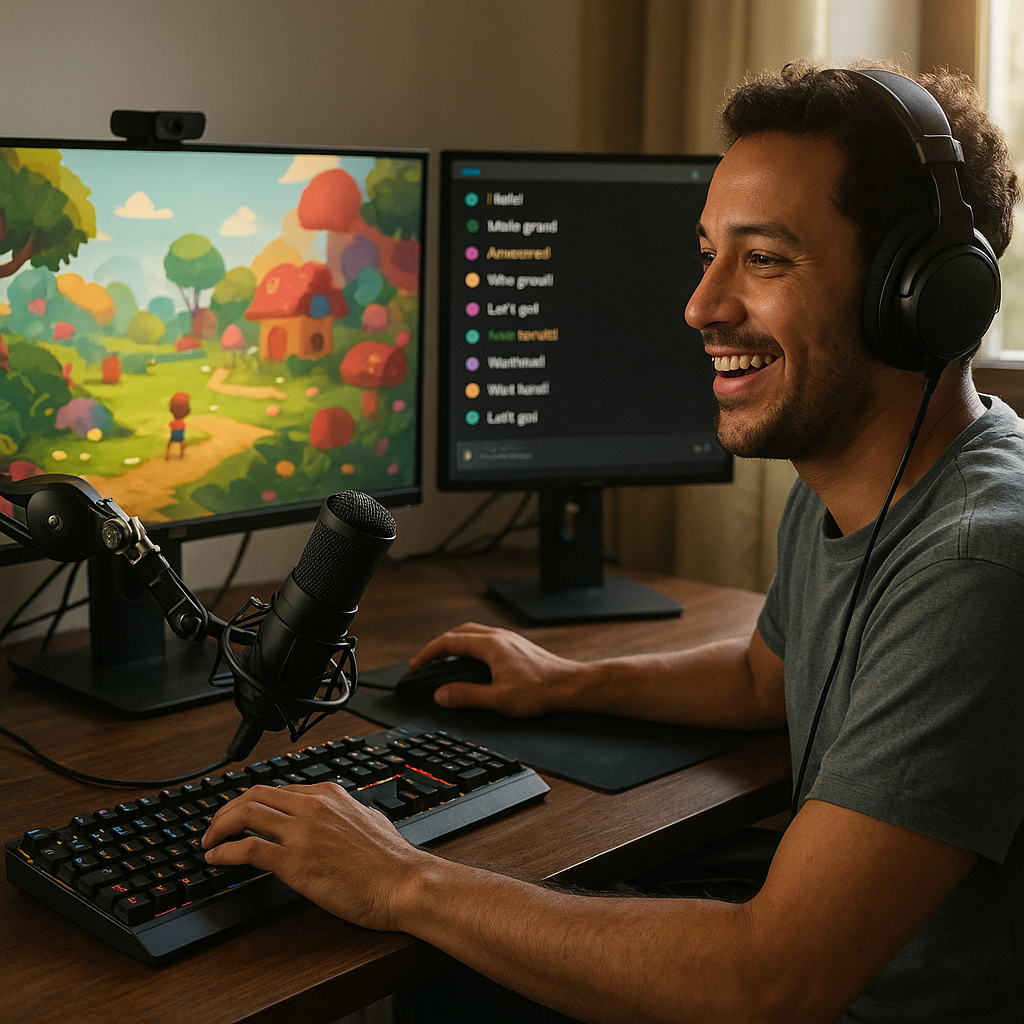
Indie games that went viral thanks to streaming FAQs
How do indie games usually get noticed by streamers?
Indie games tend to reach streamers through a mix of word of mouth, small creator discovery, and sheer luck. Developers often send keys to a wide range of channels, but many success stories start when a mid-sized creator finds a game organically on a store page and gives it a try on stream. If chat responds strongly, other creators quickly follow, and the visibility snowballs from there.
Do viral moments actually help indie developers long term?
A viral moment can dramatically change things for an indie team. It can fund future projects, attract publishers, and grow a dedicated community. However, the impact depends on how prepared the developers are. Those who can quickly patch issues, communicate clearly and manage expectations are more likely to turn a brief surge of interest into lasting support.
Why do some viral indie games fade so quickly?
Many viral indie titles are built around a single strong idea or surprise, which naturally loses impact after a few weeks of heavy streaming. Once viewers have seen the main twists or funniest moments, attention moves on. That does not mean the game failed – it simply means it had an intense, short peak. Some players stick around quietly afterwards, forming a smaller but loyal fanbase.