
There is a new kind of online star quietly shaping what we watch and what we make at home: woodworking content creators. From tiny shed workshops to polished studio spaces, these makers are turning sawdust into storytelling and giving millions of viewers the confidence to pick up a tool for the first time.

Why woodworking content creators are suddenly everywhere
Short video platforms and long form tutorials have created the perfect stage for woodworking content creators. Viewers love the mix of calm, satisfying visuals and real, practical knowledge. In a world filled with digital noise, watching someone turn a rough plank into a finished piece feels almost meditative.
There is also a strong appeal in seeing real people, not big brands, making things with their own hands. The camera catches the mistakes as well as the wins, and that honesty makes the finished projects feel achievable rather than intimidating.
From hobbyists to full time makers
Many of today’s most popular woodworking content creators started as weekend hobbyists filming on their phones. Over time, their audiences grew, and so did their ambition. Some now run full time channels, sell plans, host online classes, or collaborate with tool manufacturers and timber suppliers.
This shift matters because it is changing how skills are passed on. Instead of learning only from local night classes or family members, a new generation is learning joinery, finishing and design from people they follow online. It is a modern twist on the old apprentice system, except the workshop is global and always open.
The projects people cannot stop watching
Certain types of projects perform especially well in this space. Time lapse builds of dining tables, desks, and garden furniture are endlessly watchable, as rough timber transforms into smooth, oiled surfaces. Restoration videos, where damaged or discarded pieces get a second life, tap into the growing interest in sustainability and upcycling.
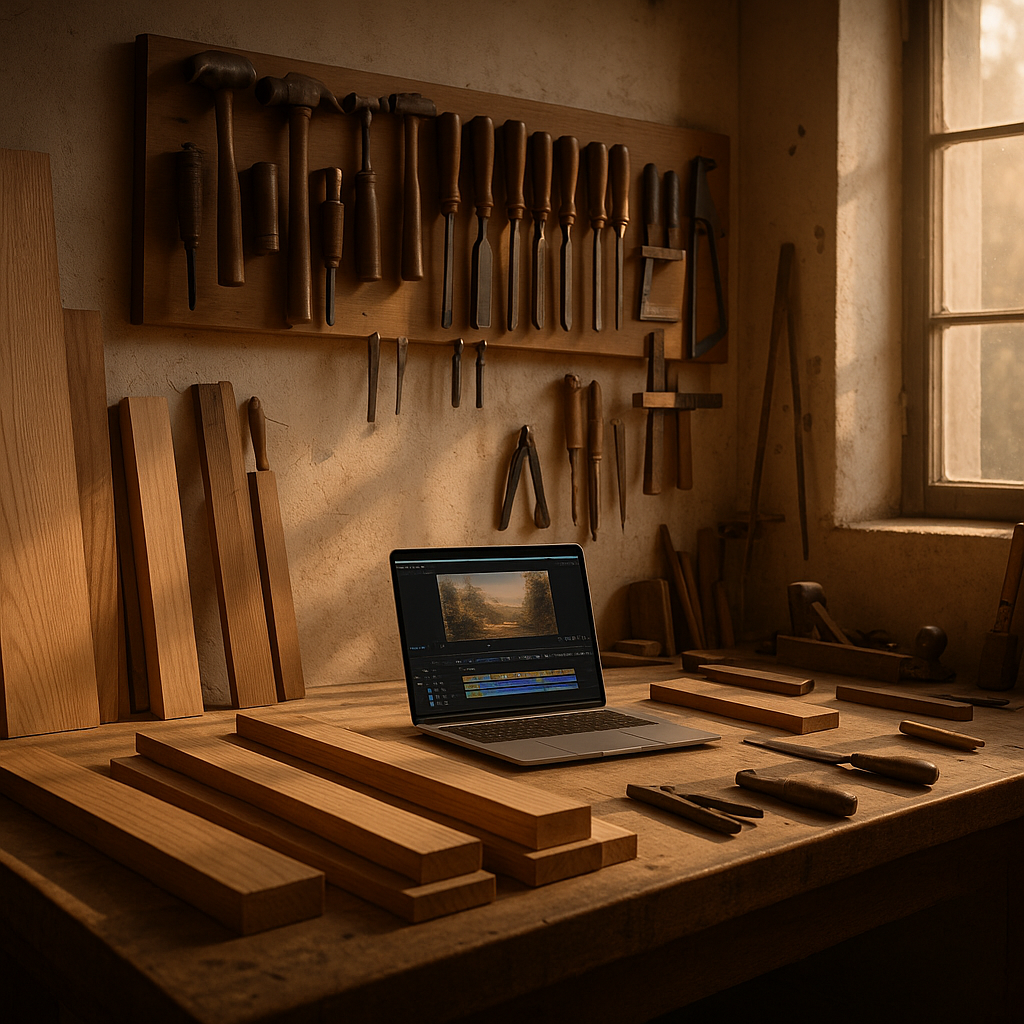
There is also a rise in hybrid projects that blend traditional hand tools with modern kit like cnc machines. Viewers enjoy seeing how heritage techniques can sit alongside cutting edge equipment, even if their own setup is far more modest.
How creators inspire beginners to pick up tools
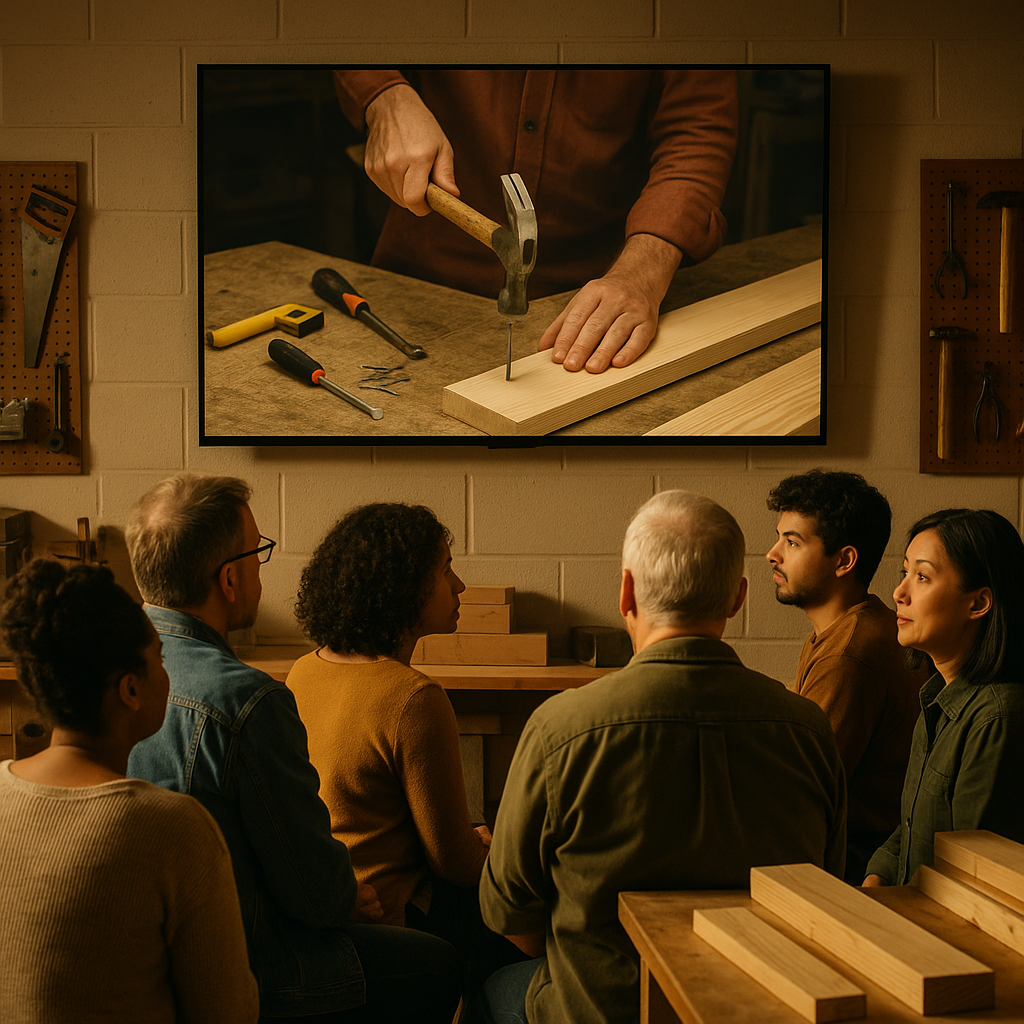
Perhaps the most important impact of woodworking content creators is the way they lower the barrier to entry. Many share beginner friendly series that start with simple projects like shelves, planters, or small storage boxes. They break down each step, show close ups of tool use, and talk openly about safety and common mistakes.
Crucially, they also talk about the emotional side of making things: the satisfaction of solving a tricky joint, the calm focus of sanding and finishing, and the pride of using something you built yourself. For viewers who spend most of their day at a screen, this is a powerful invitation to try a more hands on hobby.
The future of woodworking in the spotlight
As audiences grow, so do the possibilities. We are already seeing collaborations between woodworking content creators and other crafts, such as metalworking, upholstery, and even digital design. That cross pollination leads to more ambitious builds and fresh ideas that keep viewers coming back.
There is also a growing appetite for longer, more reflective content: workshop tours, behind the scenes planning, and honest conversations about burnout, creativity, and the realities of turning a passion into a livelihood. The best creators are not just demonstrating techniques – they are building communities of curious, supportive makers around the world.
Giving makers their 15 minutes of fame
In a culture that often celebrates quick consumption, woodworking content creators deserve their own 15 minutes of fame for doing something very different. They slow us down, invite us to notice grain patterns and clean lines, and remind us that beauty can come from patience and practice.
Whether you are a seasoned maker or simply someone who enjoys watching a rough board become a finished piece, this wave of creators is shaping how we think about craft, skill, and the value of time well spent. Their videos might be short, but their impact on how we learn and create is likely to last far longer than fifteen minutes.
Woodworking content creators FAQs
How do woodworking content creators make money?
Many woodworking content creators earn income from a mix of sources, including advertising on their videos, sponsorships from tool or material brands, selling digital plans, offering online courses, and sometimes taking on commissioned builds. Some also sell merchandise or small batch handmade pieces to their most dedicated followers.
What tools do I need to follow along with most woodworking content creators?
You do not need a fully equipped workshop to get started. Many woodworking content creators design beginner projects around basic tools such as a drill, a circular saw or handsaw, clamps, a sander, and simple measuring equipment. As your skills and interest grow, you can gradually add larger tools based on the types of projects you enjoy most.
Can watching woodworking content creators really teach me proper technique?
Online videos can be a very effective way to learn techniques, especially when creators use close ups, slow motion, and clear explanations. However, it is important to cross check safety advice, start with simple projects, and practice on scrap material before attempting complex builds. Combining video learning with good reference books or local classes can give you the most rounded skill set.