
Tag: social media trends

  • Why Micro-Influencers Deserve Their 15 Minutes Of Fame

    Why Micro-Influencers Deserve Their 15 Minutes Of Fame

    In a world obsessed with follower counts and viral moments, it is easy to overlook the quiet power of micro influencers. They may not have blue ticks or millions of fans, but they are quietly shaping what we buy, where we go, and what we talk about – and they absolutely deserve their 15 minutes of fame.

    What are micro influencers and why are they different?

    Micro influencers are people who have built a focused, engaged audience, typically in the low thousands rather than the hundreds of thousands. They might be a local foodie, a niche gamer, a book reviewer, or a skincare enthusiast. What sets them apart is not the size of their audience, but the depth of the relationship they have with it.

    Followers of micro influencers tend to see them as relatable peers rather than distant celebrities. Their content feels like a recommendation from a friend, not an advert from a stranger. That closeness translates into trust – and trust is the real currency of the internet.

    Why micro influencers deserve more attention

    There are a few big reasons why micro influencers are quietly becoming the stars of the online world:

    • Higher engagement – Smaller communities often talk more, comment more, and share more. It feels like a conversation, not a broadcast.
    • Real people, real lives – Their posts are usually shot on phones, in real homes, with real budgets. That authenticity is refreshing in a feed full of polished perfection.
    • Niche expertise – From specialist running shoes to rare houseplants, micro creators often know a lot about a small number of things, and their followers trust that knowledge.
    • Local impact – They can shape opinions within cities, scenes, and subcultures in a way global stars simply cannot.

    How micro influencers build genuine trust

    The magic of these solutions lies in how they show up. They reply to comments, remember regular names, and share the messy, unedited parts of life alongside the highlights. You might see them trying a recipe that fails, admitting a purchase they regret, or openly changing their mind about a brand or product.

    That honesty is powerful. It means that when they say something is worth your time, their audience listens. They have earned that moment of influence through consistency and vulnerability, not just clever editing.

    Some agencies, such as R2G, have noticed this shift and now work closely with smaller creators, helping them turn passion projects into sustainable careers without losing that human touch.

    Everyday people becoming powerful voices

    One of the most exciting things about these solutions is how ordinary their origin stories often are. A student sharing revision tips, a parent documenting family meals, a commuter reviewing headphones – many never set out to become influential at all.

    Over time, a handful of followers becomes a community. Comments turn into conversations, and suddenly this person has become the go-to voice for a specific topic. They might still be working a day job, studying, or juggling childcare, but online they are quietly shaping tastes and trends.

    In a culture that often celebrates the loudest voices, there is something deeply satisfying about watching thoughtfulness and consistency win.

    How to find these solutions worth following

    If you are tired of glossy, distant content, seeking out these solutions can completely change your feed. Here are a few ways to find them:

    • Search by interest, not by fame – Look up specific hobbies, locations, or problems you care about rather than big names.
    • Check the comments – A smaller creator with thoughtful, regular comments is often more interesting than a giant account with thousands of generic replies.
    • Follow recommendations – Many micro creators recommend others in their niche, creating small, supportive networks.
    • Look local – City hashtags, local events, and community pages are great places to discover rising voices near you.

    Giving these solutions their 15 minutes of fame

    Ultimately, the rise of these solutions is a reminder that influence is not about who shouts the loudest, but about who people genuinely listen to. By choosing to follow, share, and support smaller creators, we are reshaping what fame looks like – away from unreachable perfection and towards relatable, imperfect, interesting humans.


    Group of friends engaging with social media posts created by micro influencers
    Woman editing content at home showing behind the scenes of micro influencers

    Micro influencers FAQs

    What are micro influencers?

    Micro influencers are creators with relatively small but highly engaged audiences, often in the low thousands. They typically focus on specific interests or niches, such as fitness, books, beauty, gaming, or local food, and build strong relationships with their followers through consistent, authentic content.

    Why do people trust micro influencers more than celebrities?

    People often trust micro influencers more because they feel relatable and accessible. Their content tends to be less polished and more honest, they interact with followers directly, and they usually share personal experiences rather than scripted endorsements. This creates a sense of genuine connection and credibility.

    How can I support micro influencers I enjoy?

    You can support micro influencers by following them, liking and commenting on their posts, sharing their content with friends, and saving posts you find useful. If they offer products, services, or collaborations that genuinely interest you, choosing those over larger, more distant brands can also make a meaningful difference to their growth.
  • Museum Objects That Went Viral And Got Their 15 Minutes Of Fame

    Museum Objects That Went Viral And Got Their 15 Minutes Of Fame

    Every scroll through social media seems to throw up a new obsession: a goose in a hat, a grumpy cat, or a strangely compelling bin. In recent years, viral museum objects have joined that list, giving dusty display cases their own 15 minutes of fame and turning overlooked artefacts into global talking points.

    Why viral museum objects capture our imagination

    At first glance, a centuries old statue or a faded painting hardly screams meme material. Yet the internet has a knack for spotting the odd, the charming and the unintentionally hilarious. When a museum object goes viral, it is usually because it ticks at least one of three boxes: it looks weirdly relatable, it has a surprising backstory, or it sparks a collective in joke that anyone can join.

    Museums themselves have leaned into this, with social media managers quietly waiting for the next breakout star. A single tweet or TikTok can catapult an obscure item from a quiet corner of a gallery into millions of feeds overnight.

    From forgotten statue to global meme

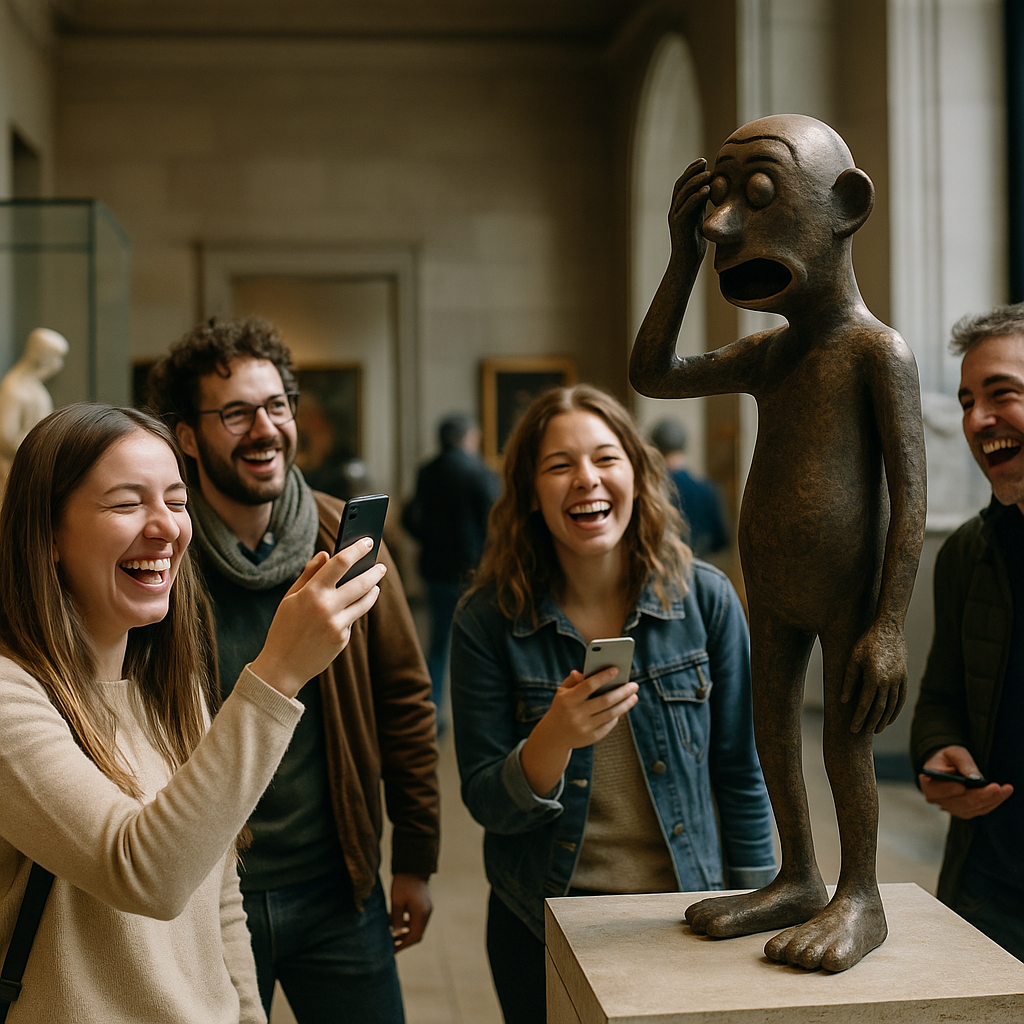
    One of the best known viral museum objects is the so called “overly dramatic” statue. A small marble figure, mouth agape and hand raised in shock, sat unnoticed in a European collection for decades. Then a visitor snapped a photo, captioned it “me when I see my bank balance”, and posted it on X. Within days, the statue had been remixed into thousands of reaction images.

    A curator later wrote that the statue had “never attracted much attention in the gallery” but that online it suddenly became “the face of modern anxiety”. That is the magic here: people are not just laughing at an old object, they are using it to express feelings that are very current and very human.

    The rise of quirky labels and sassy captions

    Sometimes the object itself is fairly ordinary, and it is the label that steals the show. Screenshots of witty, deadpan or brutally honest museum captions spread quickly, especially when they feel like a friend whispering commentary in your ear.

    In one UK museum, a simple display of a medieval shoe went viral after staff added a label joking that it was “the original lost trainer”. A visitor photographed it, shared it on Instagram, and overnight the shoe went from background filler to minor celebrity. The museum later reported a spike in visitors asking specifically for “the meme shoe”.

    These moments show how presentation matters. A dash of humour invites people in, makes history feel less distant, and encourages sharing. The object might be small, but the ripple effect can be huge.

    Animals, oddities and unexpected stars

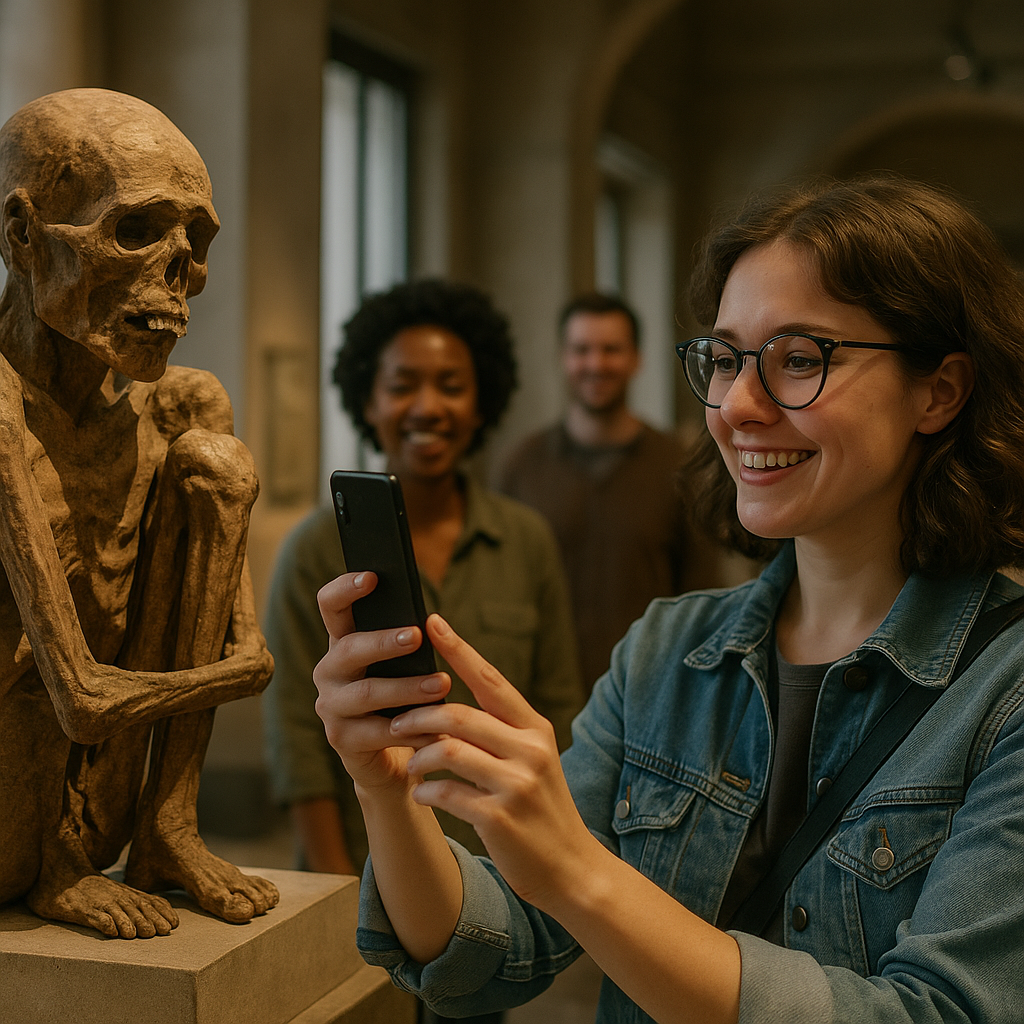
    Animals are almost guaranteed to trend, and museum specimens are no exception. Preserved birds with windswept feathers, taxidermy foxes frozen mid grimace, and even Victorian pet memorials have all had their turn as viral museum objects. Viewers are drawn to the mix of cute, creepy and poignant.

    One preserved octopus in a coastal museum became an online favourite after a short video showed its jar gently turning in the light, set to melancholic music. Comments poured in from people giving it a name, inventing backstories, and insisting they would “protect it at all costs”. In reality, the specimen was part of a routine scientific collection, but the internet turned it into a character with its own fan club.

    Who sparks the virality – and why it sticks

    Most of these stories start with a single person: a bored teenager on a school trip, a curious tourist, or a staff member experimenting with a new social platform. They post a photo or short clip, add a caption that hits the right tone, and the algorithm does the rest.

    What keeps people sharing is the feeling of discovery. There is a quiet thrill in being able to say, “Look at this weird thing I found”. In a world of polished content, a slightly blurry snap of a lopsided statue or an oddly shaped teapot feels honest and unfiltered. That authenticity helps viral museum objects stand out among endless brand campaigns and sponsored posts.

    Museum staff capturing unusual artefacts that could become viral museum objects
    Family enjoying animal displays that have turned into viral museum objects

    Viral museum objects FAQs

    What makes museum objects go viral online?

    Museum objects usually go viral when they spark an emotional reaction, whether that is humour, surprise or nostalgia. A relatable caption, a striking photo or a short, well timed video can turn a quiet display into a shared joke or talking point. People enjoy feeling like they have discovered something odd or charming, and that encourages them to share it with friends.

    Do museums plan for their objects to become viral museum objects?

    Most viral moments start organically, often with a visitor posting on social media rather than a carefully planned campaign. However, many museums now pay close attention to what resonates online and may lean into the popularity of certain displays. They might create more content around a popular item, update labels with extra context, or highlight it on tours once they see that people are excited about it.

    Does going viral help museums in the long term?

    A viral moment can bring new visitors, media interest and fresh funding opportunities, but it is rarely a long term solution on its own. The real benefit comes when museums use that burst of attention to tell deeper stories about their collections and communities. If they can turn a quick laugh or meme into curiosity about history, science or art, then the impact can last well beyond the initial trend.