

The idea that you need a million followers to make a meaningful living from content creation is, frankly, outdated. Across the UK, a quiet revolution is happening in living rooms, allotments, craft studios, and tiny home recording booths. People with audiences in the hundreds or low thousands are building real incomes, launching businesses, and creating genuine cultural moments. These are the micro-celebrity success stories nobody’s writing songs about yet, but they probably should be.
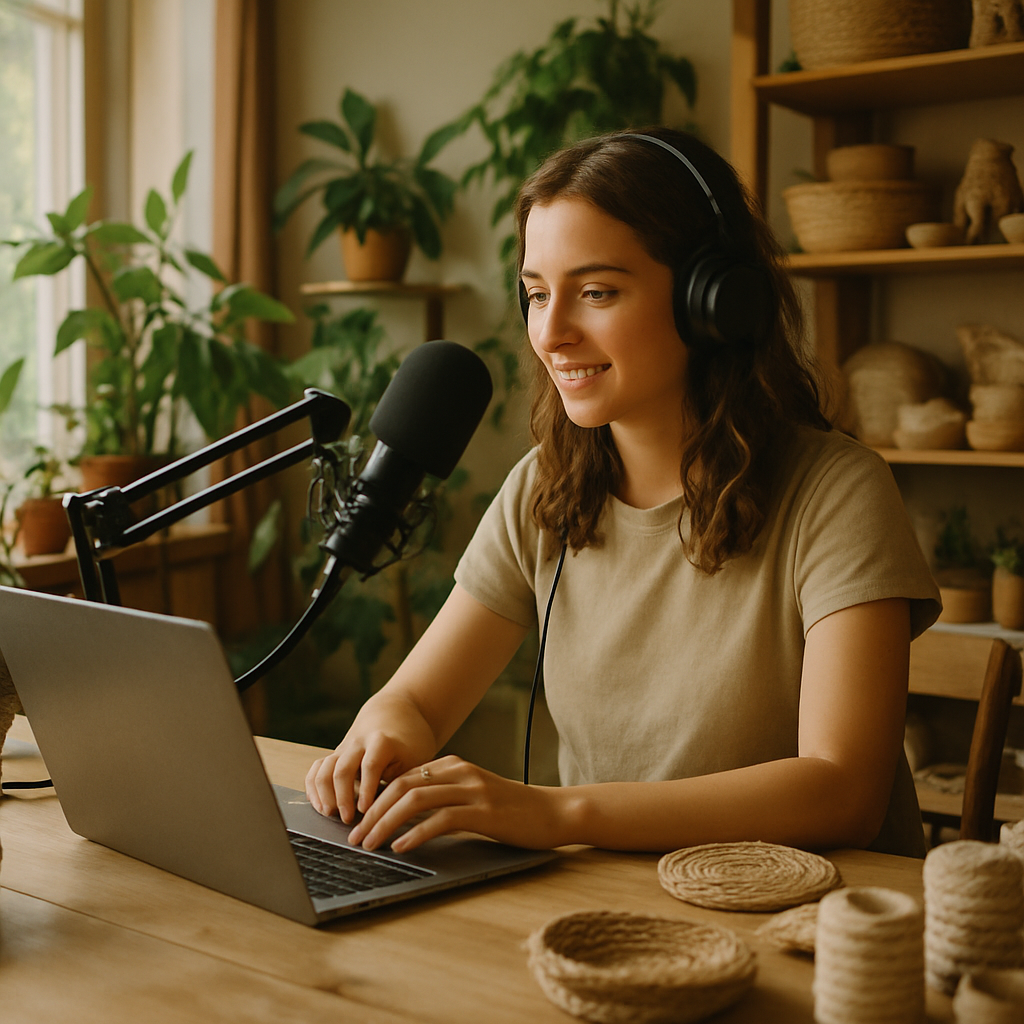
The concept of “1,000 true fans” was first articulated by the technologist Kevin Kelly back in 2008, and it’s aged remarkably well. The premise is simple: if 1,000 people care enough about what you do to spend around £80 a year on your work, that’s £80,000. Before tax, yes, but the maths is hard to argue with. In 2026, that model isn’t just theoretical. It’s the business plan for thousands of UK creators who’ve quietly stopped chasing virality and started building something sturdier.
What Makes a Micro-Celebrity Different?
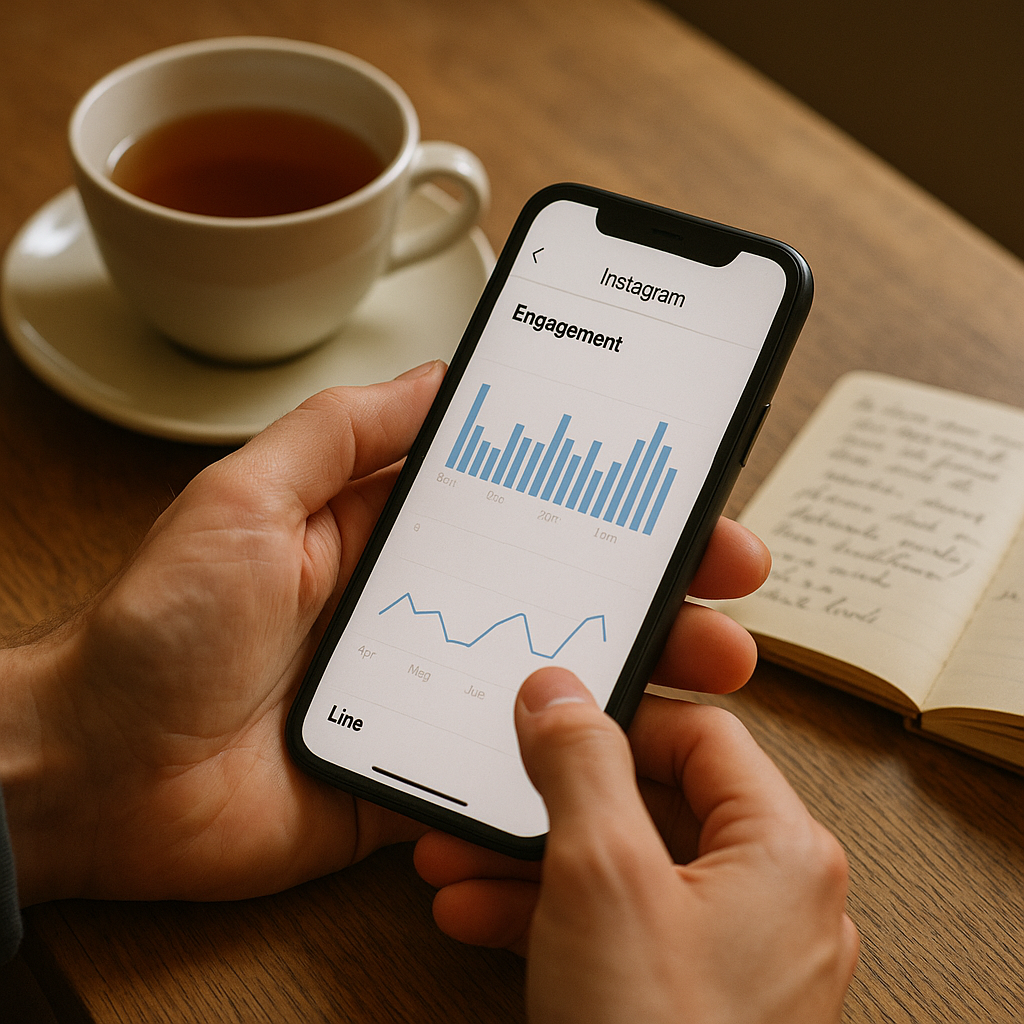
A micro-celebrity typically has between 1,000 and 100,000 followers on one or more platforms, but the number alone misses the point. What sets them apart is engagement. Their audiences don’t just scroll past; they reply, share, buy, and show up in person. According to ONS data, self-employment in creative industries has risen steadily, and a significant chunk of that growth is driven by people monetising niche expertise online. The micro-celebrity isn’t famous in the traditional sense. They’re famous to exactly the right people.
Compare that to a mainstream influencer with half a million followers and a 0.3% engagement rate, and suddenly the person with 4,000 devoted subscribers to their canal boat renovation newsletter looks like the smarter business operator. Authenticity is the currency here, and smaller creators tend to have more of it.
Real UK Micro-Celebrity Success Stories Worth Knowing
The Allotment Grower Who Became a Community Anchor
Sarah from Wolverhampton started posting short videos of her allotment in 2023. Nothing fancy; just honest footage of what’s growing, what’s failed, and the occasional slug crisis. By early 2026, she had around 12,000 followers on Instagram and a YouTube channel that ticks over nicely. She now sells seed collections, runs paid weekend workshops, and was commissioned by her local council to consult on a community growing project. Her income from the allotment content comfortably covers her rent. She told her local paper she never expected it to go anywhere. That’s almost always how these things start.
The Independent Knitwear Designer Building a Micro-Empire
James, based in Edinburgh, designs knitwear patterns. Not fashion week stuff; practical, beautifully constructed patterns for experienced knitters who want a challenge. His Patreon has just over 900 subscribers paying £6 a month, plus a Ravelry shop that generates a steady stream of one-off pattern sales. He also runs occasional in-person retreats in the Scottish Highlands that sell out within hours of announcement. His total following across platforms sits below 20,000. His income is comfortable, consistent, and entirely on his own terms. That’s one of the most quietly compelling micro-celebrity success stories in the UK crafting world right now.
The Former Nurse Turned Mental Health Podcaster
After leaving the NHS following a difficult period with burnout, a woman from Bristol launched a podcast about mental health in the workplace specifically aimed at healthcare professionals. She didn’t chase a broad audience. She went narrow and deep. Two years in, her podcast gets around 8,000 downloads per episode, she has a small Substack with paying subscribers, and she’s been invited to speak at NHS trust events and conferences. Organisations pay her to consult on staff wellbeing. She built a second career from a devoted audience most mainstream creators would consider embarrassingly small.
Why Small Audiences Are Increasingly More Valuable
Brands have started to catch on. Micro-influencers consistently outperform mega-influencers on conversion rates, and UK marketing agencies have shifted budget accordingly. A skincare brand selling products for £30 would rather work with a creator whose 6,000 followers trust every word they say than spend the same money on a sponsored post that disappears into a larger, more distracted feed. The commercial logic is increasingly on the side of the small creator.
This shift also matters for creators themselves. Working with brands that genuinely match your audience feels different from chasing sponsorship deals that compromise your integrity. Micro-celebrities can afford to be picky. They can say no to the deals that don’t fit, because their income tends to be diversified: merchandise, memberships, workshops, consulting, speaking, licensing. No single revenue stream dominates, and that makes the whole operation resilient.
How to Start Building Your Own Devoted Audience
If you’re thinking about carving out your own corner of the internet, a few things genuinely matter more than others.
Pick a lane that’s genuinely yours. The more specific, the better. Not “fitness” but “fitness for women in their 50s with dodgy knees living in rural areas.” The narrower the niche, the less competition and the more people feel you’re speaking directly to them.
Show up consistently, not constantly. One excellent piece of content per week beats seven mediocre ones. Audiences build loyalty through reliability, not volume.
Create a home base you own. A platform can change its algorithm overnight. Build an email list from day one. Your subscribers are yours in a way your followers never quite are.
Think about monetisation from the start. Not obsessively, but practically. What could you sell to 500 people who really love your work? A digital guide, a workshop, a membership community? Knowing the answer shapes how you create content.
Engage like a human being. Reply to comments. Remember names. Ask questions. The intimacy of a small audience is an asset, not a limitation. Use it.
The Longer Game
What’s striking about the best micro-celebrity success stories is how unhurried they tend to be. These aren’t overnight viral moments. They’re slow builds, compounding over months and years, shaped by genuine expertise and a real relationship with a community. In some ways, they represent the healthier end of the fame spectrum; impact without the chaos, recognition without the overexposure.
You don’t need the whole country to know your name. You need the right few thousand people to genuinely care about what you do. That’s not a consolation prize. That’s actually the dream.
Frequently Asked Questions
How many followers do you need to be considered a micro-celebrity?
Most definitions place micro-celebrities in the 1,000 to 100,000 follower range, though the exact number matters less than engagement quality. A creator with 5,000 highly engaged followers is generally more influential, and more commercially valuable, than one with 50,000 passive ones.
Can you actually earn a full-time income as a micro-influencer in the UK?
Yes, many UK creators do. Income typically comes from a mix of brand partnerships, digital products, memberships, workshops, and speaking engagements rather than a single source. A diversified approach makes it more sustainable than relying on ad revenue alone.
What niches work best for building a devoted small audience?
Highly specific niches tend to work best because they attract people who feel truly understood. Examples include heritage craft techniques, niche sports, specific health conditions, regional history, and professional communities like teachers or tradespeople. The more precise, the more loyal the audience.
How long does it typically take to build a 1,000 true fan audience?
For most creators posting consistently in a defined niche, reaching a genuinely engaged audience of 1,000 takes between one and three years. Growth accelerates once early community members begin sharing your work organically, so early patience is important.
What platforms are best for micro-celebrities in the UK right now?
It depends on your content type, but YouTube, Substack, Patreon, and Instagram remain strong in 2026 for UK creators. Many successful micro-celebrities use a combination: a social platform for discovery and an email list or membership platform for direct, owned relationships with their most devoted followers.
Leave a Reply