In a world of endless scrolling and short attention spans, micro podcasts are quietly becoming the next big thing. Instead of hour long interviews and sprawling chat shows, listeners are turning to bite sized audio that fits neatly into a lunch break, a dog walk or, fittingly, a 15 minute window of fame.

What are micro podcasts?
At their simplest, micro podcasts are short audio episodes, usually between 5 and 20 minutes long, focused on a single idea or story. They strip away the filler and get straight to the point. That could be a quick news breakdown, a compact true crime update, a daily mindfulness session, or one sharp business tip you can act on immediately.
Unlike traditional shows that expect you to commit for an hour, micro podcasts respect that you might only have a sliver of time. They are designed to be finished in one go, leaving you with a clear takeaway rather than half remembered chatter.
Why micro podcasts are suddenly everywhere
Several trends have collided to make micro podcasts feel perfectly timed. People are consuming more content than ever, but they are doing it in smaller bursts between other tasks. Shorter episodes slot neatly into commutes, chores and gym sessions without demanding a full schedule reshuffle.
Creators love them too. Recording and editing a focused 10 minute episode is far less intimidating than producing a polished, hour long show with multiple guests. It lowers the barrier to entry, which means more voices, more experiments and more niche topics can find an audience.
There is also a subtle psychological shift. Finishing something feels good. Listeners can complete several micro episodes in a day, which creates a sense of progress and momentum that long form content often struggles to match.
How tools like HealthPod are fuelling the trend
Technology is giving micro podcasts an extra push. Smartphone recording apps, simple editing tools and one click publishing platforms have made it easy for anyone to start broadcasting from their bedroom or office. Services such as HealthPod, for example, lean into shorter, focused audio updates that make health information feel less overwhelming and more like a quick check in.
When platforms are built around clarity and brevity, creators naturally start thinking in segments rather than sagas. That is ideal for listeners who want reliable information or entertainment, but do not have the time or energy for a marathon episode every day.
Why these solutions deserve their 15 minutes of fame
Beyond convenience, these solutions have a few qualities that make them especially interesting right now. They are perfect for spotlighting under represented stories or niche passions that might not sustain a sprawling series, but absolutely shine in short, concentrated bursts.
They also encourage better editing. When you only have 10 minutes, every sentence has to earn its place. That often leads to sharper storytelling, clearer arguments and fewer tangents. For listeners, that means more value in less time.
For brands, charities and community groups, micro episodes can act like audio postcards – quick, memorable updates that keep people engaged without overwhelming them. For individuals, they offer a low pressure way to test ideas, share experiences or build a personal platform without committing to a full scale production.
How to start your own micro podcast
If you feel like your idea deserves its own 15 minutes of fame, starting a micro podcast is more achievable than it might seem. Begin by choosing a tight focus: one problem you solve, one niche you love, or one story format you can repeat. A short show works best when listeners know exactly what they are getting each time.
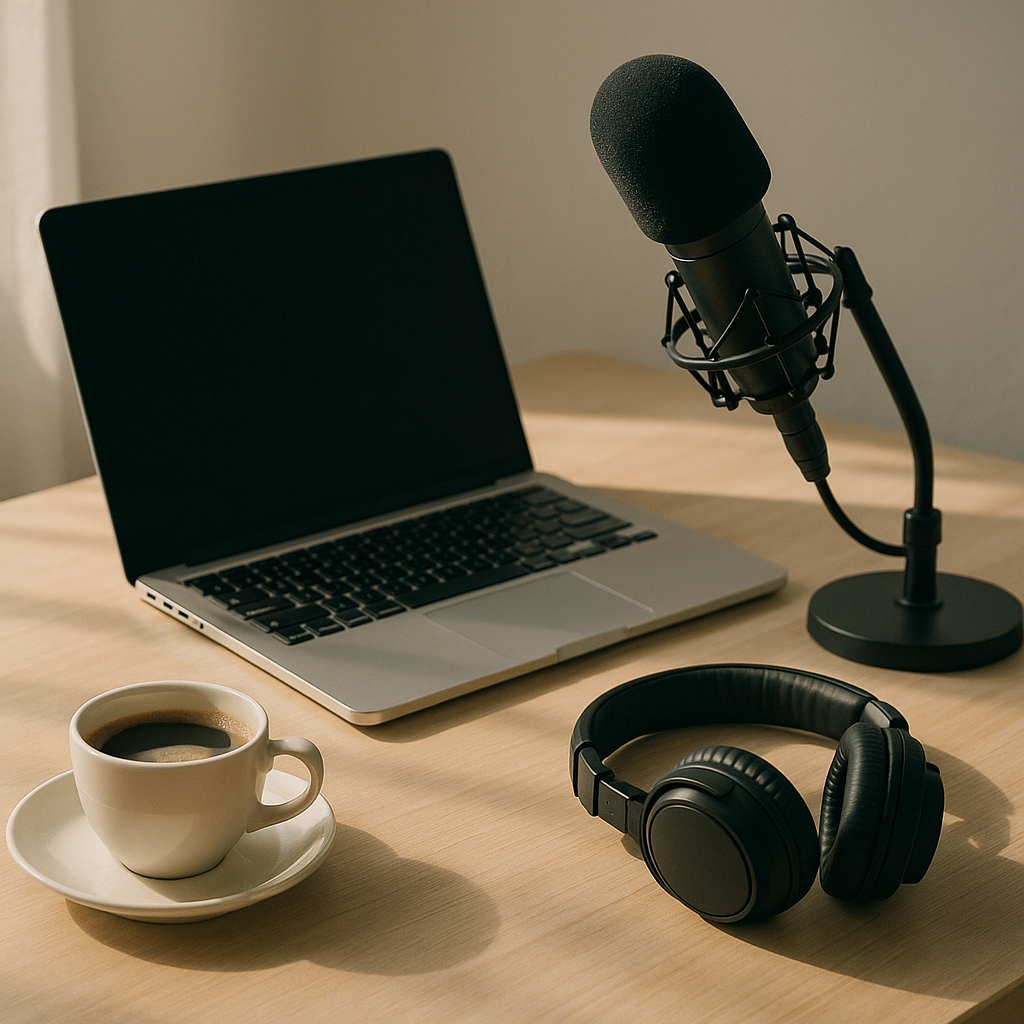
Next, plan a simple structure. For example: a 30 second intro, 8 minutes of content, and a 1 minute wrap up. Record using a decent microphone or even a modern smartphone in a quiet room. Basic editing software can trim mistakes and tidy up the sound without needing studio level skills.
Most importantly, commit to consistency rather than perfection. A regular stream of short, honest episodes will almost always beat one immaculate, over produced special that never gets finished.
Micro podcasts FAQs
How long should micro podcasts be?
Most micro podcasts run between 5 and 20 minutes. The sweet spot is usually around 10 to 15 minutes, long enough to explore a single idea properly but short enough to finish in one sitting. The key is to choose a length you can maintain consistently while still delivering clear value in every episode.
Do I need professional equipment to start micro podcasts?
You do not need studio level gear to start micro podcasts. A quiet room, a reasonably good USB microphone or modern smartphone, and simple editing software are usually enough. Focus first on clear audio and a strong concept. You can always upgrade equipment later if your show grows.
Can micro podcasts make money?
Yes, micro podcasts can be monetised through sponsorships, listener support, paid memberships or by promoting your own products and services. Because episodes are short, any promotional messages need to be brief and relevant. Most successful shows focus on building a loyal, engaged audience before worrying about income.