

There is a moment in every good bingo session when the caller stops being a person reading numbers and becomes something closer to a stand-up comedian with a microphone and a drum full of balls. The room laughs, someone groans at “two fat ladies”, a pensioner in the third row shouts something unrepeatable, and the caller, quick as anything, fires something straight back. I’ve sat in enough Mecca and Gala halls over the years to know that the best bingo callers are genuinely gifted performers. Britain is only just catching up to that idea.
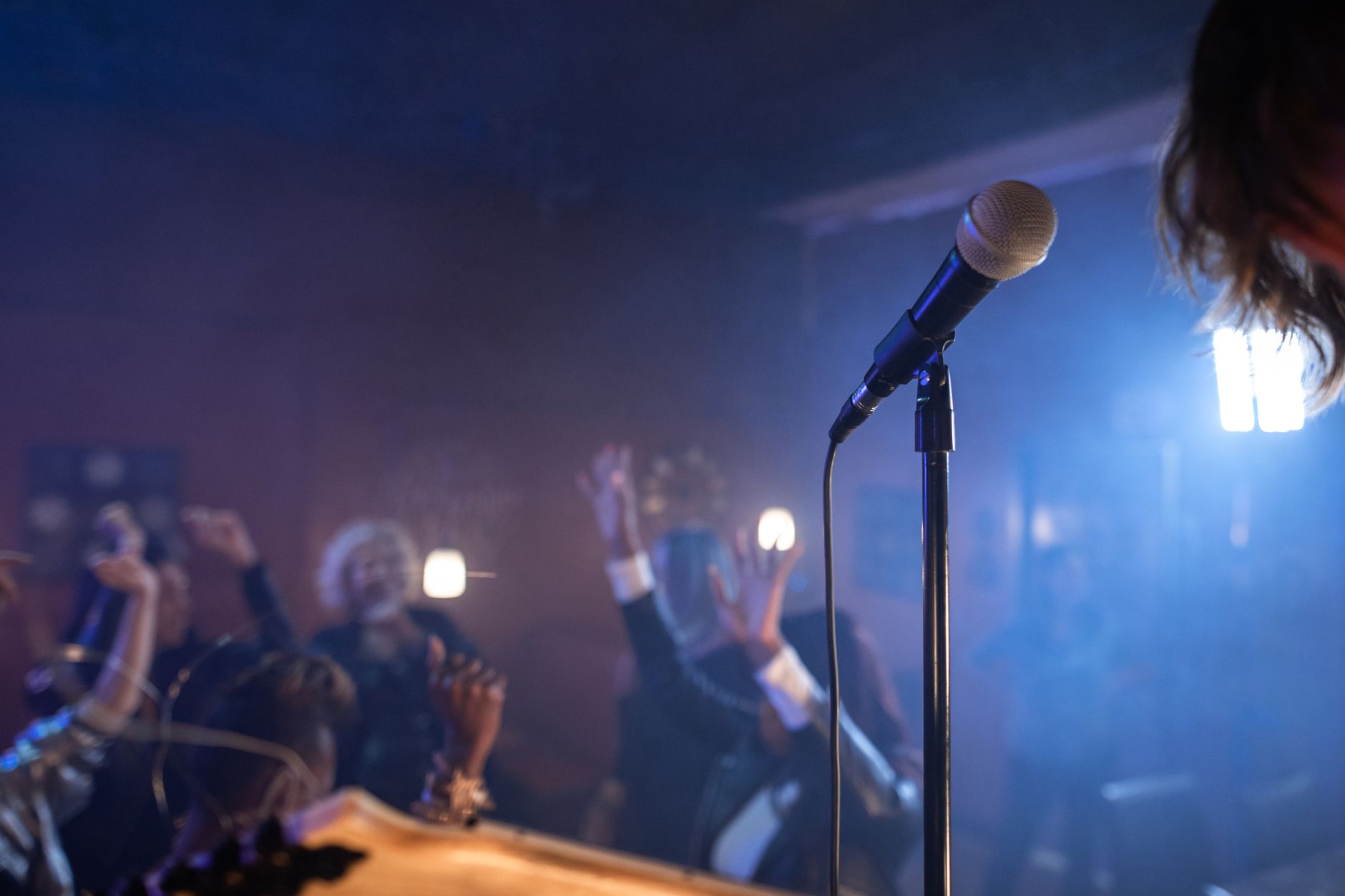
Right now, short clips of bingo callers doing exactly that kind of rapid-fire crowd-work are pulling hundreds of thousands of views on TikTok and Instagram Reels. A caller in Sunderland ad-libbing around a disgruntled winner. A Swansea hall erupting because someone misheard “two and three, twenty-three” as something considerably more colourful. These moments have always happened. The difference now is that someone in the audience has a mobile phone pointed at the stage, and the whole country gets to see it by Tuesday morning.
Why the bingo caller UK viral fame moment is happening right now
Bingo as an industry had a rough decade. The Gambling Act 2005 changed licensing conditions, the smoking ban hit footfall hard, and a wave of hall closures followed. By the mid-2010s, bingo had acquired an unfair reputation as something your nan did before she switched to Netflix. The BBC reported on the sector’s struggle repeatedly, and most commentators treated bingo as a curiosity rather than a living entertainment form.
Then something shifted. A younger generation, the same one that sent line dancing and darts back into fashion, started showing up at the halls ironically and stayed un-ironically. Operators like Mecca Bingo and Gala Bingo adapted fast, introducing bottomless brunch sessions, themed nights, and DJ sets between games. Footfall at major chains stabilised. And the callers, who had been quietly perfecting their craft for years in front of audiences that genuinely appreciated them, suddenly had a new crowd who had never heard a decent bingo patter in their lives and found it absolutely brilliant.
What actually makes a great bingo caller
I’d argue the skill is underestimated by almost everyone who hasn’t watched a professional do it for an hour. The cadence matters enormously. You need to deliver each number clearly enough that seventy people scanning multiple cards can find it and mark it, but fast enough that the session keeps energy. Meanwhile you’re reading the room, throwing in callbacks to something that happened three games ago, managing hecklers, and keeping the atmosphere loose without letting it turn chaotic.
The traditional calls help. “One and six, was she worth it, sixty-one” or “doctor’s orders, number nine” carry decades of comedic infrastructure behind them. A good caller uses them as a base and riffs. A great caller makes you feel like every call is being invented for your specific room on this specific Tuesday night in February. That is a performance skill that translates directly to short-form video, because the clips that land are always the ones where something unexpected happens and the caller catches it mid-sentence without missing a beat.
This isn’t so different from what’s happening in other corners of British entertainment. Station announcers who turned public address announcements into comedy found their audiences online in the same way: a skill that was always there, a platform that finally gave it reach.
The callers themselves: names worth knowing
I’m not going to pretend there’s a single household name yet, that’s partly what makes this story interesting. This is the pre-fame phase. Callers like Tony from the Mecca in Newcastle, who posts his best caller moments to a TikTok account that gained 40,000 followers in under six months, or Sharon from a Gala hall in Cardiff whose running commentary on slow daubers has become a staple in Welsh Facebook groups. These aren’t people who set out to be influencers. They’re entertainers who happen to be very good at their job, discovered that a phone camera was essentially a route directly to an audience that would understand them.
What strikes me, talking to regular bingo attendees, is that the callers have always had this fanbase. The loyal Tuesday-night crowd who come specifically because they love how a particular caller runs the room. Social media hasn’t created that devotion; it’s just let it spread. The same dynamic that turned court sketch artists into unexpected internet figures is at work here: a very specific, very British talent suddenly visible to people who had no idea it existed.
Bingo’s cultural renaissance and what it means for the halls
The timing could hardly be better for the industry. Mecca Bingo has reported increased footfall at several venues following social media activity around their events, and independent halls in places like Blackpool, Grimsby, and Stoke-on-Trent have leant into the entertainment angle explicitly, billing their callers by name on printed flyers and social posts in the way a comedy club would bill a headliner.
There’s a class element to this story that deserves acknowledging. Bingo has always been a working-class entertainment institution, and that was precisely why the cultural gatekeepers wrote it off. The current moment feels like a small vindication of something that never needed vindicating in the first place. The regulars knew it was brilliant. They just didn’t have a platform. Now the clips exist and the comments are full of people saying “I had no idea this was so funny”, which, honestly, says more about what those people had been watching than it does about bingo.
The hall-as-entertainment-venue model is also producing interesting secondary fame. The same appetite that’s driving people to seek out independent and characterful British experiences is bringing them to bingo sessions they’d have dismissed five years ago. A snowball jackpot night at a Mecca hall in Leeds draws the kind of mixed-age crowd you’d have said was impossible a decade back. The caller is the reason people come back.
Could a bingo caller become genuinely famous?
My honest read is: yes, and probably sooner than anyone in the industry expects. The mechanics are already there. A clip goes viral, the account gains followers, someone from a production company notices, and suddenly there’s a guest spot on a panel show or a presenting role on a late-night entertainment programme. The BBC and ITV have historically been very good at identifying this kind of specific-yet-universal British talent when it reaches a certain threshold of public awareness.
The callers themselves tend to be relaxed about the whole thing. The ones I’ve spoken to are focused on their Tuesday and Thursday night crowds first. Fame, if it comes, is a bonus. That attitude is part of what makes the short-form content so watchable, there’s no performance anxiety in front of the camera because the camera is just one more person in the room, and a good caller has been warming up rooms for years.
Britain has form for this. Fell runners and pub quiz champions found their audiences the same way. Bingo callers, with their timing, their crowd instinct, and their frankly fearless approach to a microphone, are simply the next in a long line of people who were quietly brilliant all along and are finally getting the recognition they deserve. About time, frankly.
Leave a Reply