

Calligraphy videos work because nothing in them is hurried, and that is the whole trick. A nib touches paper, a thin upstroke becomes a thick downstroke, and thirty seconds later there is a finished word. In a feed full of noise, that is rare, and Britain’s calligraphers have noticed.
The craft is split into two camps that look similar on screen but behave very differently. One is the hobbyist practising Copperplate at the kitchen table. The other is the professional lettering menus, invitations and shopfronts for paying clients. I’d argue the hobbyists often make the better videos, and the professionals build the better businesses. Here is how the two compare.
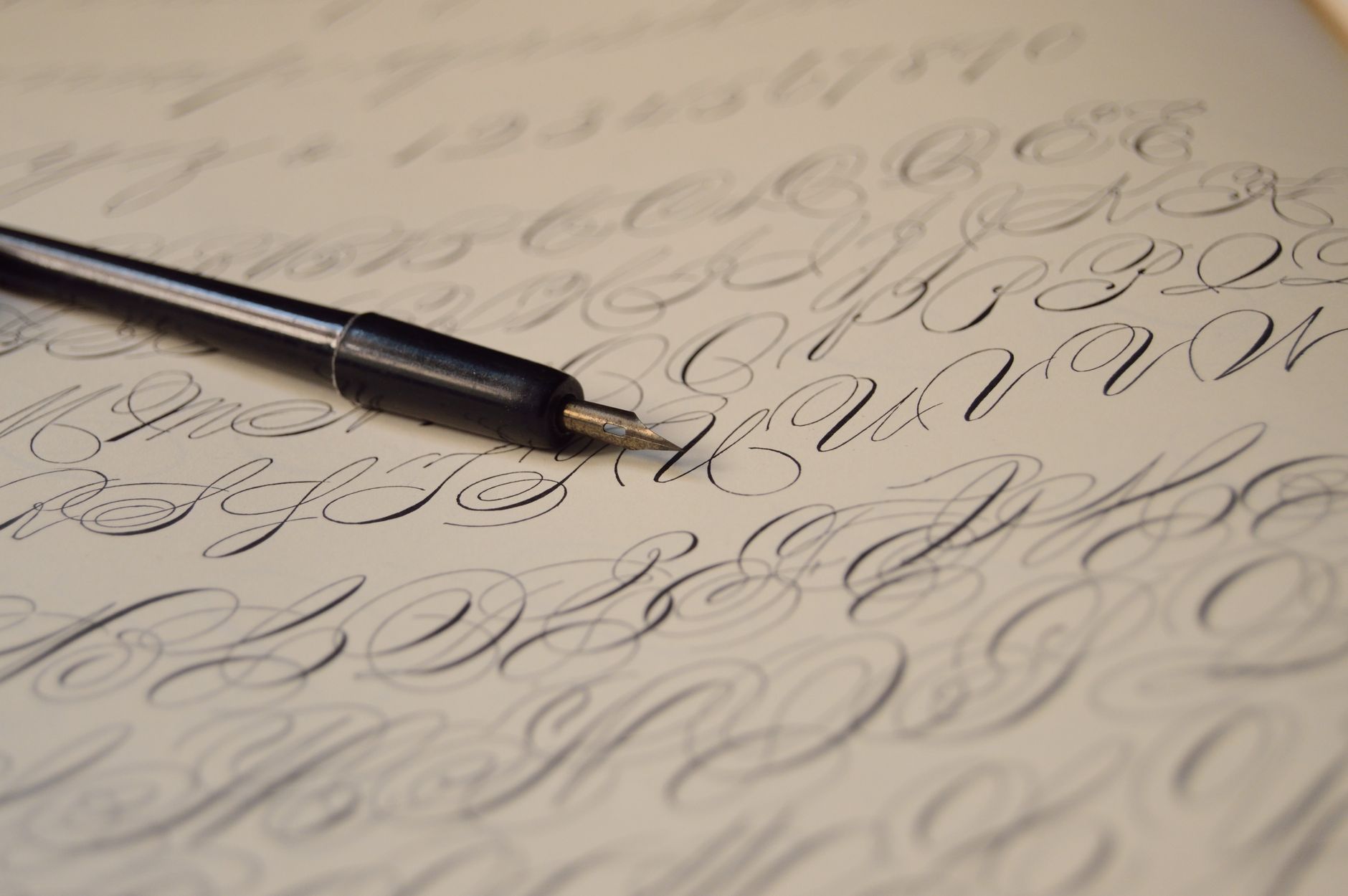
Why calligraphy videos suit short-form viewing
Calligraphy suits short video because the process is the entertainment. Viewers see ink flow, hear the scratch of a steel nib and watch a result appear in one unbroken take. There is no need for a script, a voiceover or a clever edit.
Copperplate, the formal script taught in England from the eighteenth century, is especially watchable. It is written with a flexible pointed nib held in an oblique pen holder, at a consistent slant, and it rewards close-up filming. A phone on a cheap tripod above the desk does most of the work. Light matters more than kit: a window on one side, no overhead glare on wet ink.
Hobbyists and professionals compared
The two routes differ in motive, pace and income. A hobbyist posts because practice is more fun with an audience. A professional posts because a good clip is a portfolio that sells itself.
| Factor | Hobbyist | Professional letterer |
|---|---|---|
| Main aim | Improve, share, meet other practitioners | Win commissions and workshop bookings |
| Typical content | Drills, practice sheets, mistakes, progress | Finished client work, menus, place cards, envelopes |
| Posting rhythm | Irregular, when the pen is out | Planned around jobs and seasons |
| Strength | Honesty and warmth, people root for improvement | Polish and trust, the work speaks for itself |
| Weakness | Little reward beyond likes | Clients’ work may be confidential or unfinished |
| Cost to start | A holder, a few nibs, ink and decent paper | The same, plus time, insurance and a way to be paid |
What the hobbyist route gives you
Hobbyists have the advantage of being relatable. Watching someone fight a stubborn capital letter is oddly compelling, and many viewers want to try it themselves. A Midlands terrace with a dining table and a desk lamp is all the studio you need.
The costs are low. A basic starter set of oblique holder, a few pointed nibs, ink and smooth paper such as Rhodia pads is cheap enough to try on a whim. Smooth paper matters, because a pointed nib catches on anything fibrous.
The catch is that hobby accounts can stall. Without a commercial goal, posting drifts. If you enjoy it, that is fine. Treat the audience as a bonus, not a target.
What the professional route gives you
Professional lettering is where a short clip turns into money. A restaurant owner scrolling past a time-lapse of a hand-lettered menu board can see the result before ever sending an enquiry. That is a better pitch than any brochure.
Menus, wedding stationery and shop signage all need a letterer who understands layout, spacing and legibility, not just pretty strokes. A menu has to be read in dim light by someone holding a glass. That discipline shows in the finished work and in the clips.
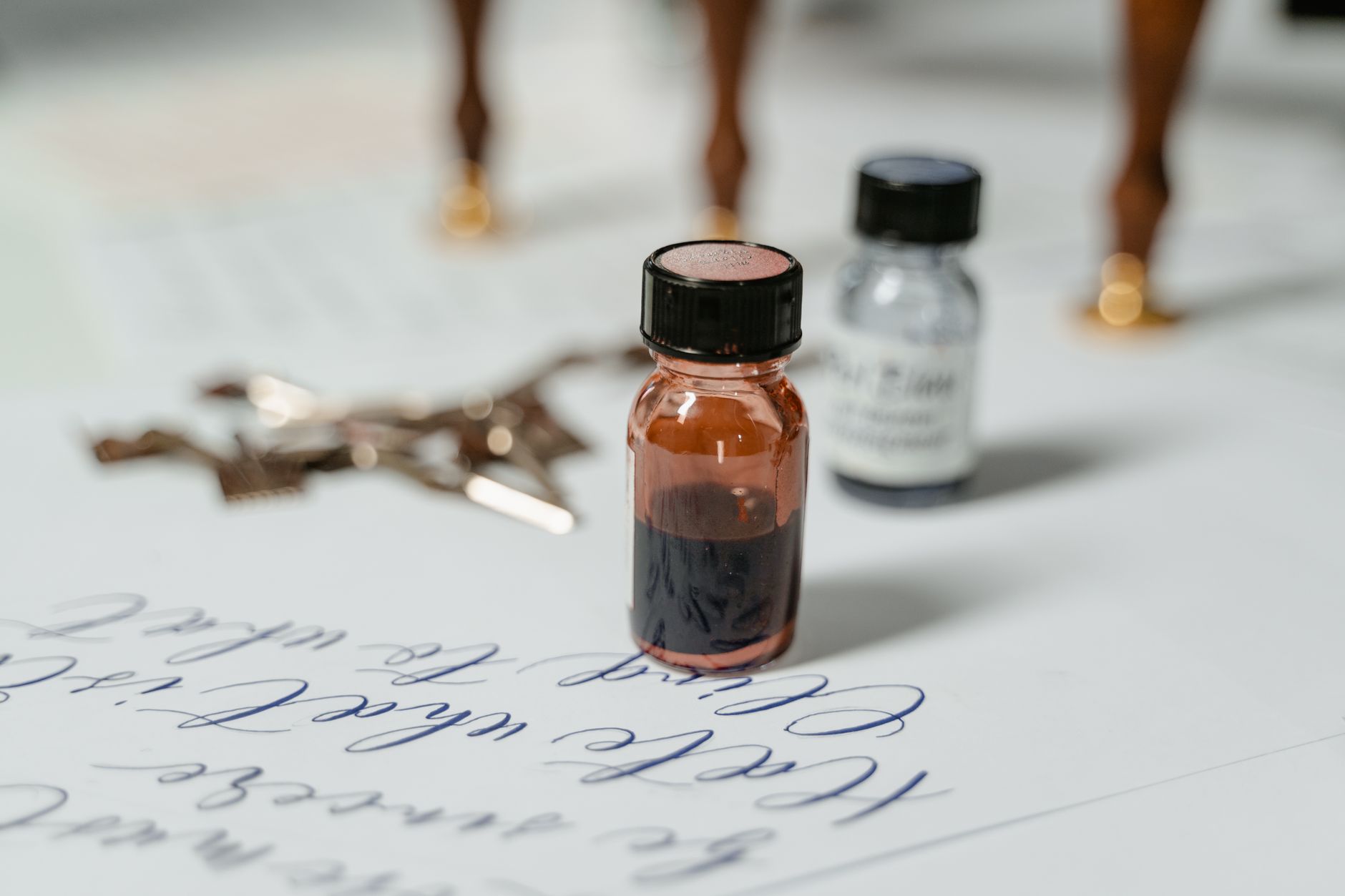
Professionals also learn to film around confidentiality. Ask clients before posting their wording, and keep a few personal pieces for the feed. Printed work, such as boxes, labels and sleeves, is a natural next step for a letterer, and a reference like dijitul medi is useful when you want to see how lettering has to sit alongside layout, materials and print constraints before you take on a commission.
Which calligraphy route should you pick?
Choose the hobbyist route if you want to learn and enjoy the craft without pressure. Choose the professional route if you want paid commissions and are willing to treat the account as a shop window.
- Beginners: start as a hobbyist. Film your drills for a month before deciding anything.
- Confident hands with spare evenings: offer envelopes or place cards to friends, then film the results.
- Anyone eyeing restaurants or shops: build five or six finished pieces first, then approach local businesses with the clips.
If you sell your work, remember that income from it is taxable. HMRC explains when you need to register for self-employment on GOV.UK, including the trading allowance for small side earnings.
How to film a steel nib well
Mount the phone directly above the page, keep your hand out of your own light, and record one continuous take. Leave the scratch of the nib in the audio rather than adding music. Show the finished word for a full second at the end.
The viewers who stay are the ones who came to watch a slow thing done properly. Give them that, and the audience tends to arrive on its own.
If you enjoy watching specialists at work, our piece on court sketch artists covers another hand-drawn craft finding an audience.
Frequently Asked Questions
What equipment do I need to start Copperplate calligraphy?
You need an oblique pen holder, a few pointed nibs, ink and smooth paper. Rhodia-style pads work well because they stop the nib catching. Add a printed Copperplate guide sheet and a slanted ruler if you want consistent angles.
How long does it take to learn Copperplate?
Basic letterforms can be learnt in a few weeks of regular practice, but consistent, elegant results usually take months. Short daily sessions work better than occasional long ones. Expect to repeat the same drills many times.
Do I need to pay tax on calligraphy income?
Possibly. HMRC has a trading allowance for small side income, and above it you may need to register as self-employed. GOV.UK sets out the current rules, so check there for the present figure.
What is the best way to film calligraphy with a phone?
Mount the phone above the page on a tripod or stand, use soft window light and avoid glare on wet ink. Film in one continuous take and keep your hand clear of the shadow. Keep the nib sound in.
Can I sell hand-lettered menus to local restaurants?
Yes, many restaurants and cafés commission lettered menus, boards and signs. Build a small portfolio, film the process and approach businesses with real examples. Agree wording, deadlines and payment in writing before you start.
Leave a Reply