Category: Technology

  • How 3D Printed Fashion Is Redefining the Catwalk

    How 3D Printed Fashion Is Redefining the Catwalk

    For years, the catwalk has been ruled by fabric, thread and a lot of hand stitching. Now a new star is stepping into the spotlight: 3D printed fashion. From sculptural dresses to intricate accessories, designers are using printers like paintbrushes and turning runways into sci fi showcases that truly deserve their 15 minutes of fame.

    What is 3D printed fashion?

    At its core, 3D printed fashion is clothing and accessories created layer by layer using digital designs. Instead of cutting fabric from a roll, designers build pieces in software, then print them using plastics, resins, flexible filaments or even experimental bio materials. The results look like wearable architecture – lattices, scales, feathers and forms that would be almost impossible to sew by hand.

    Some pieces are fully printed garments, while others are hybrid designs that mix printed elements with traditional textiles. Think a simple silk dress topped with a dramatic printed collar, or classic trainers with custom printed soles and uppers.

    Why 3D printed fashion is having a moment

    This wave of 3D printed fashion is not just a gimmick. Several shifts are pushing it into the limelight:

    • Personalisation – Designers can scan a body and print pieces that fit perfectly, opening the door to truly made to measure style.
    • Sustainability potential – Printing only what is needed reduces offcuts and waste, and some brands are experimenting with recyclable or bio based materials.
    • Creative freedom – Complex shapes, interlocking parts and textures that would take weeks of handwork can be printed in hours.
    • Speed – A last minute catwalk change can be designed in the morning and printed overnight.

    For a blog all about spotlighting things that deserve attention, this feels like the perfect collision of art, tech and culture.

    Standout examples of 3D printed fashion on the catwalk

    Recent seasons have delivered some unforgettable runway moments powered by 3D printers. We have seen sculpted bodices that look like coral reefs, translucent skirts that move like liquid glass and trainers with soles inspired by organic bone structures. Red carpet looks have followed, with celebrities wearing printed gowns that blur the line between costume and couture.

    Accessories are often the first step. Statement sunglasses, jewellery, headpieces and even handbags are being printed in short runs, letting designers experiment without the cost of traditional moulds and tooling. It is the fashion equivalent of a limited edition art print.

    Behind the scenes: how designers create 3D printed looks

    The process begins on a screen. Designers collaborate with digital artists and engineers to sculpt garments in 3D software. They test how pieces will move, where stress points might be and how to break a design into printable sections that can be assembled later.

    Different printers bring different strengths. Resin printers can capture delicate details for jewellery and trims, while larger filament printers handle bigger structural pieces like corsets or shoulder armour. Some studios even combine multiple printers and materials in a single outfit.

    For smaller labels or independent creators, working with specialist partners offering 3d print services can make these ambitious ideas possible without buying industrial machines.

    Will 3D printed fashion ever be everyday wear?

    Right now, much of these solutions is still in the theatrical, experimental space – perfect for catwalks, music videos and editorial shoots. Comfort, durability and washability are all challenges designers are actively working on.

    However, more practical pieces are already sneaking into daily life. Custom insoles, printed eyewear frames, bespoke buttons and hardware, even flexible mesh fabrics are moving from runway to wardrobe. As materials improve and printers become more accessible, it is easy to imagine a future where you download a designer’s file and print a new pair of shoes at a local studio.

    Why these solutions deserves its 15 minutes of fame

    Beyond the wow factor, these solutions raises big questions about ownership, creativity and the future of clothing. If a dress is a file, who owns it? If you can remix a designer’s work digitally, where does originality begin and end? And what happens when physical wardrobes become partly virtual libraries of designs waiting to be printed?

    Designer fitting a detailed 3D printed fashion piece on a model backstage
    Studio workspace displaying innovative 3D printed fashion accessories and prototypes

    3D printed fashion FAQs

    Is 3D printed fashion comfortable to wear?

    Comfort varies depending on the material and design. Early 3D printed fashion pieces were often rigid and more suited to catwalks than daily wear. Newer flexible filaments and mesh structures are much softer and move better with the body, especially when combined with traditional fabrics. Designers are increasingly testing garments on real people and refining fit, so comfort is improving with every collection.

    Can I buy 3D printed fashion pieces as a regular shopper?

    Yes, but options are still limited compared to standard clothing. You are most likely to find 3D printed fashion in the form of accessories such as jewellery, sunglasses, belts or shoe components. Some independent designers sell small runs of printed garments online, often made to order. As printing costs fall and materials improve, more mid range brands are expected to experiment with printed elements in their collections.

    Is 3D printed fashion better for the environment?

    It has potential, but it is not automatically sustainable. On the positive side, 3D printed fashion can reduce waste by using only the material needed and enabling on demand production instead of large stock runs. However, many current printing materials are plastic based and not easily recyclable. The real environmental benefits will depend on wider adoption of recyclable or bio based filaments, efficient local production and designs that are made to last or be reprinted and repaired.

  • Indie Games That Went Viral Thanks To Streaming

    Indie Games That Went Viral Thanks To Streaming

    Some of the most surprising success stories in modern entertainment are indie games that went viral thanks to streaming. One night they are quiet passion projects with a tiny player base, the next they are plastered across Twitch, YouTube and TikTok, with millions watching and sharing clips.

    Why streaming is a launchpad for indie games that went viral thanks to streaming

    Streaming platforms are perfectly built for turning small, quirky ideas into overnight sensations. Viewers are not just watching polished trailers – they are seeing real reactions, chaotic moments, bugs, glitches and all. When something unexpected happens on screen, a clip is born, and that clip can carry a game around the world in hours.

    For indie developers with limited budgets, this is the dream. They cannot afford huge marketing campaigns, but they can build something unusual, funny or emotionally powerful, and hope the right creator stumbles across it. When they do, that 15 minutes of fame can transform a side project into a full-time studio.

    Case study: the cosy chaos of a surprise farming hit

    One recent example is a small farming and life-sim game that quietly launched with almost no fanfare. A mid-sized Twitch streamer picked it up on a whim, expecting a chilled background game. Within an hour, their chat was spamming emotes, laughing at awkward NPC dialogue and demanding they try every silly interaction possible.

    Clips of wholesome moments and unexpected dark jokes spread across TikTok. People loved the contrast: soft pixel art and gentle music, paired with strangely sharp humour and surprisingly deep character stories. Viewers who would never normally touch a farming game were suddenly hooked on the soap opera unfolding in this tiny digital village.

    The developer woke up to thousands of wishlists, a Discord server overflowing with fan theories, and messages from players who saw themselves reflected in the game’s diverse cast. That brief streaming spotlight funded future updates, console ports and even a small team, all born from a few viral clips.

    Fast-paced party chaos: when viewers become the content

    Another standout in the wave of indie games that went viral thanks to streaming was a chaotic party platformer built around physics-based characters and unpredictable arenas. The core idea was simple: drop a handful of players into a small map and let them bump, shove and fling each other into oblivion.

    On paper, it sounded like dozens of other party titles. On stream, it was electric. Viewers did not just watch – they voted on modifiers, suggested ridiculous challenges and turned each round into a shared joke. The game’s real magic was how easily it turned ordinary players into comedians.

    Short-form video did the rest. Ten-second clips of last-second saves, impossible comebacks and tragic self-sabotage flooded feeds. The game’s sales curve mirrored the life of a meme: a sudden spike, a few weeks of dominance in “most watched” charts, then a gentle fade as the internet moved on to the next obsession.

    Horror, mystery and the power of reaction faces

    Horror might be the genre that benefits most from streaming. A small, atmospheric indie horror game with clever sound design and minimal graphics can outperform big-budget titles if it delivers one thing: unforgettable reactions.

    One recent psychological horror release did exactly that. It relied on subtle environmental changes and quiet tension instead of jump scares. Streamers leaned in, narrating every creak and shadow, while chat tried to spot what had changed in the room. When the game finally pulled the rug out from under them, the collective scream became instant clip material.

    Reaction compilations on YouTube gave the game a second life. People who were too scared to play still wanted to experience the story through their favourite creators. The result was a wave of fan art, theory threads and breakdown videos that far outlasted the initial launch window.

    Indie developers celebrating success of indie games that went viral thanks to streaming
    Streamer creating clips from indie games that went viral thanks to streaming

    Indie games that went viral thanks to streaming FAQs

    How do indie games usually get noticed by streamers?

    Indie games tend to reach streamers through a mix of word of mouth, small creator discovery, and sheer luck. Developers often send keys to a wide range of channels, but many success stories start when a mid-sized creator finds a game organically on a store page and gives it a try on stream. If chat responds strongly, other creators quickly follow, and the visibility snowballs from there.

    Do viral moments actually help indie developers long term?

    A viral moment can dramatically change things for an indie team. It can fund future projects, attract publishers, and grow a dedicated community. However, the impact depends on how prepared the developers are. Those who can quickly patch issues, communicate clearly and manage expectations are more likely to turn a brief surge of interest into lasting support.

    Why do some viral indie games fade so quickly?

    Many viral indie titles are built around a single strong idea or surprise, which naturally loses impact after a few weeks of heavy streaming. Once viewers have seen the main twists or funniest moments, attention moves on. That does not mean the game failed – it simply means it had an intense, short peak. Some players stick around quietly afterwards, forming a smaller but loyal fanbase.

  • Museum Objects That Went Viral And Got Their 15 Minutes Of Fame

    Museum Objects That Went Viral And Got Their 15 Minutes Of Fame

    Every scroll through social media seems to throw up a new obsession: a goose in a hat, a grumpy cat, or a strangely compelling bin. In recent years, viral museum objects have joined that list, giving dusty display cases their own 15 minutes of fame and turning overlooked artefacts into global talking points.

    Why viral museum objects capture our imagination

    At first glance, a centuries old statue or a faded painting hardly screams meme material. Yet the internet has a knack for spotting the odd, the charming and the unintentionally hilarious. When a museum object goes viral, it is usually because it ticks at least one of three boxes: it looks weirdly relatable, it has a surprising backstory, or it sparks a collective in joke that anyone can join.

    Museums themselves have leaned into this, with social media managers quietly waiting for the next breakout star. A single tweet or TikTok can catapult an obscure item from a quiet corner of a gallery into millions of feeds overnight.

    From forgotten statue to global meme

    One of the best known viral museum objects is the so called “overly dramatic” statue. A small marble figure, mouth agape and hand raised in shock, sat unnoticed in a European collection for decades. Then a visitor snapped a photo, captioned it “me when I see my bank balance”, and posted it on X. Within days, the statue had been remixed into thousands of reaction images.

    A curator later wrote that the statue had “never attracted much attention in the gallery” but that online it suddenly became “the face of modern anxiety”. That is the magic here: people are not just laughing at an old object, they are using it to express feelings that are very current and very human.

    The rise of quirky labels and sassy captions

    Sometimes the object itself is fairly ordinary, and it is the label that steals the show. Screenshots of witty, deadpan or brutally honest museum captions spread quickly, especially when they feel like a friend whispering commentary in your ear.

    In one UK museum, a simple display of a medieval shoe went viral after staff added a label joking that it was “the original lost trainer”. A visitor photographed it, shared it on Instagram, and overnight the shoe went from background filler to minor celebrity. The museum later reported a spike in visitors asking specifically for “the meme shoe”.

    These moments show how presentation matters. A dash of humour invites people in, makes history feel less distant, and encourages sharing. The object might be small, but the ripple effect can be huge.

    Animals, oddities and unexpected stars

    Animals are almost guaranteed to trend, and museum specimens are no exception. Preserved birds with windswept feathers, taxidermy foxes frozen mid grimace, and even Victorian pet memorials have all had their turn as viral museum objects. Viewers are drawn to the mix of cute, creepy and poignant.

    One preserved octopus in a coastal museum became an online favourite after a short video showed its jar gently turning in the light, set to melancholic music. Comments poured in from people giving it a name, inventing backstories, and insisting they would “protect it at all costs”. In reality, the specimen was part of a routine scientific collection, but the internet turned it into a character with its own fan club.

    Who sparks the virality – and why it sticks

    Most of these stories start with a single person: a bored teenager on a school trip, a curious tourist, or a staff member experimenting with a new social platform. They post a photo or short clip, add a caption that hits the right tone, and the algorithm does the rest.

    What keeps people sharing is the feeling of discovery. There is a quiet thrill in being able to say, “Look at this weird thing I found”. In a world of polished content, a slightly blurry snap of a lopsided statue or an oddly shaped teapot feels honest and unfiltered. That authenticity helps viral museum objects stand out among endless brand campaigns and sponsored posts.

    Museum staff capturing unusual artefacts that could become viral museum objects
    Family enjoying animal displays that have turned into viral museum objects

    Viral museum objects FAQs

    What makes museum objects go viral online?

    Museum objects usually go viral when they spark an emotional reaction, whether that is humour, surprise or nostalgia. A relatable caption, a striking photo or a short, well timed video can turn a quiet display into a shared joke or talking point. People enjoy feeling like they have discovered something odd or charming, and that encourages them to share it with friends.

    Do museums plan for their objects to become viral museum objects?

    Most viral moments start organically, often with a visitor posting on social media rather than a carefully planned campaign. However, many museums now pay close attention to what resonates online and may lean into the popularity of certain displays. They might create more content around a popular item, update labels with extra context, or highlight it on tours once they see that people are excited about it.

    Does going viral help museums in the long term?

    A viral moment can bring new visitors, media interest and fresh funding opportunities, but it is rarely a long term solution on its own. The real benefit comes when museums use that burst of attention to tell deeper stories about their collections and communities. If they can turn a quick laugh or meme into curiosity about history, science or art, then the impact can last well beyond the initial trend.

  • The Rise of In Car Entertainment Systems: What Drivers Really Want

    The Rise of In Car Entertainment Systems: What Drivers Really Want

    In car entertainment systems have evolved from simple radios into fully fledged digital hubs that shape how we drive, relax and travel with friends or family. As cars become more connected, drivers are demanding experiences that feel as seamless and personal as their smartphones.

    From background noise to digital hub

    For decades, the stereo was little more than background noise. Now, modern dashboards bring together navigation, music, podcasts, messaging and climate controls in one place. Large touchscreens, voice assistants and customisable profiles mean each journey can feel tailored to the person behind the wheel.

    This shift is not just about louder sound or bigger screens. It is about turning the cabin into a digital living space where everyone on board can stay informed, entertained and comfortable without having to reach for their phone.

    Streaming, passengers and the battle for attention

    One of the biggest trends in car tech is the integration of streaming services. Drivers expect to jump from a playlist at home to the same track in the car without missing a beat. Rear seat passengers want to binge series, watch football or scroll social feeds on the move, often on separate screens.

    Manufacturers are responding with built in apps, Wi‑Fi hotspots and multiple USB‑C ports so every device can stay powered. Some premium models now offer individual sound zones, allowing passengers to listen to different content simultaneously. The challenge is balancing this demand for content with the need to keep the driver focused on the road.

    Safety first: reducing distraction without killing the fun

    As dashboards become more capable, safety regulators are paying attention. Too many menus, alerts and notifications can overwhelm drivers. The smartest in car entertainment systems are designed to reduce distraction rather than add to it.

    Voice control, steering wheel buttons and head up displays are becoming essential. Instead of tapping at a screen, drivers can ask for a song, a route or a call. Some systems lock certain features when the car is moving or limit video playback to rear screens. Over time, software updates can fine tune these controls as new risks and habits emerge.

    Personalisation, profiles and over‑the‑air upgrades

    Another major shift is the move towards software driven cars. Profiles store seat position, favourite stations, climate preferences and app logins, then load them automatically via a digital key or smartphone. Couples, families and car‑sharing users all benefit from a cabin that instantly adapts to whoever gets in.

    Over‑the‑air updates mean the system can gain new features long after the car has left the showroom. A vehicle might launch with basic streaming and later receive surround sound modes, new apps or improved voice recognition. This keeps the car feeling modern for longer and helps protect its value.

    Sound quality still matters

    Despite all the talk of apps and screens, audio quality remains a key buying factor. People want rich, clear sound at every volume, whether they are listening to a podcast or a live concert recording. That is driving interest in better speakers, smarter placement and digital tuning that adapts to the cabin shape.

    Many enthusiasts still choose specialist upgrades to get the most from their music, working with experts in car audio to fine tune the listening experience beyond the factory options.

    Electric vehicles and the future of in‑car experiences

    Electric vehicles are accelerating change. With quieter cabins and longer charging stops, drivers are looking for ways to pass the time comfortably. Larger screens, console style gaming, high quality video streaming and even in seat massage programs are becoming selling points.

    Looking ahead, we can expect in car entertainment systems to work even more closely with smartphones, smart homes and wearables. Imagine your car suggesting a playlist based on your heart rate, dimming your home lights as you pull away, or queuing up a podcast that continues seamlessly from your kitchen speaker to the driver seat.

    Family using rear screens and voice control features within in car entertainment systems
    Electric vehicle cabin showcasing next generation in car entertainment systems

    In car entertainment systems FAQs

    Can I upgrade the infotainment system in an older car?

    Yes, in many cases you can retrofit a modern head unit into an older vehicle. This might include a touchscreen, Bluetooth, smartphone mirroring and improved audio processing. Compatibility with your car’s wiring, steering wheel controls and dashboard shape is crucial, so it is usually worth speaking to a specialist fitter before buying any hardware.

    Do built in car apps use my mobile data?

    It depends on the system. Some cars have their own embedded SIM and data plan, while others rely on your phone’s connection via tethering or smartphone mirroring. Streaming music, video and live traffic can consume significant data, so it is important to understand how your particular setup connects and whether your mobile contract has a suitable allowance.

    What should I look for in in car entertainment systems for family use?

    For family use, focus on multiple charging points, easy to clean hardware, rear seat screens or tablet mounts, and simple parental controls. Durable headphones, independent rear audio and intuitive menus make it easier to keep children entertained without distracting the driver. Check how quickly the system starts up and how easy it is to switch between different sources on a busy school run.

  • Why Paperless Office Solutions Are Finally Taking Off

    Why Paperless Office Solutions Are Finally Taking Off

    The shift towards paperless office solutions has been promised for years, but only recently have workplaces started to embrace it at scale. With hybrid working now the norm and cloud tools more accessible than ever, businesses of every size are rethinking how they handle documents, data and day to day admin.

    Going paper light is no longer just about saving a few trees. It is about speed, security, compliance and creating a smoother experience for staff and customers alike. Here are the key trends driving the modern paper free workplace and what they mean for your organisation.

    The new normal: hybrid work and digital workflows

    Hybrid working has pushed companies to replace filing cabinets with shared drives and cloud platforms. Staff need to access documents from home, client sites and co working spaces, which is only realistic if records are stored and managed digitally.

    Modern paperless office solutions focus on workflow rather than just storage. Instead of printing a form and passing it around for signatures, teams now use e signature tools, shared folders and automated approval chains. This cuts delays, keeps a clear audit trail and reduces the risk of lost paperwork.

    For small businesses, the move is often gradual. They might start with online invoicing, then add digital HR records and contract signing. Each step removes one more reason to hit the print button.

    From scanning to smart capture

    Scanning used to mean piling documents into a machine and saving them as basic image files. That is no longer good enough for fast moving organisations. The latest generation of smart capture tools use optical character recognition and machine learning to turn scanned pages into searchable, editable data.

    Invoices can be scanned and automatically routed to the accounts system, with key fields like date, supplier and total extracted on the fly. HR teams can digitise employee files and find what they need in seconds using simple keyword searches.

    Physical devices still have a place in this world. High quality scanners and shredders support the transition by helping businesses clear backlogs of paperwork and securely dispose of anything they no longer need to keep in hard copy.

    Cloud storage and security concerns

    As more information moves online, security is a growing priority. Businesses are increasingly choosing cloud platforms that offer encryption, multi factor authentication and detailed access controls. The aim is to make sensitive files easier to manage, but harder to misuse.

    Well designed paperless office solutions also help with compliance. It is far simpler to apply retention policies, restrict access to confidential records and generate audit logs when everything is digital. Rather than relying on locked cupboards and sign out sheets, organisations can see exactly who opened which file and when.

    Back up strategies are changing too. Instead of keeping offsite boxes of paper, companies now rely on automated backups across multiple data centres, reducing the risk of loss from fire, flood or theft.

    AI and automation in the workplace

    Artificial intelligence is quietly reshaping how documents are handled. Tools can summarise long reports, flag unusual transactions, and suggest responses to routine customer enquiries. This works best when information is already stored in structured digital formats.

    Many modern paperless office solutions now include built in automation. For example, a signed contract can automatically trigger project set up in a management tool, or a completed online form can create a new record in the CRM without anyone retyping details.

    This shift frees staff from repetitive admin, allowing them to focus on tasks that require judgement and creativity. It also reduces errors, since data is captured once at source and reused across systems.

    Culture change and practical first steps

    The technical side of going paperless is only half the story. The bigger challenge is often culture. People are used to scribbling notes on printouts, filing things in familiar places and using paper as a comfort blanket.

    Successful projects start small and show quick wins. Common first steps include switching to digital payslips, moving meeting packs into shared drives, and introducing e signatures for standard contracts. Clear guidance, short training sessions and visible leadership support help staff feel confident with new tools.

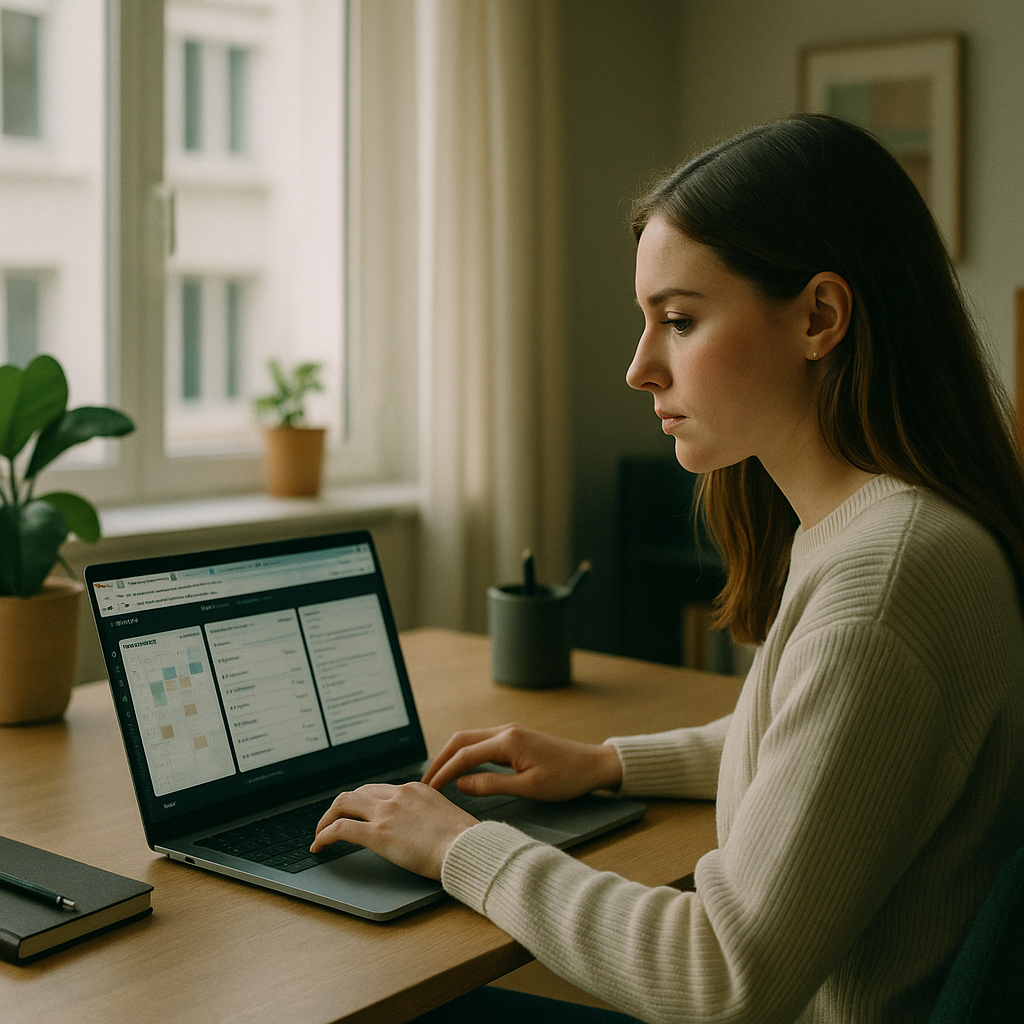
    Worker digitising paperwork as part of paperless office solutions in a contemporary office
    Hybrid worker accessing files through paperless office solutions from a home office

    Paperless office solutions FAQs

    What are the main benefits of moving to a paperless office?

    The main benefits include faster access to information, reduced storage costs, improved security and compliance, and fewer manual data entry tasks. Digital workflows also support hybrid working by making it easier for staff to collaborate from different locations, while cutting down on clutter and environmental impact.

    How can a small business start reducing its paper usage?

    A small business can begin by switching to digital invoicing and online banking, using cloud storage for shared documents, and adopting e signature tools for contracts. Gradually digitising existing records, setting default printer options to double sided, and encouraging staff to use tablets or laptops in meetings will also make a noticeable difference.

    Are paperless office solutions secure enough for sensitive documents?

    Yes, when implemented correctly, paperless office solutions can be more secure than traditional filing. Strong passwords, multi factor authentication, encryption and role based access controls help protect sensitive files. Regular backups and clear policies on who can view or edit documents further reduce the risk of loss or unauthorised access.

  • Why Social Media Landing Pages Are Transforming Creator Marketing

    Why Social Media Landing Pages Are Transforming Creator Marketing

    As platforms fragment and attention spans shrink, creators are quietly turning to social media landing pages to keep everything joined up. Instead of constantly swapping the one clickable link allowed on many profiles, they are building simple, focused hubs that capture traffic, grow email lists and drive sales from every channel at once.

    These landing pages are no longer basic link lists. They are becoming lightweight homepages for modern creators, packed with analytics, branding controls and smart integrations that rival full websites without the same cost or complexity.

    What are social media landing pages and why are they booming?

    A social media landing page is a single, mobile friendly page that gathers your most important links, content and calls to action in one place. You drop that URL into your bios on Instagram, TikTok, YouTube, X and anywhere else, then update the page rather than each profile.

    The boom is being driven by three big shifts:

    • Creators are active on more platforms than ever, so they need a central hub.
    • Audiences move quickly between apps, so the journey from post to purchase must be instant.
    • First party data, like email addresses and SMS, is becoming more valuable as algorithms change.

    Used well, these pages become the bridge between social buzz and long term audience ownership.

    Key features modern creators expect from social media landing pages

    The latest tools go far beyond a static list of blue links. The most effective setups share a few core features:

    • Strong visual branding so the page feels like an extension of your profile, not a generic template.
    • Clear hierarchy that pushes one or two main actions, such as buying a product, joining a membership or signing up to a newsletter.
    • Built in analytics to show which buttons are clicked, which platforms send the most traffic and what converts best.
    • Integrations with email marketing, digital product platforms, membership tools and live events.
    • Fast loading on mobile, since most visitors arrive from apps on their phones.

    Creators who treat these pages as mini funnels rather than simple directories tend to see higher click through rates and better monetisation.

    Trends shaping the future of creator landing pages

    Several clear trends are emerging in how creators and small brands use social media landing pages:

    From link lists to micro sites

    Many creators now use scrolling layouts with sections for featured content, product carousels, testimonials and embedded videos. This micro site approach lets them tell a story and guide visitors step by step, instead of throwing out a pile of equal links.

    Direct monetisation on the page

    More tools now allow fans to tip, buy a download, book a call or join a subscription without leaving the landing page. Cutting out extra steps reduces drop off and makes it easier to test new offers quickly.

    Personalisation by platform

    Advanced setups can show different content depending on where the click came from. For example, visitors from TikTok might see short form video highlights and trending products, while YouTube viewers see long form content and course links.

    Turning followers into long term fans

    The biggest strategic shift is that smart creators now treat their landing page as the first step in a longer relationship. Instead of sending everyone straight to a shop or a single video, they encourage visitors to join an email list, SMS list or private community first.

    Once that direct connection is in place, social algorithms matter less. You can promote launches, ask for feedback and share content without hoping a platform decides to show your posts.

    There are plenty of platforms that help with this, from simple bio pages that anyone can build in minutes to more advanced options that resemble full marketing suites. Some, like a dedicated link in bio tool, focus on keeping things fast and clean while still offering detailed analytics and smart routing.

    How to get more from your own landing page

    If you already use social media landing pages, a few small tweaks can make a big difference:

    Different designs of social media landing pages displayed on smartphone screens
    Small business owner designing social media landing pages on desktop computer

    Social media landing pages FAQs

    Do I still need a website if I use a social media landing page?

    A landing page is a powerful bridge between your profiles and your key offers, but it does not fully replace a website for everyone. If you run a larger brand, publish long form content or need complex features such as blogs, customer portals or detailed legal pages, a full site is still useful. For many solo creators and small businesses, however, a well built landing page can comfortably handle day to day promotion, email sign ups and simple sales.

    How many links should I include on my landing page?

    As a rule of thumb, include as few links as you can while still covering your main offers. Most people get better results with one or two primary calls to action, followed by a small number of secondary links lower down the page. Too many options can overwhelm visitors and reduce clicks on the things that matter most, such as your newsletter, flagship product or membership.

    What makes social media landing pages convert better?

    Conversion focused social media landing pages keep the design clean, highlight one clear next step and load quickly on mobile. Strong, benefit led headlines, contrasting call to action buttons and short supporting copy all help visitors understand what they gain by tapping through. Adding social proof, such as reviews, creator stats or media logos, near your main button can further increase trust and click through rates.

  • Best URL Shortener with Custom Domain & Bio Page Tool

    What one thing makes every service or product better by default? When it’s free, of course! We love a good free service here at 15 Minute Fame, and in our opinion the best URL shortener comes from an unexpected source – a “Link-in-Bio Tool” called LinkVine.uk.

    Best URL Shortener

    LinkVine started life as a simple bio page builder – a way to house all your important links in one place, perfect for creators, small businesses and influencers. But it has rapidly evolved into something far more powerful, offering what we now consider the best URL shortener around – and yes, it includes the option for a custom domain too.

    Why URL Shorteners Still Matter in 2025

    With character limits still a thing on platforms like X (formerly Twitter), and with people’s attention spans shorter than ever, URL shorteners are essential. They tidy up long, ugly links and make them look more professional, clickable, and shareable.

    Best URL Shortener

    But the best URL shortener tools don’t just chop down characters. They also give you control, tracking, and branding – and that’s where LinkVine.uk shines.

    What Makes LinkVine the Best URL Shortener?

    There are countless URL shorteners out there, but most fall into one of two camps: they either charge for all the good stuff, or they bombard your audience with ads before redirecting.

    LinkVine bucks the trend by giving users everything they actually want – for free – and with no spammy ad interruptions. Here’s what sets it apart:

    🔗 Custom Domain Support

    Want your short links to reflect your brand? LinkVine lets you connect your own custom domain so that your links look professional and build trust. No more generic bit.ly or tinyurl formats – your links can now look like yourbrand.co/deal.

    👥 Built-In Bio Page

    While most shorteners just give you a link and leave it at that, LinkVine also includes a beautiful, mobile-friendly bio page builder. You can house all your top links, social profiles, contact forms, and even embed video or images – perfect for influencers, musicians, and businesses who want everything in one place.

    📈 Analytics and Click Tracking

    LinkVine provides built-in link analytics so you can see how many people are clicking, where they’re from, and what devices they’re using. This makes it easy to understand your audience and tweak your content strategy accordingly.

    Best URL Shortener

    🎨 Fully Customisable Pages

    Beyond just shortening URLs, LinkVine allows you to make your bio page your own. Choose colours, fonts, backgrounds and even upload your own favicon. It’s not just a tool – it’s a mini website builder that lives in your pocket.

    LinkVine vs Other URL Shorteners

    Let’s put LinkVine side-by-side with some of the other popular tools out there:

    FeatureLinkVineBitlyTinyURLLinktree
    Free Custom Domain❌ (Paid)
    Link AnalyticsBasic
    Ad-Free Experience
    Bio Page Tool
    Full Page CustomisationLimited
    CostFreePaid TiersFreePaid Tiers

    As you can see, LinkVine doesn’t just hold its own – it actually leads the pack, especially if you’re looking for the best URL shortener that also gives you a bio page and brand-friendly options.

    Who Is LinkVine For?

    Whether you’re a content creator, a small business owner, or just someone who wants cleaner, branded links for social media – LinkVine.uk is a game-changer. It’s ideal for:

    • Social media influencers linking to their latest content
    • Musicians sharing streaming links
    • Freelancers and agencies managing multiple clients
    • E-commerce businesses promoting sales
    • Anyone tired of using generic short links

    If you’ve ever struggled to fit all your key info into one place, or felt limited by other tools, this is your sign to give LinkVine a try.

    How to Get Started with LinkVine.uk

    Getting started is easy. Just head over to LinkVine.uk, create a free account, and start building your bio page. From there, you can:

    • Add unlimited links
    • Shorten URLs with your own domain
    • View real-time analytics
    • Customise everything to match your brand

    There’s no complex setup, no hidden fees, and no aggressive upselling – just a simple, effective tool that works.

    Final Thoughts: The Best URL Shortener That Does More

    In a crowded market full of clunky tools and overpriced subscriptions, LinkVine.uk stands out. It’s more than just the best URL shortener – it’s a full-featured platform for online branding, marketing, and link management.

    And best of all? It’s free.

    If you’re ready to upgrade your link game and unify your online presence, there’s really no reason not to give LinkVine.uk a go.