

One day you are going about your life, shopping in Lidl or sitting on a bus. The next, your face is on every phone screen in the country. It happens more often than you might think. Ordinary people who became famous overnight have always existed, but the speed and scale of modern virality has changed everything about what that moment actually means, and what comes after it.
This piece is not about celebrities who planned their rise. It is about the plumber from Rotherham, the schoolteacher from Bristol, the grandmother from Aberdeen who said something, did something, or simply existed in the wrong place at the right moment, and suddenly found the world watching. Their stories are funny, strange, moving, and sometimes genuinely cautionary. Every single one deserves its 15 minutes properly told.
The Moment That Changes Everything
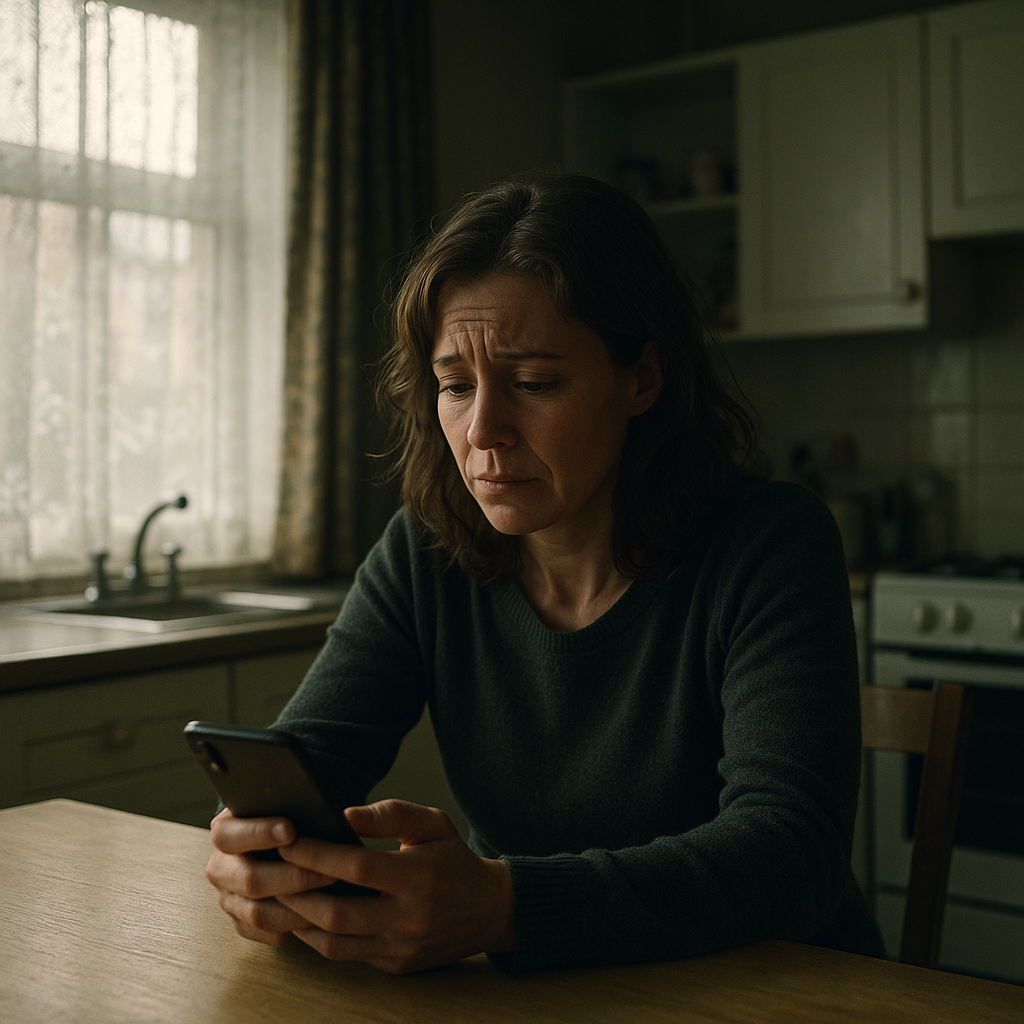
Ask anyone who has gone viral unexpectedly and they will tell you the same thing: the first sign is usually a buzzing phone. Notifications arrive slowly at first, then all at once, until the device is basically unusable. For Donna, a care worker from Coventry who filmed herself gently correcting a rude customer at a pharmacy counter in 2023, the clip was shared 2.1 million times within 48 hours. She woke up to 40,000 new social media followers and a voicemail from a morning television producer.
The opportunity arrived fast. Within a week she had appeared on two breakfast shows, been offered a column in a national tabloid, and received a DM from a talent agency. She turned most of it down, partly from instinct, partly from exhaustion. “I just wanted to go back to work,” she told a regional paper afterwards. That impulse is far more common than the public narrative suggests. Not everyone who briefly becomes famous wants the follow-up.
When the Spotlight Turns Unkind
Fame without context is a strange beast. The internet tends to flatten people into symbols. A moment of joy, frustration, or vulnerability gets stripped of its setting and replayed until the person at the centre barely recognises themselves. For Marcus, a secondary school PE teacher from Leeds whose impassioned speech to his Year 10 class was filmed by a pupil and posted without his knowledge, the viral attention was initially positive. Parents praised him. A local MP shared the clip. Then came the second wave.
Once a clip travels far enough, it attracts people with an agenda. Quotes get taken out of context. Comment sections breed misreadings. Marcus received supportive messages and threatening ones in roughly equal measure by the end of the first week. His school had to issue a statement. He took two days off. The mental health impact of that kind of whiplash is real, and it is largely invisible in the coverage that follows viral moments. Mind UK has written extensively about the psychological effects of sudden public exposure, noting that stress responses do not discriminate between positive and negative attention.
The Ones Who Turned It Into Something
Of course, some ordinary people who became famous overnight genuinely did use the moment as a launchpad, and they did it with clarity and a bit of nerve.
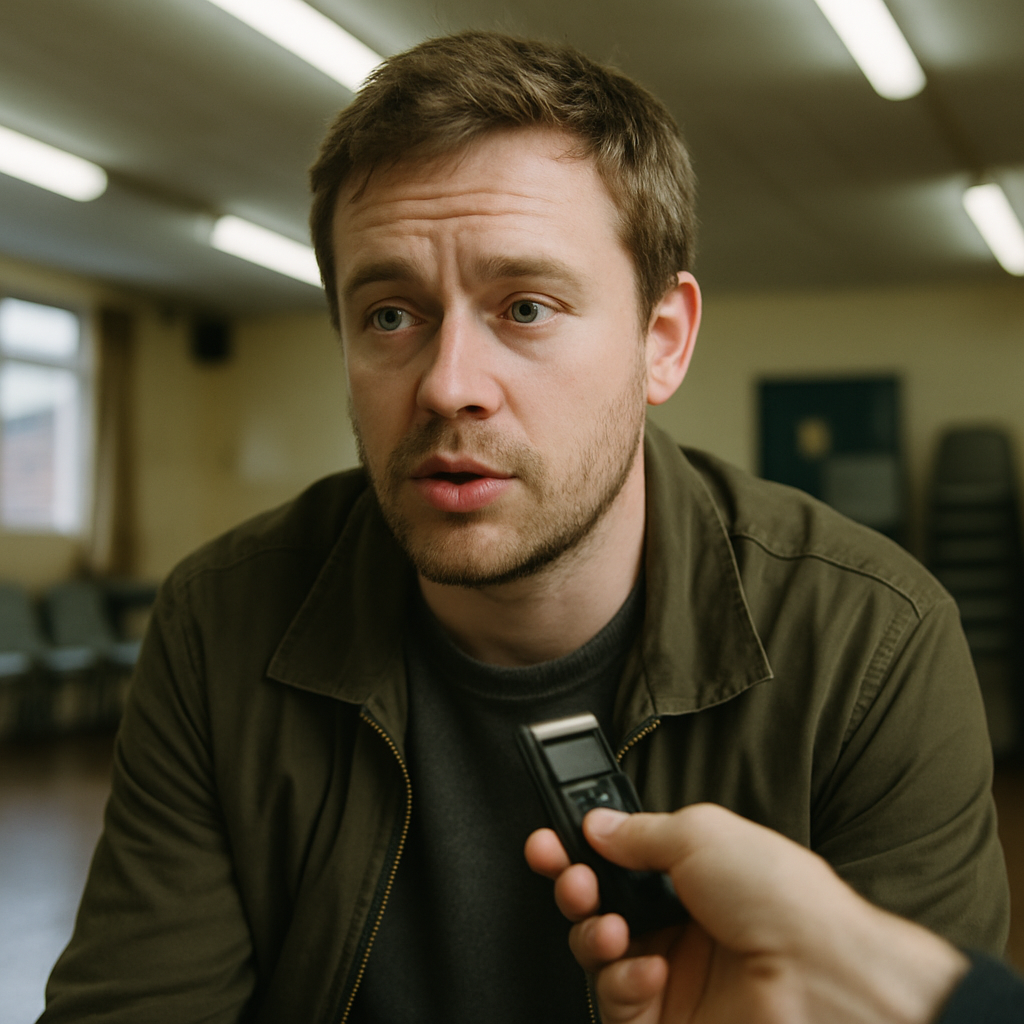
Take Priya, a 24-year-old from Leicester who posted a three-minute video explaining her experience of a common NHS waiting time issue. It was clear, calm, and quietly devastating. The clip reached 800,000 views in four days. Rather than wait for opportunities to find her, she immediately set up a newsletter, posted a follow-up video, and reached out to a healthcare charity looking for spokespeople. Within six months she was a regular contributor to a health podcast and had been invited to speak at a patient advocacy conference in London.
The difference between Priya’s trajectory and those who fade after a week is not luck. It is having something to say beyond the original moment. The viral clip was the door; her existing knowledge and genuine passion were what was behind it. This is the pattern that tends to hold up. People with a specific expertise or a coherent point of view are far better positioned to convert attention into something lasting.
The Emotional Aftermath Nobody Prepares You For
Here is the part that rarely makes the follow-up features: the comedown. There is a particular kind of low that follows a sudden spike in public attention, especially when that attention disappears as quickly as it arrived. People describe it variously as deflating, surreal, or oddly grief-like. You are returned to your ordinary life, but the ordinary life feels different because you have seen, briefly, what it is like to be visible on a mass scale.
For Janet, a 61-year-old retired librarian from Norwich whose photograph at a protest became a widely shared symbol of quiet defiance, the return to anonymity was jarring. She had not sought the image or the attention. But for a fortnight she was recognisable at the supermarket. Journalists rang her landline. And then, almost overnight, it stopped. “You feel a bit ghosted by the world,” she said in an interview some months later. “Which is daft, because you never asked for any of it.”
Psychologists who work with sudden-fame cases note that the experience often surfaces questions about identity and self-worth that were already there under the surface. The spotlight does not create those questions, but it illuminates them at unexpected intensity.
What the Best Stories Have in Common
The most compelling accounts of ordinary people finding sudden public recognition share a few characteristics. The original moment was usually authentic, often accidental, and emotionally legible. People responded because they felt something real. That is the core of any viral moment that actually matters: recognition. Someone seeing themselves, or something they believe, reflected back clearly.
The individuals who navigated it best tended to be those who moved slowly, consulted people they trusted, and resisted the pressure to respond instantly to every offer or accusation. They treated their 15 minutes not as a windfall to be extracted immediately, but as a brief opening that deserved some thought.
The ones who struggled most were those pushed by well-meaning friends or opportunistic agents into decisions made in hours rather than days. Signing up to a reality programme three days after a viral clip is rarely the careful choice it feels like in the moment.
Your 15 Minutes Is Worth More If You Slow Down
There is something worth sitting with in all of these stories. Ordinary people who became famous overnight were not transformed by the attention. They were, at most, briefly amplified. What they already were, what they already believed, what they already knew, determined everything about whether that amplification led somewhere meaningful or simply evaporated.
The viral moment is not the story. It is the first paragraph. The story is everything that happens once the notifications slow down and you have to decide, in a quiet room, what to do next.
Frequently Asked Questions
Can ordinary people really become famous overnight in 2026?
Yes, and it happens more frequently than ever. A single video, photograph, or social media post can reach millions of people within 24 hours through algorithmic amplification on platforms like TikTok, Instagram, and X. The challenge is that fame at this speed is also extremely brief for most people.
What are the mental health risks of suddenly going viral?
Sudden public attention can trigger stress, anxiety, and a disorienting sense of exposure, even when the attention is positive. The contrast between intense public interest and a return to normal life can also produce a comedown that feels surprisingly low. Mind UK and other mental health charities have resources specifically aimed at people navigating unexpected public scrutiny.
How do some people turn a viral moment into a lasting career?
The individuals who convert brief fame into something sustained usually have genuine expertise, a clear point of view, or a cause they can speak to credibly beyond the original clip. They act deliberately rather than reactively, building a newsletter, podcast, or community around the subject that made them visible in the first place.
What should you do immediately after going viral unexpectedly?
Pause before accepting any offer or giving interviews, especially in the first 48 hours. Speak to someone you trust before making decisions. Check your privacy settings on all social media accounts, and consider what, if anything, you actually want to say publicly. Rushing rarely leads to the best outcomes.
Does going viral lead to lasting opportunities or is it usually short-lived?
For the majority of people, viral attention is genuinely short-lived, often fading within one to two weeks. Lasting opportunities are possible but they tend to require the individual to actively build on the moment rather than wait for others to deliver a career to them. The original clip opens a door; what you do next determines whether anything is behind it.
Leave a Reply