

Something strange is happening to fame. A woman in Stoke-on-Trent posts a fifteen-second video of herself folding a jumper in an unusual way. Within 48 hours she has 300,000 followers, three brand deal enquiries, and a request from a morning television producer. She didn’t pay for promotion. She didn’t have an agent. She wasn’t particularly trying. The algorithm just… picked her up. That’s the new shape of AI and social media fame in 2026, and it is genuinely fascinating to watch unfold.
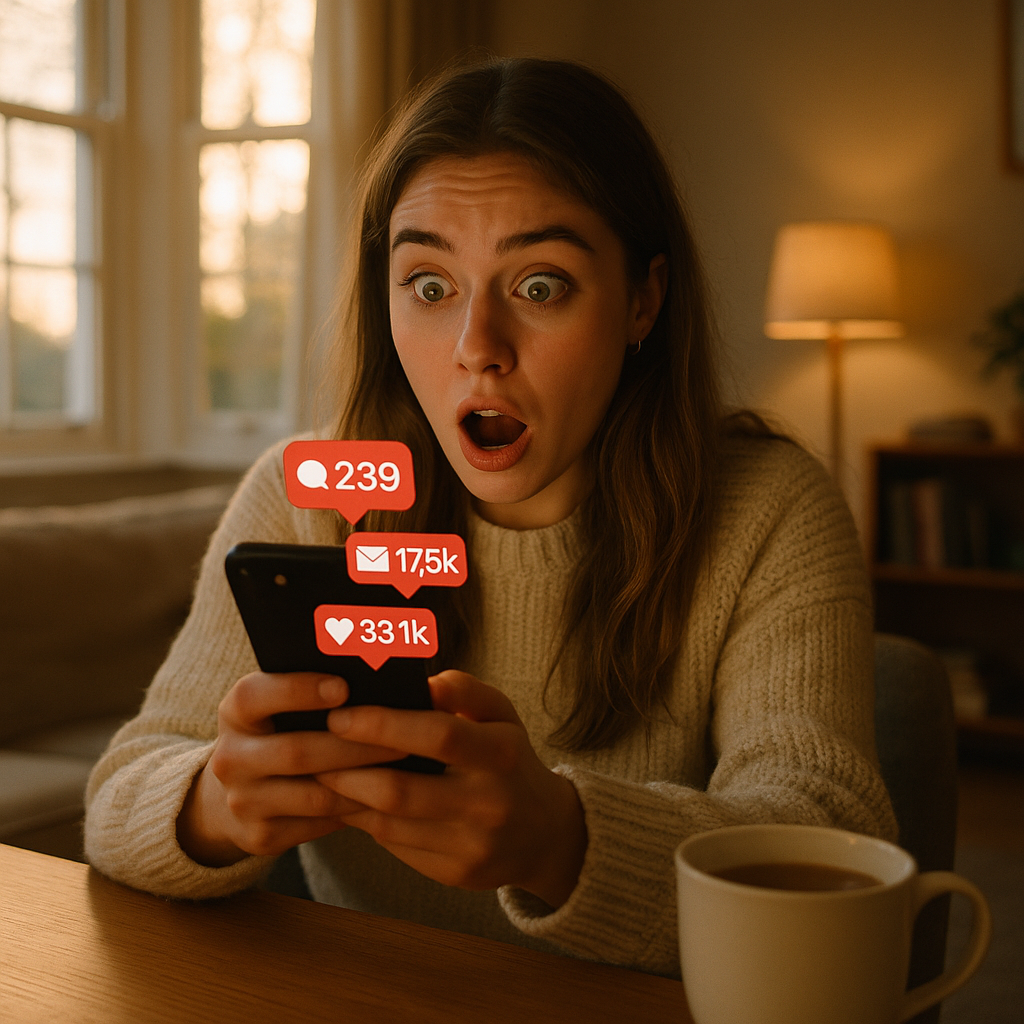
The machinery driving all of this is more sophisticated than most people realise. TikTok’s recommendation engine, YouTube’s suggestion sidebar, Instagram’s Reels feed, these are not neutral pipelines. They are active participants in deciding who gets seen. And increasingly, they are powered by AI systems that detect micro-signals of engagement: how long you hovered before scrolling, whether you rewatched the first three seconds, whether your thumb slowed down at a particular frame. A creator doesn’t need a massive existing audience to go viral. They just need to produce something the AI decides is worth pushing. That decision can happen in minutes.
How Recommendation Algorithms Actually Create Celebrities
Here’s what tends to happen. Someone posts content that triggers a handful of strong early signals, a high completion rate, shares to a niche community, saves rather than just likes. The algorithm interprets that as quality and begins testing the content on slightly wider audiences. If those audiences respond similarly, the distribution widens exponentially. A video that had 200 views at midnight can have two million by breakfast. The creator wakes up famous.
This is genuinely different from how fame worked before. In the old model, fame required gatekeepers: record labels, television commissioners, newspaper editors. A person needed someone with institutional power to decide they were worth promoting. Now, the gatekeeper is a machine, and machines don’t care about your background, your connections, or whether you went to the right university. They care about engagement signals. That’s a profound shift, and not an entirely bad one.
The BBC has documented several cases of UK creators who went from obscurity to mainstream press coverage within a single week, simply because an algorithm decided to go all-in on their content. A retired geography teacher from Yorkshire explaining local history in his kitchen. A teenage baker from Swindon whose decorating techniques turned out to be hypnotically watchable. An amateur wildlife photographer from the Highlands whose footage of a red squirrel got picked up by every major news feed on the planet. None of them were gaming the system. The system decided to game itself around them. You can read more about how platforms make these decisions in BBC Technology News.
When AI Tools Do the Creating, Not Just the Distributing
The plot thickens when you factor in AI creation tools, not just AI distribution. In 2026, there are people who have built substantial followings using content that was partially or largely generated using AI. Scripts written by language models. Voiceovers cloned from a single audio sample. Video avatars that look convincingly human. Some of these accounts have hundreds of thousands of followers who have no idea they’re watching an algorithm perform for another algorithm.

This is where AI and social media fame in 2026 gets genuinely murky. Is it fame if the person isn’t really doing anything? There are channels built around AI-generated “personas” that attract real emotional investment from real audiences. People comment. People care. People feel like they have a relationship with the creator. When it comes out that the creator is largely synthetic, the reaction tends to be one of betrayal. Which is interesting, because the content itself hasn’t changed. The engagement was real. The parasocial bond was real. Only the origin was artificial.
That said, the majority of creators using AI tools are doing so as a genuine production aid rather than wholesale fabrication. A solo creator using AI to help script their videos, generate captions, or identify which thumbnail performs best is not fundamentally different from a production company using editors and researchers. The tool changes, but the human intent and personality behind it remains. And it’s the personality that audiences ultimately connect with.
Does Algorithm-Driven Fame Actually Last?
This is the question that matters most. Plenty of people have experienced the overnight surge and then watched their numbers crater just as quickly. The algorithm giveth, and the algorithm taketh away. A creator who goes viral on the back of one piece of content often finds that their subsequent posts perform dismally, because they haven’t built the kind of consistent audience relationship that keeps people coming back. They were picked up by the machine and then set back down again. That’s a very disorienting experience.
Contrast that with creators who use an initial algorithmic boost as a launchpad rather than a destination. The ones who last tend to do a few things well. They respond quickly when their moment comes, posting follow-up content that retains newly arrived viewers. They make it easy for new followers to understand what they’re about within ten seconds. And they build off-platform presence, newsletters, community groups, mailing lists, so they’re not entirely dependent on any single recommendation engine’s mood. The platform gives them the audience. They do the work of keeping it.
Research from Ofcom’s communications market reports consistently shows that UK audiences have high expectations of authenticity from the creators they follow. Channels that feel manufactured or inconsistent shed followers at a significant rate, while those with a clear, genuine identity tend to retain them even through quieter algorithmic periods. Fame built entirely by a machine, with no authentic human core, is brittle. An audience that found you by accident can leave just as accidentally.
The Interesting Middle Ground
What’s emerging, and what I find genuinely exciting about AI and social media fame in 2026, is the way the best creators are learning to collaborate with the machine rather than fight it or be entirely carried by it. They study their own analytics not to chase trends but to understand which parts of their genuine personality resonate most. They use AI tools to improve production quality without losing their voice. They treat the recommendation algorithm as a partner in distribution while keeping creative control firmly in their own hands.
A ceramicist from Bristol who started posting short videos of her process went viral in February 2026 when TikTok’s algorithm decided her content belonged on every home feed in the UK. She’d been posting for two years with modest numbers. The algorithm found her when it was ready, not when she was ready. But because she’d spent two years developing a genuine point of view and a consistent voice, she was ready to hold onto the audience when it arrived. The machine created the moment. She created the meaning.
That, in the end, might be the real answer to whether AI can make you famous without you trying. It can certainly make you seen. Visibility, attention, follower counts, these are increasingly within the algorithm’s gift. But fame, actual lasting cultural presence, still seems to require a human being with something worth saying. The machine opens the door. You still have to walk through it.
Frequently Asked Questions
How do social media algorithms decide which content to make viral?
Algorithms like TikTok’s For You page use AI to track micro-engagement signals: video completion rates, replays, shares, saves, and even how long a viewer pauses before scrolling. Content that triggers strong early signals gets tested on progressively wider audiences until it either plateaus or explodes. It happens fast, often within hours of posting.
Can you go viral in 2026 without a big following or paid promotion?
Yes, and it happens regularly in the UK. Recommendation algorithms are designed to surface high-quality or highly engaging content regardless of the creator’s existing follower count. A brand-new account with zero followers can reach millions if the AI decides the content is worth distributing widely. Having an existing audience helps with consistency, but it’s not a prerequisite for a single viral moment.
Is AI-generated content being used to fake social media fame?
Some accounts do use AI-generated personas, voices, and video avatars to build followings without a real human behind them, though audiences often react badly when this is revealed. More commonly, creators use AI tools to assist with scripting, editing, or analytics while remaining the genuine personality behind the content. The distinction between AI as a tool and AI as a replacement for the creator is significant.
How long does algorithm-driven fame usually last?
It varies enormously. Creators who treat a viral moment as a launchpad and quickly build off-platform communities tend to retain audiences far longer than those who rely entirely on the algorithm to keep pushing them. Ofcom data suggests UK audiences value consistency and authenticity, and will drop creators who feel manufactured or who disappear between viral moments.
What can ordinary people do to improve their chances of being picked up by algorithms?
Focus on strong hooks in the first two to three seconds, high video completion rates, and content that encourages saves and shares rather than just likes. Posting consistently in a specific niche helps train the algorithm on who your audience is. Off-platform, building a mailing list or community means you’re not entirely at the mercy of any single platform’s recommendation decisions.