

It starts with a flicker of movement in the reeds. A shape that doesn’t quite fit. Then a photograph, usually taken on a phone held up to a spotting scope, posted to Twitter or the BirdGuides app sometime around half past eight on a Tuesday morning. By noon, three hundred people are driving towards a Suffolk nature reserve they’ve never visited. By Thursday, the birder who posted it has ten times their usual followers and a BBC local radio interview request sitting in their inbox.
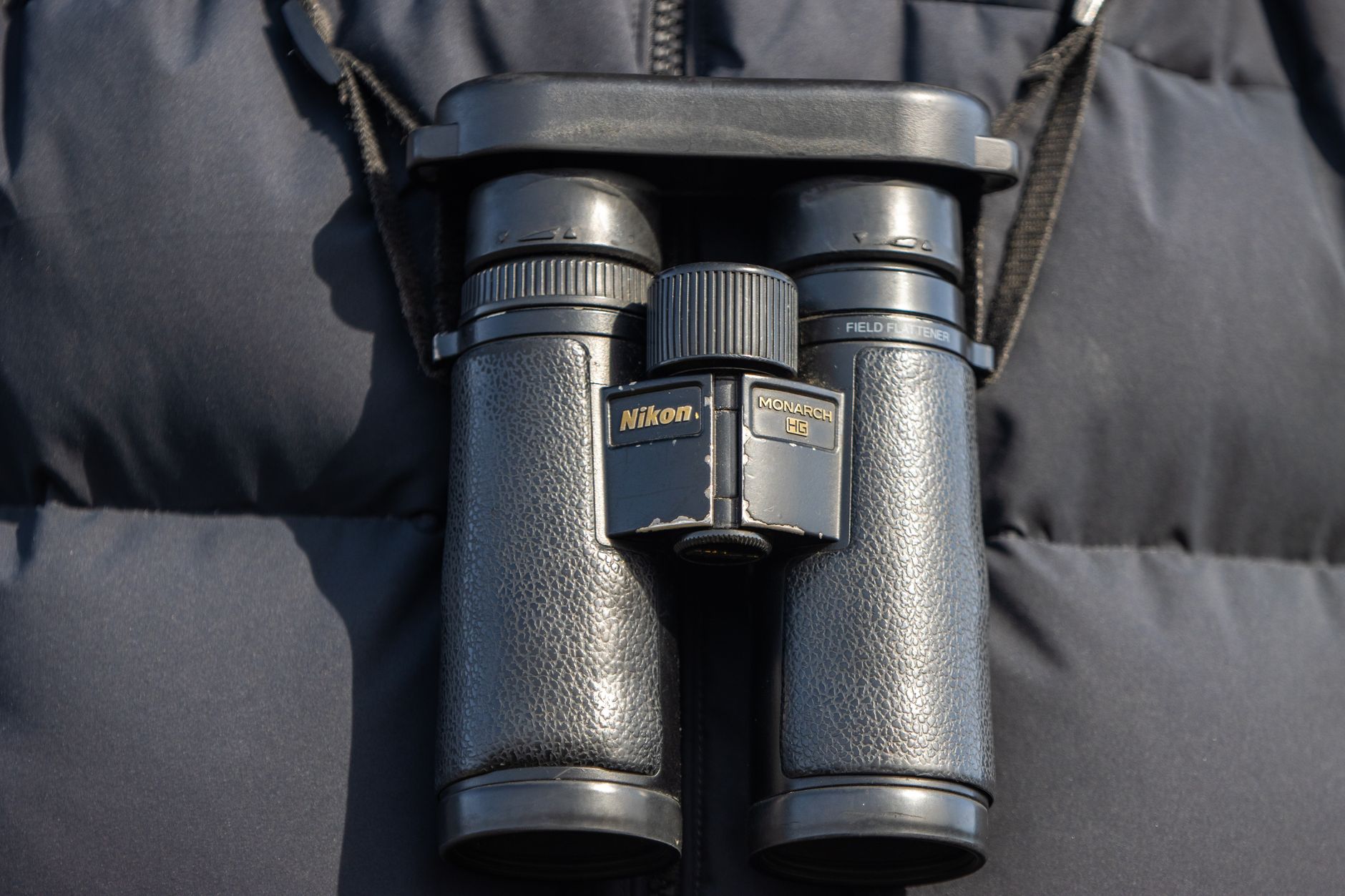
The UK birdwatching viral rare bird sighting has become its own peculiar cultural event, part natural history, part internet spectacle, entirely British. And the people at the centre of it, clutching their Swarovski binoculars and speaking with quiet authority about primary feather patterns, are becoming recognisable names in ways they absolutely did not plan for.
What actually triggers a national twitch
Britain sits at an extraordinary geographical crossroads for migrating birds. The long coastlines, offshore islands, and prevailing westerly winds mean that storm-driven vagrants from North America, Siberia, and the Middle East wash up here with surprising regularity. The RSPB estimates that the UK has recorded over 600 species, with new arrivals still appearing most years. Each one is a potential flashpoint.
When a Pallas’s grasshopper warbler appeared on the Shetland island of Unst in October 2024, the original finder, a local birder named Derek Leask, posted a single grainy shot to BirdGuides. Within six hours it had been shared by twitching accounts with fifty thousand followers. Within two days, light aircraft and charter boats were ferrying visitors up from Aberdeen. Leask, who had been quietly watching birds on Unst for fifteen years, suddenly had journalists asking him about his “discovery.” He found the whole thing mildly baffling, he said in one interview. The bird had just been there.
That gap between the birder’s experience and the public’s reaction is exactly where the fame happens. The finder doesn’t feel like a star. The internet disagrees.
The anatomy of a viral sighting
Speed is everything. BirdGuides, RBA (Rare Bird Alert), and the various county WhatsApp groups move information faster than any newsroom. A rarity confirmed at 07:30 can have a crowd assembled by 10:00. The person who posts first, with the clearest image and the most precise grid reference, becomes the de facto authority, and their account gets followed by everyone who arrives, everyone who didn’t make it, and everyone who’s just there for the spectacle.
What social media has changed is the audience beyond birding. A crystal-clear video of, say, a cedar waxwing perched on a hawthorn bush in Cornwall travels well beyond the birding community. The colours are extraordinary. The rarity is explained in the comments. Non-birders share it because it’s beautiful. Suddenly the original poster is fielding messages from people who’ve never heard of a twitcher in their lives.
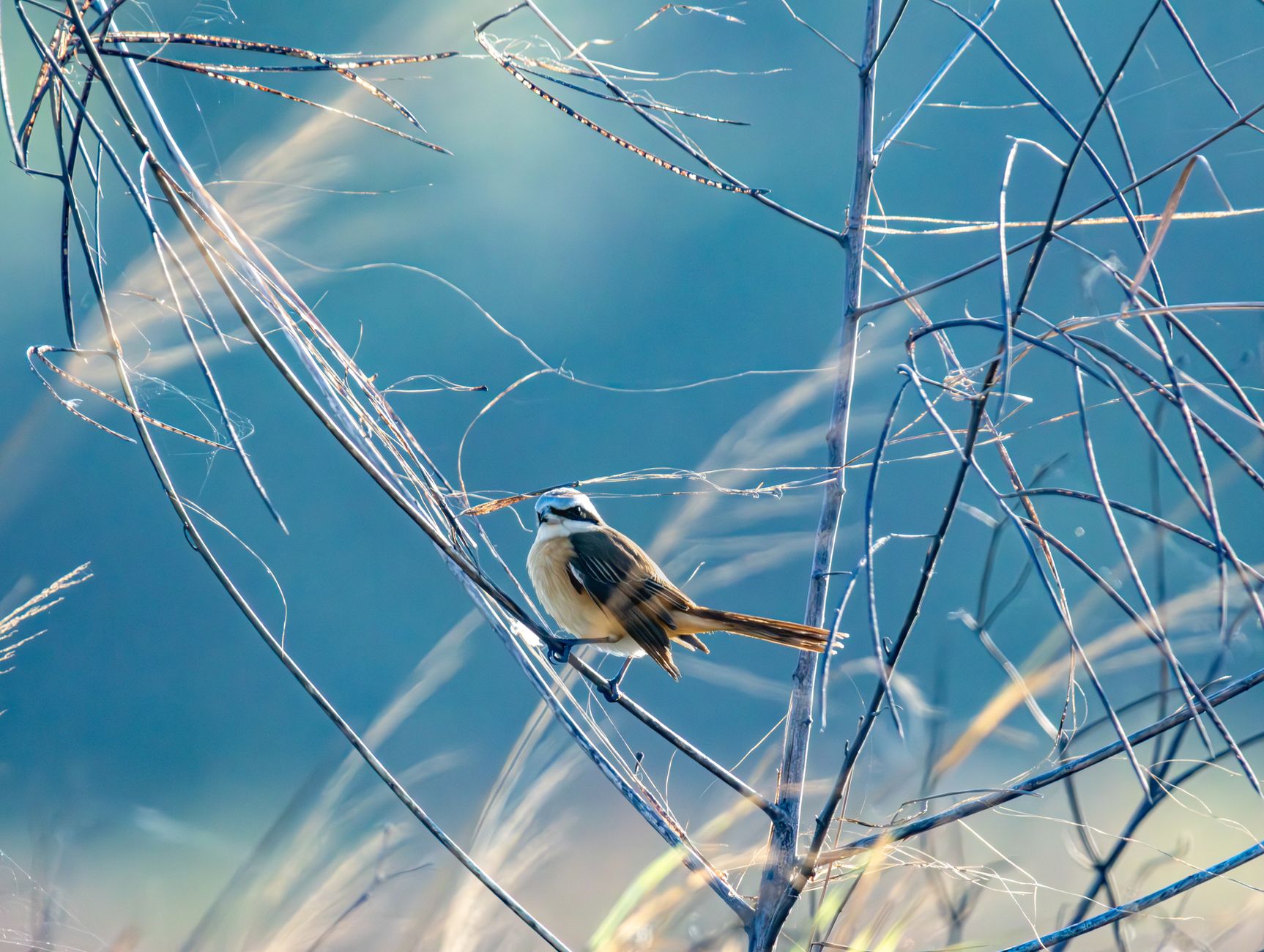
I’ve watched this happen a few times now. The pattern is remarkably consistent. The finder gets a rush of followers. A few YouTubers or wildlife content creators drive down to film the scene, not just the bird, but the crowd of people watching the bird, which is its own odd spectacle. Someone films a retired geography teacher from Wolverhampton weeping quietly when the bird finally shows. That clip gets half a million views. The geography teacher becomes briefly, gloriously famous. So does the person who filmed them. So does the bird.
When a quiet village gets overwhelmed
The local impact of a major twitch can be genuinely dramatic. When a white-throated robin turned up at Portland Bill in Dorset a few years back, the small car park at the observatory filled within ninety minutes of the news breaking. Cars lined the road for half a mile. Locals who had nothing to do with birdwatching found their driveways blocked and their village shop cleared of sandwiches by midday.
Most birders are considerate, the community has strong norms around not disturbing landowners and staying on footpaths, the kind of thing the dedicated footpath volunteers who keep Britain’s trails navigable would recognise immediately. But sheer numbers can overwhelm even the best intentions. Some village shops and cafes do very well out of it. Some residents do not enjoy the sudden disruption at all.
The finder of the bird is rarely to blame, but they sometimes feel responsible anyway. That weight is part of what makes these people interesting. They’re not trying to cause a scene. They just saw something remarkable.
Who actually becomes famous from this
It’s not always the finder. Sometimes it’s the person who sets up a livestream of a popular rarity, there have been cases of single-species streams running for days, with tens of thousands of viewers watching a distant smudge on a marsh. The person behind the camera, explaining what they’re seeing in calm, knowledgeable commentary, becomes a trusted voice almost immediately. That’s a skill. It’s closer to broadcast presenting than most people realise.
County bird recorders, the volunteers who officially adjudicate sightings and compile annual reports, occasionally find themselves pulled into the spotlight too. They’re the ones who confirm whether something is genuine, and in an era of digitally altered photographs and genuine misidentifications, that authority matters. I’d argue they’re some of the most underrated experts in British natural history, doing meticulous, unsung work that the internet occasionally rewards with a brief burst of appreciation.
There’s a parallel here with other quietly dedicated British communities. The amateur meteorologists who post hyperlocal weather data have built similar followings through consistent expertise rather than any particular desire for attention. The recognition, when it arrives, tends to feel slightly surreal to people who were just doing something they loved.
The building blocks of a birdwatching audience
For birders who want to build something more sustained, a YouTube channel, a Substack, a local patch blog, the viral moment is usually a launching pad rather than the whole story. The ones who keep an audience are those who can contextualise what they’re seeing: explain why a particular vagrant ended up on a Shetland clifftop, what the bird’s normal range looks like, what it means for it to be here. That educational layer is what turns a one-off viral clip into a subscription.
The growth of high-quality affordable optics and mirrorless cameras with long telephoto lenses has also raised the production standard considerably. What used to require expensive professional equipment is now achievable with a decent second-hand zoom lens and a steady hand. The images coming out of the birding community in 2026 are, frankly, stunning. Some of the best wildlife photography in Britain right now is being produced by people whose day jobs have nothing to do with photography.
It’s a reminder that expertise and passion, patiently applied over years, can produce something genuinely remarkable. And that sometimes all it takes for the world to notice is one very lost bird landing in the right bush at the right moment. Rather like the bingo callers who found sudden stardom through a single recorded moment, these birders rarely see it coming.
One final, slightly unexpected observation: the people who build the most durable followings from birdwatching content tend to be deeply embedded in specific places. A patch birder who knows every hedgerow on a particular stretch of the Yorkshire coast, who can tell you which field the golden plover flock uses in November and which ditch the jack snipe returns to every winter, that specificity is what audiences connect with. Fame, when it comes from genuine knowledge of a place, tends to stick.