Author Profile

  • The Rise of Micro-Celebrities: Why Having 10,000 Followers Is the New Fame

    The Rise of Micro-Celebrities: Why Having 10,000 Followers Is the New Fame

    Something quietly shifted in British culture over the past few years, and most people didn’t notice it happening. The posters on bedroom walls used to feature Hollywood stars and chart-toppers. Now teenagers follow a woman in Leeds who reviews budget homeware, a bloke in Glasgow who cycles canal towpaths every weekend, or a mum in Bristol who documents fostering dogs. These people are not famous in any traditional sense. But they have something many A-listers have completely lost: genuine trust. Micro-celebrity social media is not a consolation prize for people who couldn’t make it big. It has become, for many creators and their audiences alike, the preferred form of fame entirely.

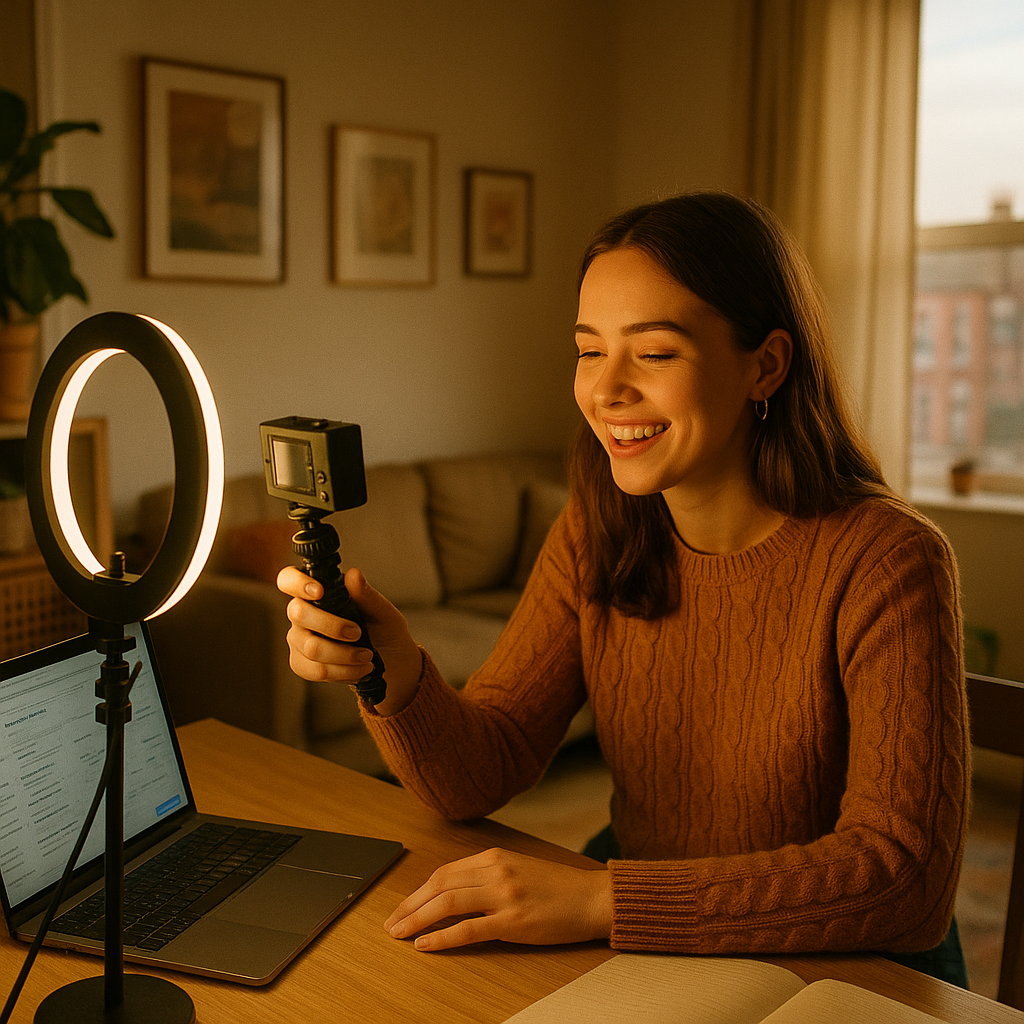
    Young UK creator building a micro-celebrity social media presence from her flat
    Young UK creator building a micro-celebrity social media presence from her flat

    What Actually Counts as a Micro-Celebrity?

    The term gets thrown around loosely, but most researchers and industry observers settle on a follower range of roughly 1,000 to 100,000 across a single platform. Within that, you’ll often hear “nano-influencer” applied to accounts under 10,000 followers. The distinction matters less than the underlying dynamic: these are creators who built audiences around a specific interest, identity, or community, rather than general celebrity. A micro-celebrity on social media typically has an engagement rate that would make a mainstream brand jealous. While a pop star’s Instagram post might attract likes from 0.5% of their followers, a passionate narrowboat enthusiast with 8,000 subscribers on YouTube routinely sees 12% to 20% engagement. Numbers like that represent real attention, not passive scrolling.

    The cultural pull is real too. According to Ofcom’s Adults’ Media Use and Attitudes research, younger UK audiences increasingly report that they find online creators more relatable and trustworthy than traditional celebrities. That’s not a trivial finding. Relatability has replaced aspiration as the dominant currency of modern fame.

    Why Are We Falling Out of Love With A-List Celebrity?

    It isn’t that people have stopped caring about culture. It’s that the version of fame sold to previous generations, the untouchable star living in a mansion, photographed at premieres and carefully managed by publicists, feels distant and increasingly hollow. The parasocial relationship that fans used to have with A-listers has fractured. Too many celebrity scandals, too many out-of-touch moments during difficult economic times, too many polished brand deals that feel nothing like a real recommendation. The post-pandemic shift in values played a part too. People wanted authentic connection, not aspirational performance.

    Meanwhile, micro-celebrity social media filled the gap beautifully. When someone with 7,500 Instagram followers recommends a specific brand of gardening gloves, their audience believes them. They’ve watched this person get soil on their hands every Sunday for two years. There’s a history there. A context. That kind of credibility takes decades for traditional celebrities to build, if they ever manage it at all.

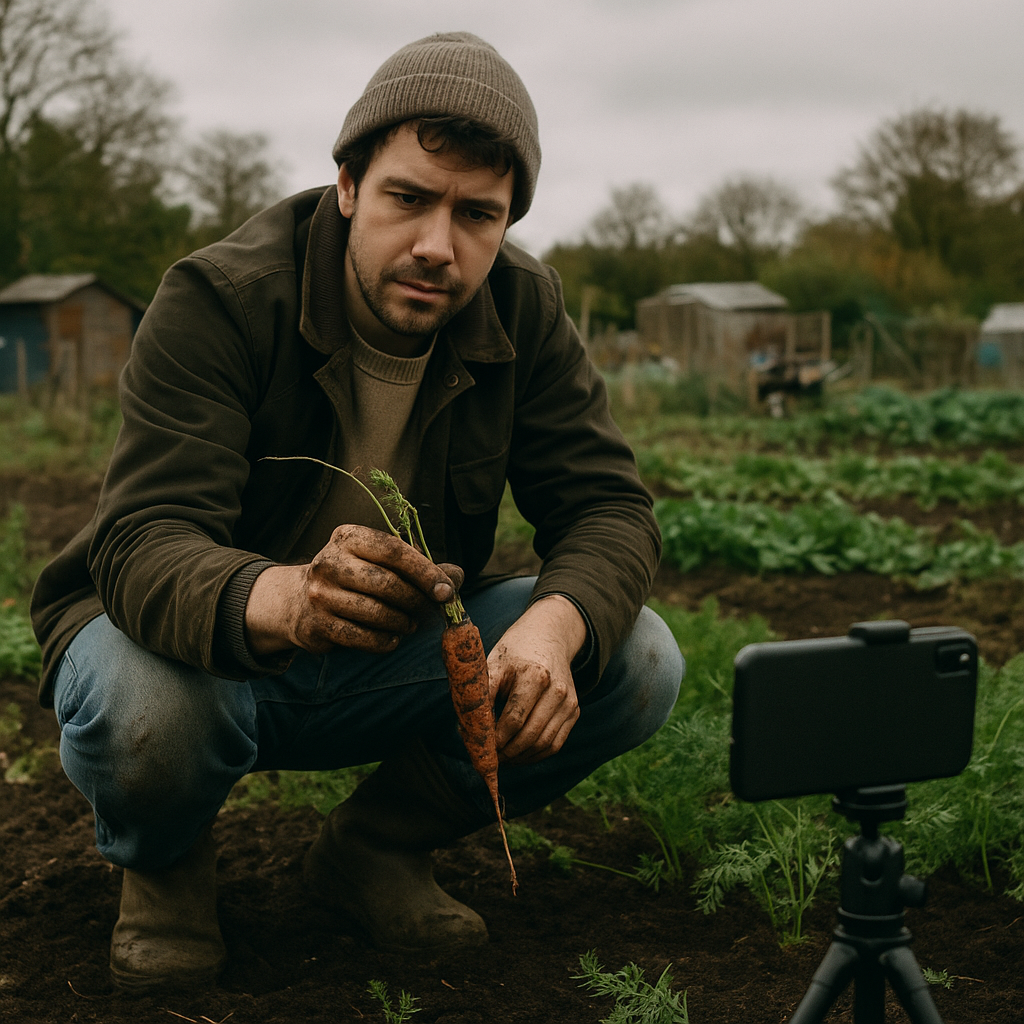
    British allotment creator recording content for micro-celebrity social media channel
    British allotment creator recording content for micro-celebrity social media channel

    The Niches That Are Thriving Right Now in the UK

    Certain pockets of micro-celebrity culture are absolutely buzzing on these islands at the moment. Allotment gardening has produced a remarkable cluster of committed creators, particularly on YouTube and TikTok, where grow-your-own content pulls in the kind of loyal viewership that TV gardening shows spend millions trying to achieve. Similarly, British walking and wild camping content, canal boating vlogs, local history deep-dives, and honest personal finance breakdowns are all generating micro-celebrity status for ordinary people who simply know their subject well.

    Football also fragments interestingly here. The Premier League might generate global A-list fame, but micro-celebrity social media has created a whole ecosystem of non-league football creators, covering clubs from the Northern Premier League to the Southern Counties East Football League, attracting tight-knit communities of supporters who care deeply about the content. These are real audiences, not inflated numbers.

    Practical Tips for Building Your Own Micro-Celebrity Status

    If any of this is making you think seriously about building your own niche presence, the good news is that the entry point has never been more democratic. The bad news is that everyone else knows this too. Here’s what actually works.

    Go narrower than feels comfortable

    The instinct is to cast a wide net. Resist it. “Interior design” is a category. “Small flat transformations on a £500 budget in the north of England” is a niche. The more specific your focus, the faster the right audience finds you, and the more loyal they tend to be. Generalist accounts plateau; specialist ones compound.

    Show up consistently, not obsessively

    Consistency beats frequency. Posting twice a week for two years will outperform daily posting for three months every time. The algorithm rewards sustained signals, but more importantly, audiences develop habits around creators who are reliably present. Missing a week matters far less than vanishing for three months.

    Talk to your audience, not at them

    Reply to comments. Ask questions at the end of posts. Use polls and Q&As on Instagram Stories. The micro-celebrity advantage over A-list fame is precisely this two-way relationship. Preserve it. The moment you start treating your audience as a metric rather than a community, you start losing what makes micro-celebrity social media actually work.

    Pick one platform and master it before branching out

    Every platform has its own grammar. YouTube rewards long-form authority. TikTok rewards personality and speed. Instagram rewards aesthetic consistency and Reels discovery. LinkedIn rewards professional insight and personal stories framed around work. Choose the one where your audience already lives, learn how it actually distributes content, and build depth before breadth.

    Collaborate with people at a similar level

    Cross-promotion between micro-creators at a comparable follower count works remarkably well. You’re not trying to get a shoutout from someone with a million followers; you’re building a mutual audience with someone whose community overlaps with yours. These collaborations feel organic because they are, and audiences respond to that.

    Is This Actually a Sustainable Form of Fame?

    The honest answer is: more sustainable than viral fame, less predictable than a traditional career. Many UK micro-celebrities supplement income through a combination of brand partnerships, membership platforms like Patreon or Substack, digital products, live events, and, in some cases, traditional media commissions that came directly from their online presence. The BBC, Channel 4, and various magazine publishers actively scout niche creators now, recognising that a dedicated community is worth more than a flashy follower count.

    There’s also something worth saying about the personal satisfaction angle. Interviews with creators who’ve built audiences in the 5,000 to 50,000 range consistently show higher reported wellbeing than those who’ve experienced sudden viral fame. The slow build creates identity stability. You know who you are, what you make, and who you make it for. That clarity is genuinely rare in any creative field.

    The Shift Is Already Permanent

    A-list celebrity culture isn’t disappearing. But its monopoly on public attention is gone. Micro-celebrity social media has carved out a permanent, respected, and often financially viable alternative. The follower count that would have seemed embarrassingly small a decade ago now represents something far more valuable: an audience that actually wants to hear what you say. In 2026, that’s the whole game. Ten thousand people who trust you completely is worth more than ten million who barely remember your name.

    Frequently Asked Questions

    What is a micro-celebrity on social media?

    A micro-celebrity is typically a creator with between 1,000 and 100,000 followers who has built a loyal, niche audience around a specific topic or identity. Unlike traditional celebrities, they are defined by high engagement rates and genuine trust with their community rather than broad public recognition.

    How many followers do you need to be considered a micro-celebrity?

    There’s no single official threshold, but most industry definitions place micro-celebrities in the 1,000 to 100,000 follower range. The more important measure is engagement: a micro-celebrity with 8,000 highly engaged followers is often more influential within their niche than a passive account with 500,000.

    Can micro-celebrities in the UK earn money from their platforms?

    Yes. UK micro-creators typically earn through a mix of brand partnerships, digital products, Patreon or Substack memberships, and live events. Some are also commissioned by traditional media outlets including the BBC and magazines that actively seek niche creators with proven, dedicated audiences.

    Which social media platforms are best for building a micro-celebrity following in 2026?

    The best platform depends on your niche and content style. YouTube suits long-form, authoritative content; TikTok rewards personality-driven short video; Instagram works well for visual niches with strong Reels discovery; and LinkedIn is effective for professional or workplace-adjacent topics. Mastering one platform before expanding is strongly advised.

    Why are micro-influencers considered more trustworthy than A-list celebrities?

    Micro-influencers build credibility over time within a specific community, meaning their recommendations feel personal and grounded rather than commercially arranged. Ofcom research confirms that younger UK audiences consistently rate online creators as more relatable and trustworthy than traditional celebrities, largely because the relationship feels two-way and genuine.

  • The Fame Experiment: What Would You Actually Do With 24 Hours of Public Attention?

    The Fame Experiment: What Would You Actually Do With 24 Hours of Public Attention?

    Most people have a vague fantasy about going viral. A tweet takes off, a video gets shared by someone massive, a news story picks you up out of nowhere. For one extraordinary day, thousands, maybe millions, of strangers know your name. Then the question hits: what do you actually do with it? A viral moment strategy is not just about grabbing attention; it is about converting that attention into something that outlasts the algorithm’s short memory.

    A person standing alone on a spotlit stage representing a viral moment strategy
    A person standing alone on a spotlit stage representing a viral moment strategy

    The uncomfortable truth is that most people who experience a sudden spike in public interest do almost nothing with it. They enjoy the notifications, post a follow-up, and watch the numbers slowly drain away. Within a week, the search traffic has gone. Within a month, they are forgotten. But a small, intentional minority treat that window differently. They have a plan before the moment arrives, or they think fast enough to build one in real time. The gap between those two groups is where the interesting stories live.

    Why a Viral Moment Strategy Matters More Than the Moment Itself

    Attention is a currency with an extremely short shelf life. When a post or story breaks through, there is usually a 24 to 72 hour window where incoming curiosity is at its peak. After that, the world moves on to the next thing. The people who make lasting use of that window understand one thing: they are not selling themselves, they are offering a door. The door might lead to a newsletter, a product, a petition, a portfolio, or a community. The specific destination matters far less than having one ready.

    Consider what happened with Nathan Apodaca, the man who skateboarded to work sipping cranberry juice and lip-syncing to Fleetwood Mac in a video that became one of the most-shared clips of the early 2020s. Within days, he had brand partnerships, a new truck gifted by Ocean Spray, and a platform that he used to amplify causes he cared about. He did not manufacture the moment; he responded to it with warmth and openness. The lesson is not to replicate his content but to note that he made himself available, personable, and clear about who he was beyond the clip.

    Real People Who Turned 24 Hours Into a Lasting Career

    UK examples are just as compelling. When baker Julia Deane appeared in a regional news segment about unconventional sourdough flavours, she had the good sense to pin her online shop link to every social profile before the interview even aired. The segment was picked up by a national lifestyle outlet, and she had three months of pre-orders within 48 hours. She has since spoken at food entrepreneurship events and runs workshops. The bake was interesting; the preparation was the actual business move.

    Hands typing on a laptop planning a viral moment strategy with notes scattered nearby
    Hands typing on a laptop planning a viral moment strategy with notes scattered nearby

    Closer to the cause-driven end of the spectrum, Femi Nylander, a spoken word poet, used a single viral performance clip shared by a high-profile account to redirect followers to a reading programme he had been quietly running for young people in South London. The spike in interest brought in donations, volunteer tutors, and a publishing connection that resulted in an anthology. He did not pivot his identity; he channelled the attention straight back to something he was already doing. That is a crucial distinction. The most effective responses to sudden fame are extensions of existing work, not reinventions.

    The Thought Experiment: What Is Your One Door?

    Here is the honest thought experiment. Imagine that tomorrow, something you have done, said, or made reaches half a million people. It might be a business idea you sketched out, a skill you demonstrated, a cause you champion, or something genuinely funny that captured a universal feeling. What happens next depends entirely on what door you have waiting.

    Think through it practically. Do you have a place to send people that clearly explains what you do and invites them to stay connected? Is there an email list, a product page, a donation link, or a booking form ready? Can someone who lands on your social profile in that moment understand within ten seconds who you are and what you stand for? If the answer to any of those is no, you are leaving potential on the table.

    It does not need to be polished. Authenticity consistently outperforms production value in these scenarios. A handwritten sign photographed on a phone has converted more curious onlookers into loyal followers than many expensive campaigns. What matters is clarity of purpose. Someone who stumbles onto your moment should be able to feel immediately whether they belong in your world.

    How to Prepare Before the Moment Finds You

    Preparation sounds paradoxical when talking about unpredictable virality, but it is genuinely the most practical advice available. A few things are worth having in place regardless of whether your 15 minutes ever comes.

    First, maintain a coherent and current public profile somewhere, whether that is a simple website, a well-maintained social account, or a newsletter. Second, know your one-line answer to the question: what do you want people to do after they discover you? Third, have at least one thing someone can buy, join, support, or sign up for. It does not need to be grand. A community around a shared interest, a skills-based service, a cause with a petition; these are all valid endpoints.

    Interestingly, some of the most resourceful people who capitalise on unexpected attention come from fields completely unrelated to media. One example worth noting: a mechanic who posted a detailed breakdown of sourcing reliable Toyota 4×4 parts for off-road restoration projects went viral in enthusiast circles and used the traction to launch a consultancy business connecting restorers with specialist suppliers.

    The thread connecting every successful viral moment strategy is this: the people who benefit most are those who already know what they stand for. Fame, even fleeting fame, is a megaphone. It amplifies whatever is already there. If what is already there is clear, generous, and genuine, a single day of public attention can genuinely change the course of a career, a cause, or a business. That is not wishful thinking; it is a pattern that plays out with remarkable consistency. The only variable is whether you are ready when the moment arrives.

    Frequently Asked Questions

    How do you make the most of going viral?

    The key is having a clear destination ready before the attention arrives. Whether that is an email sign-up, a product page, a cause to support, or a booking link, you need somewhere to send curious visitors immediately. Respond to comments, stay present during the spike, and make it easy for people to stay connected beyond the initial moment.

    How long does viral fame actually last?

    Most viral moments have a meaningful traffic window of 24 to 72 hours, after which engagement drops sharply. Some stories get a second wave if picked up by larger media outlets, but you should plan around the first 48 hours being your most critical period. Acting quickly and decisively in that window is far more valuable than any follow-up post you make a week later.

    Can ordinary people really turn a viral moment into a business?

    Yes, and it happens more often than most people realise. The examples that make headlines tend to be dramatic, but smaller-scale conversions happen constantly. A single well-timed appearance, post, or video that reaches the right audience can generate enough interest to validate a product idea, fill a service calendar, or kickstart a community around a cause.

    What should you avoid doing when you suddenly get a lot of attention?

    Avoid scrambling to monetise too aggressively in the first 24 hours, as it can feel exploitative to a new audience. Also avoid making dramatic pivots or promises you cannot fulfil under pressure. The most common mistake is failing to redirect that attention toward something concrete, effectively letting the moment pass without capturing any of the goodwill it generated.

    Do you need a big following to benefit from a viral moment?

    Not at all. Many of the most impactful viral moments happen to people with small or non-existent followings before the event. What matters is what you do with the incoming traffic, not what you had before. A clear offer, an accessible contact point, and a genuine sense of purpose can convert even a modest wave of attention into something lasting.