

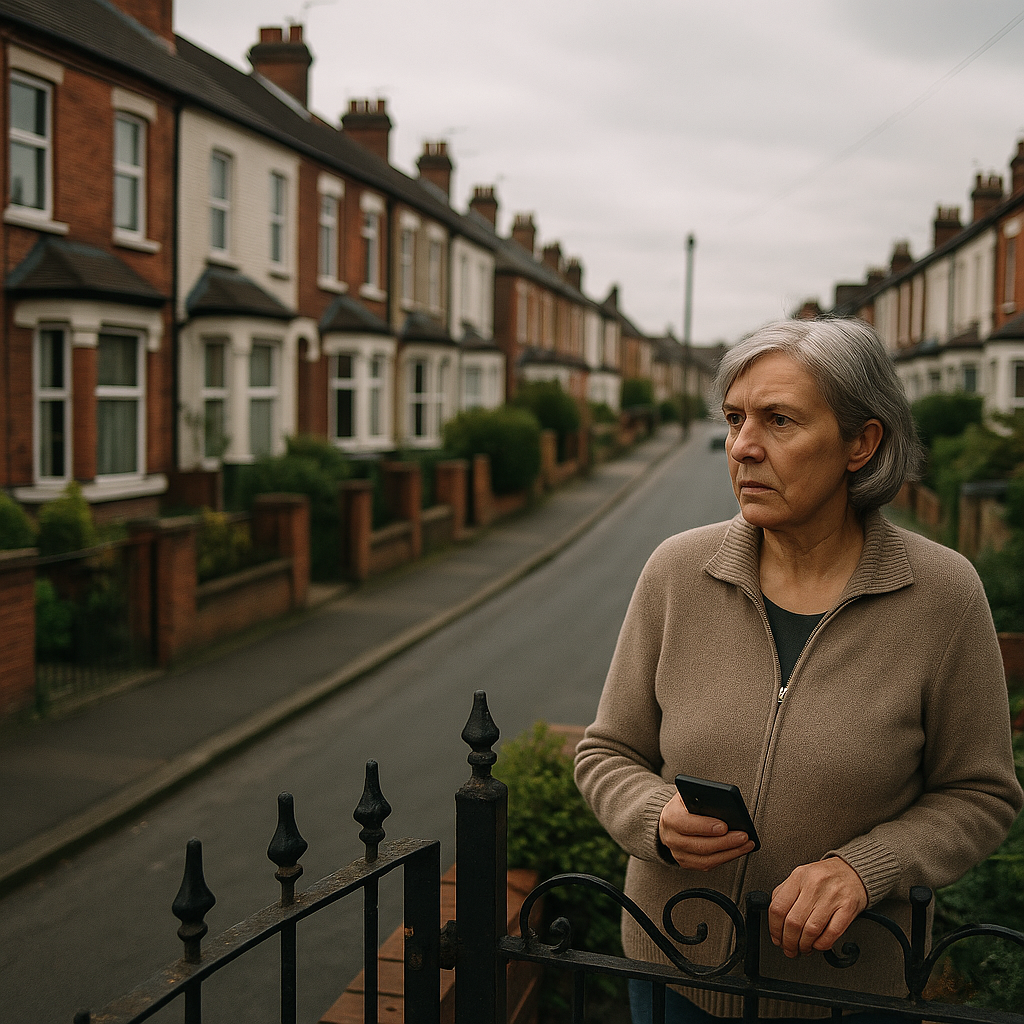
Every British neighbourhood has one. Sometimes two. The person who posts at 11 pm about a suspicious van parked outside number 43. The retired teacher who photographs every piece of litter within a 400-metre radius and submits it to the council with the precision of a forensic investigator. The woman who has catalogued every missing cat in a five-mile stretch since 2019 and treats each reunion as a personal triumph. These people are the community Facebook group legends of modern Britain, and without them, local life would be considerably duller.
What started as a fairly mundane digital notice board has, over the past decade, become something genuinely brilliant. Nextdoor, along with a sprawling ecosystem of parish Facebook groups, WhatsApp chains, and neighbourhood apps, has given a microphone to the passionate, the furious, the generous, and the wonderfully eccentric people who have always existed on British streets. The difference now is that the whole country can see them.
Why British Community Groups Breed a Very Particular Kind of Legend
There is something distinctly British about the community Facebook group legend. The posts tend to combine extreme politeness with barely suppressed rage. The classic format is something like: “I don’t want to cause any trouble and I’m sure whoever did this is a lovely person, BUT…” followed by a photograph of a wheelie bin placed three inches over a property line. The restraint, the passive aggression, the sheer effort put into framing a trivial grievance as a matter of public record, it is a uniquely national art form.
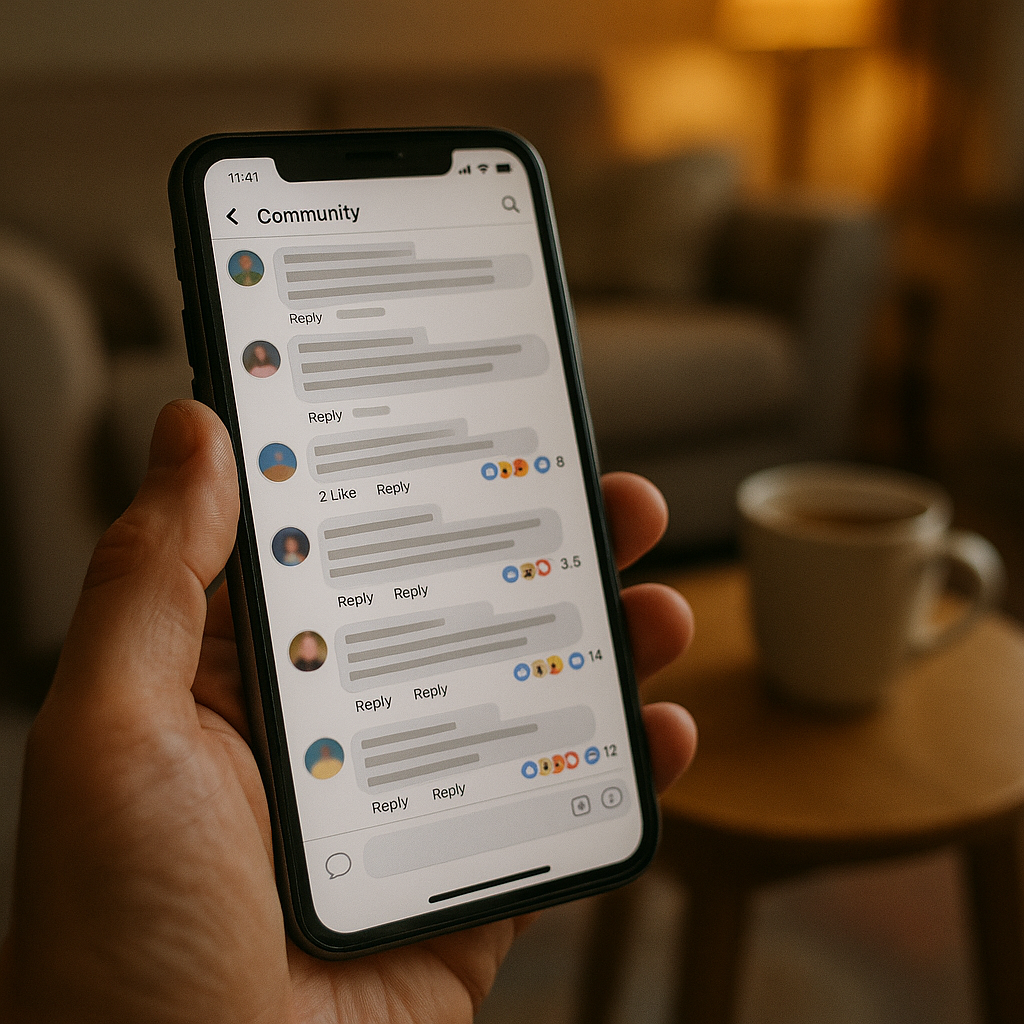
Nextdoor itself has become something of a museum of British temperament. A post about dog fouling near the community centre will attract 47 comments, 12 of which are people arguing about whether dog ownership should require a licence, and at least one person who has somehow made it about Brexit. These threads have a momentum all of their own, and at the centre of them, moderating, escalating, or simply narrating, is the hyperlocal poster in their element.
The BBC has covered this phenomenon more than once, noting how neighbourhood apps and social media groups have revived a form of community engagement that many assumed was dying. According to ONS data on community wellbeing, a sense of belonging to a local area is one of the strongest predictors of personal happiness, and for the hyperlocal poster, belonging is practically a full-time occupation.
The Archetypes That Every Group Has
Spend ten minutes in any British community group and you will spot the same characters recurring with uncanny consistency.
There is The Chronicler, the person who documents every road closure, planning application, and council decision with a thoroughness that puts local journalists to shame. They frequently know more about what is happening in the area than the council itself, and they will tell you so, politely but firmly.
Then there is The Cat Correspondent. Missing moggies are the bread and butter of any neighbourhood group, but the Cat Correspondent takes this seriously. They maintain a mental database of every local cat’s markings, temperament, and usual haunts. When a lost animal post appears, they respond within minutes. Their success rate is, genuinely, impressive.
Perhaps the most beloved is The Outraged. This contributor saves their energy for moments of genuine civic injustice, a skipped bin collection, a pothole that has existed since the Blair years, a planning application for something that will definitely ruin the character of the area (often debatable, but delivered with conviction). Their posts generate the most engagement, the most heat, and occasionally, real results.
When the Local Feed Goes National
The best community Facebook group legends eventually escape their own postcode. Screenshots travel. A particularly eloquent complaint about a rogue hedge in Cheshire ends up on Twitter. A heartfelt post about a local lollipop man retiring in Shropshire accumulates thousands of shares and a segment on regional news. A brilliantly passive-aggressive note about parking in a cul-de-sac in Leeds becomes a meme template.
This is the moment the hyperlocal poster achieves something like genuine fame. Not the manufactured kind, not the algorithm-chased kind, but the organic, earned-through-being-yourself kind that people actually respect. The posts that go national tend to share a quality: they are specific, they are heartfelt or hilariously earnest, and they feel like something your own neighbour might have written. The particularity is the point.
One notable example came from a Nextdoor thread in Bristol that went viral in 2023, when a resident’s multi-part investigation into the origin of a mysterious smell near the harbourside was picked up by local radio, then national outlets, and eventually resolved (it was a blocked drain) in a final post that attracted more relief than most sporting results manage. The original poster reportedly received neighbour appreciation cards through their letterbox. That is fame on a human scale, and it is genuinely lovely.
The Community Value Behind the Comedy
It would be easy to treat these figures purely as comedy, but that misses something important. The person who posts obsessively about the state of the local playground is also the person who notices when an elderly resident’s bins have not been put out for two weeks. The one who rallies the group to find a missing dog is often the same one organising a collection for a family who has had a difficult winter.
Community groups, for all their thread derailments and occasional fury over recycling, function as a genuine safety net. Research consistently shows that neighbourhoods with active informal communication networks respond better to local emergencies, support vulnerable residents more effectively, and report higher levels of trust. The community Facebook group legend is not just entertaining; they are doing quiet, consistent work that councils and charities cannot replicate.
For those who want to amplify their own hyperlocal voice beyond a single group, some have even moved into writing for wider audiences. There is a reason that publishing platforms and guest posts have seen a rise in community-focused contributors who began their writing life cataloguing neighbourhood disputes. The voice that works in a local group, direct, personal, specific, turns out to translate remarkably well to editorial content.
What Makes Them Legends Rather Than Nuisances
There is a fine line, of course. Every community group has at least one person who crossed it, who became the one everyone quietly mutes, whose posts trigger a collective sigh rather than genuine engagement. The difference between a legend and a nuisance tends to come down to intent. The community Facebook group legends who earn their status tend to be genuinely invested in the area rather than performing investment for personal validation. They celebrate the good stuff with the same energy they bring to the complaints. They know their neighbours’ names.
They are also, crucially, funny, usually without trying to be. The earnestness is not an affectation. When someone spends 400 words describing the audacity of a stranger feeding bread to pigeons outside the Co-op, the comedy comes from the absolute sincerity of the concern. That sincerity is what turns a post into a screenshot, and a screenshot into a small piece of cultural history.
British streets have always produced characters. The difference now is that there is a record, and an audience, and occasionally a journalist looking for a human interest story on a slow Tuesday. The community Facebook group legend did not ask for their 15 minutes. They just really needed people to know about the state of that hedge. And honestly, that is the best origin story there is.
Frequently Asked Questions
What is Nextdoor and how does it work in the UK?
Nextdoor is a neighbourhood social network where residents can post messages visible only to people in their local area. You verify your address when signing up, and posts cover everything from lost pets and local events to planning disputes and community alerts. It launched in the UK in 2016 and now has millions of active users across British neighbourhoods.
Why do community Facebook group posts go viral so often?
They tend to go viral because they are specific, relatable, and written with an earnestness that is hard to manufacture. A post about a rogue wheelie bin or a furious complaint about parking captures something universally British, even if the actual location is very particular. Screenshots travel easily and people tag friends who have experienced something similar.
Are community neighbourhood groups actually useful or just entertaining?
Both, genuinely. Research on community cohesion shows that active neighbourhood communication networks improve local resilience, help identify vulnerable residents, and build social trust. Alongside the entertaining disputes about hedges and pigeons, these groups coordinate genuine mutual aid, local volunteering, and emergency responses.
Has anyone become properly famous from posting in a local community group?
A handful of hyperlocal posters have been picked up by regional and national media, appeared on radio programmes, or had their posts turned into memes that circulated well beyond their original area. Most remain local legends rather than national celebrities, but that recognition within their own community is, arguably, more meaningful and lasting.
How can I find community Facebook groups or Nextdoor in my area?
Search for your town, village, or neighbourhood name on Facebook to find local groups, most areas have several covering different topics. For Nextdoor, visit nextdoor.com and enter your postcode to verify your address and join your local neighbourhood network. Many UK councils also link to these groups from their own websites.