

Long before anyone worried about algorithms or engagement rates, there were people lugging car batteries up to rooftops in South London and East Manchester, pointing a battered aerial at the sky, and broadcasting whatever they liked to whoever happened to be tuned in. Underground broadcasters have always existed on the fringes of British culture. What’s changed in 2026 is that those fringes have become the main event.
The journey from illegal transmitter to mainstream recognition is not as unlikely as it sounds. In fact, it’s happening right now, in real time, across the UK. Former pirate radio DJs, community station veterans, and bedroom podcasters are finding audiences that their teenage selves could never have imagined. And the tools that once locked them out are now, quietly, handing them the keys.
The Pirate Radio Legacy That Never Really Went Away
Pirate radio in the UK has a genuinely remarkable history. Stations like Rinse FM, which launched illegally from a tower block in Hackney in 1994, eventually became an Ofcom-licenced broadcaster. Kiss FM did the same. Reprezent Radio started as a community project in Brixton and is now a legitimate platform mentoring young people. These are not flukes. They are a pattern.
The Office of Communications (Ofcom) still logs dozens of illegal broadcast operations across the country each year, mostly in urban areas, mostly playing genres that commercial radio either ignores or treats as a niche curiosity. Grime, afrobeats, jungle, UK garage, bhangra, and hyper-local talk formats. The people running these operations know their audiences with a precision that BBC Radio 2 cannot match. That intimate knowledge of a community is exactly what advertisers and platform commissioners are beginning to pay serious attention to.
Why Underground Broadcasters Are Thriving in 2026
Three things have collided to give underground broadcasters their moment. Podcasting infrastructure has become almost free to use. Audiences have grown tired of the curated predictability of mainstream radio. And the cultural conversation has shifted towards authenticity in a way that benefits people who were never performing for a broad audience in the first place.
Spotify UK reported a significant rise in podcast consumption from 2024 into 2026, with listeners actively seeking out independent voices on topics commercial media barely touches. According to Ofcom’s connected nations research, audio consumption habits have shifted dramatically, with a growing share of listening happening outside traditional broadcast slots entirely.
That shift is a gift to underground broadcasters who built their entire identity around speaking directly to a room, a neighbourhood, or a scene. They were never trying to please everyone. That turns out to be a competitive advantage.
From Transmitters to Streaming: Real Stories Worth Knowing
Take Bobby Friction, who went from Asian underground radio to BBC Radio 1 and became one of the most recognisable names in British music radio. Or consider the countless smaller stories happening right now: a woman in Sheffield running a weekly podcast on South Yorkshire folklore with 40,000 regular listeners, a former hospital radio presenter in Bristol who launched a dementia-friendly audio magazine reaching care homes nationwide, a retired bus driver in Glasgow whose storytelling show about the city’s lost pubs has become a cult listen.
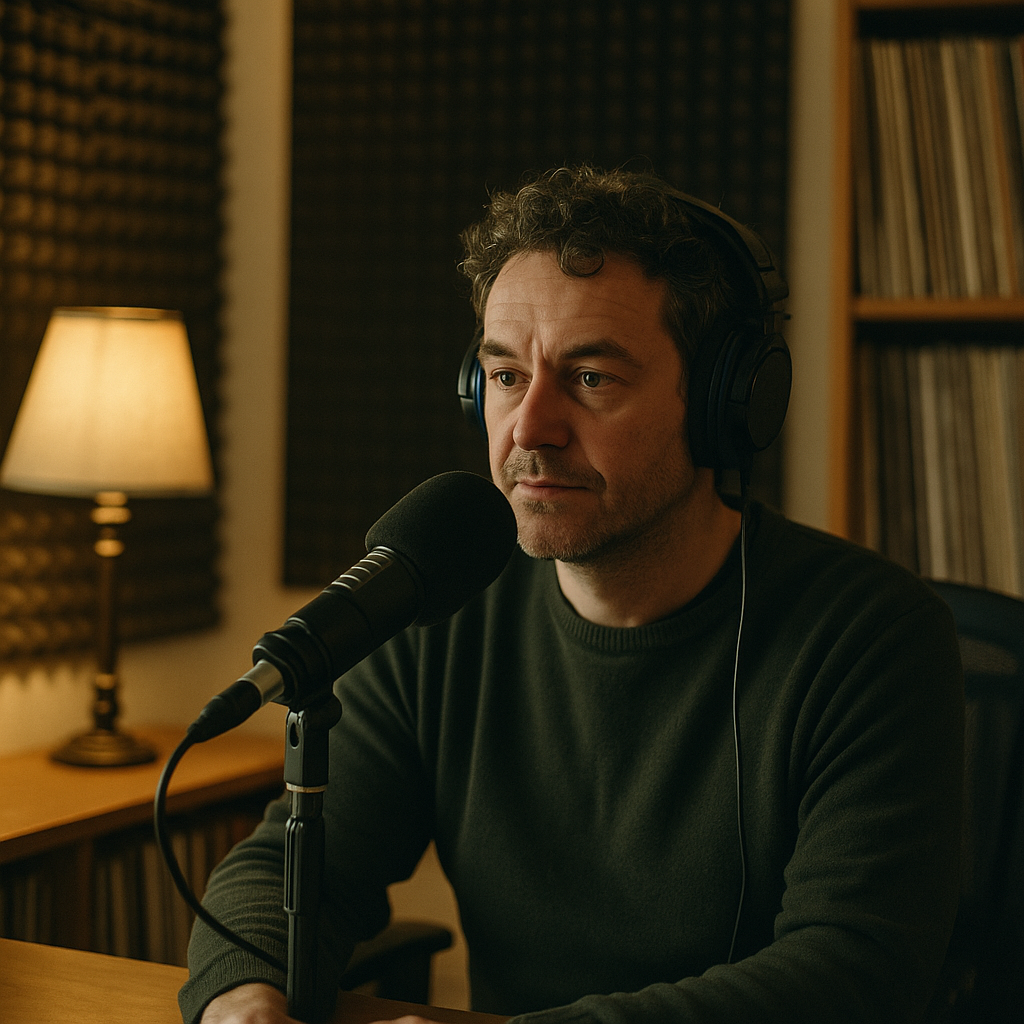
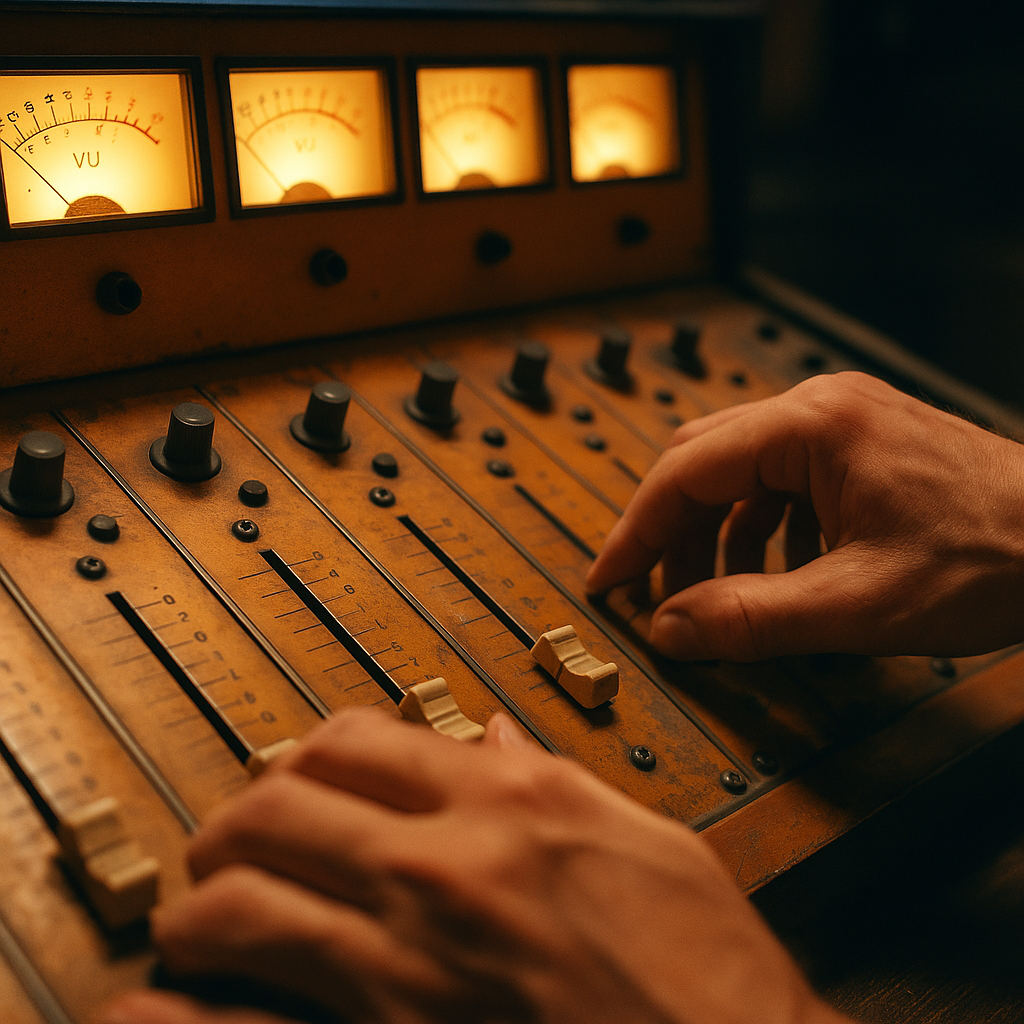
These are underground broadcasters in the modern sense. They are not necessarily illegal. But they are operating outside the traditional gatekeeping systems of broadcast media, and they are thriving. Their home setups frequently include a quality microphone, decent acoustic treatment, and a digital receiver for keeping an ear on the broader audio landscape. Some have even upgraded from streaming-only to hybrid formats, picking up on the resurgence of DAB radio as a legitimate distribution route for community-originated content.
What It Actually Takes to Build an Underground Audience
Consistency is the word every experienced underground broadcaster reaches for first. Not talent, not equipment, not connections. Showing up, week after week, and delivering something people want to return to. It sounds simple. It is not simple. The average independent podcast or community broadcast is abandoned within six months. The ones that survive past year one tend to go on to build something genuinely lasting.
Community is the second factor. Underground broadcasters who succeed are not broadcasting at an audience, they are broadcasting with one. They know their listeners’ names. They respond to messages. They adjust their content based on what their community tells them matters. This is not a strategy borrowed from a marketing handbook. It is what pirate radio DJs were doing in 1992 when they read out shout-outs for people in specific tower blocks. The technology has changed. The relationship has not.
The third factor, less discussed, is positioning. The best underground broadcasters are specific. Not a music show. A show about post-rave ambient music recorded in derelict industrial buildings in the Midlands. Not a true crime podcast. A hyper-local series about unsolved cases from a single county. Specificity builds loyalty, and loyalty builds reach.
Could You Be an Underground Broadcaster?
The honest answer is yes, if you have something real to say. The barrier to entry has never been lower. A decent microphone costs under £100. Free hosting platforms like Anchor (now part of Spotify) or Buzzsprout make distribution simple. If you want to reach a more traditional listenership, community radio licences are available through Ofcom for those wanting to operate legally at a local level, and the process is far more accessible than most people realise.
What matters far more than equipment is the same thing it has always been: a genuine connection to a subject, a scene, or a place that you can talk about with more depth, warmth, and knowledge than anyone broadcasting from a glass tower in central London. That is the whole competitive advantage of the underground. It always has been.
The Moment Is Now (But It Won’t Wait)
There is a window open right now for underground broadcasters that may not stay open indefinitely. The big platforms are still hungry for original voices. Audiences are still discovering independent audio content. The mainstream has not yet fully colonised the spaces where these shows live. People who start now, build consistently, and stay close to their communities have a genuine shot at something most of them never expected: being heard at scale, on their own terms.
That is the story of pirate radio. It was never really about the transmission. It was about the belief that your voice, your community, your music, your stories deserved to be heard. In 2026, that belief is not just romantic. It is fundable, distributable, and increasingly, unmissable.
Frequently Asked Questions
What is an underground broadcaster?
An underground broadcaster is anyone producing audio or radio content outside of traditional mainstream media channels, whether through podcasting, community radio, or independent streaming. The term has roots in illegal pirate radio but now covers a much broader range of independent voices operating legally or semi-legally.
How do I start my own podcast or community radio show in the UK?
You can start a podcast with minimal equipment, a basic microphone, free hosting via platforms like Buzzsprout or Spotify for Podcasters, and a clear idea of your niche. For community radio broadcasting, Ofcom offers community radio licences that allow legal low-power FM transmission to a local area, with guidance available on their website.
Is pirate radio still active in the UK?
Yes, Ofcom continues to detect and prosecute illegal broadcast operations across the UK, particularly in urban areas broadcasting genres underserved by commercial radio. However, many former pirate stations have transitioned to legal community licences or fully digital formats, following in the footsteps of stations like Rinse FM and Reprezent Radio.
Can you make money as an independent podcast broadcaster in the UK?
Independent podcasters can generate income through listener subscriptions, Patreon or similar platforms, sponsorship deals, live events, and merchandise. UK-based creators with loyal niche audiences often attract sponsors more readily than larger but less engaged shows, because advertisers value audience trust.
What makes underground broadcasters different from mainstream radio?
Underground broadcasters typically serve specific communities or scenes with a depth of knowledge and personal connection that broad commercial stations cannot replicate. They speak directly to their audience rather than performing for a mass market, which creates stronger listener loyalty and more genuine cultural relevance within their niche.