

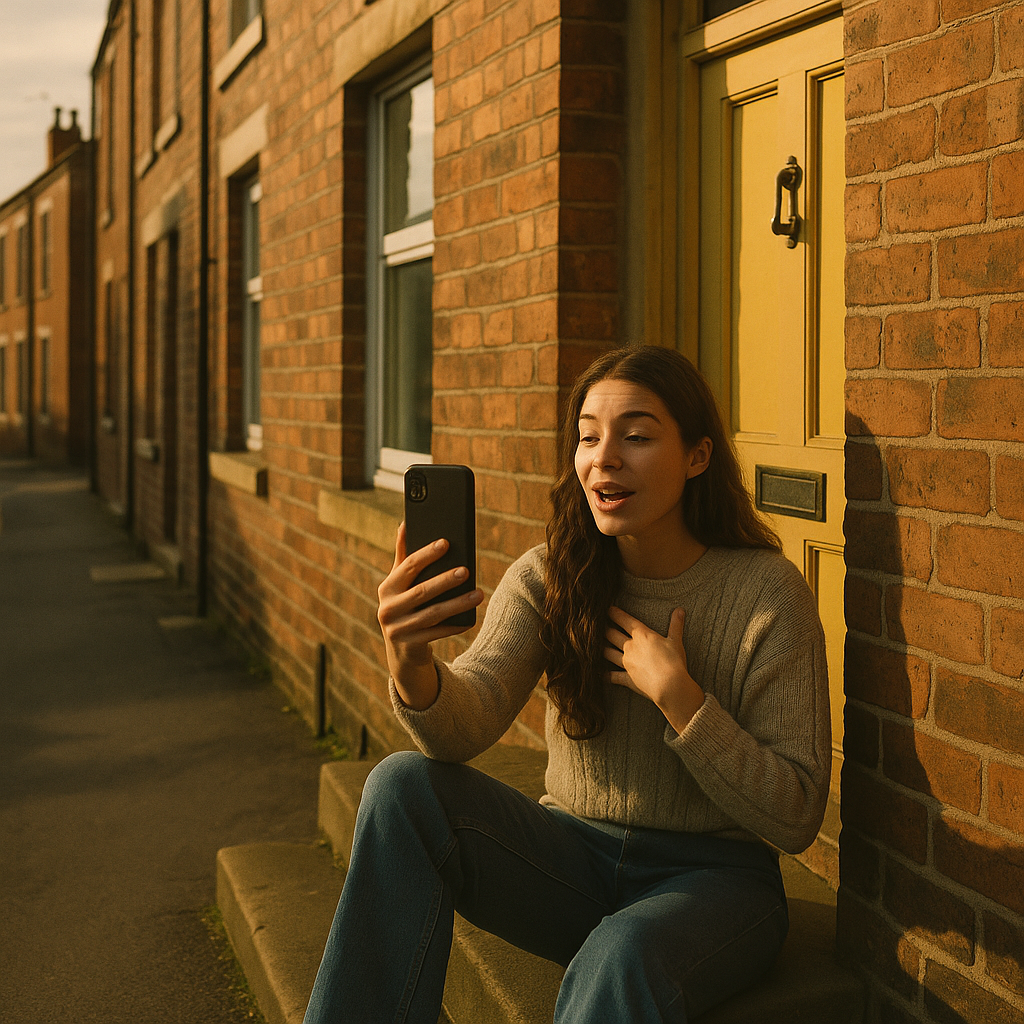
Something quiet and significant has been happening in the media landscape. Forget polished presenters and carefully branded influencers with teams behind them. The most compelling content in 2026 is increasingly coming from everyday storytellers: regular people with something genuine to say, a phone in their hand, and the courage to share it.
This shift is not accidental. Audiences have grown sharper, more sceptical of curated perfection, and hungrier for authenticity. When a retired nurse in Lincolnshire documents her local history walks to a growing audience of 80,000, or a scaffolder in Glasgow builds a loyal following by filming his lunch breaks and narrating his observations on city life, something important is being revealed about where media attention is actually flowing.
What Is Driving the Everyday Storyteller Movement?
There are several forces converging to make this moment possible. Platform algorithms have shifted significantly in the last two years, favouring watch time and genuine engagement over follower counts. This means someone with 500 followers whose videos get watched all the way through can reach more new people than an account with 50,000 followers producing content that gets scrolled past.
At the same time, production quality expectations have genuinely relaxed. Audiences now actively mistrust content that looks too produced. A slightly shaky camera held by someone walking through their neighbourhood whilst talking about something they actually care about lands differently to a studio-lit interview. It signals realness, and realness is the currency that everyday storytellers trade in.
There is also a generational factor. Younger audiences have grown up watching people on screens who look and sound like them. They have never needed a broadcaster’s permission to publish a thought, and they certainly do not need one to engage with content that speaks directly to their experience. The gatekeepers have not disappeared, but they have become considerably less relevant.
The Formats That Are Working Right Now
Everyday storytellers are finding their audiences across a surprisingly varied range of formats. The obvious ones include short video on TikTok and Instagram Reels, but some of the most loyal communities are forming around longer formats.
Substack newsletters from people who are not professional writers are outperforming some established media outlets on open rates. Podcast series recorded in spare bedrooms are racking up hundreds of thousands of listens. Even text-based threads on platforms like Bluesky and Threads are creating moments where someone’s personal account of an unusual experience becomes the most-shared thing of the week.
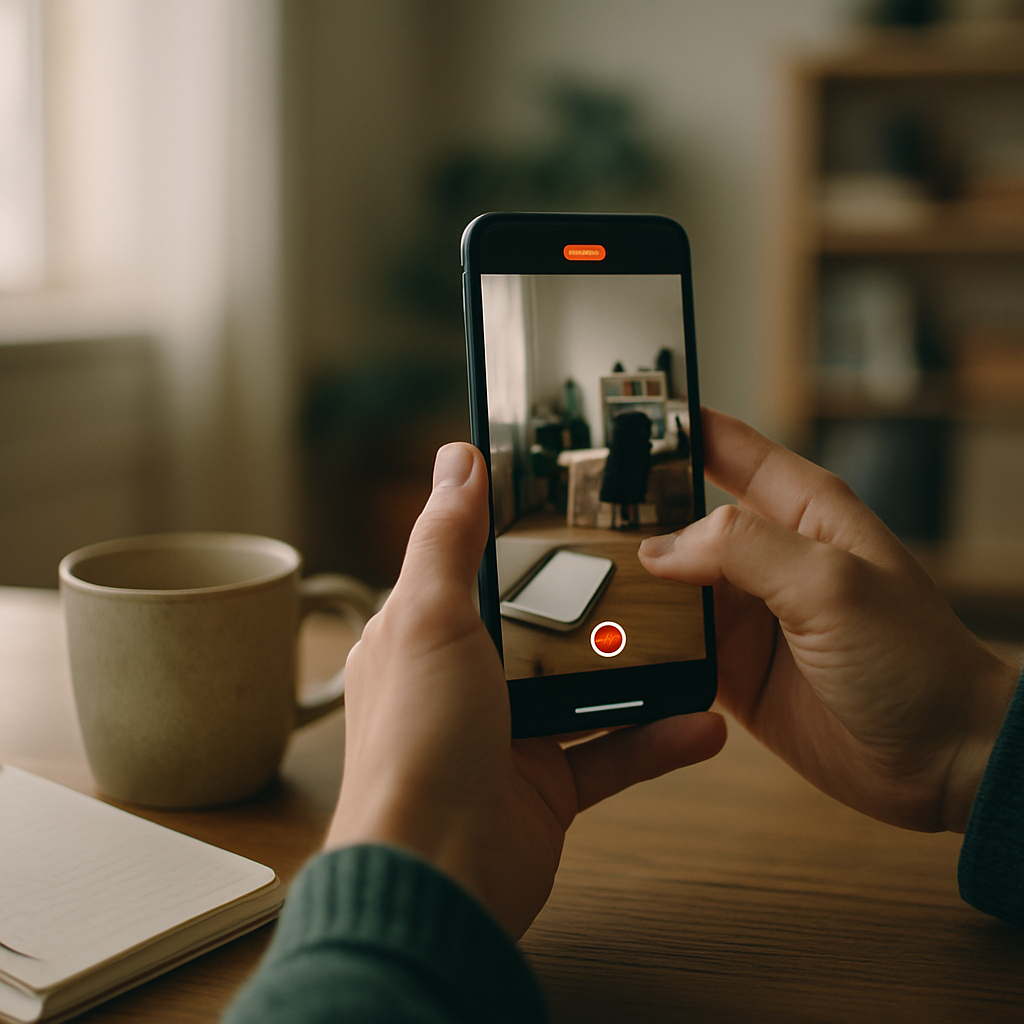
What these formats share is a conversational register. Everyday storytellers do not write or speak in press releases. They write the way they talk, and that directness is magnetic. When someone narrates a difficult experience at work, a strange encounter on public transport, or the peculiarities of their hobby, it resonates because it mirrors something in the reader’s own internal monologue. The best content in this space does not feel like content at all. It feels like a conversation with someone interesting at a party.
How Everyday Storytellers Are Building Genuine Audiences
The mechanics of growing an audience as an everyday storyteller differ from the influencer playbook. Consistency matters, but it is consistency of voice rather than of posting schedule. Audiences forgive gaps in output far more readily than they forgive content that feels inauthentic or chasing a trend that does not suit the creator.
Niche specificity is also proving to be an asset rather than a limitation. A person who documents the experience of living with a rare condition, restoring neglected canal boats, or working as a rural postwoman will find a deeply engaged audience, even if that audience is smaller than a generalist creator’s. Depth of connection matters more than breadth of reach when you are building something sustainable.
Many everyday storytellers have also discovered the value of putting their ideas into written form, particularly for longevity. A video gets watched once; a well-written piece gets shared for months. Understanding the basics of article publishing can significantly extend the reach of ideas that would otherwise disappear into a feed within 48 hours.
The Challenges That Come With the Territory
It would be dishonest to frame this purely as a golden opportunity without acknowledging the very real challenges. Burnout is genuine, particularly for creators who do not establish clear boundaries between their personal life and their public output. When your story is the product, there is a constant pressure to keep finding new material, and that pressure can be exhausting.
Privacy is another consideration that deserves more attention than it often gets. Everyday storytellers sometimes share details, without fully considering the implications, about family members, colleagues, or neighbours who have not consented to being part of someone else’s narrative. The most sustainable creators are those who have thought carefully about what is genuinely theirs to share.
Monetisation also remains more complicated than platforms often suggest. Meaningful income rarely arrives quickly, and the routes that do work, such as Patreon memberships, merchandise, or speaking opportunities, require effort and strategy beyond simply creating good content.
Why This Moment Matters Beyond the Individual
The rise of everyday storytellers matters not just for the individuals involved but for culture more broadly. Mainstream media has historically told a narrow range of stories about a narrow range of lives. When a Bangladeshi grandmother in Bradford shares her cooking and memories with 200,000 followers, or a young man with autism documents his experience of navigating social expectations, those stories enter the cultural record in a way they simply would not have a decade ago.
This is, genuinely, a democratisation of narrative. Not a perfect one, because platform access, digital literacy, and economic stability still create real barriers. But the direction of travel is clear. Everyday storytellers are filling gaps that professional media never prioritised, and audiences are responding with attention, loyalty, and gratitude.
The media landscape of 2026 is noisier, messier, and more interesting than anything that came before it. And at the heart of it, making it worth paying attention to, are ordinary people with extraordinary things to say.
Frequently Asked Questions
How do I start as an everyday storyteller with no audience?
Start by identifying one specific topic, experience, or perspective that genuinely belongs to you and that you could talk about with real depth. Publish consistently on a single platform for at least three months before evaluating your results. Audiences build slowly at first and then accelerate once you establish a recognisable voice and people begin sharing your work.
Which platform is best for everyday storytellers in 2026?
It depends on your preferred format and subject matter. TikTok and Instagram Reels work well for short, visual or personality-driven content. Substack suits writers who want a loyal newsletter readership. Podcasting is strong for conversational, long-form storytelling. Many successful everyday storytellers publish across two platforms, one for discovery and one for deeper engagement with their existing audience.
Can everyday storytellers make money from their content?
Yes, though it takes time and a deliberate approach. The most reliable income streams for everyday storytellers include platform creator funds, Patreon or Ko-fi memberships, brand partnerships with companies relevant to their niche, and selling their own products or services. Creators who have built a niche audience often find that smaller, loyal communities convert to paying supporters far better than large, passive followings.
Do I need expensive equipment to become a successful everyday storyteller?
No. Most successful everyday storytellers started with a smartphone and natural light. Audio quality matters more than video quality, so a basic clip-on microphone costing around £20 to £30 can make a noticeable difference. As your audience grows and you understand what content resonates, you can invest in better equipment, but early on, consistency and authenticity matter far more than production values.
What kind of stories do everyday storytellers share that get the most attention?
Content that performs consistently well includes personal experiences that reflect universal feelings, behind-the-scenes looks at unusual or underrepresented jobs and lives, local stories that have broader relevance, and honest accounts of navigating difficult situations. The common thread is specificity: the more concrete and particular the detail, the more relatable the content tends to feel, because specificity signals that the storyteller is telling the truth.