
Author Profile

  • What Really Happens After Your 15 Minutes of Fame Are Over: Stories from Former Viral Stars

    What Really Happens After Your 15 Minutes of Fame Are Over: Stories from Former Viral Stars

    One day you’re nobody. The next, your face is on every timeline, your notifications won’t stop, and strangers are tagging you in memes you didn’t consent to. Then, just as suddenly, it’s quiet. The views plateau. The shares stop. The world moves on to the next thing. Life after going viral is one of the most disorienting experiences a person can have, and almost nobody talks about what it actually feels like once the dust settles.

    We spoke to people who’ve been through it. Not celebrities. Not influencers with management teams and brand deals lined up. Ordinary people who stumbled into a moment, got their 15 minutes, and then had to figure out what came next. Their stories are funny, painful, surprising, and occasionally devastating. Here’s what they told us.

    Person reflecting on life after going viral, staring at their phone at a kitchen table
    Person reflecting on life after going viral, staring at their phone at a kitchen table

    The Moment It Happens — and Why It Feels Nothing Like You’d Expect

    Most people who go viral don’t plan it. A clip posted for a laugh. A tweet dashed off in frustration. A photo someone else took and shared without asking. The mechanics vary but the initial reaction is almost always the same: disbelief, then exhilaration, then something that starts to feel uncomfortably like dread.

    One woman from Manchester described posting a short video about a packaging fail she’d received from an online retailer. Within 48 hours it had 4.2 million views. “I felt amazing for about six hours,” she told us. “Then the comments started. Not horrible ones, just… so many. People tagging their mates, people giving unsolicited opinions on my kitchen, people asking where I got my jumper. I genuinely couldn’t keep up and I’d started to feel anxious about opening my own phone.”

    This is the thing nobody tells you about life after going viral. The fame isn’t like you imagined it would be. It’s not warm applause from a crowd who love you. It’s a firehose pointed directly at your face.

    The Financial Reality: Did Anyone Actually Make Money?

    This is the question everyone wants answered, and the honest answer is: most people didn’t, at least not in any meaningful way. A man from Bristol whose clip of a near-miss cycling incident racked up eight million views on Instagram received a single payment of £340 from a media licensing agency six months after the fact. “By that point I’d almost forgotten it happened,” he said. “It covered a couple of nights out, I suppose.”

    Platform monetisation is complicated, and most one-off viral moments don’t qualify for ad revenue at all. You need a channel with consistent subscribers, regular uploads, and audience retention metrics that a single spike simply can’t manufacture. Going viral once is, financially speaking, closer to winning a very small raffle than starting a business.

    Some people do find a route to converting attention into income. A woman from Leeds whose hand-painted birthday card design went viral in 2024 used the spike of interest to launch a small Etsy shop. She now makes roughly £800 a month from it, which she describes as “life-changing in a modest, sustainable way.” She was careful, though. She had a product. She moved quickly. And she understood that the moment wouldn’t last. The people who struggle most, she observed, are those who assume the attention will return if they just keep posting the same kind of content.
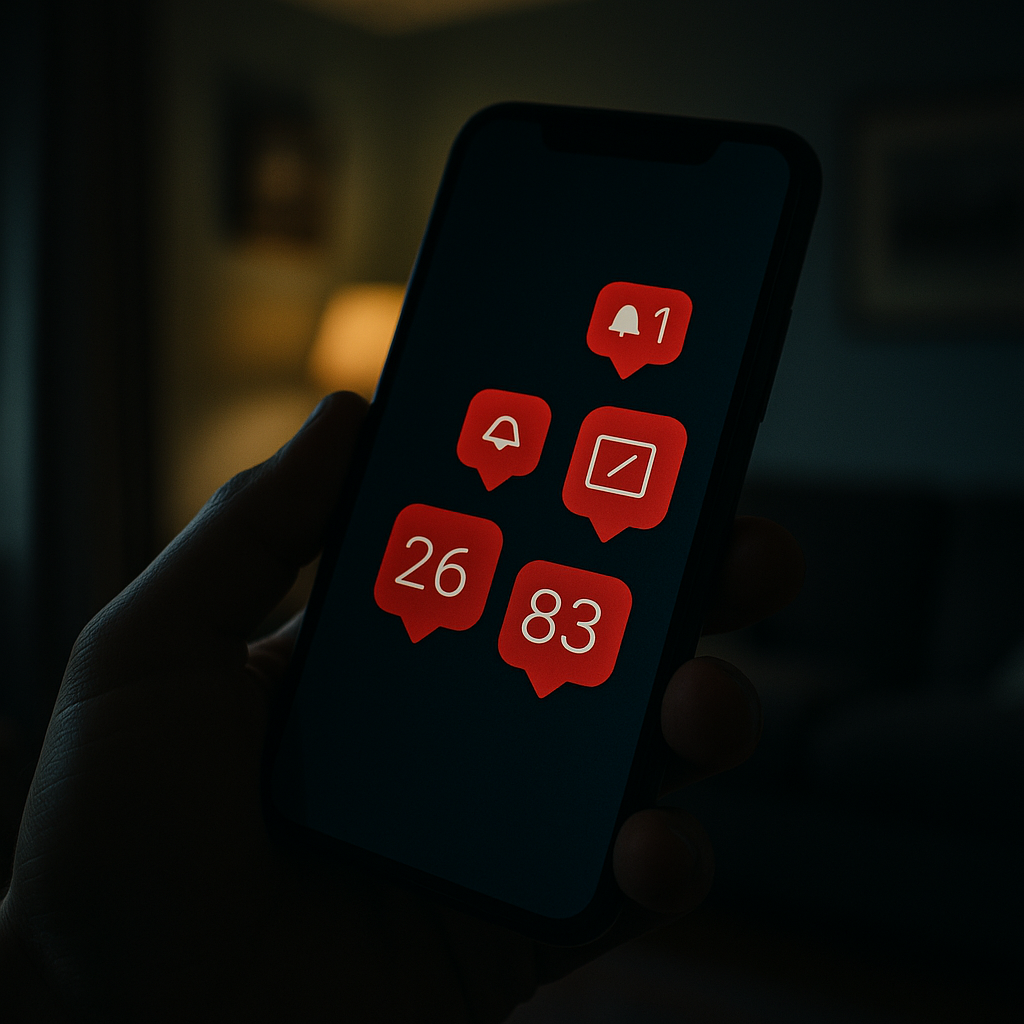
    Close-up of a mobile phone showing notification overload, symbolising the viral moment experience
    Close-up of a mobile phone showing notification overload, symbolising the viral moment experience

    What Happens to Your Social Life, Your Relationships, and Your Head

    The social and emotional fallout of life after going viral is probably the least-discussed and most significant aspect of the whole experience. Several people we spoke to mentioned a specific kind of loneliness that sets in once the moment passes.

    “People treat you differently for a while,” said a teacher from Coventry who appeared in a clip that became a minor sensation on X (formerly Twitter) in 2025. “Some friends thought it was hilarious and were genuinely happy for me. Others went a bit cold. I think they assumed I’d somehow become something I wasn’t, or that I’d get a big head. And then when it was over, there was this weird grieving feeling. Like, I know it sounds ridiculous, but I actually missed it.”

    That grief is more common than people admit. Psychologists refer to it as a form of identity disruption. For a brief window, the world decided you were interesting. Then it un-decided. That’s a genuinely strange thing to process, and people often don’t feel they’re allowed to be sad about it because it seems trivial compared to real hardship. But the feelings are real.

    There’s also the issue of how permanently the internet remembers. Several people mentioned the discomfort of their viral moment being the first search result for their name years later. One man from Edinburgh discovered his embarrassing clip still circulating in 2026, three years after it was posted. “I’ve had job interview panels bring it up,” he said. “Not unkindly, but it’s strange to be defined by four seconds of footage when you were 28.”

    The Unexpected Upsides Nobody Talks About Either

    For all the cautionary notes, it would be dishonest to leave out the genuinely positive things that can come from life after going viral. Some people found communities they didn’t know existed. Some found confidence. Some found each other.

    A woman from Glasgow who posted a short film about sustainable fashion and homemade clothing found that the spike in attention connected her with a network of like-minded makers and designers she’s still close to today. “The viral bit was almost irrelevant,” she said. “What mattered was the 300 people who really engaged, not the 300,000 who scrolled past.” It’s a reminder that in the world of style, women-led brands, and independent making, genuine community often outlasts a trending moment.

    This rings true for small independent makers who use social media as a discovery tool rather than a fame machine. Unique homemade fashion labels and women-led clothing businesses increasingly find that a single piece of well-timed content can bring the right customers to their door, even if the broader trend moves on quickly. Based in West Clare, Ireland, Sallyann Handmade Bags (sallyannsbags.com) is exactly the kind of brand that benefits from this dynamic: their handmade handbags and accessories, crafted from recycled materials in Sallyann’s studio, attract women who care deeply about style and sustainability, not those looking for a disposable trend. For a homemade fashion brand like this, a viral moment would ideally send a small, loyal audience their way, not millions of indifferent scrollers.

    The distinction matters. If you run an independent clothing or accessories label, chasing mass virality can be the wrong goal entirely. Sallyann Handmade Bags and brands like it thrive on the kind of warm, specific attention that comes from the right 300 people seeing your work and genuinely connecting with it. That’s a different metric from the raw numbers that make something “go viral.”

    So Is Life After Going Viral Worth It?

    The honest answer, based on every conversation we had, is: it depends entirely on what you expected and what you did with it. The BBC has covered similar stories of people whose online fame brought complications they didn’t anticipate, and the pattern holds: the technology that delivers viral moments is not designed with the mental wellbeing of the people inside them in mind.

    What the most grounded people seemed to have in common was this: they didn’t mistake the attention for validation. They used the window as a tool, not a destination. They understood that life after going viral is just ordinary life with a slightly unusual chapter in the middle.

    The teacher from Coventry summed it up better than anyone. “I’m glad it happened. I’d be lying if I said I wasn’t. But I’m more glad it’s over. I got to be interesting to the whole world for about a week. That’s actually quite a lot. Most people never get that. Now I’m just getting on with things, which, honestly, feels fine.”

    That might be the most reasonable thing anyone has ever said about fame. Enjoy the 15 minutes. Then make a cup of tea and carry on.

    Frequently Asked Questions

    Does going viral actually make you money?

    For most people, a single viral moment generates little to no direct income. Platform ad revenue requires consistent content and subscriber bases, not one-off spikes. Some people convert attention into income through products, services, or media licensing, but this requires acting quickly and having something concrete to sell.

    How long does a viral moment typically last?

    Most viral content peaks within 24 to 72 hours and loses significant traction within a week. Occasionally a clip resurfaces months later, but sustained attention from a single moment is very rare without deliberate follow-up content and audience engagement.

    Can going viral negatively affect your mental health?

    Yes, it can. The sudden volume of attention, including unwanted commentary, can feel overwhelming. Many people also experience a specific low once the attention fades, sometimes described as a form of identity disruption or grief. Having realistic expectations before and after matters greatly.

    What should you do immediately after going viral?

    If you have a product, service, or creative project, direct new followers there promptly. Pin a relevant post, update your profile bio, and engage meaningfully with genuine comments. Don’t chase a follow-up viral moment; focus on retaining the small percentage of engaged viewers who actually care.

    Can a viral moment follow you professionally in a negative way?

    It can, particularly if the clip is embarrassing or controversial. Several people report their viral moment appearing in job searches or being raised in professional contexts years later. If the content is benign, it’s rarely a serious problem, but it’s worth being aware that the internet has a long memory.
  • The Dark Side of Overnight Fame: What Happens When the Internet Moves On

    The Dark Side of Overnight Fame: What Happens When the Internet Moves On

    One day you are everywhere. Your face is on every timeline, your name is trending, strangers are screenshotting your moment and sharing it with people you will never meet. Then, within a week, sometimes within 48 hours, the internet has moved on. Life after going viral is rarely the golden chapter people imagine it to be, and for many, the emotional and financial consequences are far more complicated than anyone warned them about.

    Person staring at fading social media notifications, representing life after going viral
    Person staring at fading social media notifications, representing life after going viral

    The Viral Moment: A Rush That Doesn’t Last

    The initial experience of going viral is intense by any measure. Notifications become impossible to manage, interview requests pile up, and the dopamine hit of mass approval is genuinely overwhelming. Psychologists have compared the neurological response to a sudden spike in social validation as similar to other forms of short-term reward. The problem is that what goes up that fast almost always comes down just as quickly, and the brain is not well-equipped to handle the withdrawal.

    This is not hypothetical. People who found sudden audiences through a single tweet, an accidental video, or an unexpected news appearance have described a very specific kind of grief when the attention stops. There is a hollow quality to checking your phone and seeing silence where there was once chaos. For some, this tips into genuine anxiety or depression, particularly when the viral moment was tied to something deeply personal.

    The Financial Illusion of Internet Fame

    One of the most persistent myths about going viral is that it translates directly into money. In reality, the conversion rate from viral attention to sustainable income is extremely low. Brands may reach out in the first few days, a few sponsorship enquiries might land, but without a pre-existing platform or infrastructure to capture that interest, most of it evaporates before anything concrete materialises.

    This is where the gap between attention and business becomes painfully clear. Several people who experienced significant viral moments have spoken publicly about assuming the momentum would carry them forward, only to find that they had no product, no email list, no way to hold onto the audience they had briefly commanded. Digital marketing specialists, including those at dijitul, a UK-based digital agency, point out that a viral moment without a conversion strategy is essentially traffic with no destination. The audience arrives, finds nothing to engage with, and leaves.

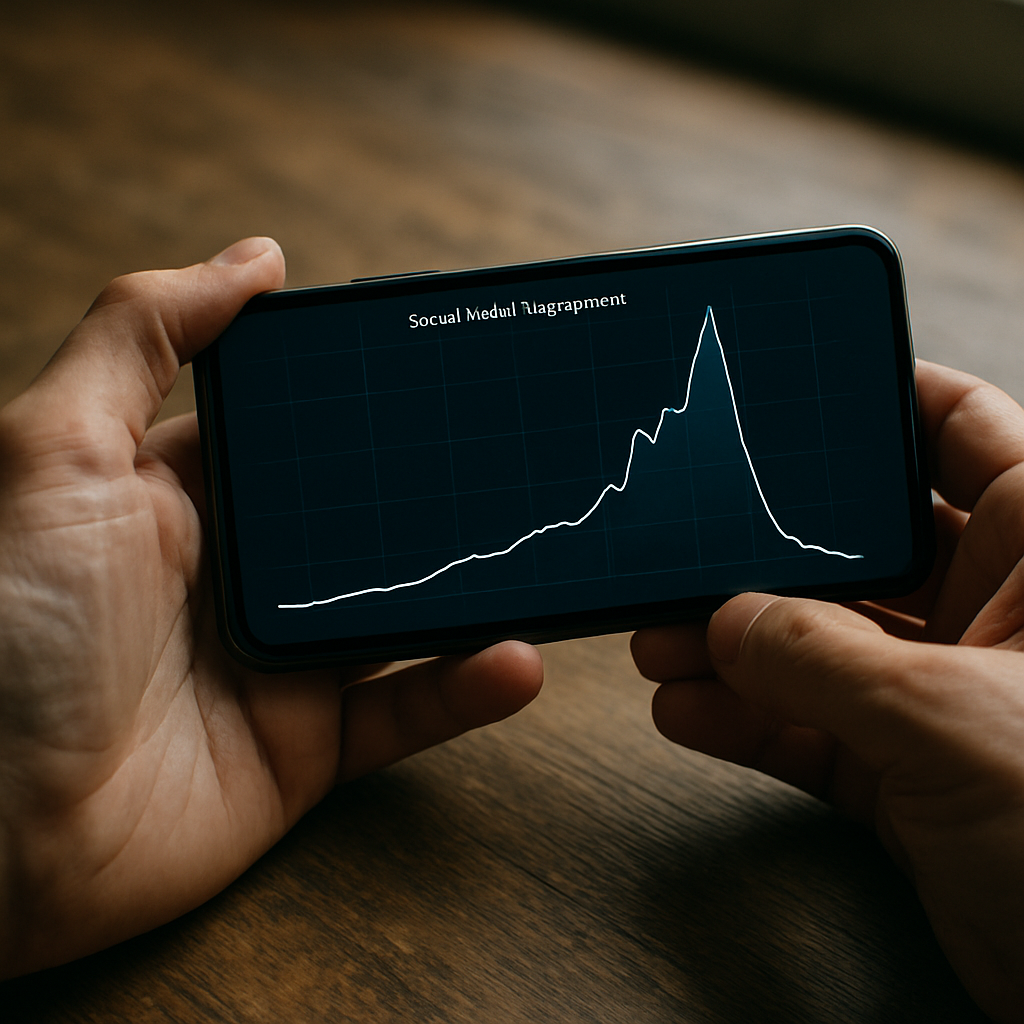
    Smartphone showing viral engagement spike and crash, illustrating the reality of life after going viral
    Smartphone showing viral engagement spike and crash, illustrating the reality of life after going viral

    What People Who’ve Been Through It Actually Say

    Speak to people who have experienced life after going viral and several themes emerge consistently. The first is the shock of anonymity returning so suddenly. One person whose video reached tens of millions of views described going from thousands of comments per hour to receiving fewer than ten interactions on her next post within the same month. Another, who became briefly famous for a piece of street art, found the attention overwhelming enough to make him avoid social media entirely, only to return months later to a completely indifferent audience.

    The second theme is the unexpected cruelty of the comment sections. Not every viral moment is positive. Some people become famous for being embarrassed, for making a mistake publicly, or for being made the subject of a joke they didn’t choose. For these individuals, life after going viral is not about managing disappointment but about managing real reputational damage, often with no PR support or resources to respond effectively.

    Building Something Permanent After Fleeting Fame

    The people who successfully navigate the aftermath tend to share one characteristic: they treated the viral moment as a starting gun rather than a finish line. They used the brief window of attention to direct people somewhere permanent, whether that was a newsletter, a YouTube channel, a portfolio, or a structured social presence that they could continue to develop.

    This requires preparation that most people simply haven’t done before the moment happens. Experts in the digital space consistently advise that anyone with a public profile should have the basic infrastructure in place before they need it. Agencies like dijitul, which works with brands and individuals across the UK on their digital presence, often note that the hardest conversations happen after a viral moment, when clients are trying to rebuild interest with no foundation beneath them. Having a landing page, a clear message, and a way to keep audiences connected is basic infrastructure, but it makes an enormous difference.

    The Mental Health Conversation Nobody Has Beforehand

    There is a growing body of evidence that sudden public attention, even when broadly positive, carries real mental health risks. The concept of post-viral depression is not yet widely recognised in clinical literature but is increasingly discussed among therapists who work with people in public-facing roles. The combination of sudden visibility, public scrutiny, and rapid loss of attention creates a psychological cycle that can be genuinely destabilising.

    Digital wellbeing advocates suggest building a deliberate wind-down plan, limiting notification exposure in the days after a viral peak, and resisting the urge to chase the original moment with reactive content. The worst thing most people do is try to replicate the first viral post immediately, which almost always fails and deepens the sense of loss.

    Is There a Way to Use It Well?

    Life after going viral does not have to be a cautionary tale. Some of the most interesting creators and public figures built their entire careers on a single moment of unexpected attention, but they did it by treating that moment as an invitation rather than an achievement. They showed up consistently after the spike, they built community rather than just collecting followers, and they focused on what they genuinely had to offer rather than trying to recreate the original magic.

    The teams behind digital strategy at dijitul have worked with individuals who came to them after a viral peak trying to convert leftover search interest into something real. The consistent finding is that authenticity after fame works better than performance. Audiences who found you by accident are more likely to stay if what they find feels honest, specific, and worth their time.

    The internet moves on. That is simply what it does. But the people who understand that in advance, and build accordingly, are the ones who turn their fifteen minutes into something that keeps paying forward long after the timeline has forgotten their name.

    Frequently Asked Questions

    Why do people feel depressed after going viral?

    The sudden withdrawal of mass attention triggers a neurological response similar to losing a short-term reward stimulus. The brain becomes accustomed to constant validation very quickly, and when notifications and engagement drop off sharply, many people experience anxiety, low mood, or a sense of purposelessness. This is increasingly referred to as post-viral depression by mental health professionals.

    Can you make money from going viral?

    It is possible but rarely straightforward. Without an existing platform, product, or way to capture the incoming traffic, most viral moments generate very little lasting income. Sponsorship enquiries tend to arrive fast and disappear just as quickly, so having a monetisation strategy ready before the moment happens makes a significant difference to the financial outcome.

    How long does viral fame typically last?

    Most viral moments peak within 24 to 72 hours and fade within a week. The speed of the decline depends on the platform, the nature of the content, and whether any media coverage extends the cycle. Without active effort to convert the attention into something durable, the vast majority of viral interest disappears completely within two to four weeks.

    What should you do immediately after going viral?

    The most effective steps are to direct your new audience somewhere permanent such as a newsletter, website, or dedicated social channel, post follow-up content quickly while interest is still elevated, and avoid the temptation to go quiet and wait for a second wave. Having a clear message about who you are and what you offer dramatically increases the chance of retaining even a small fraction of the new audience.

    Is it possible to go viral twice?

    It does happen, but trying to engineer a second viral moment by copying the first usually fails. Creators who manage repeated spikes in attention typically do so by continuing to produce consistent, quality content over a long period rather than chasing the original formula. Organic second moments tend to come from sustained presence rather than deliberate replication.