
Something quietly shifted in the world of online influence, and most people missed it. The era of chasing follower counts for their own sake is over. In 2026, the most sought-after people on social media are not necessarily the ones with the biggest audiences. They are the ones with the most attentive ones. Niche creators, those obsessive, specific, community-driven voices talking about wildly focused subjects, are now commanding brand deals, speaking invitations, and media opportunities that would have seemed absurd a few years ago.
This is not a fringe theory. It is playing out in boardrooms and marketing budgets across the UK right now. And if you have ever wondered whether your corner of the internet is too small to matter, the answer, increasingly, is that small is exactly the point.

What Are Niche Creators and Why Do They Have So Much Pull?
A niche creator is someone who has built an audience around a tightly defined subject. Not just “fitness” but cold-water swimming in Scottish lochs. Not just “food” but vegan pub grub reviews across the East Midlands. Not just “parenting” but raising children with sensory processing differences. The specificity that might seem limiting is actually the source of their power.
When someone follows an account dedicated to, say, urban foraging in South London, they are not a passive scroller. They are genuinely interested. They have sought out that content deliberately. That kind of audience attention is extraordinarily difficult to manufacture at scale, which is exactly why brands are paying for it.
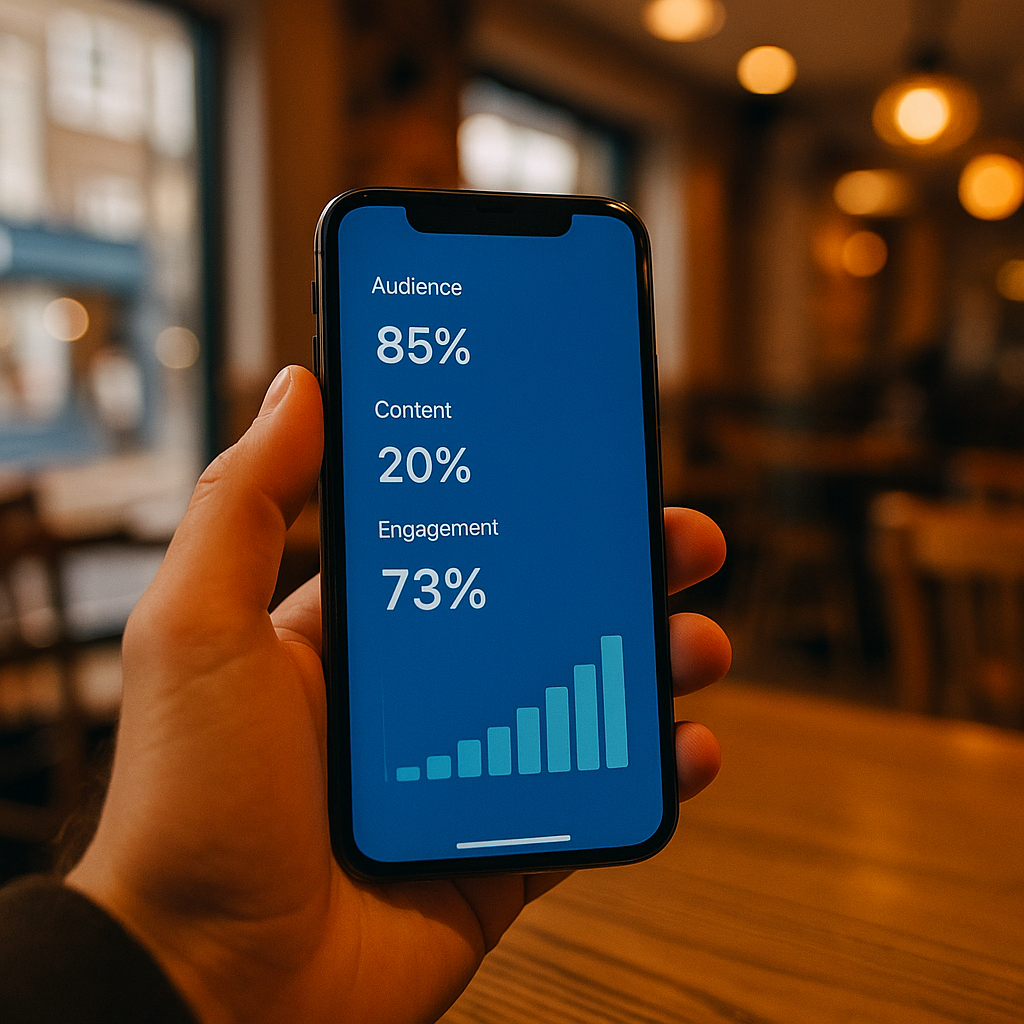
According to data from the Influencer Marketing Hub, engagement rates for accounts with between 1,000 and 10,000 followers average around 5 to 7 per cent, compared with under 2 per cent for accounts with over a million followers. That gap is enormous. For a brand, it is the difference between shouting into a crowd and having a proper conversation with people who are already interested.
Why Brands Are Shifting Their Budgets Toward Smaller Accounts
British brands, from independent craft breweries to established high street retailers, have been reassessing how they spend their marketing budgets. The influencer marketing gold rush of the early 2020s produced some spectacular misfires. Enormous sums went to mega-celebrities whose followers tuned out sponsored content immediately, producing vanishingly small returns.
What changed the calculation was accountability. When you can measure click-through rates, conversion data, and genuine community response, the performance of a 12,000-follower account dedicated to slow living in rural Wales often beats a 1.2 million-follower lifestyle account hands down. The niche audience trusts the creator. When that creator recommends something, it lands differently.
UK agency Whalar, which works with creators across Europe, has spoken publicly about the shift toward what they call “passion-driven” partnerships. The logic is simple: if you want to sell quality walking boots, you want someone whose entire platform is built around hiking in the Peak District, not someone who posts occasionally about the outdoors between fashion and travel content.
The Community Advantage That No Algorithm Can Replicate
There is something else going on beyond pure engagement metrics. Niche creators often have actual relationships with their audiences. They reply to comments. They remember recurring followers. They host meetups. This creates a sense of belonging that is qualitatively different from celebrity fandom.
Take the growing world of local interest creators across the UK. Accounts focused on specific towns, regional history, or hyper-local food scenes have built communities where members genuinely know and trust each other. If you are part of a community that grew around a creator covering Birmingham’s independent music scene, the recommendation to find local events through a trusted platform feels like a tip from a friend, not an advert.
That texture of genuine community is something that no amount of money can instantly buy. It takes consistency, authenticity, and a willingness to stay in your lane rather than chasing every trend. The niche creators who are thriving in 2026 largely understood this years before the brands caught up.
What Kinds of Niches Are Working Right Now?
The range is broader than most people expect. Some of the niche creator verticals seeing serious commercial attention in the UK at the moment include:
- Sustainable living with a regional focus (zero-waste shopping in specific cities, for instance)
- Accessible travel, covering the UK and Europe from the perspective of disabled or neurodivergent travellers
- Allotment and grow-your-own content, which exploded during the early 2020s and never really receded
- Financial wellbeing for specific demographics, such as single parents, freelancers, or recent graduates
- Hyper-local history and heritage, where creators dig into the stories of specific towns, estates, and landmarks
Each of these pulls an audience that is deeply self-selected. People who find these accounts seek them out with intention. You cannot accidentally stumble into three months of allotment content and stay unless you genuinely care about growing courgettes.
The Psychological Shift Behind Why Audiences Prefer Niche Creators
There is a broader cultural current worth acknowledging here. As the BBC has noted in coverage of digital culture trends, audiences have grown increasingly sceptical of polished, aspirational content. The aesthetic perfection that defined influencer culture in the mid-2010s now reads as inauthentic to a significant portion of the online population.
Niche creators tend to look and feel different. Their production values are often lower. Their personalities are more specific, even eccentric. They talk about things most people have never thought about, with a level of detail that signals genuine obsession rather than performed enthusiasm. That specificity is now a feature, not a bug.
There is also the question of parasocial relationships, where audiences feel they know and trust creators without ever having met them. Research from the BBC’s technology coverage and various UK media literacy organisations has shown that these relationships are stronger and more trust-laden with smaller creators, precisely because smaller creators seem more reachable and real.
Could This Be Your Moment?
Here is the part that tends to surprise people. The barrier to becoming a niche creator with genuine commercial appeal has never been lower. You do not need studio equipment, a management team, or a famous friend. You need a subject you know unusually well, the willingness to show up consistently, and enough patience to let a real community form around what you do.
Ten thousand followers built around a specific, trusted voice is genuinely more valuable than a hundred thousand passive ones. Brands are learning this. Agents are learning this. The major platforms are learning this. The only question is whether you will take the idea seriously before the window shifts again.
The era of niche creators is not a passing phase. It is a correction. The internet spent years rewarding reach above all else, and the results were frequently hollow. What is happening now is a rebalancing toward depth, specificity, and real connection. That is something that a passionate person with a focused point of view and a modest but loyal following can absolutely achieve. Your corner of the internet might be the most valuable corner on the whole platform.
Frequently Asked Questions
How many followers do you need to get brand deals as a niche creator?
There is no fixed minimum, but many UK brands and agencies will consider working with creators from as few as 3,000 to 5,000 followers if the engagement rate is high and the audience is clearly relevant to the product. Quality and fit matter far more than raw numbers in 2026.
What counts as a niche for content creators?
A niche is any tightly defined subject area where you can build genuine expertise and attract an audience with a shared, specific interest. Examples include accessible travel in the UK, growing food in urban spaces, vintage clothing restoration, or local history. The more specific, the stronger the niche identity tends to be.
Why do niche creators get better engagement than mega-influencers?
Smaller accounts tend to have audiences who actively sought out that content, rather than followers accumulated through viral moments or platform recommendations. That intentional audience is more likely to read, comment, and act on recommendations, which produces significantly higher engagement rates compared to accounts with millions of followers.
How do niche creators make money in the UK?
The most common income streams are brand partnerships and sponsored content, affiliate links, Patreon or paid newsletter subscriptions, speaking engagements, and selling their own products or services. Many UK niche creators combine several of these rather than relying on platform ad revenue alone.
Is it too late to start building a niche creator following in 2026?
No. While some niches are more competitive than they were five years ago, new specific interests and communities emerge constantly. The key advantage in 2026 is that platforms including TikTok, Instagram, and YouTube actively surface niche content to interested audiences, meaning a genuinely specific creator can grow without needing an existing fanbase to start.