

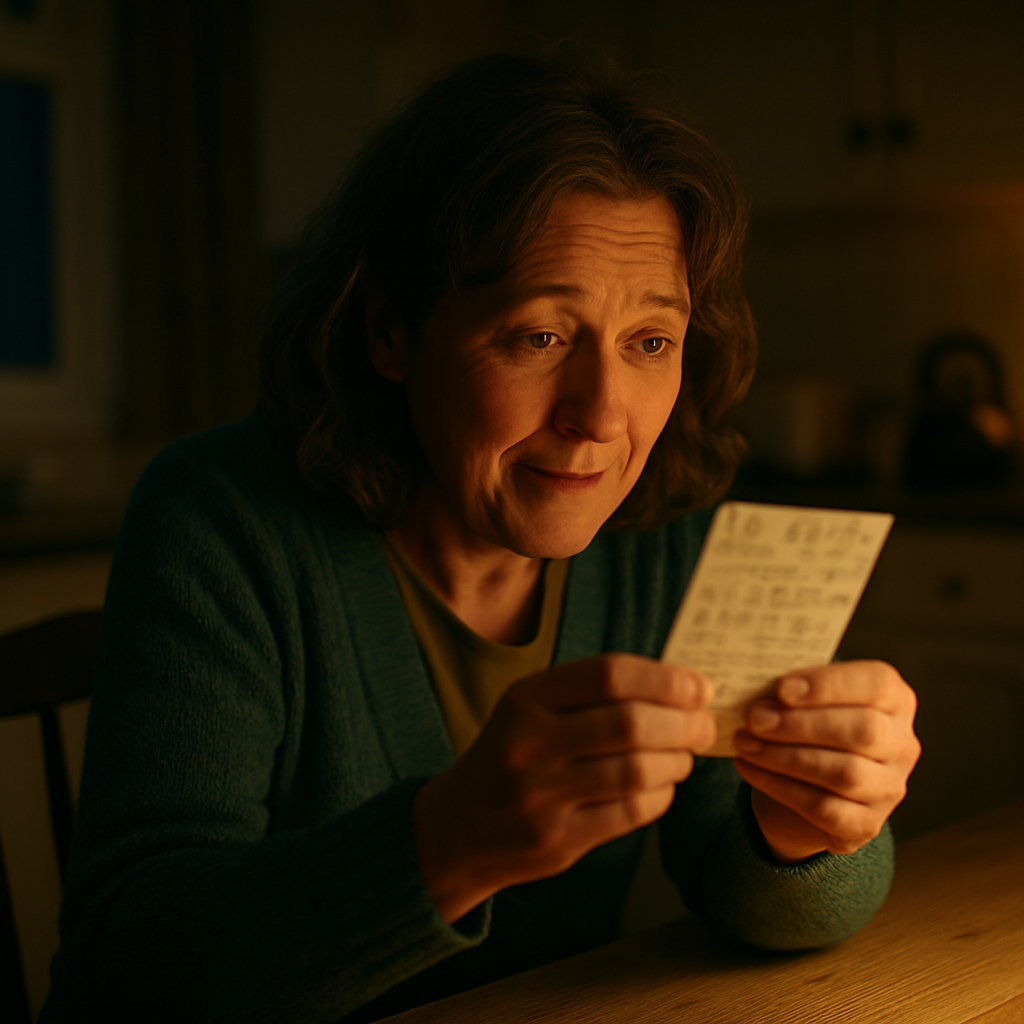
There is a particular kind of silence that falls across a living room when the numbers match. A disbelief so complete that people reportedly check their tickets four, five, six times before they dare say a word out loud. For most national lottery winner UK stories, this moment, usually a Saturday night in front of a screen or a phone, is the last quiet moment for quite some time.
What follows has been documented in fragments: the tearful press conference, the giant cheque, the neighbours going to the tabloids. But the actual mechanics of those first 72 hours, the calls made, the decisions taken, and the slow dawning realisation that ordinary life has irreversibly shifted, rarely get the attention they deserve.
The Hotline Call That Changes Everything
The first step for any Lotto or EuroMillions jackpot winner in the UK is not a party. It is a phone call. Camelot, which operated the National Lottery until Allwyn Entertainment took over the licence in 2024, maintained a dedicated winners’ advisory service. Allwyn has continued this provision. Winners are advised to sign the back of their ticket immediately, keep it somewhere secure, and ring the helpline before telling anyone at all.
That call can last several hours. A winner’s adviser walks the claimant through identity verification, ticket validation, and an initial conversation about what happens next. Advisers are trained to handle shock. According to accounts gathered by journalists over the years, many winners ring the hotline having not slept, having paced the kitchen since midnight, or having told only a spouse who is sitting beside them on the sofa gripping their hand.
The adviser will also begin a conversation that surprises many people: the publicity question. Go public, or stay anonymous? In the UK, winners have a genuine choice. A significant number, thought to be the majority, choose to keep their win entirely private. The names you know, the ones photographed holding the oversized cheque outside the Camelot offices, are a self-selecting group who actively chose the spotlight.
Why Some People Choose to Go Public
For those who do decide to share their story, the motivations vary considerably. Some want to share a feel-good moment with their community. Some are nudged by a desire to be honest with family members who might notice the sudden lifestyle change. Others, frankly, are drawn to the idea of their moment: a legitimate piece of national attention that is entirely their own.
Colin and Chris Weir from Largs in North Ayrshire, who won £161 million on EuroMillions in 2011, became one of the most high-profile UK lottery winner cases in history. They gave extensively to charitable causes and spoke openly about their win. By contrast, a substantial number of eight-figure winners have lived quietly, their identities unknown to the public to this day.
The decision to go public is irreversible. This is made clear during those early advisory calls. Once a name and a face are attached to a jackpot, the media interest does not simply fade after the initial coverage. Former winners have spoken about the letters, the distant relatives, the fundraising requests that arrive for years afterwards. Fame, even fortune-adjacent fame, has a long tail.
The First 48 Hours: Practical Chaos
Alongside the emotional upheaval, the practical pressures mount rapidly. Winners are advised to seek independent legal and financial advice before making any significant decisions. The National Lottery’s winners’ support service can point people in the right direction, but the actual wealth management begins separately.
Most winners are not wealthy people who are used to managing large sums. A jackpot of even £5 million, modest by EuroMillions standards, is a completely alien figure for someone whose previous financial experience involved a current account and a modest ISA. The first 48 hours often involve urgent conversations with solicitors, calls to banks about large deposit thresholds, and sometimes the jarring experience of being told that most high street banks are not actually equipped to receive a sum of that size without prior arrangement.
According to reporting by BBC News, several major winners have described a sensation of the world speeding up around them whilst they themselves feel strangely still. The routines that structure a normal week, the commute, the school run, the Sunday roast, continue for a day or two simply because nobody has yet processed that they do not need to.
When the Fame Bit Actually Arrives
For winners who go public, the press involvement begins fast. Allwyn arranges a media day, typically at their offices, where winners meet photographers and give a brief statement or interview. This is the origin of the giant cheque photograph that has become a cultural shorthand for lottery luck. The images are distributed through picture agencies and picked up across national and regional newspapers.
What many winners do not expect is the speed of social media. By the time a press release goes out confirming a winner’s identity, Twitter (now X), Facebook, and local community groups will have already begun discussing them. Neighbours remember things. School friends surface. Old colleagues send messages. The version of yourself that existed before the Saturday night draw is suddenly being described by people who knew you then, and that description travels.
Some winners describe this as genuinely warming. The outpouring of goodwill from a community can feel like an unexpected gift on top of the financial one. Others find it destabilising. The people who choose anonymity often cite precisely this: the desire to remain, in their own minds and their community’s minds, the same person they were before.
What the Research Actually Tells Us
There has been academic interest in what a national lottery winner UK experiences over time, not just in those first heady days. Research from the University of Warwick and subsequent studies have found that large financial windfalls do produce sustained increases in life satisfaction, contrary to earlier assumptions that people simply return to a happiness baseline. However, the social dimension, the changed relationships, the altered sense of identity, is considerably more complicated.
Lottery winners who keep working, maintain their social circles, and resist the impulse to relocate immediately tend to report better long-term outcomes. The first 72 hours, chaotic and emotionally overwhelming as they are, set a tone. The decisions made in that window, about who to tell, whether to go public, and how to treat the money, tend to echo for years.
The Quiet Ones You Never Hear About
It is worth sitting with the fact that the majority of large UK lottery winners are entirely unknown to us. They claimed their winnings, took the advice, and resumed their lives with more financial security and considerably less public scrutiny. Some still shop in the same supermarkets. Some still go to the same pub on a Friday. Their 15 minutes never arrived, because they chose not to let them.
There is something quietly compelling about that choice. The lottery is sold on the dream of transformation, of a Saturday night that rewrites everything. But for a large portion of winners, the transformation is entirely internal. The bank balance changes. The options expand. The person, more or less, remains.
For those who do step into the light, however briefly, the experience of being recognised as the lottery winner, the interview, the photograph, the village knowing, carries its own particular charge. Fame arrived not through talent or effort or a carefully cultivated social media presence, but through a combination of luck and the decision, made in the strange quiet hours after a life-changing Saturday night, to share it.