
Author Profile

  • Caught on the Pier: How Britain’s Seaside Towns Are Producing Unlikely Viral Moments Every Summer

    Caught on the Pier: How Britain’s Seaside Towns Are Producing Unlikely Viral Moments Every Summer

    There is something about a British seaside town that refuses to behave itself. The seagull that steals an ice cream. The donkey with a YouTube following. The elderly couple doing synchronised dancing on the prom at Weston-super-Mare at 7am. Every summer, without fail, the coast delivers moments so perfectly absurd, so unmistakably British, that they spread across the internet before the tide has even turned. British seaside viral moments have become a category all of their own — and the towns producing them are quietly reaping the rewards.
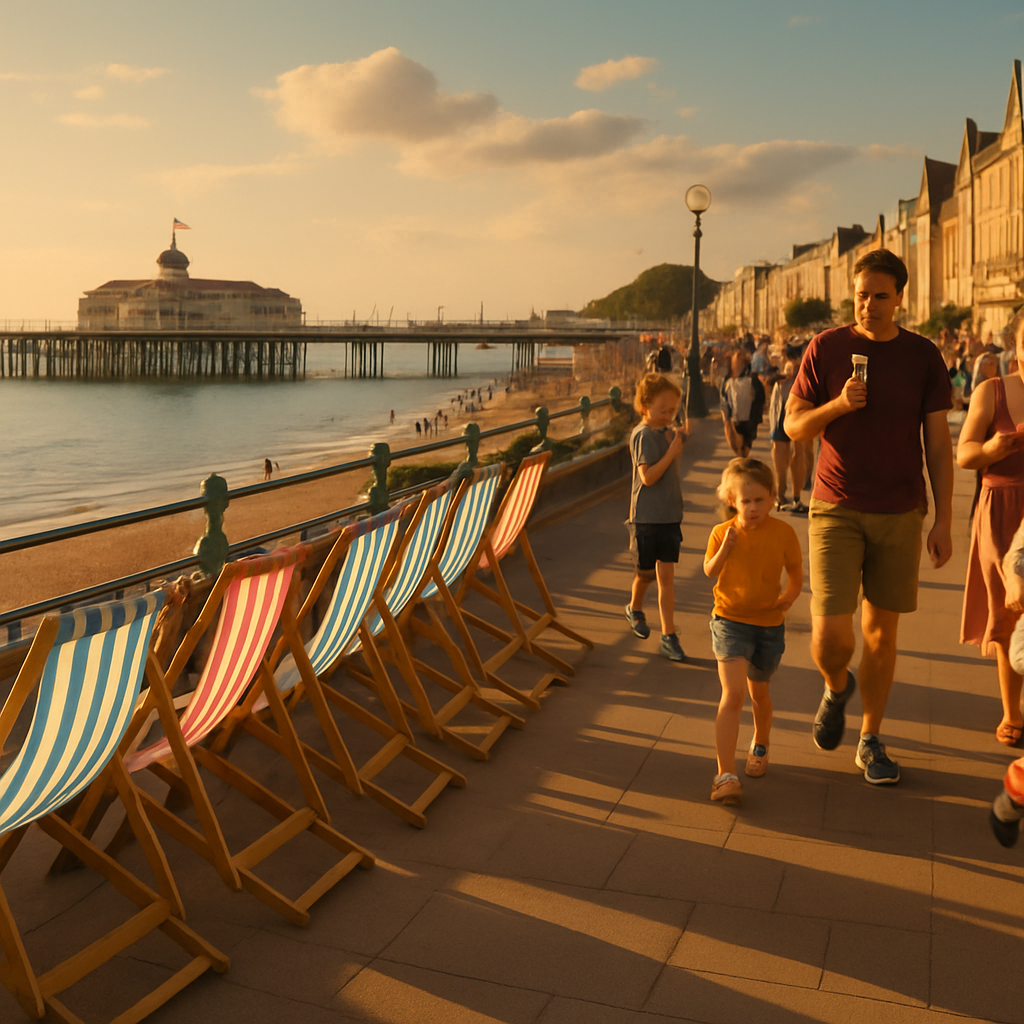
    Busy British seaside promenade at sunset, the kind of scene that produces british seaside viral moments every summer

    Why the British Seaside Is Such a Reliable Factory of Viral Content

    Part of it is the setting. Seaside resorts are inherently theatrical. You have donkey rides, arcades, fish and chip wrappers blowing in the wind, deckchairs, and a sea that never quite commits to being warm. Everything is slightly chaotic and slightly wonderful, which means the camera is already halfway to a great shot before anything interesting even happens.

    Then you add the mix of people. A British beach in July is one of the great social levellers. You have day-trippers from nearby cities, retirees who have been coming since 1978, stag parties, small children having existential crises over dropped candyfloss, and tourists from abroad experiencing their first proper British summer. That collision of characters produces tension, comedy, and occasionally genuine heart. It is a ready-made stage, and social media is the audience that never used to exist.

    Blackpool, which draws roughly 18 million visitors a year, has generated a disproportionate number of clips in recent years. The Pleasure Beach, the Golden Mile, the trams — all of it is inherently visual. A clip of a man attempting to ride a mobility scooter onto a tram at Blackpool North whilst balancing a tray of chips gathered over two million views in the summer of 2025 and trended on X for the better part of an afternoon. Nobody planned it. Nobody monetised it in advance. It just happened, as these things tend to.

    Whitby and the Unexpected Power of Atmosphere

    Not every viral seaside moment is slapstick. Whitby has built a second reputation — beyond Dracula tourism and the abbey ruins — as a source of genuinely beautiful content. The town’s distinctive roofline, the harbour, the jet-black shop fronts, the goth weekends that roll around twice a year: all of it photographs extraordinarily well. A short film posted by a local photographer in autumn 2024 showing the harbour at dawn, mist still sitting on the water, gathered over four million views on Instagram and was shared by several national newspapers. The photographer, who had fewer than 400 followers at the time, ended up licensing the footage to a travel brand within three weeks.

    That is the other thing worth noting. British seaside viral moments do not always start with a spectacle. Sometimes they start with someone simply pointing a camera at something that was always there, and finding that millions of people had never seen it before.

    What Goes Viral and Why It Matters for Local Tourism

    The economics are genuinely interesting. VisitBritain has tracked the relationship between social media exposure and domestic tourism decisions, and the data consistently shows that organic viral content outperforms paid advertising in driving spontaneous visit decisions. A clip of Weston-super-Mare’s donkeys wearing Santa hats on a cold December morning drove a measurable spike in day-trip bookings to the town that weekend. A local B&B owner there was quoted in the Somerset County Gazette saying she had received more enquiries in 48 hours than in the previous fortnight combined.

    The effect is not always sustained, but it does not need to be. A single viral moment can shift a town’s visibility permanently in the algorithm, particularly on TikTok and Instagram Reels, where the recommendation engine treats a past spike as evidence of future relevance. Lyme Regis, Tenby, and St Ives have all benefited from this in recent years — one strong piece of content creates a long tail of searches, and those searches feed into bookings.

    The coastal towns that are struggling economically tend to be the ones that have not yet produced that moment, or have not found a way to amplify it when it arrives. There is a real argument for coastal councils investing modest budgets in content infrastructure: free fast Wi-Fi on the prom, a local creator programme, even just identifying the residents who are already filming and giving them something to work with.

    The People Behind the Clips

    It is worth pausing on who is actually making this content, because it is rarely the tourist boards. The Whitby photographer was a local. The Blackpool mobility scooter clip was filmed by a teenager visiting for the day. A widely shared video from Southend-on-Sea showing a seagull systematically dismantling a stranger’s lunch over the course of four minutes was filmed by a semi-retired schoolteacher who had never posted a video online before. She has since posted eleven more, all from the same seafront stretch, and has just over 23,000 followers.

    That is the shape of how this works. Ordinary people, ordinary days, one moment that catches the light just right. The British seaside has always been the backdrop for a certain kind of national story — the working-class holiday, the Bank Holiday crowd, the stoic joy of eating chips in the rain. Social media has simply given those stories an audience beyond the people who were there.

    Turning a Moment Into Something More

    The challenge for both content creators and the towns themselves is what comes after the clip. Fame without infrastructure is just noise. The individuals who have managed to build something durable from a single viral seaside moment are the ones who posted consistently afterwards, engaged with the attention rather than being overwhelmed by it, and — crucially — stayed in the place. A Scarborough resident who went viral for their running commentary on the annual sandcastle competition has parlayed that into a modest but genuine local media presence, appearing on regional radio and contributing to a North Yorkshire tourism newsletter.

    The seaside, it turns out, keeps giving. The same quality that makes these towns fertile ground for one viral moment — the visual richness, the unpredictability, the compressed human drama of a busy promenade on a hot August afternoon — means there is always another one coming. You just have to be there with your phone out and your patience intact.

    Which is, when you think about it, not a bad description of the British seaside holiday in general.

    Frequently Asked Questions

    Why do British seaside towns produce so many viral videos?

    Seaside resorts combine visual spectacle, unpredictable weather, and a huge mix of people in a compact space, which creates a natural stage for memorable moments. The inherent absurdity and charm of the British coastal experience translates exceptionally well to short-form video content.

    Do viral moments actually increase tourism to British coastal towns?

    Yes, the effect is measurable. VisitBritain research shows that organic viral content drives spontaneous visit decisions more effectively than paid advertising. A single widely shared clip can produce a short-term spike in bookings and a longer-term boost to a town’s visibility in social media algorithms.

    Which British seaside towns go viral most often?

    Blackpool, Whitby, Weston-super-Mare, Scarborough, and Southend-on-Sea feature regularly in viral content, largely because of their strong visual identities and high visitor numbers. Smaller spots like Lyme Regis, Tenby, and St Ives also generate significant content thanks to their photogenic settings.

    How can a local person in a seaside town make the most of a viral moment?

    The key is to follow up consistently. Post more content from the same location, engage with new followers, and reach out to local media and tourism organisations who may want to amplify the story. One clip rarely sustains an audience on its own, but it can open doors if you act quickly.

    Are there any programmes helping UK coastal content creators get exposure?

    Some local councils and regional tourism bodies have started small creator programmes, and VisitBritain occasionally partners with grassroots creators for campaigns. It is still an emerging area, but the appetite from both tourism bodies and brands for authentic coastal content is growing steadily.
  • Caught on the Pier: How Britain’s Seaside Towns Are Producing Unlikely Viral Moments Every Summer

    Caught on the Pier: How Britain’s Seaside Towns Are Producing Unlikely Viral Moments Every Summer

    Every summer, without fail, something happens on a British pier that stops the internet in its tracks. A seagull nicks a pasty with almost surgical confidence. A man in a sun hat attempts to retrieve his windbreak from the surf with the composure of someone defusing a bomb. A toddler encounters a wave for the first time and screams as though betrayed by the entire concept of water. These are not scripted moments. They are not produced by a media company with a brief. They happen because the British seaside is, and has always been, an absolute pressure cooker of human behaviour.

    British seaside viral moments have become their own genre of content, as recognisable as a cat video or a football celebration gone wrong. And the towns at the centre of it all, Blackpool, Whitby, Weston-super-Mare, Margate, Scarborough, Lyme Regis, are quietly reaping the benefits every time a clip blows up.

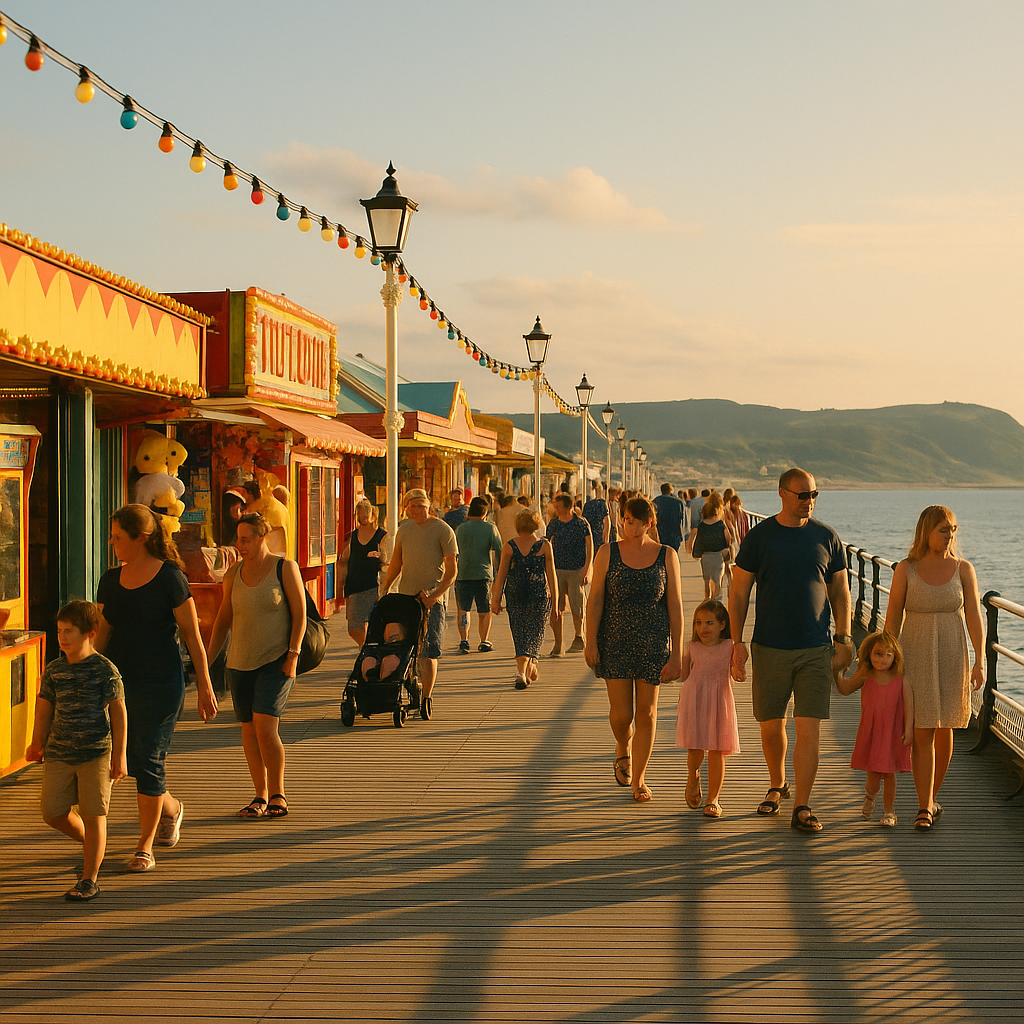
    British seaside pier on a summer afternoon, setting for many british seaside viral moments

    Why Seaside Towns Are Such Fertile Ground for Unexpected Fame

    There is something about the British seaside that strips away inhibition. People arrive on holiday, slightly sunburnt before they have even left the car park, already holding an ice cream, and suddenly nothing matters. Dignity is optional. The usual rules of public behaviour soften when there are donkeys nearby and the smell of vinegar in the air.

    That psychological looseness creates the raw material for viral content. Add to that the sheer density of people filming everything on their mobiles, the unpredictable weather that can turn a pleasant afternoon into a scene from a disaster film in about forty minutes, and the presence of wildlife that has absolutely no respect for personal property, and you have a near-perfect content generation machine running continuously from May to September.

    The British seaside also has a unique visual shorthand. A striped windbreak, a chip paper spinning in the breeze, a kid crying outside a penny arcade, the Blackpool Tower in the background, those images carry immediate emotional resonance. They are familiar. They are relatable. They feel both timeless and entirely of this moment. When a clip is set somewhere like Whitby’s harbourside or the seafront at Southend-on-Sea, the location does half the storytelling work before a single word is spoken.

    The Clips That Made Towns Famous (Again)

    Some of the most shared British seaside viral moments in recent years have been laughably mundane by any objective measure. A clip from Tenby in Wales of a corgi absolutely refusing to leave the beach, filmed by a woman who could barely speak for laughing, racked up millions of views and trended on X for two days. The Tenby Tourism pages noted a measurable spike in enquiries the following week. Similar things have happened in Broadstairs, where a clip of a man serenely eating fish and chips whilst a full storm blew in around him became a minor piece of British cultural mythology.

    Whitby, already carrying a devoted fanbase thanks to its Dracula connections and general gothic atmosphere, seems to produce at least one viral moment per summer. A clip of a young woman trying to photograph the Abbey whilst an enormous seagull photobombed every single attempt, turning increasingly aggressive, circulated widely in 2024 and introduced the town to a generation who had never heard of it. Whitby’s visitor numbers have climbed steadily in recent years, and social media is consistently cited by VisitEngland research as a growing driver of coastal tourism decisions.

    What Goes Viral, and What Does Not

    Not every seaside clip catches fire. There are thousands posted daily that sink without trace. The ones that spread tend to share a few qualities: they are short, they peak quickly into their main event without preamble, they involve either animals, children, or British adults being stoically British in the face of obvious chaos, and they feel genuine rather than staged.

    The seagull content deserves its own paragraph. Seagulls at British seaside resorts have essentially become a recurring cast of supporting characters in a long-running national comedy. Blackpool, Brighton, and Newquay all have their seagull reputations. A clip of a gull stealing a Greggs sausage roll on Brighton seafront and then being chased by three separate people was shared so widely it prompted a lighthearted response from Greggs’ own social media team. That kind of layered virality, clip plus brand response plus commentary plus inevitable parody, is what turns a moment into an event.

    Human behaviour under British weather conditions is the other reliable engine. The quiet determination of families attempting to have a lovely time despite a force six wind off the North Sea produces something that resonates deeply with anyone who has ever been to Filey or Skegness. It is funny because it is painfully familiar. Shared recognition spreads faster than almost anything else online.

    What the Fame Does for the Local Economy

    The economic ripple from a single viral clip can be surprising. VisitBritain has noted in its research that social media content is increasingly influential in domestic holiday planning, particularly amongst 18-34 year olds, a demographic that UK coastal resorts have historically struggled to attract. When a town becomes associated with a widely shared moment, it gets searched. Accommodation gets booked. Restaurants get tagged. The cycle feeds itself.

    Margate is perhaps the clearest example of a seaside town transformed in part by cultural visibility. Its resurgence has been written about extensively, and social media, particularly Instagram and TikTok, played a meaningful role in communicating its reinvention to younger visitors who might otherwise have overlooked it. One well-timed viral clip of the Turner Contemporary reflected in the seafront puddles, posted by an anonymous photographer, circulated through design and architecture accounts and brought a specific type of cultural tourist to a town that had spent decades struggling for attention.

    For smaller resorts, the effect can be even more pronounced proportionally. A clip that might generate a modest impression count nationally can translate into a genuinely significant number of visitors for a town like Lyme Regis or Robin Hood’s Bay, where the tourism economy is tight and every booking matters. According to VisitBritain’s research and insights, domestic overnight trips to coastal areas have been growing, and social content discovery is cited as an increasingly important touchpoint in the visitor journey.

    The Locals Who Become the Story

    Beyond the seagulls and the weather, british seaside viral moments often centre on a specific person. The chip shop owner who responds to a difficult customer with devastating calm. The amusement arcade attendant who has clearly seen everything and is moved by none of it. The lifeguard who handles a minor beach emergency with the quiet competence of someone who has done it a thousand times. These individuals get a brief, bright moment of national attention. Some of them enjoy it. Some of them find the whole thing bewildering. A handful have leveraged it into something more lasting, a local celebrity status that translates into real business, bookings, and community goodwill.

    That is what makes the seaside such a compelling frame for thinking about fame more broadly. It is not a manufactured environment. It is not a TV studio or a controlled social media shoot. It is a chaotic, wind-battered, frankly slightly chaotic strip of the British Isles where the ordinary collides with the absurd on a daily basis. And occasionally, just occasionally, someone is there with a phone at exactly the right moment, and the whole country gets to laugh together for about forty-eight hours before moving on to the next thing.

    The British seaside has been producing unlikely stars since the days of end-of-the-pier variety shows. The medium has changed. The fundamentals really have not.

    Frequently Asked Questions

    Why do so many viral videos come from British seaside towns?

    British seaside resorts bring together large crowds of relaxed, uninhibited people, unpredictable weather, bold wildlife like seagulls, and highly recognisable visual settings. That combination creates ideal conditions for unscripted, relatable moments that spread quickly online.

    Does going viral actually bring more tourists to a seaside town?

    There is evidence it does. VisitBritain research consistently shows social media content influencing domestic travel decisions, particularly among younger adults. Towns like Margate and Whitby have seen visitor interest spike following widely shared clips.

    Which British seaside resorts produce the most viral content?

    Blackpool, Whitby, Brighton, Newquay, and Margate are among the most frequently featured, largely due to their popularity, distinctive look, and the sheer volume of visitors filming and posting. Smaller resorts like Tenby and Lyme Regis also produce moments that spread widely.

    What types of seaside content tend to go viral in the UK?

    Seagull theft and confrontations are reliable hits, as are clips of British families stoically enduring bad weather, surprising wildlife encounters, and quietly heroic local workers. Short, genuine clips with an immediate payoff spread the furthest.

    Can a viral moment actually help a small coastal business?

    Yes, especially for smaller businesses in tight tourism economies. A single widely shared clip mentioning or featuring a specific fish and chip shop, arcade, or beach café can generate a significant uptick in footfall and bookings, sometimes lasting an entire season.