

There is something quietly radical about watching someone build a genuine audience from absolutely nothing. No contacts, no budget, no existing platform. Just a phone, a niche obsession, and the discipline to show up every single day. The micro-influencer success stories that deserve the most attention are rarely the ones that went viral overnight. They are the ones built methodically, post by post, over months of near-silence before the momentum finally hit.
These are not celebrities repurposing fame they already had. These are ordinary people who found something specific to talk about, got very good at talking about it, and gradually attracted audiences who genuinely cared. Here is what their journeys looked like, and more importantly, what actually worked.
What Makes a Micro-Influencer Different From Everyone Else
The term gets thrown around loosely, but in practice a micro-influencer is typically someone with between 1,000 and 100,000 followers whose audience is tightly focused around a specific subject. The key distinction is not follower count. It is engagement rate and trust. A micro-influencer in the narrowcast gardening-for-renters niche with 8,000 highly engaged followers will consistently outperform a general lifestyle account with 200,000 passive ones in terms of real-world impact.
That trust is earned differently from the way celebrities earn attention. It comes from consistency, specificity, and the sense that the person behind the account is a real human being with genuine opinions rather than a polished content machine.
The Exact Strategies That Worked
Going Niche Enough to Feel Like the Only One
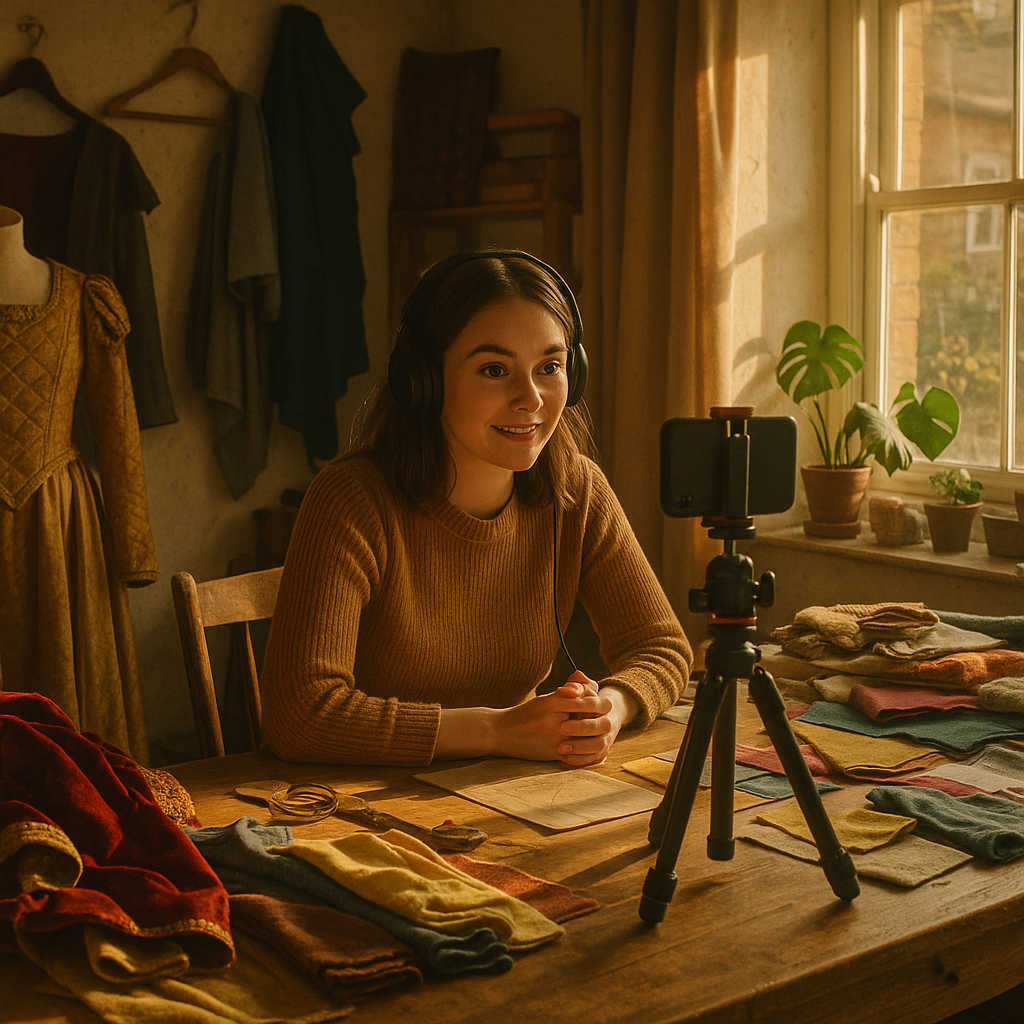
One of the clearest patterns across micro-influencer success stories is the willingness to go narrower than feels comfortable. A UK-based creator who focused exclusively on budget-friendly historical costume-making found her audience not by covering fashion broadly but by documenting every single stitch of a Tudor-era gown using only charity shop fabrics. Her audience did not grow because a lot of people were vaguely interested in fashion. It grew because a very specific group of people had never seen their exact interest represented anywhere.
The same principle held for a Welsh creator who built a following around the restoration of pre-war cast iron cookware. Not vintage cooking. Not general antiques. Cast iron cookware specifically. Within eight months he had an audience of 14,000 people who were almost frighteningly loyal because nobody else was doing what he was doing with the same level of detail.
Consistency Over Perfection
Every single one of the creators who saw real growth within their first year shared one trait: they posted on a fixed schedule regardless of how the previous post performed. One Midlands-based creator who covers brutalist architecture in UK towns and cities admitted that her first twelve posts received almost no engagement whatsoever. She kept going not because the numbers were encouraging but because she had made herself a personal promise to post three times a week for six months before drawing any conclusions.
By month four the algorithm had enough data to start distributing her content to people with similar interests. By month seven she had 22,000 followers. The content itself had not changed dramatically. What changed was the compounding effect of consistency over time.

Authentic Storytelling as the Real Product
Technical information alone rarely builds loyalty. What separates the micro-influencer success stories that genuinely resonate from the ones that plateau is storytelling. A London-based creator who documents living with a chronic illness did not grow her audience by sharing medical facts. She grew it by sharing what it actually felt like to cancel plans for the fourteenth time in a row, to navigate a GP appointment that went nowhere, to find joy in small routines on difficult days. People followed her because they recognised themselves in what she was describing.
Similarly, a Scottish creator who covers wild swimming in lochans and sea pools built a following not around the activity itself but around the emotional texture of being in cold open water alone at dawn. The swimming was the vehicle. The storytelling was the point.
Engaging With the Comment Section Like It Matters
Several creators credited their early growth directly to the amount of time they spent responding to comments, not with a thumbs up or a generic thanks, but with genuine replies that extended the conversation. One creator who covers urban foraging in Northern England said she treated every comment in her first three months as a direct message from someone she wanted to know better. That approach turned casual viewers into invested community members who would reliably share her content because they felt a personal connection to the account.
Repurposing Without Diluting
The most efficient creators understood that a single piece of content could live in multiple formats without feeling repetitive. A behind-the-scenes video became a written post became a short-form clip became a pinned comment thread. The key was adapting the format to suit each platform while keeping the core insight or story consistent. This allowed them to maintain presence across Instagram, TikTok, and YouTube without creating entirely separate content strategies for each.
What These Stories Actually Prove
Taken together, these micro-influencer success stories point to something simple but easily overlooked: audiences do not form around perfection. They form around specificity, honesty, and sustained effort. The creators who grew fastest were not the ones with the best cameras or the most polished aesthetic. They were the ones who showed up with something genuine to say about a subject they actually cared about, and who had the patience to keep saying it long before anyone was listening. That is a formula anyone can apply, regardless of where they are starting from.
Frequently Asked Questions
How many followers do you need to be considered a micro-influencer?
Most definitions place micro-influencers in the 1,000 to 100,000 follower range, though some industry frameworks set the upper limit at 50,000. What matters more than the exact number is engagement rate and audience trust, both of which tend to be significantly higher for micro-influencers than for larger accounts.
How long does it realistically take to grow a micro-influencer following from zero?
Most creators who build genuine audiences from scratch see meaningful growth between months four and eight, provided they are posting consistently and focusing on a specific niche. Accounts that post sporadically or cover too broad a range of topics typically take much longer to gain traction, if they ever do.
What niche should I pick to grow as a micro-influencer?
The most effective niches are specific enough that your target audience feels genuinely underserved by existing content. Rather than choosing a broad category like fitness or food, ask yourself what sub-topic within that space nobody is covering with real depth. Budget restoration of mid-century furniture, for example, will attract a far more engaged audience than general home interiors.
Do micro-influencers actually make money?
Yes, many micro-influencers earn income through brand partnerships, affiliate commissions, digital products, and platform monetisation features. Because their audiences are highly engaged and niche-specific, brands in relevant sectors often prefer working with them over larger accounts where audience interest is more diffuse. Income varies widely depending on niche, platform, and consistency.
What is the biggest mistake people make when trying to grow a micro-influencer account?
The most common mistake is abandoning consistency too early because initial engagement is low. Most accounts experience a quiet period for the first two to four months while algorithms gather data and audiences discover the content. Creators who treat low early numbers as a sign of failure and stop posting regularly rarely see the compounding growth that comes with sustained effort over time.
Leave a Reply