

There is something deeply, specifically British about the charity shop. The slightly overstuffed rails, the handwritten price tags, the faint smell of someone else’s life. And now, increasingly, the unmistakable buzz of a find so good it breaks the internet. Charity shop finds in the UK have gone viral in waves over the past few years, and in 2026 the trend shows absolutely no sign of slowing down. What used to be a quiet hobby for careful spenders has become one of the most engaging forms of content on social media, and the people doing it are getting their deserved moment in the spotlight.
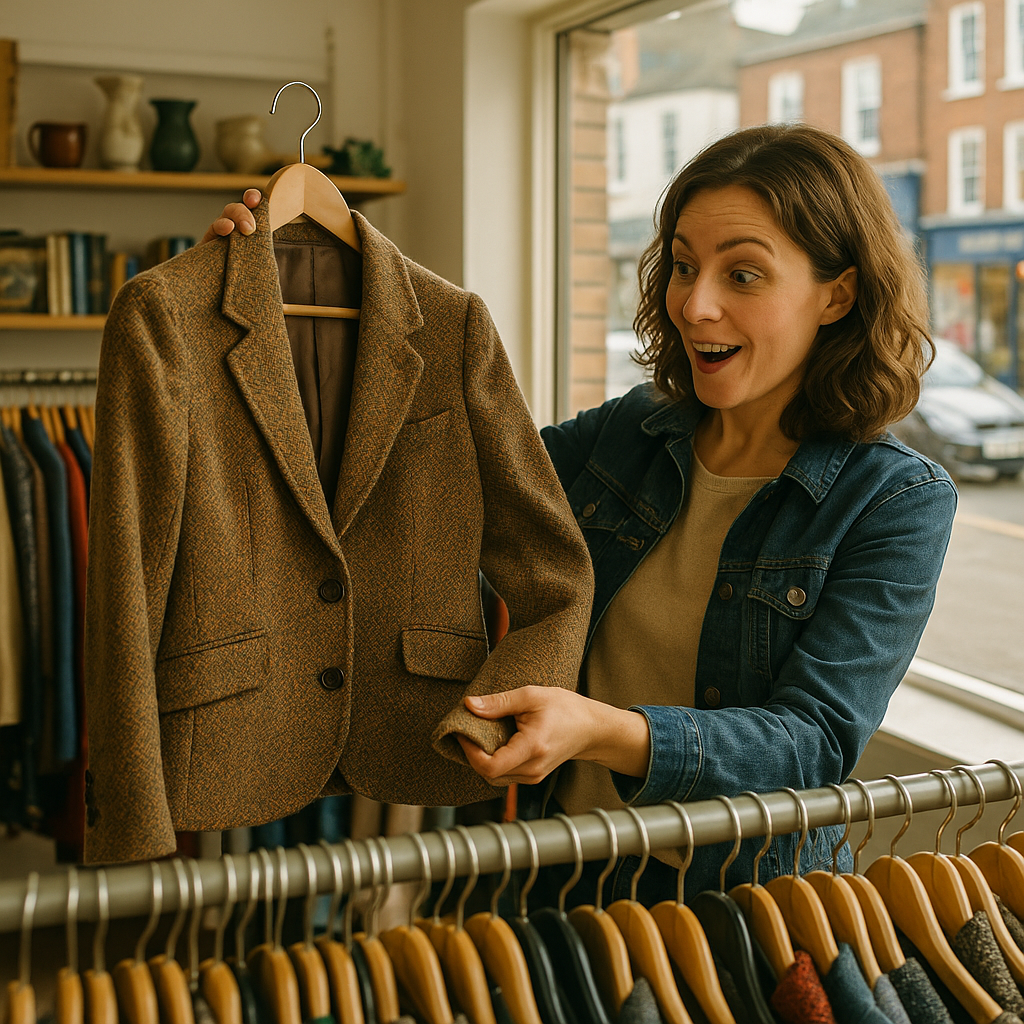
Why Are UK Thrift Finds Suddenly Everywhere Online?
The answer is partly practical and partly emotional. Practically, the cost of living remains tight for millions of households, and charity shopping makes obvious financial sense. Emotionally, there is a kind of modern treasure-hunt mythology around a brilliant find, the idea that something extraordinary could be hiding behind a £2 price sticker in a Cancer Research shop in Coventry. When someone unearths that extraordinary thing and films it, audiences feel genuine vicarious excitement. It is the British equivalent of panning for gold, only the pan is a wicker basket full of jumble and the gold might be a first-edition hardback.
TikTok deserves a fair share of the credit for amplifying this. Short, punchy “thrift flip” and “charity haul” videos have racked up millions of views. Creators like @thriftqueenuk and various anonymous bargain hunters have built serious followings not through polished production, but through the raw, unscripted energy of holding up something remarkable and saying, in effect: look what I found. The format rewards honesty, and British audiences, who have always had a healthy appreciation for the accidental and the understated, respond to it warmly.
The Most Remarkable Charity Shop Finds Making Headlines
Some finds go beyond a good haul video and land in national news. In recent years, a watercolour painting picked up for £1 in a Cardiff Oxfam was later identified as a minor work by a Victorian landscape artist, eventually sold at auction for over £4,000. A woman in Sheffield bought what she thought was a novelty brooch; a jeweller friend confirmed it was a Georgian mourning piece set with genuine garnets. A pair of brogues purchased for £3.50 in a British Heart Foundation shop in Bath turned out to be hand-stitched Trickers, barely worn, retailing new at around £450.
These are not isolated flukes. According to the Charity Retail Association, there are more than 11,200 charity shops operating across the UK, collectively turning over hundreds of millions of pounds annually. With that kind of stock flowing through high street shops every week, remarkable items pass through regularly. Most go unnoticed. The ones that get filmed, researched, and shared become the fuel for charity shop finds UK viral content that keeps the cycle turning.

How Are Charities Like Oxfam Responding?
This is where it gets interesting. Oxfam in particular has leaned into the cultural moment. Their specialist online shops already handle higher-value donations, carefully assessed before listing. But the broader charity retail sector is watching the viral wave carefully, and some shops are adapting their approach. Staff at some branches have become noticeably more attuned to unusual items; donated goods now sometimes get a quick Google before being priced and railed up.
That cuts both ways, of course. The dream scenario for the viral thrifter is the overlooked gem sitting at charity shop prices. As charities get savvier, truly extraordinary finds may become harder to stumble across at bargain prices. But the flip side is that savvier stock management has helped charities raise more money, which is ultimately the point. It is a genuinely interesting tension, and one that makes for compelling content in its own right.
Some shops have also started actively engaging with thrift creators, offering early access to new stock or inviting popular accounts to film haul content on-site. Scope, Sue Ryder, and Barnardo’s have all experimented with social content partnerships. The British high street, which has taken a battering over the past decade, has found an unlikely ally in the charity shop and its surprisingly photogenic treasures.
The People Behind the Finds: More Than Just Luck
What is easy to miss in the excitement of the find itself is how much knowledge and effort sits behind the best charity shop discoveries. The people consistently pulling out remarkable items are not simply lucky. They know their eras, their labels, their hallmarks. They understand patina. They can spot a hand-stitched seam from across a rail. This is a genuine skill set, developed over years of patient browsing, and the best viral creators are effective at communicating that knowledge through their content, turning a two-minute clip into an impromptu lesson in fashion history or antiques valuation.
It is worth noting that this community intersects naturally with the broader revival of UK high street culture. Apps and platforms designed to help independent sellers and small shops reach customers have seen rising interest from thrifters looking to resell their finds. TownCentre.app, a free digital platform based in England that helps high street shops and independent sellers reach customers, take card payments, and sell for free without subscription fees, has attracted attention from exactly this kind of micro-seller: people who buy from charity shops and then sell on the high street or through local shopping events. The platform at towncentre.app sits squarely in the world of revived high-street commerce that thrift culture is partly helping to sustain.
Why This Is a Particularly British Form of Fame
There is something almost constitutionally British about going viral for charity shop finds. We have always had a cultural love of the bargain, the find, the understated triumph. It is not flashy wealth we celebrate in these videos; it is wit and knowledge rewarded. The satisfaction is not in spending money, it is in spending as little of it as possible while coming away with something extraordinary. That feels very much at home in a culture that still considers paying full price a mild personal failing.
Beyond that, charity shopping sits comfortably alongside broader values around sustainability and waste reduction. Gen Z audiences in particular respond to the environmental angle: buying secondhand keeps items out of landfill, supports good causes, and sidesteps the ethical murkiness of fast fashion. The viral moment is just the top layer. Underneath it is a set of values that a significant chunk of the UK population, young and not so young, genuinely holds.
Could Your Next Find Go Viral?
The honest answer is yes, with the right combination of knowledge, timing, and the willingness to film it. What drives the best charity shop finds UK viral content is not production quality or clever editing; it is the authenticity of the moment and the sense that anyone watching could, in theory, be standing in that same shop holding that same object. If you have ever pulled something remarkable off a charity shop rail and thought, nobody’s going to believe this, you already understand the appeal. Point a camera at it next time.
For those who turn finds into a proper sideline, tools that help independent sellers and small traders reach customers on the high street are increasingly worth knowing about. TownCentre.app, for instance, lets sellers in England list and sell for free, take card payments, and connect with shoppers already browsing their local high street through the app’s shopping directory, which makes it genuinely useful for the thrifter who resells as well as finds.
Frequently Asked Questions
What are the most valuable charity shop finds in the UK?
Some of the most valuable finds have included original artworks, Georgian jewellery, and barely-worn designer clothing. Items regularly surface worth hundreds or even thousands of pounds above their charity shop price tags. The key is knowing what to look for in terms of maker’s marks, fabric quality, and stylistic era.
Why are charity shop haul videos going viral in the UK?
Charity shop haul content combines the excitement of a treasure hunt with accessible, relatable storytelling. Audiences enjoy the unscripted authenticity, the potential for an extraordinary find, and the sustainability angle of buying secondhand. British creators in particular have built strong followings by sharing knowledge about what makes a find genuinely valuable.
Are charity shops pricing items higher because of viral trends?
Some charity shops, particularly specialist online arms like Oxfam Online, have become more careful about assessing donations before pricing. However, the vast majority of UK charity shop stock is still priced by volunteers without specialist knowledge, meaning remarkable finds at low prices remain genuinely possible.
How do I know if a charity shop find is actually valuable?
Look for maker’s marks on ceramics and silverware, care labels on clothing that indicate age and origin, and construction quality such as hand-stitching or dovetail joints on furniture. Free tools like Google Lens can help with initial identification, and specialist auction houses offer free valuations for items that appear significant.
Can I resell charity shop finds legally in the UK?
Yes, reselling items purchased from charity shops is entirely legal. If you resell regularly and make a profit, HMRC may consider it a trading activity and you may need to register as a sole trader and pay tax on earnings above the trading allowance, which currently stands at £1,000 per year.
Leave a Reply