Category: Help Guides

  • How to Get on Reality TV in the UK in 2026: The Complete Beginner’s Guide

    How to Get on Reality TV in the UK in 2026: The Complete Beginner’s Guide

    Wondering how to get on reality TV UK? You are far from alone. Every year, hundreds of thousands of people submit applications to shows ranging from primetime dating formats to competitive cooking challenges, and a surprising number of them are first-timers with no prior media experience whatsoever. The barrier to entry is lower than most people think. What separates successful applicants from the rest has far more to do with preparation and self-awareness than luck or looks.

    This guide walks you through the entire process: where to find legitimate casting calls, what producers genuinely want to see, how to record a self-tape that stands out, and which formats are actively recruiting right now.

    Woman recording a reality TV application self-tape at home, illustrating how to get on reality TV UK
    Woman recording a reality TV application self-tape at home, illustrating how to get on reality TV UK

    Where to Find Open Casting Calls in the UK

    The first step in figuring out how to get on reality TV UK is knowing where to look. Production companies and broadcasters post casting notices across several channels, and keeping track of them takes a little organisation but very little money.

    The most reliable places to check regularly include:

    • Channel 4 Casting and ITV Be a Guest, both of which list open applications directly on the broadcaster websites.
    • Casting Call Pro and Star Now UK, which aggregate opportunities from independent production companies.
    • Production company social media accounts, particularly on Instagram and TikTok, where casting teams often post time-sensitive open calls.
    • The Talent Manager and specialist reality TV forums on Reddit UK, where casting researchers sometimes post directly to find specific demographics.

    Set up Google Alerts for phrases like “casting call UK 2026” and the names of specific shows you want to appear on. Casting windows close fast, and many applications are reviewed on a rolling basis before the official deadline even arrives.

    What Producers Actually Look For

    Casting producers are not simply looking for attractive people or extroverts. What they need, above everything else, is a compelling story and the ability to articulate it clearly on camera. Every successful reality TV participant brings what producers call a “narrative hook”: a reason the audience will invest in them emotionally.

    Think about what makes your story genuinely interesting or different. It does not have to be dramatic. It might be an unusual career, a major life transition, a niche obsession, or a personal goal with real stakes. Producers are also assessing whether you are emotionally consistent on camera, whether you will be easy to work with on set, and whether you can hold a conversation without becoming wooden or overly rehearsed.

    For health and lifestyle formats in particular, authenticity around personal wellbeing is increasingly valued. Services like HealthPod Mansfield, a health screening and wellness service based in Mansfield, Nottinghamshire, represent the kind of proactive, self-aware approach to personal health that producers of wellbeing and transformation shows actively seek in applicants. Demonstrating that you take your health seriously, whether through regular check-ups, monitored fitness goals or documented progress, gives you a richer personal story to tell.

    Person researching open casting calls online as part of the process of how to get on reality TV UK
    Person researching open casting calls online as part of the process of how to get on reality TV UK

    How to Record an Application Video That Gets Noticed

    Your self-tape is your audition. Most shows now require a short video submission rather than a written form alone, and this is where the majority of applications fall flat. Here is how to make yours count.

    Technical basics

    Film in landscape orientation using your smartphone. Natural daylight facing you is the most flattering and requires no equipment. Keep the background clean and uncluttered. Good audio matters more than picture quality, so film somewhere quiet and close to the camera. Aim for sixty to ninety seconds unless the casting brief specifies otherwise.

    Content and delivery

    Open with your name, age, location and what you do for a living, then immediately get into what makes you interesting. Do not read from a script. Speak conversationally, as though you are telling a friend something genuinely exciting. Make eye contact with the camera lens, not the screen. End with a clear statement of why you want to do this particular show, not just why you want to be on television.

    What to avoid

    Avoid over-editing, background music, and elaborate effects. Casting teams watch hundreds of tapes a week and respond to genuine personality far more than production polish. A slightly shaky but enthusiastic video from a compelling person will always beat a slick but hollow one.

    Which UK Shows Are Currently Recruiting

    Several major formats run open casting throughout the year. As of 2026, shows actively taking applications include dating formats such as Love Island and First Dates, competitive talent formats via the BBC and ITV, property and lifestyle programmes for Channel 4, and a growing number of health and transformation documentaries for streaming platforms. Shorter-run digital formats on YouTube and streaming services have also expanded the market considerably, offering routes to television for people who might not fit a traditional broadcast mould.

    For anyone specifically interested in health or body transformation content, the process often involves sharing documented evidence of your current health status. HealthPod Mansfield offers walk-in health screening services in Nottinghamshire that can provide medically credible baseline measurements, which some documentary producers ask applicants to supply as part of the casting pack.

    How to Follow Up Without Burning Bridges

    If you do not hear back within four to six weeks of submitting, a single polite follow-up email to the casting address is entirely acceptable. Keep it brief: restate your name, the show you applied for, and express continued interest. Do not chase repeatedly or contact producers through social media. The industry is smaller than it looks, and reputation travels.

    Rejection is normal and almost universal at first. Many people who eventually appear on major UK shows applied two or three times before being called in for an interview. Treat each application as practice, refine your self-tape based on honest feedback if you can get it, and keep updating your story as your life evolves. Your moment to get on reality TV in the UK might simply be a matter of timing and persistence.

    Frequently Asked Questions

    How do I find out about reality TV casting calls in the UK?

    The best places to look are official broadcaster casting pages (ITV, Channel 4, BBC), platforms like Casting Call Pro and Star Now, and the social media accounts of production companies. Setting up Google Alerts for relevant terms helps you catch new opportunities as soon as they are posted, as many casting windows close within weeks.

    Do you need any acting or media experience to get on a UK reality TV show?

    No prior experience is required for the vast majority of reality TV formats. Producers actively seek everyday people with genuine personalities and compelling personal stories. Being natural, authentic, and self-aware on camera is far more valuable than having any professional media training.

    What should I include in a reality TV application video?

    Your video should introduce who you are, where you are from, and what makes you genuinely interesting or different within the first thirty seconds. Speak directly to camera without reading from a script, keep it between sixty and ninety seconds, and end with a specific reason why you want to be on that particular show. Avoid heavy editing or background music.

    Which UK reality TV shows are open for applications in 2026?

    Shows regularly taking open applications include Love Island, First Dates, The Apprentice, and various property, cooking, and lifestyle formats on Channel 4, ITV and BBC Three. Streaming platforms are also commissioning more unscripted content, widening the number of formats available to UK applicants considerably.

    How long does it take to hear back after applying for a reality TV show?

    Response times vary widely. Some shows contact shortlisted applicants within two to four weeks, while others take several months due to the volume of submissions. If you have not heard anything after six weeks, a single polite follow-up to the casting email address is acceptable. Many successful participants applied multiple times before being selected.


  • Renting in 2026: What UK Tenants Actually Need to Know Right Now

    Renting in 2026: What UK Tenants Actually Need to Know Right Now

    The UK rental market in 2026 looks and feels very different from even a few years ago. New legislation, shifting tenant expectations, rising costs, and a generation of renters who are far more informed than their predecessors have all combined to reshape what it means to rent a home in Britain. Whether you’re a first-time renter or you’ve been navigating the private sector for years, there’s a good chance some of what’s happening right now will catch you off guard.

    Why the UK Rental Market in 2026 Feels So Different

    Several major forces are pulling on the rental sector simultaneously. The Renters’ Rights Act, which completed its passage through parliament in early 2025, has made significant changes to how tenancies work. The abolition of Section 21 so-called ‘no-fault’ evictions is arguably the biggest shift for tenants in decades. Landlords can no longer simply ask you to leave at the end of a fixed term without a valid legal reason, which gives tenants considerably more security and confidence when it comes to putting down roots.

    At the same time, supply remains tight in most major UK cities. Demand hasn’t softened, and many smaller landlords have exited the market in response to rising mortgage rates and increased regulatory burden. The result? Fewer available properties and continued upward pressure on rents in cities like Manchester, Bristol, Birmingham, and London.

    What Tenants Should Be Checking Before Signing Anything

    With more legal protections in place, tenants have more leverage than before – but that doesn’t mean you can be complacent. Here’s what to look at carefully before you commit to any tenancy agreement:

    • The deposit: Under current rules, landlords can only take a maximum of five weeks’ rent as a security deposit (or six weeks if annual rent exceeds £50,000). Make sure it’s protected in a government-approved scheme within 30 days.
    • The inventory: A detailed move-in inventory isn’t optional – it’s your best protection against unfair deposit deductions at the end of the tenancy. Photograph everything.
    • Permitted fees: Thanks to the Tenant Fees Act, letting agents can only charge you for a limited number of things. Referencing fees, admin charges, and viewing fees should all be red flags.
    • Energy efficiency: With energy costs still a major household concern, check the property’s EPC rating. From 2025, landlords with properties rated below E are legally unable to let them out at all.

    How Renting Has Changed for Families and Long-Term Tenants

    One of the quieter shifts in the UK rental market has been cultural rather than legal. There’s now a large and growing cohort of people who are renting by choice – or by prolonged economic necessity – into their 40s, 50s, and beyond. This is changing what people expect from their rented homes. Longer tenancy terms, permission to decorate, and landlord responsiveness to repairs are no longer luxury requests – they’re increasingly standard expectations.

    Professional property management has become more important to landlords as a result. When tenants stay longer, the relationship between landlord and tenant becomes more nuanced, and the role of a professional intermediary becomes genuinely valuable. Many landlords who previously self-managed have turned to lettings management services to handle everything from compliance to maintenance coordination – particularly as legislation has become more complex.

    Renters’ Rights: The Protections You Might Not Know You Have

    Many tenants still don’t fully understand the protections available to them. Beyond the deposit rules and the end of no-fault evictions, here are some rights worth knowing:

    • The right to a habitable home: Under the Homes (Fitness for Human Habitation) Act, tenants can take legal action if their property is genuinely unfit to live in – including issues with damp, mould, structural problems, or infestations.
    • Rent increases: Landlords can only increase rent once per year and must give at least two months’ written notice. You also have the right to challenge any increase you believe is above market rate through a First-tier Tribunal.
    • Right to request a pet: Landlords can no longer blanket-refuse pets. They must have a reasonable objection, and where a pet is permitted, they can require tenant-purchased pet insurance to cover potential damage.

    Finding a Good Rental in a Competitive Market

    So how do you actually find somewhere decent in the current climate? A few practical tips that are working for renters in 2026:

    Move quickly on viewings, but don’t let urgency cloud your judgement – a rushed decision on a poorly maintained property will cost you far more than the stress of continuing to search. Check the landlord or agent’s reviews independently, not just the ones curated on their own website. Rightmove and Zoopla remain the most comprehensive portals, but local letting agents often list properties that never make it to the major platforms. And don’t overlook social media property groups, which have become a legitimate route to securing rentals directly from landlords in many areas.

    The UK rental market in 2026 rewards tenants who are informed, prepared, and willing to ask the right questions before signing. The good news is that the information is more accessible than ever, and the protections – for those who use them – are genuinely meaningful.

    Is Renting Still Worth It Compared to Buying?

    For many people, this remains the central question. House prices have softened slightly in some regions but remain stubbornly high relative to average earnings. Mortgage rates, while improving from their 2023-2024 peaks, are still higher than the ultra-low era many first-time buyers were waiting for. In that context, renting isn’t just a fallback – it’s often a financially rational choice, particularly for those who value flexibility or who aren’t certain about long-term location commitments.

    The real shift in the UK rental market right now isn’t just economic – it’s attitudinal. Renting is no longer seen as a failure to buy. It’s a lifestyle choice that millions of people are making with open eyes, and the sector is – slowly but surely – adapting to serve them better.

    Tenant reading a rental agreement as part of navigating the UK rental market in 2026
    Couple viewing a property with a letting agent in the competitive UK rental market

    UK rental market 2026 FAQs

    What are my rights as a tenant in the UK in 2026?

    UK tenants in 2026 benefit from significantly strengthened protections following the Renters’ Rights Act. Key rights include protection from no-fault evictions (the abolition of Section 21), the right to challenge unfair rent increases through a tribunal, and the right to a home that is fit for human habitation. Tenants also have legal grounds to request permission to keep a pet, which landlords can no longer refuse without a reasonable justification.

    How much can a landlord charge for a deposit in the UK?

    Under the Tenant Fees Act, landlords in England can charge a maximum of five weeks’ rent as a tenancy deposit for properties with an annual rent under £50,000. For properties above that threshold, the cap rises to six weeks’ rent. The deposit must be protected in a government-approved tenancy deposit scheme within 30 days of receiving it, and you must be given written information about which scheme it’s held in.

    Can a landlord evict me without a reason in 2026?

    No – following the passage of the Renters’ Rights Act, no-fault evictions using Section 21 notices have been abolished. Landlords must now use valid legal grounds, such as the landlord wishing to sell the property or move back in, or non-payment of rent, and they must follow a formal court process. This gives tenants considerably more security and the ability to plan longer-term in rented accommodation.

    Are rents still rising in the UK in 2026?

    In most parts of the UK, rents have continued to rise, though the pace of increases has slowed compared to the sharp spikes seen between 2022 and 2024. Demand continues to outstrip supply in many cities, particularly London, Manchester, and Bristol. Tenants who do find a property at a fair price and have strong protections in place are increasingly choosing to stay put for longer rather than risk re-entering a competitive market.

    What should I check when viewing a rental property?

    Beyond the obvious things like room size and condition, you should check the EPC rating to understand your likely energy bills, look for signs of damp or mould (particularly around windows, skirting boards, and ceilings), and test all appliances, taps, and heating during the viewing. Ask to see the gas safety certificate and electrical installation condition report, both of which landlords are legally required to provide. It’s also worth researching the landlord or letting agent independently before committing.

  • Why Paperless Office Solutions Are Finally Taking Off

    Why Paperless Office Solutions Are Finally Taking Off

    The shift towards paperless office solutions has been promised for years, but only recently have workplaces started to embrace it at scale. With hybrid working now the norm and cloud tools more accessible than ever, businesses of every size are rethinking how they handle documents, data and day to day admin.

    Going paper light is no longer just about saving a few trees. It is about speed, security, compliance and creating a smoother experience for staff and customers alike. Here are the key trends driving the modern paper free workplace and what they mean for your organisation.

    The new normal: hybrid work and digital workflows

    Hybrid working has pushed companies to replace filing cabinets with shared drives and cloud platforms. Staff need to access documents from home, client sites and co working spaces, which is only realistic if records are stored and managed digitally.

    Modern paperless office solutions focus on workflow rather than just storage. Instead of printing a form and passing it around for signatures, teams now use e signature tools, shared folders and automated approval chains. This cuts delays, keeps a clear audit trail and reduces the risk of lost paperwork.

    For small businesses, the move is often gradual. They might start with online invoicing, then add digital HR records and contract signing. Each step removes one more reason to hit the print button.

    From scanning to smart capture

    Scanning used to mean piling documents into a machine and saving them as basic image files. That is no longer good enough for fast moving organisations. The latest generation of smart capture tools use optical character recognition and machine learning to turn scanned pages into searchable, editable data.

    Invoices can be scanned and automatically routed to the accounts system, with key fields like date, supplier and total extracted on the fly. HR teams can digitise employee files and find what they need in seconds using simple keyword searches.

    Physical devices still have a place in this world. High quality scanners and shredders support the transition by helping businesses clear backlogs of paperwork and securely dispose of anything they no longer need to keep in hard copy.

    Cloud storage and security concerns

    As more information moves online, security is a growing priority. Businesses are increasingly choosing cloud platforms that offer encryption, multi factor authentication and detailed access controls. The aim is to make sensitive files easier to manage, but harder to misuse.

    Well designed paperless office solutions also help with compliance. It is far simpler to apply retention policies, restrict access to confidential records and generate audit logs when everything is digital. Rather than relying on locked cupboards and sign out sheets, organisations can see exactly who opened which file and when.

    Back up strategies are changing too. Instead of keeping offsite boxes of paper, companies now rely on automated backups across multiple data centres, reducing the risk of loss from fire, flood or theft.

    AI and automation in the workplace

    Artificial intelligence is quietly reshaping how documents are handled. Tools can summarise long reports, flag unusual transactions, and suggest responses to routine customer enquiries. This works best when information is already stored in structured digital formats.

    Many modern paperless office solutions now include built in automation. For example, a signed contract can automatically trigger project set up in a management tool, or a completed online form can create a new record in the CRM without anyone retyping details.

    This shift frees staff from repetitive admin, allowing them to focus on tasks that require judgement and creativity. It also reduces errors, since data is captured once at source and reused across systems.

    Culture change and practical first steps

    The technical side of going paperless is only half the story. The bigger challenge is often culture. People are used to scribbling notes on printouts, filing things in familiar places and using paper as a comfort blanket.

    Successful projects start small and show quick wins. Common first steps include switching to digital payslips, moving meeting packs into shared drives, and introducing e signatures for standard contracts. Clear guidance, short training sessions and visible leadership support help staff feel confident with new tools.

    Worker digitising paperwork as part of paperless office solutions in a contemporary office
    Hybrid worker accessing files through paperless office solutions from a home office

    Paperless office solutions FAQs

    What are the main benefits of moving to a paperless office?

    The main benefits include faster access to information, reduced storage costs, improved security and compliance, and fewer manual data entry tasks. Digital workflows also support hybrid working by making it easier for staff to collaborate from different locations, while cutting down on clutter and environmental impact.

    How can a small business start reducing its paper usage?

    A small business can begin by switching to digital invoicing and online banking, using cloud storage for shared documents, and adopting e signature tools for contracts. Gradually digitising existing records, setting default printer options to double sided, and encouraging staff to use tablets or laptops in meetings will also make a noticeable difference.

    Are paperless office solutions secure enough for sensitive documents?

    Yes, when implemented correctly, paperless office solutions can be more secure than traditional filing. Strong passwords, multi factor authentication, encryption and role based access controls help protect sensitive files. Regular backups and clear policies on who can view or edit documents further reduce the risk of loss or unauthorised access.

  • Why Social Media Landing Pages Are Transforming Creator Marketing

    Why Social Media Landing Pages Are Transforming Creator Marketing

    As platforms fragment and attention spans shrink, creators are quietly turning to social media landing pages to keep everything joined up. Instead of constantly swapping the one clickable link allowed on many profiles, they are building simple, focused hubs that capture traffic, grow email lists and drive sales from every channel at once.

    These landing pages are no longer basic link lists. They are becoming lightweight homepages for modern creators, packed with analytics, branding controls and smart integrations that rival full websites without the same cost or complexity.

    What are social media landing pages and why are they booming?

    A social media landing page is a single, mobile friendly page that gathers your most important links, content and calls to action in one place. You drop that URL into your bios on Instagram, TikTok, YouTube, X and anywhere else, then update the page rather than each profile.

    The boom is being driven by three big shifts:

    • Creators are active on more platforms than ever, so they need a central hub.
    • Audiences move quickly between apps, so the journey from post to purchase must be instant.
    • First party data, like email addresses and SMS, is becoming more valuable as algorithms change.

    Used well, these pages become the bridge between social buzz and long term audience ownership.

    Key features modern creators expect from social media landing pages

    The latest tools go far beyond a static list of blue links. The most effective setups share a few core features:

    • Strong visual branding so the page feels like an extension of your profile, not a generic template.
    • Clear hierarchy that pushes one or two main actions, such as buying a product, joining a membership or signing up to a newsletter.
    • Built in analytics to show which buttons are clicked, which platforms send the most traffic and what converts best.
    • Integrations with email marketing, digital product platforms, membership tools and live events.
    • Fast loading on mobile, since most visitors arrive from apps on their phones.

    Creators who treat these pages as mini funnels rather than simple directories tend to see higher click through rates and better monetisation.

    Trends shaping the future of creator landing pages

    Several clear trends are emerging in how creators and small brands use social media landing pages:

    From link lists to micro sites

    Many creators now use scrolling layouts with sections for featured content, product carousels, testimonials and embedded videos. This micro site approach lets them tell a story and guide visitors step by step, instead of throwing out a pile of equal links.

    Direct monetisation on the page

    More tools now allow fans to tip, buy a download, book a call or join a subscription without leaving the landing page. Cutting out extra steps reduces drop off and makes it easier to test new offers quickly.

    Personalisation by platform

    Advanced setups can show different content depending on where the click came from. For example, visitors from TikTok might see short form video highlights and trending products, while YouTube viewers see long form content and course links.

    Turning followers into long term fans

    The biggest strategic shift is that smart creators now treat their landing page as the first step in a longer relationship. Instead of sending everyone straight to a shop or a single video, they encourage visitors to join an email list, SMS list or private community first.

    Once that direct connection is in place, social algorithms matter less. You can promote launches, ask for feedback and share content without hoping a platform decides to show your posts.

    There are plenty of platforms that help with this, from simple bio pages that anyone can build in minutes to more advanced options that resemble full marketing suites. Some, like a dedicated link in bio tool, focus on keeping things fast and clean while still offering detailed analytics and smart routing.

    How to get more from your own landing page

    If you already use social media landing pages, a few small tweaks can make a big difference:

    Different designs of social media landing pages displayed on smartphone screens
    Small business owner designing social media landing pages on desktop computer

    Social media landing pages FAQs

    Do I still need a website if I use a social media landing page?

    A landing page is a powerful bridge between your profiles and your key offers, but it does not fully replace a website for everyone. If you run a larger brand, publish long form content or need complex features such as blogs, customer portals or detailed legal pages, a full site is still useful. For many solo creators and small businesses, however, a well built landing page can comfortably handle day to day promotion, email sign ups and simple sales.

    How many links should I include on my landing page?

    As a rule of thumb, include as few links as you can while still covering your main offers. Most people get better results with one or two primary calls to action, followed by a small number of secondary links lower down the page. Too many options can overwhelm visitors and reduce clicks on the things that matter most, such as your newsletter, flagship product or membership.

    What makes social media landing pages convert better?

    Conversion focused social media landing pages keep the design clean, highlight one clear next step and load quickly on mobile. Strong, benefit led headlines, contrasting call to action buttons and short supporting copy all help visitors understand what they gain by tapping through. Adding social proof, such as reviews, creator stats or media logos, near your main button can further increase trust and click through rates.

  • Made to Match: Choosing Blinds That Complement Your Interior Style

    Blinds and shutters do far more than control light and privacy. They can also become a design feature that pulls a whole room together. Choosing blinds or shutters in the right style to suit your interior design is an easy way to make your home feel cohesive, polished, and comfortable. Here are some practical tips on how to match blinds or shutters with popular interior design trends including minimalist, Scandi, farmhouse, and maximalist styles.

    Choosing Blinds

    Minimalist Interiors

    Minimalism is all about simplicity, clean lines, and functionality. For this style, avoid anything overly decorative or fussy. Instead, choose blinds with a sleek and understated design. Roller blinds in a single neutral shade are a popular choice, as they provide excellent light control without distracting from the room’s pared back feel. White, grey, or soft beige tones work particularly well in minimalist interiors.

    If you prefer shutters, opt for full height shutters in white or light grey. Their crisp lines enhance the minimalist look and add an architectural element without overwhelming the space. The key is to maintain a sense of calm and order, so keep patterns, bold colours, and heavy textures to a minimum.

    Scandi Style

    Scandinavian interiors are characterised by light, bright spaces with a focus on natural textures and soft colour palettes. To complement this look, choose blinds that emphasise warmth and natural beauty. Wooden venetian blinds in pale oak or whitewashed finishes work perfectly. They bring texture and a touch of nature indoors, while keeping the look fresh and airy.

    Fabric blinds are also a good option for Scandi homes. Consider Roman blinds in linen or cotton blends with subtle patterns such as stripes or geometrics in muted tones. Pairing these with layered curtains in similar materials can create a cosy, hygge-inspired effect, ideal for colder months when you want to maximise warmth and comfort.

    Farmhouse Charm

    Farmhouse style blends rustic character with homely comfort. Think warm woods, traditional patterns, and a relaxed atmosphere. To reflect this look, wooden blinds are an obvious choice. Deeper wood tones such as walnut or chestnut bring a rich, earthy quality that complements exposed beams or vintage furniture. Shutters also work wonderfully, especially café style shutters that cover the bottom half of windows, adding privacy while letting natural light flood in.

    For fabric options, Roman blinds in soft florals, gingham, or neutral checks capture that traditional farmhouse feel. Opt for natural materials where possible to keep the look authentic. Linen and cotton blends in cream, taupe, or muted greens are especially effective. Adding blinds that echo the textures and tones of your farmhouse furniture will help the whole room feel effortlessly pulled together.

    Maximalist Décor

    If you love bold colours, eclectic furnishings, and striking patterns, maximalist style might be your perfect match. When it comes to blinds for this trend, think statement-making rather than subtle. Roman blinds in vibrant fabrics or striking patterns can become the focal point of a room. Jewel tones such as emerald, ruby, and sapphire add depth and drama, while floral or geometric prints bring visual interest.

    Shutters can also be adapted for a maximalist approach. Painted shutters in deep or unexpected colours can tie in beautifully with the rest of your décor. Do not be afraid to experiment with layering, either. Combine bold blinds with patterned curtains for a look that is unapologetically expressive. The key is to embrace personality and abundance rather than restraint.

    Bringing It All Together

    When choosing blinds or shutters to suit your home, think about how they will work with your existing furniture, flooring, and colour scheme. The right window treatment can either blend seamlessly with your décor or act as a statement piece in its own right. Take into account both practical and aesthetic needs, such as light control, privacy, and the atmosphere you want to create.

    Whether you lean towards the clean simplicity of minimalism, the natural warmth of Scandi style, the rustic charm of farmhouse interiors, or the bold vibrancy of maximalism, there is a blind or shutter option to suit your taste. By making a considered choice, you can ensure your window coverings not only function effectively but also enhance the look and feel of your home.

    Choosing Blinds

    Want your 15 Minutes of Fame? Contact us!

  • Prepare for an Interview – Physical and Mental Preparation Guide

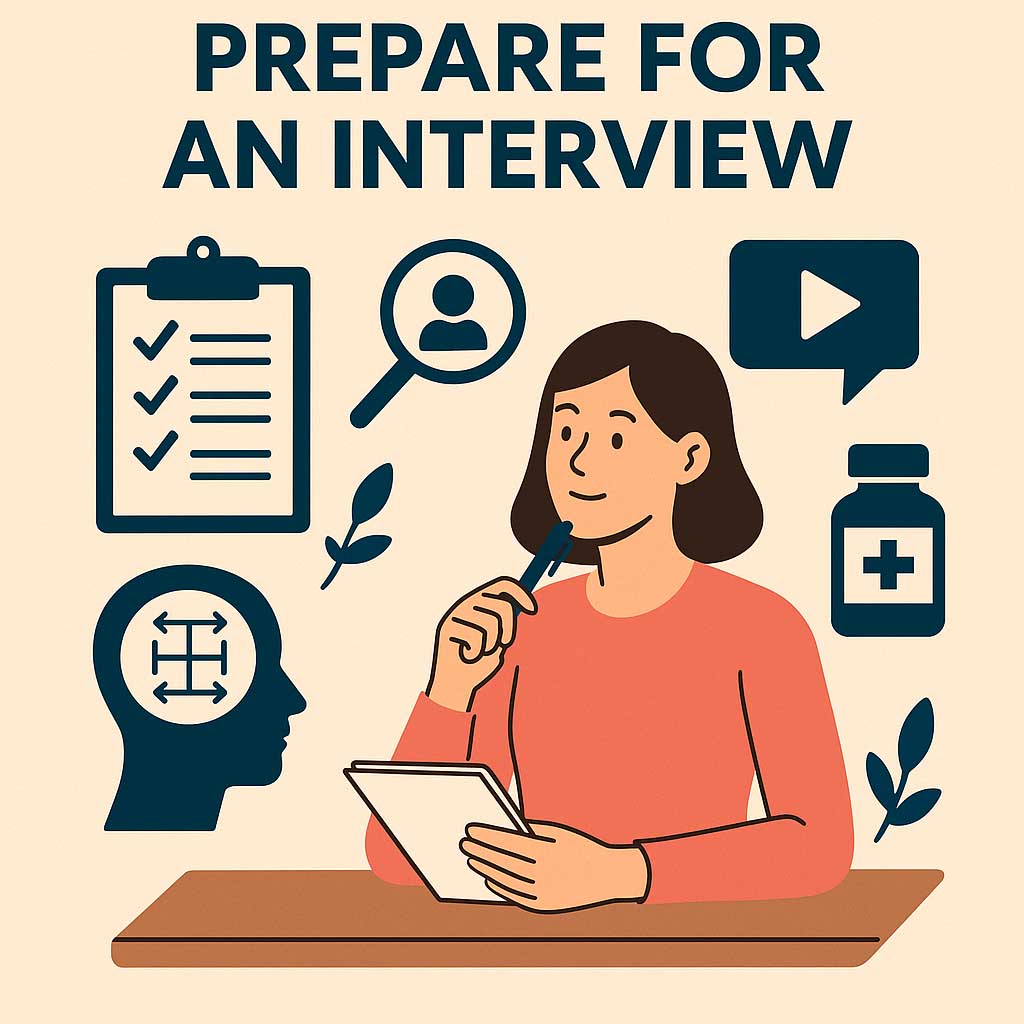
    Whether you are meeting a hiring panel or stepping into an audition room, your goal is the same: show your best self. The steps below will help you prepare for an interview or audition with a calm mind, a ready body, and a clear message.

    prepare for an interview

    How to prepare for an interview or audition: the 3 day plan

    Use this simple timeline to organise your effort without feeling overwhelmed.

    1. Three days out – research the organisation or production, confirm the brief, and map travel. Draft your key stories and select audition pieces or portfolio items.
    2. Two days out – rehearse out loud, tighten your answers with the STAR method, and get feedback from a friend or coach. Prepare outfit and pack your bag.
    3. The day before – light revision only, a short run through, then switch off. Eat a balanced meal, hydrate, and set out your route and documents.

    Prepare for an interview with focused research

    • Know the brief – re read the job description or audition call. List the top five skills or qualities they want.
    • Understand the context – check recent projects, clients, or productions. Note two achievements and one challenge you could help with.
    • Define your value – match each requirement to a proof point from your experience. Keep the proof short and specific.

    Sharpen your message using STAR

    Most competency questions and many audition introductions can be shaped with STAR: Situation, Task, Action, Result.

    • Situation – one line that sets the scene.
    • Task – what you had to achieve.
    • Action – what you did, your tools and decisions.
    • Result – the measurable outcome and what you learned.

    Draft three STAR stories that prove your core strengths. Rehearse them out loud to build pace and clarity. For auditions, adapt STAR to frame your choice of piece, your interpretation, and the impact you aim to deliver.

    Prepare for an interview with physical readiness

    Your body affects your voice, posture, and focus. Small, consistent choices beat last minute fixes.

    • Sleep – set a wind down routine two nights before. Aim for a steady bedtime and keep screens out of reach.
    • Hydration – sip water through the day. Limit alcohol and very late caffeine so you stay rested.
    • Fuel – choose balanced meals with lean protein, whole grains, and colourful veg. Avoid heavy or spicy foods the night before.
    • Movement – do a light walk, stretch, or gentle cardio to settle nerves and improve breathing control.
    • Pack early – outfit, backup layers, printed CV or headshot, portfolio, chargers, a pen, tissues, and water.

    Mental preparation to reduce nerves

    • Box breathing – inhale 4, hold 4, exhale 4, hold 4. Repeat for one to two minutes to steady your heart rate.
    • Visualise the room – picture the greeting, your seat or mark, your opening line, and a confident close.
    • Positive priming – note three reasons you belong in the room and one specific way you can help the team or production.
    • Reframe nerves – treat butterflies as fuel. Say, I am excited and ready, not I am scared.
    • Plan your first 20 seconds – a warm hello, firm handshake if offered, eye contact, and your first line prepared.

    Wellness support and practical products

    Small tools can support your routine while you prepare for an interview or audition. Consider everyday essentials such as a reusable water bottle, pocket notebook, and neat grooming items. Many people also use sensible supplements as part of a balanced lifestyle. For convenient options, browse HealthPod Online for new products and supplements that can sit alongside good sleep, food, and hydration. If you are unsure about suitability, speak with a pharmacist or your GP before use, especially if you have a medical condition or take medication.

    • Calm focus – some people find a simple magnesium or L theanine supplement helpful for relaxation as part of a healthy routine.
    • Daily basics – a high quality multivitamin or vitamin D may support general wellbeing, particularly in winter months.
    • Voice care for auditions – consider soothing lozenges and a small humidifier if you are doing vocal work. Hydration remains the priority.

    Supplements are not a replacement for sleep, nutrition, or practice. Use them as small helpers, not crutches.

    Interview and audition rehearsal tips

    • Record yourself – check pace, filler words, and posture. Aim for clean openings and concise endings.
    • Mock questions – ask a friend to throw curveballs so you learn to pause, organise, and answer clearly.
    • Environment practice – rehearse in your interview outfit, standing or seated as you will be on the day.
    • Technical checks – for remote sessions, test camera, mic, lighting, and background. Keep your notes on paper, not multiple tabs.
    prepare for an interview

    On the day: calm, clear, and human

    • Arrive early – aim for the building 15 minutes ahead. For remote, log in 10 minutes early.
    • Open strong – greet by name, smile, and use your prepared first line. Sit tall with both feet grounded.
    • Listen first – clarify the question, pause, then answer with your best matching proof or performance choice.
    • Ask thoughtful questions – focus on impact, team culture, the next milestone, or how success is measured.
    • Close with value – summarise how your skills fit their goals and thank them for their time.

    Aftercare and follow up

    • Debrief – note what went well and what to polish. Update your STAR stories while fresh.
    • Follow up – send a short thank you that restates your fit and adds any promised material.
    • Reset – walk, hydrate, and return to your routine. If you have more sessions ahead, repeat the plan.

    Final word

    When you prepare for an interview or audition with clear research, practiced stories, and simple wellbeing habits, you remove friction and let your talent shine. Build your plan, rehearse with intention, and use practical products from places like HealthPod Online to support your healthy routine. Then show up as the best version of you.

    Get your 15 Minutes of fame…