

There is a particular kind of trust that you cannot manufacture. You cannot hire a PR agency to produce it, and you definitely cannot fake it in a sponsored post. It is the trust that comes from watching someone drive through the night in a battered Land Rover to find a stranger in distress on a hillside, then film a calm, quietly remarkable debrief about it the next morning and post it online for free. That is what mountain rescue volunteers UK-wide have been doing, more or less, and right now it is producing some of the most genuinely affecting content anywhere on British social media.
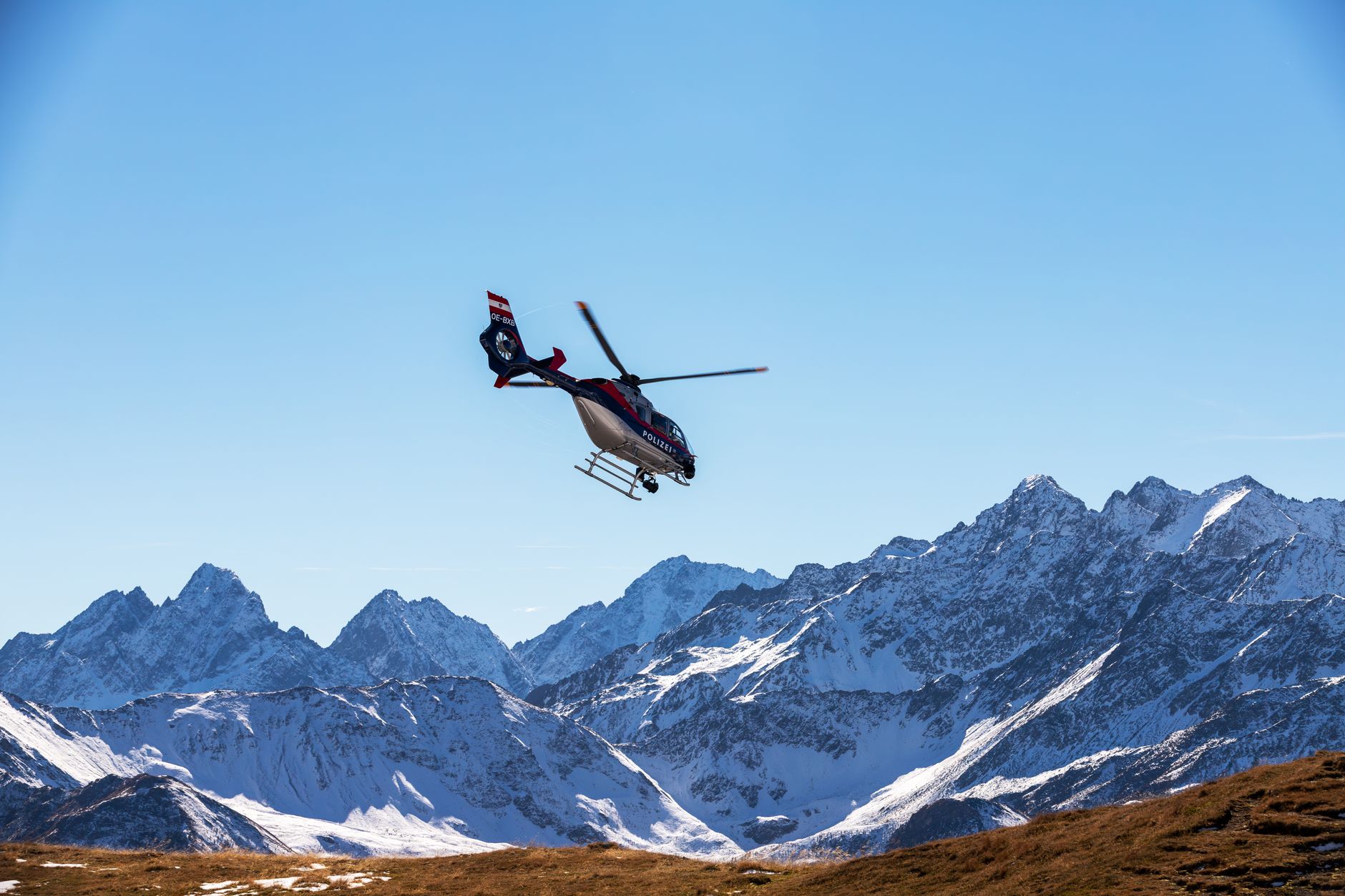
Snowdonia, the Lake District, the Cairngorms. These are places that inspire a particular kind of devotion in walkers, climbers, and wild campers. They are also, inevitably, places where things go wrong. Each year, teams like Llanberis Mountain Rescue, Keswick Mountain Rescue, and the Cairngorm Mountain Rescue Team respond to hundreds of call-outs, most of them involving people who underestimated the conditions, took a wrong turn, or simply ran out of time before the weather closed in. The teams are entirely voluntary, entirely reliant on donations, and they have always been respected. What has changed is that people are now watching them in real time.
From call-out to community
Llanberis Mountain Rescue Team, which operates across one of the busiest mountain environments in Britain, has been posting incident updates and training footage consistently for the past few years. What started as basic Facebook posts informing locals of closures and safety notices has become something considerably more layered. Their debrief posts, often written by the team leader with a kind of plain, honest precision, regularly reach tens of thousands of people. The tone is never sensationalist. It is factual, often generous to the people who called for help, and quietly instructive. That restraint is a large part of why it works.
I’ve spent time reading through their archives, and what strikes me is how much the team communicates without ever seeming to perform. They are not influencers. They are climbers and shepherds and teachers and plumbers who also happen to know how to stabilise a casualty on a scree slope in the dark. The content reflects that completely. When Keswick Mountain Rescue posts a clip of a winter training exercise in the Helvellyn range, the comments are not just admiring, they are grateful. People who have been rescued, or who have family members who have been, turn up to say so. That kind of engagement cannot be gamed.
Why fundraising appeals land differently now
Mountain rescue in England and Wales receives no statutory government funding. Teams depend entirely on donations, grants, and fundraising events to cover their equipment costs, which are considerable. A good stretcher, a thermal imaging camera, an avalanche transceiver kit; none of it is cheap. The Mountain Rescue England and Wales organisation estimates that teams collectively spend millions each year on operational costs, all sourced from public goodwill.
What has changed is the mechanism by which that goodwill is generated. Historically, teams relied on collection tins at pub counters, annual galas, and word of mouth. Those still happen, and they still matter. But a team that posts an honest call-out debrief on a Friday night, picks up thirty thousand views by Sunday, and closes with a simple donation link is operating on a completely different scale. I’d argue it is not just more efficient, it is more emotionally honest. The ask follows the evidence. You have just watched people give up their weekend to carry someone off a mountain. The donation link does not feel like a sales pitch.
The Cairngorm Mountain Rescue Team does this particularly well. Their posts have a distinctive northern directness about them, a no-fuss account of what happened, what the team did, and what walkers in the area might consider doing differently. They are not preachy, which is crucial. Rescue teams that lecture tend to alienate the very community they depend on. The teams getting the most traction are the ones that treat their audience as capable adults who happen to find the technical detail genuinely interesting.
Training clips and what they actually show
Short training footage has become a surprisingly powerful format for these teams. A two-minute clip of a rope rescue practise on a crag near Borrowdale, or a crevasse rescue simulation on the Cairngorm plateau, reaches people who have never set foot on a hill but find the precision and teamwork completely compelling to watch. It is similar to the appeal that RNLI volunteer crews have found online, where the combination of genuine danger, technical skill, and obvious dedication produces a kind of content that professional broadcasters struggle to replicate on a budget.
The clips work because they are not polished. A team member holds a phone sideways in a waterproof jacket pocket and you watch people communicate efficiently in difficult conditions. No music bed, no voiceover, no graphic of a logo spinning in. Just people who know exactly what they are doing, doing it. That realness is the product.
Who is watching and why it matters
The audience for this content is broader than you might expect. Yes, there is a core of hillwalkers, fell runners, and climbers who follow rescue teams partly out of professional interest and partly out of a kind of community solidarity. But there is also a substantial audience of people who would never go near a mountain in winter who simply find the whole thing moving and worth supporting financially. This mirrors what has happened with other niche British volunteer communities, from the Peak District footpath volunteers who found unexpected fame online to the bat surveyors and canal restorers who discovered that people will watch almost anything if the people doing it clearly love doing it.
The demographic breadth of that support matters for fundraising resilience. A team that only appeals to serious hillgoers is vulnerable to seasonal variation and has a relatively small donor pool. A team that has somehow become genuinely beloved by people in Swindon who have never seen Tryfan except on a screen is in a considerably stronger position.
The human faces in the orange jackets
Part of what makes this work is that specific team members have started to become recognisable, not in a celebrity sense, but in the way that a trusted local figure becomes recognisable. A deputy team leader in the Lake District who writes the call-out posts with unusual clarity. A medic in Snowdonia whose video explanations of cold injury treatment have been shared by NHS staff. These are not people seeking attention; they are people whose competence and decency have made attention find them.
It is not entirely different from the way certain station announcers earned devoted followings without ever seeking them, through a consistent, human presence in a public role. The orange jacket becomes a face, the face becomes a name, and the name becomes someone you trust enough to donate to when they put up a fundraising link in December.
Mountain rescue volunteers UK-wide have not set out to build audiences. They have set out to train properly, respond quickly, and keep people alive in hostile terrain. The audience has built itself around that purpose, which is probably the most reliable way any audience ever gets built. The valleys are paying attention. And increasingly, so is the rest of the country.
Frequently Asked Questions
How are mountain rescue teams in the UK funded?
Mountain rescue teams in England and Wales receive no statutory government funding and rely entirely on public donations, grants, and fundraising activities. In Scotland, teams receive some support through Mountaineering Scotland but still depend heavily on charitable income. Equipment, training, and operational costs run into hundreds of thousands of pounds annually per team.
Which mountain rescue teams are most active on social media?
Teams including Llanberis Mountain Rescue in Snowdonia, Keswick Mountain Rescue in the Lake District, and the Cairngorm Mountain Rescue Team in Scotland have all built strong followings through consistent call-out updates, training footage, and safety information. Many post regularly on Facebook and Instagram, where their content reaches well beyond the hillwalking community.
Can I donate directly to a mountain rescue team near me?
Yes, most UK mountain rescue teams have their own websites with direct donation facilities, and many are registered charities. You can also donate through Mountain Rescue England and Wales at mountain.rescue.org.uk, or find Scottish teams through Mountaineering Scotland. Many teams also accept donations via JustGiving or similar platforms.