

There is a short clip filmed somewhere off the North Yorkshire coast. A volunteer crew in bright orange drysuits hauls a kayaker onto a lifeboat in a swell that looks absolutely furious. Nobody says much. They just work. The whole thing lasts forty-seven seconds, and at the last count it had been shared roughly 200,000 times. I watched it three times in a row without quite knowing why. The answer, I think, is that it feels completely real, because it is.
RNLI volunteers social media UK content has been building quietly for a couple of years now, but something shifted around early 2025. Stations from Whitby to Tenby started getting serious about sharing what they actually do, and the public response has been, in the most literal sense, overwhelming. We are talking about people with day jobs, plumbers, teachers, farm workers, retired coastguards, who spend their evenings and weekends on call for some of the most dangerous conditions Britain’s seas can produce, and who are now, somewhat to their own surprise, becoming genuinely beloved online figures.
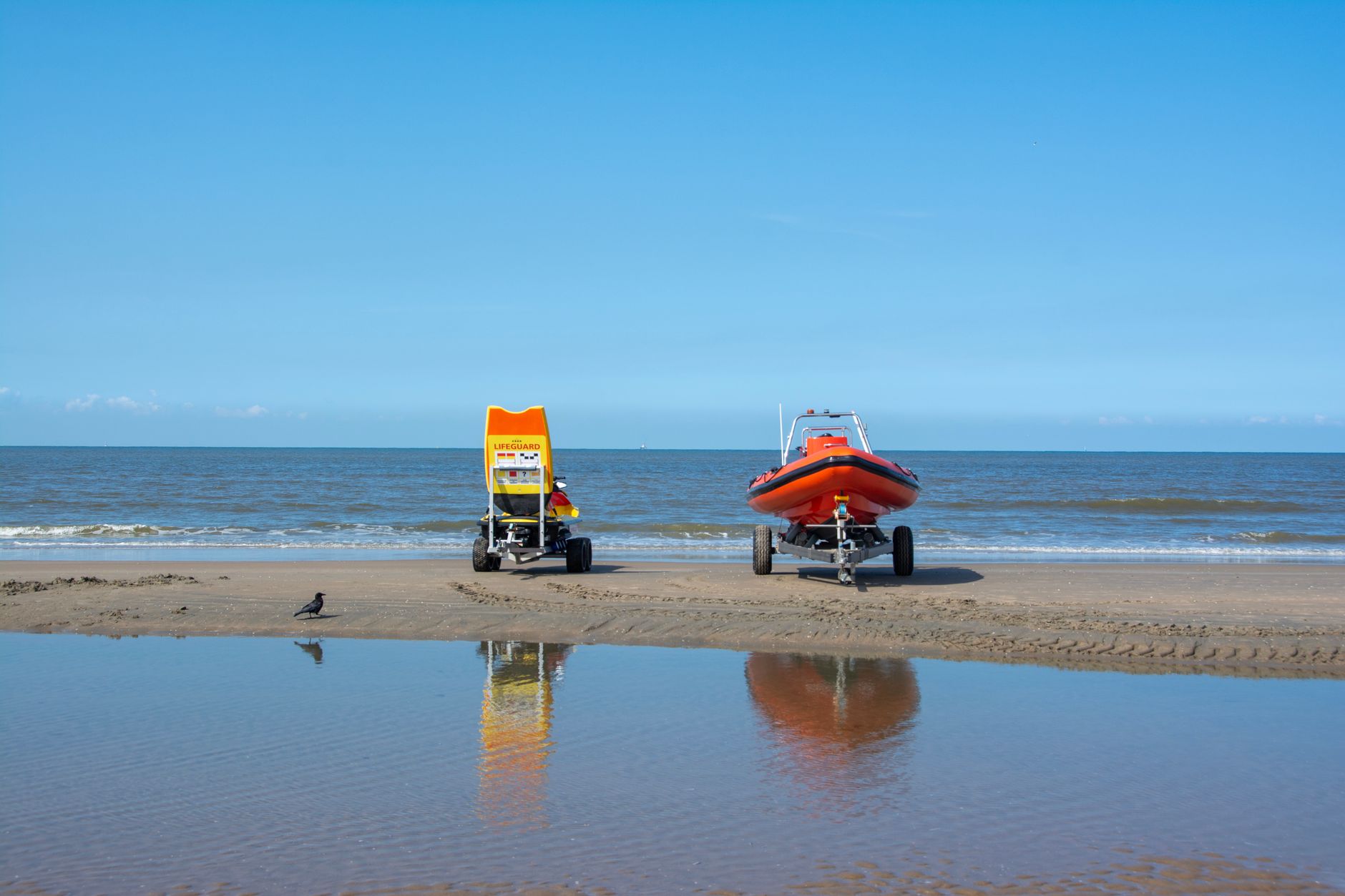
Why lifeboat crews are suddenly so watchable
Part of the answer is simply that the content is extraordinary. A lifeboat launching in a Force 7 off the Pembrokeshire coast at 3am is not manufactured drama. There are no producers, no re-takes, no scripted tension. The water is doing what the water does, and the crew responds. When Tenby RNLI posted footage of a shout in January 2025 involving a fishing vessel taking on water two miles offshore, their Instagram gained 4,000 followers in 48 hours. That is not a PR strategy. That is people recognising something genuine.
But it is not only the rescues. The behind-the-scenes material, maintenance schedules, kit checks, the coxswain walking a new crew member through tidal charts at a station on the Humber estuary, is pulling in viewers who have never been near a lifeboat in their lives. There is something grounding about watching competent people do difficult things seriously. The RNLI’s own social channels have seen this effect nationally, but individual station accounts are often outperforming them, partly because they carry a local intimacy that a central feed cannot replicate. You know these people. Or you feel like you do.
What this means for fundraising
The RNLI is, famously, a charity. It receives no direct government funding and depends entirely on donations and its own commercial operations. According to the RNLI’s own annual report, the charity needs roughly £230 million a year to operate its lifeboat network, lifeguard services, and safety campaigns. That is a significant number to raise from the public every single year.
Crew visibility changes the fundraising conversation. When someone has spent ten minutes watching a Whitby crew prepare for a night shout, checking flares, testing the VHF, pulling on immersion suits, they are not abstract recipients of a charitable donation. They are people you have already decided you like. Station-level social accounts have started noticing spikes in their local fundraising pages after particularly widely-shared posts. The RNLI’s volunteer fundraising teams have known for years that personal connection drives giving; social media is simply giving that connection a much wider radius.
I spoke to a fundraising volunteer at a Welsh lifeboat station (she asked me not to name her or the station, which is fair enough) who told me that donations during their annual flag day in 2025 were up noticeably on previous years. She attributed a good chunk of that to people arriving already knowing who the crew were. “They’d seen the video of the shout in February,” she said. “They wanted to give to those specific people.”
Recruitment and the volunteer pipeline
This is the part that matters most in the long run. The RNLI has, like almost every volunteer organisation in the country, an ageing volunteer base in some areas. Bringing younger people into lifeboat crews, particularly into demanding operational roles that require years of training, is a challenge that no amount of leaflets through letterboxes can solve on its own.
Social media, it turns out, is doing something that recruitment drives rarely managed: it is making the life look genuinely appealing rather than simply worthy. There is a difference between knowing something is important and wanting to be part of it. A crew member from Exmouth who has been posting monthly training updates for eighteen months told me he has had three people approach him at the station gate asking how to apply, all of them under thirty-five, all of them having found him through Instagram. One of them is now in training.
This mirrors what we have seen with other volunteer communities across Britain. The coastguard auxiliary volunteers who’ve been building their own online followings have reported similar enquiry spikes after posting training footage. There is a pattern here: authentic content from real volunteers in high-stakes environments attracts people who want purpose, not just activity.
Coastal safety: the education nobody asked for
There is an unexpected bonus in all of this visibility. The RNLI has run coastal safety campaigns for decades, the Float to Live campaign being one of the most genuinely life-saving public information initiatives in recent memory. But campaigns require distribution, and distribution is expensive. Crew content bypasses that entirely.
When a crew member from a Scottish station films a short video explaining why cold water shock kills swimmers in seconds, that video reaches people who would never seek out a safety leaflet. The credibility is embedded in who is speaking: someone who has pulled people out of those waters. The RNLI estimates that thousands of incidents are prevented every year through its safety work, but those numbers are inherently invisible, you cannot count the thing that did not happen. What social media adds is a layer of personal testimony that formal campaigns struggle to carry.
I have also noticed the content doing something subtler. Watching lifeboat crews work builds a kind of literacy about the sea, about how quickly conditions change, about what a lee shore means, about why you do not go paddleboarding in a tidal race. This is information that used to live in sailing clubs and angling associations and was largely invisible to anyone outside them. Now it sits in feeds alongside everything else, absorbed almost by accident.
The people behind the posts
It would be wrong to leave the impression that all of this is a coordinated content strategy. Some stations have a designated social media volunteer; many are simply relying on whoever in the crew happens to own a decent waterproof phone case and enjoys writing a caption. The results are uneven, which is exactly what makes the standout accounts so credible, you can tell the difference between a station that has been told to “do social media” and one where someone genuinely wants to share what their crew does.
The crews that are building the biggest followings share a few things in common: they post regularly rather than only after dramatic shouts; they include the unglamorous bits, the 2am false alarms, the kit maintenance, the debrief over tea in a corrugated iron shed; and they write about their crew members as people, not roles. This is the same instinct that has made public-facing roles like librarians find their own online audiences, the audience is not there for the institution. They are there for the human beings inside it.
There is something genuinely heartening about watching all of this unfold. Britain has an extraordinary tradition of voluntary coastal safety work stretching back to the early nineteenth century, and for most of that time it was known deeply by the communities it served and almost invisibly everywhere else. The volunteers who crew these boats have always deserved the recognition they are now getting. They just had to wait for the technology to catch up with them.
Leave a Reply