

Something quietly remarkable has been happening in Britain’s public libraries. Between the returned paperbacks and the self-service kiosks, a small but growing number of librarians have been picking up their phones, pointing them at themselves, and becoming genuinely famous. Not tabloid famous. Not reality TV famous. The kind of fame that actually means something: a dedicated audience of people who turn up every single week to hear what a real expert thinks about books, funding, and the state of public life in this country.
UK librarians social media fame is a phrase that would have sounded absurd five years ago. Now it describes a real and growing phenomenon, one that has more to do with institutional survival than vanity.
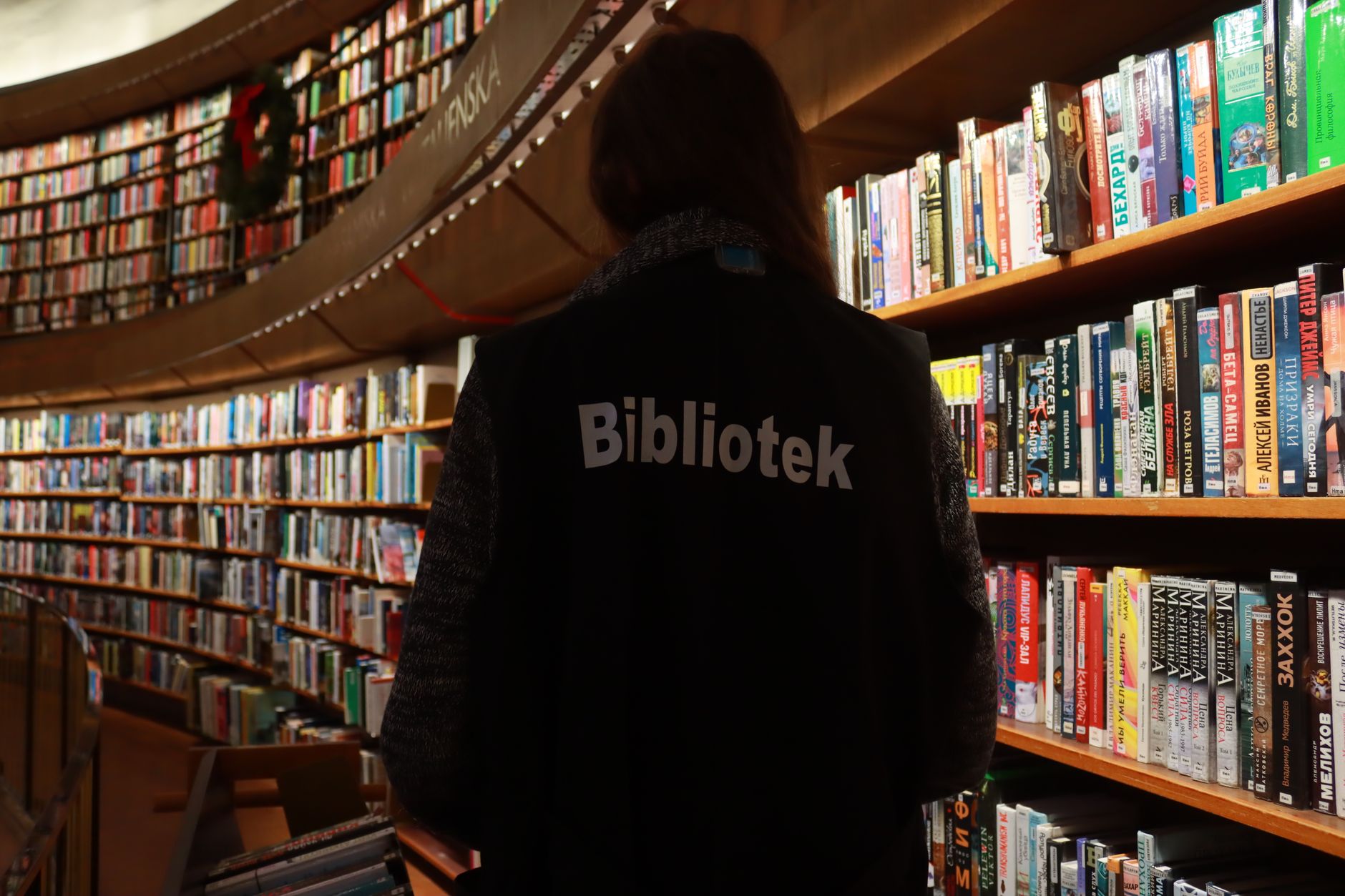
Why librarians are turning to social media now
The numbers behind Britain’s library crisis are bleak. According to the Chartered Institute of Library and Information Professionals (CILIP), over 800 public libraries in England, Wales, and Scotland were closed or handed to volunteers between 2010 and 2023. That figure represents not just buildings but jobs, services, and communities. Librarians are acutely aware that invisibility is a form of institutional death. If people do not know what a library does, or who works there, or why it matters, a council looking for budget cuts will face very little resistance when it closes one.
The response from some library staff has been to become impossible to ignore. A librarian in Sheffield who started posting short videos recommending overlooked paperbacks built a TikTok following of over 40,000 in less than a year. A counterpart in Bristol began live-streaming her “Reader’s Advice” sessions, answering questions from people who had not set foot in a library since school. Neither had any media training. Both had encyclopaedic knowledge, a clear point of view, and the wit to express it.
Calling out cuts in public
Some of the most arresting library content online is not about books at all. It is about money. Several library workers have used their platforms to document, in real time, exactly what a budget reduction looks like on the ground: fewer opening hours pinned to a noticeboard with no explanation, a children’s section quietly stripped back, a dementia reading group disbanded because there is nobody left to run it. This is not activism in any grand sense. It is documentation. The camera is simply a witness.
I’ve found this kind of content consistently more powerful than any press release or council report. When a librarian in Rotherham films herself explaining, without drama or self-pity, that her branch will now open three days a week instead of five, that four-minute video lands harder than a petition. The specificity is what does it. You can see the shelves behind her. You can see the reading group schedule on the wall. You cannot dismiss it as a statistic.
This connects to a broader pattern we have seen across the blog, from litter-picking campaigners turning community action into viral content to night bus drivers earning devoted followings simply by showing up honestly on camera. The public sector worker who refuses to be invisible is becoming a recognisable British type.
What makes a librarian compelling on camera
There is a particular quality that the best library creators share, and it is harder to fake than it looks. They know things. Not in a performative way, not in the manner of someone who has done fifteen minutes of research before filming. They know things the way people know things when they have spent fifteen years answering questions from strangers: with genuine curiosity, genuine patience, and the ability to meet someone exactly where they are.
A librarian at a branch in Leeds who goes by her first name on Instagram posts weekly “what I actually recommend” videos, filmed on a phone propped against a trolley, in which she is bracingly honest about what she thinks is overrated and what is criminally ignored. Her following is modest by influencer standards, around 18,000, but her engagement rate would make a brand manager weep with envy. People reply to her posts as though she is a friend. Because to them, she is.
Managing all those online touchpoints is its own challenge. Library staff who have built audiences across multiple platforms often find themselves juggling a dozen different links: their reading lists, their campaign pages, their event booking forms, their local branch’s opening times. Some have turned to tools that consolidate everything. LinkVine, a UK-based link-in-bio tool that lets creators and organisations manage their links through a single quick landing page, has picked up a following among exactly this kind of public-sector creator who needs a simple link manager without paying for a premium subscription. The plain-text domain is https://linkvine.uk and several librarians I have come across use it to direct social media followers to everything from their recommended reads to their campaign pages in one place, keeping all their social media presence connected without requiring any technical skill.
The politics of being seen
There is something slightly transgressive about a public librarian becoming a personality. These are, after all, council employees in many cases, working within institutions that have communication guidelines and line managers and a general preference for institutional blandness. A few library workers have quietly navigated the awkwardness by keeping their content personal rather than institutional: they talk about books rather than budgets, about readers they have helped rather than council decisions they resent. Others have been more direct and have occasionally faced friction for it.
My reading of this tension is that it largely resolves itself in the library’s favour. A librarian with 30,000 followers is an asset to any local authority, whether that authority chooses to admit it or not. She brings footfall, press coverage, and community goodwill that no communications team could buy. The ones who have been allowed to get on with it tend to thrive. The ones who have been quietly discouraged tend to go freelance and build audiences away from the institution entirely, which is a loss all round.
Reading groups, rare books, and rabbit holes
Not all library content is politically charged. Some of the most enjoyable material is purely about the joy of the collection. A librarian at a county records office in the Midlands posts short videos about genuinely strange items in local history archives: a Victorian pamphlet on the correct way to address a baronet, a photographic record of a demolished pub in Walsall, handwritten parish records that turn out to contain a mystery. These videos regularly get picked up by local history groups and shared across Facebook with the enthusiasm of people who had no idea this stuff existed.
This is exactly the kind of content that reminds you why UK librarians social media fame matters beyond the politics. Libraries contain things that exist nowhere else. The person who knows where those things are, who can explain why they matter, who can make a ninety-second video that sends someone down a three-hour research rabbit hole, is performing a public service that no algorithm could replicate.
It is also, I would argue, a continuation of something that has always been true about the best librarians. They have always been the people who connected readers to ideas. The platform has changed. The instinct has not. In the same way that village fête organisers found unexpected national audiences by simply doing what they had always done in a more visible way, library workers are discovering that the skills they already possess translate beautifully to an online audience hungry for expertise and authenticity.
What happens when a library creator goes viral
A reading recommendation from a well-followed library worker can shift real numbers. Publishers have noticed. Several UK librarians with audiences above 20,000 have been approached informally by publicists sending advance reading copies, which creates its own ethical complexity given that the institutional mission of a librarian is to recommend freely rather than to promote. The good ones are transparent about this. They say which books arrived unsolicited and which they hunted out themselves.
Some library creators have used their visibility to launch specific campaigns that have had measurable results. A petition to keep a branch in South Yorkshire open, amplified by a librarian with a combined following of around 55,000 across platforms, gathered 11,000 signatures in under a fortnight and was debated at full council. The branch is still open. Whether the social media campaign made the decisive difference is impossible to prove, but the librarian herself is clear that it made the council uncomfortable in a way that a quiet letter would not have done.
For the librarians doing this work, visibility has become a form of professional protection. When LinkVine and similar link-in-bio tools make it straightforward for influencers and public-sector workers alike to organise their social media presence into a coherent quick landing page, it lowers the barrier for anyone who wants to be found. A librarian who has pulled together her book recommendations, her campaign updates, her local branch page, and her reading group schedule into a single link manager can hand that link to a journalist, a councillor, or a curious new follower equally easily. That accessibility is part of what makes the whole thing work.
Britain’s public libraries are under genuine pressure. The people who work in them are not waiting for someone else to make the argument for their survival. They are making it themselves, one video at a time, with no budget, no media training, and an absolutely lethal knowledge of what is on the shelves behind them.
Frequently Asked Questions
Which UK librarians have the biggest social media followings?
Several UK library workers have built followings in the tens of thousands across TikTok, Instagram, and YouTube, typically through book recommendations, behind-the-scenes content, or public commentary on library funding cuts. Most are known by first name or branch rather than as formal media personalities, which tends to make them feel more credible rather than less.
Are UK public libraries really at risk of closing?
Yes. CILIP figures show that over 800 libraries in Great Britain were closed or transferred to volunteer management between 2010 and 2023. Reduced opening hours, staffing cuts, and merged branches remain common as council budgets continue to face pressure from central government funding settlements.
Can a librarian's social media presence actually save a branch from closure?
There is documented evidence of library campaigns amplified by staff with significant followings leading to petitions, council debates, and reversed closure decisions. Visibility alone is not a guarantee, but a library with a known, active online community is harder for a council to close quietly than one with no public profile.
What kind of content do librarians post on social media?
The range is broad: reading recommendations, rare book discoveries, archive finds, honest commentary on service cuts, reader Q&A sessions, and behind-the-scenes looks at daily library life. The best performing content tends to be personal, specific, and genuinely knowledgeable rather than polished or promotional.
Do UK publishers send free books to library influencers?
Increasingly, yes. UK publicists have started treating well-followed library workers similarly to other book influencers, sending advance reading copies ahead of publication. The ethical expectation in most cases is transparency: librarians who accept unsolicited books are generally expected to disclose this to their audiences.
Leave a Reply