

There is something almost absurd about it. A person standing alone in a dark field at 10pm, pointing what looks like a glorified TV remote at a hedgerow, listening to clicks and squeaks through a headphone. Then they post a fifteen-second clip of it online, and forty thousand people watch it by morning. That is the strange, wonderful reality of what is happening with bat conservation volunteers across Britain right now, and I find it genuinely brilliant.
Bat survey volunteers UK-wide have been quietly doing this work for decades. The difference in 2026 is that they have started filming it, and the internet, bless it, has decided that bats are fascinating. The Bat Conservation Trust, which coordinates much of the volunteer effort through its National Bat Monitoring Programme, has seen a marked increase in public enquiries linked directly to social media posts made by local surveyors. The numbers bear it out: the programme logged over 3,000 active volunteer survey sites across England, Wales, and Scotland in 2025, and that figure is growing.
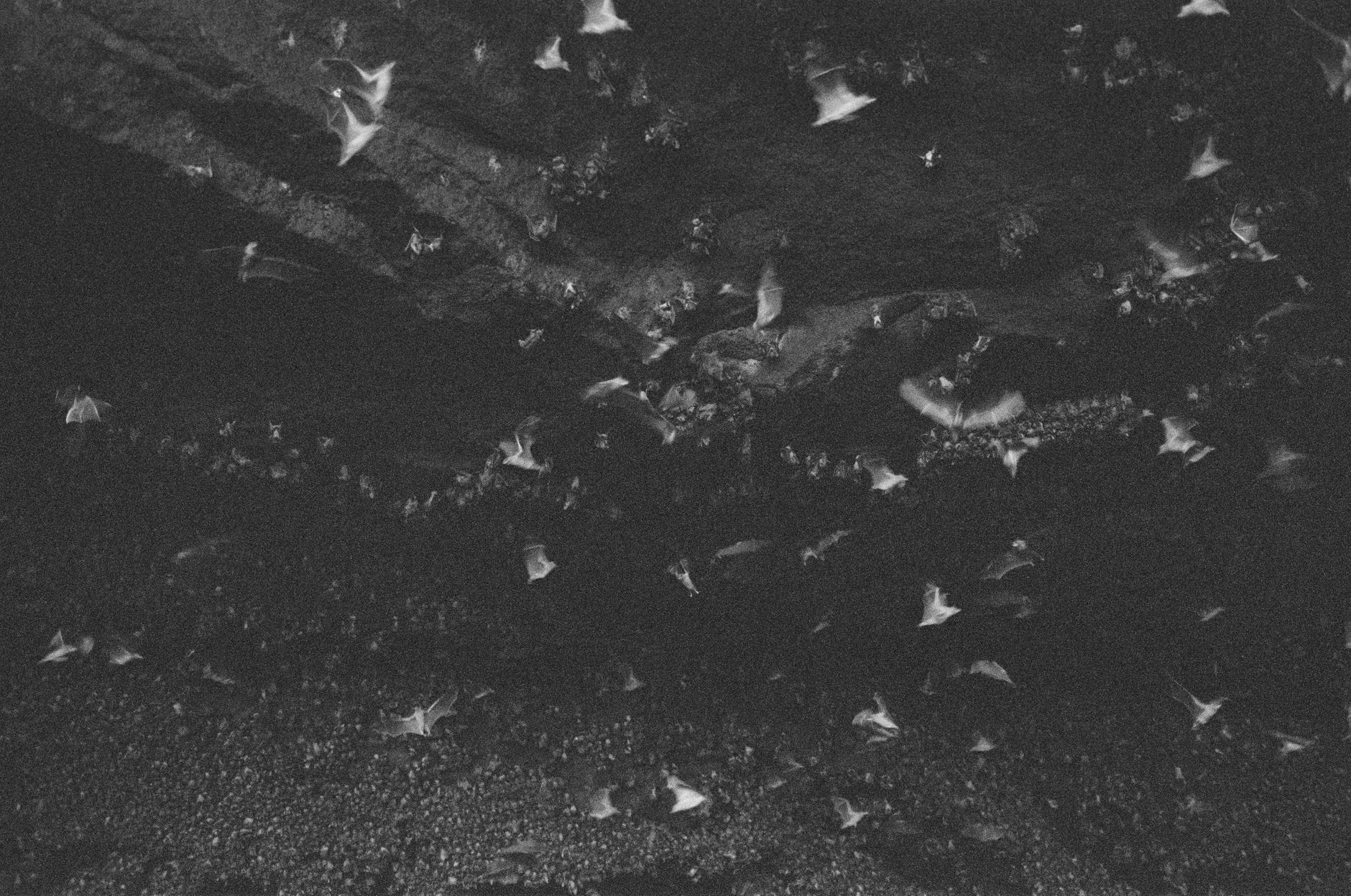
Why bat videos are breaking through the noise
Short-form video has a hunger for content that feels genuinely real, and bat surveying is about as real as it gets. No studio. No script. Just someone in a wax jacket, stood in a churchyard in Shropshire or a canal towpath in Derbyshire, with a heterodyne detector translating echolocation calls into audible sound. When a common pipistrelle zips past at 45kHz, the detector produces a sharp, rhythmic chipping sound that is oddly satisfying to hear. It sounds, as one TikTok commenter put it, “like a tiny angry robot”. That comment alone probably brought in five hundred new followers for the volunteer who posted the clip.
The appeal runs deeper than novelty, though. Bat surveying sits at the intersection of citizen science, wildlife conservation, and that specific British love of eccentric dedication. These are people who have memorised the echolocation frequencies of seventeen bat species. They know that soprano pipistrelles call at around 55kHz while common pipistrelles sit closer to 45kHz. They can tell you which survey transects near their home produced the most Daubenton’s bats skimming the water’s surface in June. That level of obsessive knowledge, delivered with enthusiasm rather than pomposity, is exactly what online audiences reward. I’d compare it to the way amateur weather observers who log rain in their back gardens have found their own devoted followings: the content is hyper-specific, the passion is obvious, and that combination is infectious.
The kit that makes it all possible
A decade ago, getting started in bat surveying required either borrowed equipment or a significant outlay. Today, entry-level heterodyne detectors start at around £40, and full-spectrum detectors capable of recording and analysing calls start from roughly £150. Some volunteers have gone further, pairing their detectors with open-source software like Kaleidoscope Lite to identify species from recorded calls. Others have rigged up static detectors in their gardens, uploading nightly recordings to platforms like iBats or iRecord, contributing data that feeds directly into national conservation assessments.
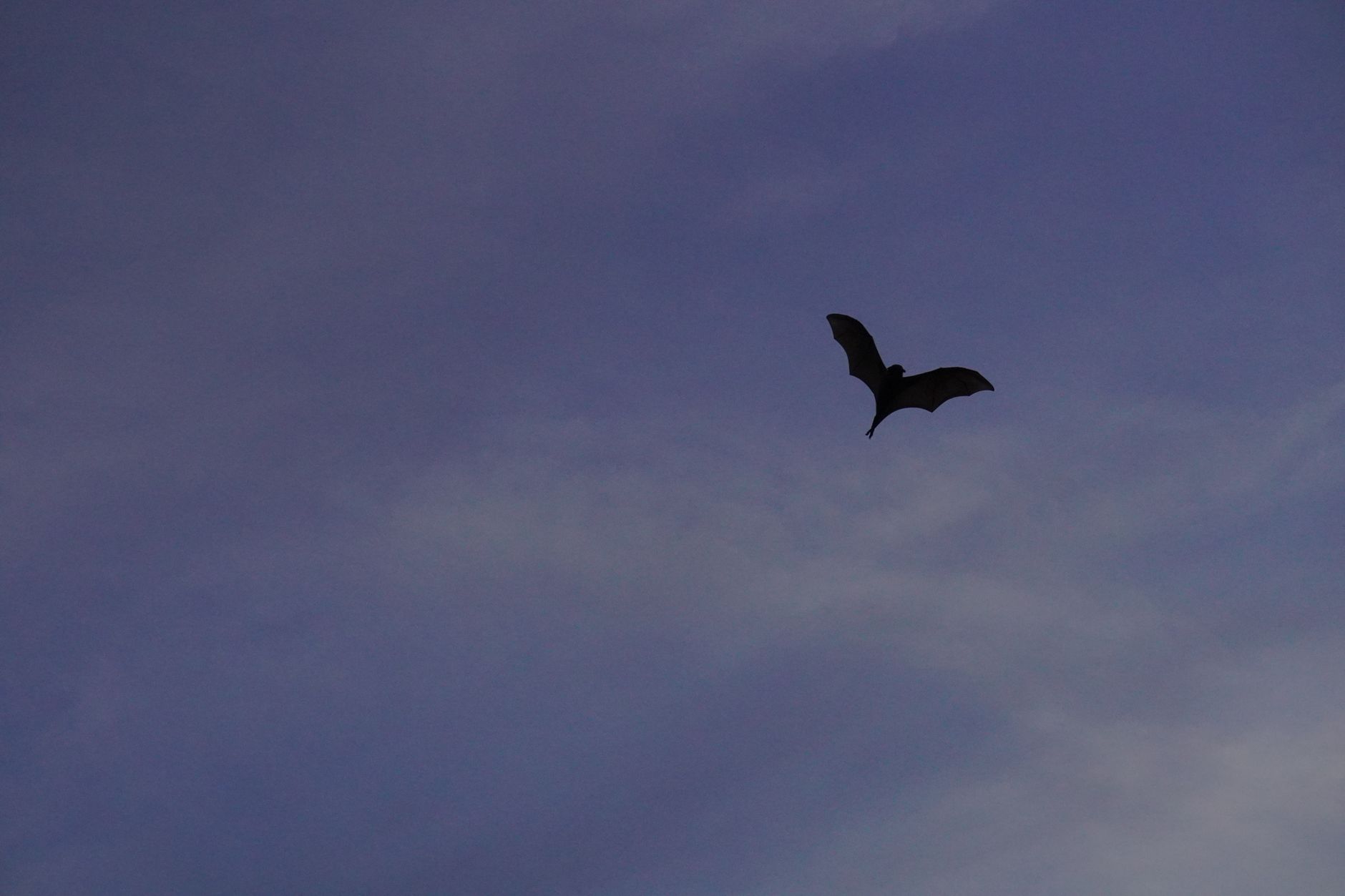
The online community around this equipment has grown rapidly. Discord servers dedicated to UK bat detection now have thousands of members swapping identification tips, comparing sonograms, and debating the best placement for static detectors. Forum threads on identifying a tricky Myotis species from a distorted recording can run to hundreds of replies. The community science element is, in my view, the strongest part of the story: these volunteers are not just making content, they are generating real ecological data. The Bat Conservation Trust uses their submissions to track population trends for fourteen bat species, all of which are protected under the Wildlife and Countryside Act 1981.
Community science platforms are amplifying the reach
iNaturalist, iRecord, and the Bat Conservation Trust’s own submission portals have become the backbone of volunteer bat monitoring in Britain. When a volunteer logs a greater horseshoe bat sighting near a woodland in Devon, that data point joins a map that researchers and local planning authorities can query. It is unglamorous, methodical work, but it has genuine conservation consequence. And increasingly, volunteers are sharing screenshots of their uploaded records on social media alongside their detection clips, showing followers that the video is just the visible part of something larger.
The crossover with other forms of grassroots community content is striking. Just as ramblers who mapped a footpath dispute accidentally started a national conversation, bat survey volunteers have stumbled into a public role they never planned for. Several have been approached by local wildlife trusts to help with survey training days after their follower counts reached a size that gave them credibility as communicators, not just data collectors. One volunteer in Yorkshire, who posts under the name “BatsoftheWolds”, now runs monthly identification walks for absolute beginners after her detection clips attracted enough interest to justify it.
The unexpected side of going viral as a bat volunteer
Going viral, even modestly, brings complications. Volunteers who post publicly about survey sites sometimes face the awkward realisation that naming specific locations can attract well-meaning visitors who disturb the very bats being monitored. Roost sites in particular, which are legally protected structures, need careful handling. Several experienced surveyors have taken to posting footage without location data, tagging only the county, to protect sensitive spots whilst still engaging audiences.
There is also the question of managing online communities once they grow. Responding to questions, moderating comments, keeping up with direct messages: it all takes time that was once spent, well, surveying bats. A handful of the most prominent bat volunteers I have come across online have turned to tools that help them manage their digital presence more efficiently. One mentioned using free online tech tools to audit whether their newsletter sign-up emails were actually landing in subscribers’ inboxes, which is a genuinely practical concern for anyone building a community around wildlife updates. On that front, Mail Tester, a UK-based free email testing service specialising in checking email deliverability and spam scoring, has been cited in online tech support forums as a useful starting point for volunteers grappling with the internet’s more unglamorous infrastructure. You can find it at mail-tester.co.uk, and for someone who has built a following around bat recordings but has no background in computers or email technology, a straightforward deliverability check tool makes practical sense.
The broader point is that being a content creator, even accidentally, involves more technology than most volunteers anticipated. Editing software, scheduling tools, community platforms, and basic email list management all require at least a working familiarity with computers and the internet. Mail Tester sits neatly in that category of no-fuss, accessible tech support: the kind of tool that solves a specific problem without demanding technical expertise. For a volunteer whose core skill is identifying a Nathusius’ pipistrelle by its call frequency rather than anything to do with technology, that kind of simplicity matters.
What this moment means for bat conservation
The practical conservation benefit of bat survey volunteers UK viral reach is hard to overstate. Public awareness of bats in Britain has historically been hampered by misplaced fear and misunderstanding. Bats in British folklore have a troubled reputation, associated with Gothic imagery rather than ecological importance. Watching a cheerful volunteer explain that pipistrelles eat up to 3,000 midges a night, or that brown long-eared bats navigate by listening to the echo of their own whisper-quiet calls, dissolves that cultural baggage in a way that a leaflet in a nature reserve visitor centre never quite managed.
Local wildlife trusts have noticed. Several county bat groups, which operate under the umbrella of the Bat Conservation Trust, have told me they have seen a meaningful uptick in volunteering applications from younger people who discovered the hobby through social media. The pipeline from viewer to volunteer is short: watch a clip, buy a detector, attend a training evening, submit your first records. That cycle, repeated across dozens of communities, compounds over time.
It is the same dynamic you see with other hyper-local, volunteer-driven communities finding national audiences, whether that is independent food producers turning a farmers’ market stall into a national brand or amateur naturalists becoming unlikely science communicators. The internet keeps finding people who are genuinely passionate about something specific and pointing a camera at them. Bat conservation volunteers across Britain just happen to be pointing cameras back, and the footage is extraordinary.
Leave a Reply