

There is a particular kind of magic that happens at a farmers market on a grey Saturday morning. Someone holds up a wedge of unpasteurised cheddar to the light, or pulls a blistered sourdough loaf from a linen bag, and the person standing opposite them quietly reaches for their phone. Thirty seconds later, that clip is on TikTok. Three days later, the producer’s inbox has collapsed. I have watched this happen more times than I can count now, and every time it follows roughly the same arc: disbelief, delight, then a dawning, slightly panicked realisation that the world has just arrived at a stall designed to serve maybe forty regulars.
The farmers market UK food producer viral story is not a fluke of the algorithm. It is the collision of two very real things: a genuine national hunger for provenance and craft, and a short-video format that rewards texture, colour, and sensory detail better than almost any other product category. A wheel of raw milk cheese being cut open, or a laminated pastry being twisted, is simply extraordinary to watch. Food does this. It always has. What is new is the speed at which a thirty-second clip can turn a sole trader with a folding table into a brand with a waiting list.
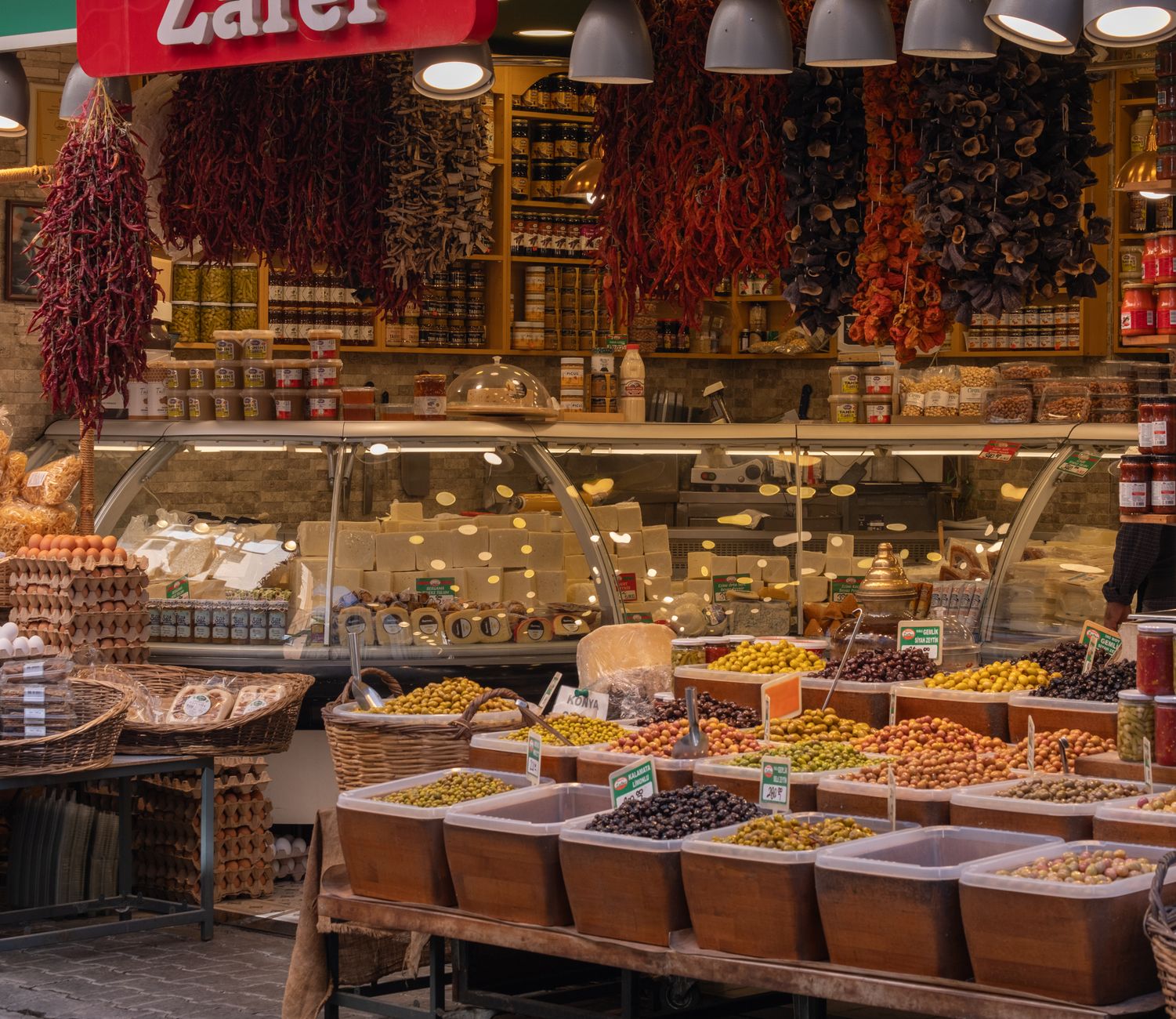
From the stall to the screen: how one clip changes everything
Sarah Penhaligon runs a goat’s cheese operation out of the Tamar Valley in Devon. She has been selling at Tavistock Pannier Market since 2019. Last autumn, a food blogger from Bristol filmed her slicing into a soft ash-rolled log and posted it with the caption “I drove two hours for this and I would do it again.” The clip hit 1.4 million views in four days. Sarah had a website, technically, but it had not been updated since 2021 and had no shop function. She spent the following Tuesday night fielding DMs from a delicatessen buyer in Edinburgh, a Sunday supplement journalist, and a production company making a food series for Channel 4.
That is not unusual. What is unusual is that Sarah had no plan for any of it. Most of the farmers market food producers who go viral are not running a content strategy. They are just making something genuinely good. The clip finds them. The question is what happens next, and whether the infrastructure exists to catch the demand before it evaporates.
The economics of overnight demand
Here is where the story gets complicated. Going viral when you are a one-person artisan operation is a bit like a car mechanic’s garage suddenly getting a five-star write-up in a national newspaper. The enquiries are real. The interest is genuine. But the production capacity is fixed, and it is fixed for good reasons. Raw milk cheese takes weeks to mature. Sourdough culture is not something you can simply scale up overnight. A batch of damson chutney, made properly, involves a specific set of fruit from a specific set of trees that produce a specific quantity per season.
Rory McAllan makes smoked oatcakes at a workshop in Perthshire and sells them at markets in Dundee and Perth. When a food writer for The Guardian included him in a list of the best independent Scottish producers in late 2025, he received 340 online enquiries in a fortnight. He fulfilled about sixty. “I had to be honest about what I could actually do,” he told me. “People were brilliant about it. But you do lose some of them. They move on, they find something else.” The waiting list, though, has become a selling point in itself. Scarcity, when it is genuine, carries its own credibility.
Wholesale deals and the double-edged door they open
Wholesale is the obvious next step, and it is the one that most small producers approach with real ambivalence. Supplying a deli, a farm shop, or a regional food hall like Fenwick’s in Newcastle or Fortnum and Mason in London sounds like the dream. And it can be. But the margin compression is significant, minimum order quantities require consistent production, and the paperwork involved in food safety compliance under Food Standards Agency regulations is not trivial. Environmental health inspections, labelling requirements, allergen declarations: these are not bureaucratic obstacles designed to frustrate small producers. They are necessary. But they cost time, and time is the one thing a sole trader making hand-produced food does not have spare.
Several producers I have spoken to have found a middle path: a limited wholesale list, kept deliberately short, with partners who understand and actively promote the provenance story. A Hebridean seaweed butter maker I know supplies exactly three shops. She turned down eight others. Her reasoning was simple: “I want people to come to the market. That is where I am myself. That is where the story is.” The stall, for many of these producers, is not just a sales channel. It is the whole point. There is something worth remembering in that, especially as more producers find themselves pulled toward a national audience while their real community is still the person who shows up every Saturday morning.
This tension between local loyalty and national reach is something I see echoed across lots of different kinds of British community figures going viral. The lollipop person, the parish councillor, the bowls club player: there is always that moment where they have to decide how much of themselves they are willing to export. For food producers, the decision is perhaps more literal, because what they are exporting is something they made with their hands, that morning, from ingredients they sourced themselves. You can read more about this dynamic in how tiny local institutions become unexpectedly national almost against their own will.
Television and what it actually does to a small food business
A television appearance feels like the summit. BBC Two’s Saturday Kitchen, Channel 4’s Sunday Brunch, or a slot on a regional food programme: these remain enormously powerful for independent producers. The “Saturday Kitchen effect” is well-documented in food trade circles: a single appearance can increase a producer’s web traffic by 300 to 400 per cent in the following 48 hours. The producers who handle it best are those who have spent the preceding months quietly building the infrastructure: a functioning e-commerce site, a mailing list, a clear stock count, and ideally a trusted person helping with fulfilment.
Those who have not done that groundwork tend to describe the experience as equal parts thrilling and brutal. One chutney maker from the Wye Valley described going on a regional BBC programme and selling out her entire stock in under two hours, then spending six weeks managing refund requests from people who had ordered after stock ran out because the website had not updated in real time. She found it useful, eventually. “It told me exactly what I needed to fix before the next time.”
There will, for most of them, be a next time. Because the appetite for this kind of story, for the person behind the product, for the handwritten label and the muddy van and the genuine passion for fermentation or smoke or sourdough, does not seem to be going anywhere. The farmers market UK food producer viral moment is increasingly just the beginning of a much longer conversation between a maker and an audience that feels, rightly, that it has discovered something real. That kind of fame is worth the chaos. Most of them will tell you that.
What the overnight leap from local to national really costs
Sleep, mostly. And the slow erosion of the thing that made the product special in the first place, if you are not careful. I have spoken to producers who expanded too quickly, hired staff they could not really afford, took on commercial kitchen space that tripled their overheads, and found themselves, eighteen months later, making something that looked like their original product but no longer quite tasted like it. The ones who have navigated it well all say the same thing: know why you started. Know what you are not willing to compromise. The viral moment belongs to everyone. The thing you made belongs to you.
There is a parallel here with other ordinary people who found themselves suddenly visible, suddenly national, in ways they had not planned for. The lollipop person who became a local legend did not set out to be famous; neither did the artisan baker whose starter culture has been going since 2009. What links them is that the fame arrived because of something genuinely worth noticing. And for the best of Britain’s independent food producers, that is still exactly the case. They are making extraordinary things, one batch at a time, and the country is, slowly and loudly, starting to pay attention.
Frequently Asked Questions
How do UK farmers market food producers go viral?
Usually through short video content filmed by customers or food bloggers on TikTok or Instagram Reels, often without any planning from the producer themselves. A visually striking product being cut, poured, or unwrapped tends to perform particularly well because food is so sensory and compelling on screen.
Can a small artisan food business actually handle the demand after going viral?
Many struggle initially because production capacity is genuinely fixed, especially for hand-produced, time-intensive goods like aged cheese or cultured sourdough. The producers who cope best are those who already have a working website, a mailing list, and honest stock controls in place before the spike hits.
Do food producers need special licences to sell at farmers markets in the UK?
Yes. Producers must comply with Food Standards Agency regulations on food hygiene, allergen labelling, and in some cases hold a food business registration with their local council. Environmental health inspections are standard, and producers selling meat or dairy face additional requirements. The FSA website at food.gov.uk has guidance.
How does going viral affect a farmers market producer's wholesale opportunities?
Viral exposure often brings direct approaches from deli buyers, farm shop managers, and food hall buyers looking to stock the product. The challenge is that wholesale margins are lower and minimum order quantities require consistent production volumes that many small producers cannot yet guarantee without changing how they work.
Is a television appearance worth it for a small UK food producer?
It can be, but preparation is everything. Producers who appear on programmes like BBC’s Saturday Kitchen or Channel 4’s Sunday Brunch without a working online shop and clear stock limits often find the traffic surge causes more problems than it solves. Those who have their logistics sorted typically see a lasting uplift in brand awareness and wholesale enquiries.
Leave a Reply