

There is a bloke in Coventry who films his commute every single morning. He does not do anything dramatic. He drives to work, narrates the near-misses, points out the junction that gives him palpitations, and occasionally stops to photograph a pothole the size of a paddling pool. His YouTube channel has 47,000 subscribers. His most-watched video is about a roundabout. This is the state of British roads content in 2026, and I think it is genuinely fascinating.
The rise of UK dashcam YouTube creators and road-focused channels did not happen overnight. It has been building quietly for years, fed by cheap camera technology, worsening infrastructure, and a national temperament that has always had very strong feelings about driving. But something shifted in the last eighteen months. These channels stopped feeling like niche hobby projects and started feeling like actual media properties. The audiences are real, the engagement is high, and the conversations happening in the comments sections are, frankly, more substantive than a lot of broadcast road safety debate.
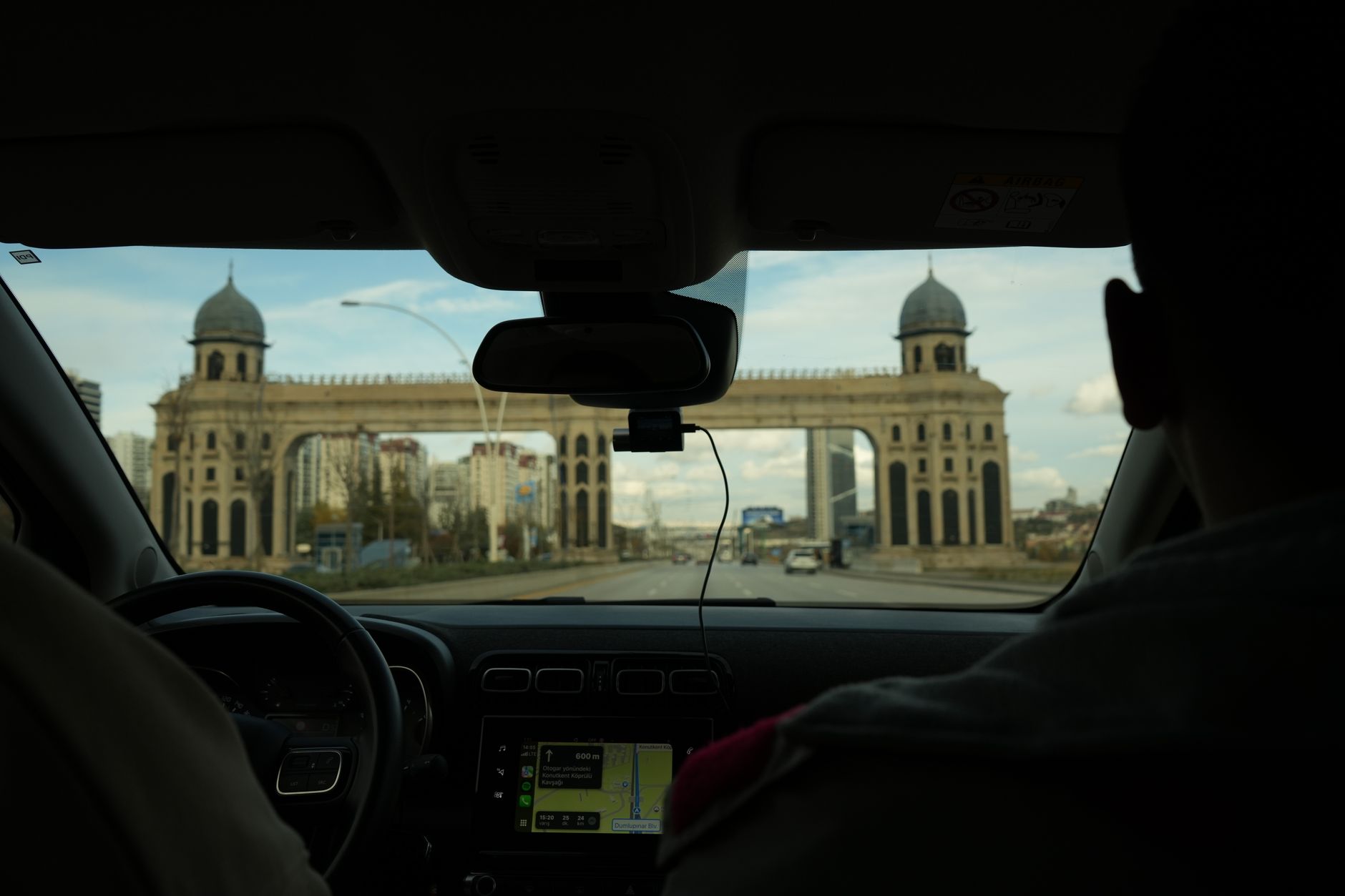
Why British roads produce such compelling content
Part of the answer is simply volume. The UK has around 40 million licensed drivers and a road network that, by most honest assessments, is struggling. According to the Department for Transport’s road condition statistics, local road surfaces have been deteriorating steadily, with billions of pounds in estimated maintenance backlogs across English councils alone. Every driver has a story. Every cyclist has footage. The raw material is essentially infinite.
The dashcam specifically changed things. Once a novelty associated with Russian motorway chaos videos, the dashcam is now a fixture in a huge proportion of British cars. Insurance companies encourage their use. The AA and RAC both recommend them. And once you have a camera pointing at the road, you have content, whether you planned to make it or not. The gap between casual commuter footage and actual YouTube upload is now about twenty minutes and a free editing app.
Road safety campaigners cottoned on quickly. Channels like Dashcam Owners UK, which aggregates submitted footage, have built substantial followings by posting genuine near-misses and incidents with commentary that is genuinely educational rather than purely sensational. The tone matters enormously here. The creators who are actually growing audiences in 2026 are not the ones screaming at the camera. They are the ones who explain what went wrong, what the Highway Code says, and what should have happened instead.
Cyclists are logging every pothole, and people are watching
If the dashcam crew represents one strand of this, the cycling contingent represents another, and I’d argue it is the more politically charged one. There is a whole ecosystem of UK cycling creators who have turned their daily rides into running commentaries on road infrastructure, close passes, and the treatment of cyclists by local councils. Some of them started with a simple GoPro and a frustration. Several now have tens of thousands of followers across TikTok and YouTube.
What makes the pothole-logging content so watchable is the accumulation. One pothole is an annoyance. A carefully mapped sequence of forty potholes on a single A-road, filmed over three weeks, cross-referenced with council repair timelines, and posted with receipts? That is a story. I have watched creators build genuinely compelling fifteen-minute investigations out of nothing more than a bicycle, a camera, and a Freedom of Information request to the local authority. The journalism instinct is there, even if the word journalism never appears in the channel description.
This connects to something broader about how ordinary people are turning expertise and experience into public platforms. I think of the ramblers who mapped a footpath dispute and started a national conversation, the same pattern applies here. You do not need professional credentials. You need a camera, a specific grievance, and the patience to document it properly.
The comment section is doing actual work
One thing I keep noticing when I spend time in this corner of YouTube is how active the comments sections are. Not in a toxic way (well, mostly not). People share their own local examples, post links to council reporting tools, flag duplicate issues, and occasionally tag their local MPs. On some of the more established road safety channels, the comment sections have effectively become crowdsourced intelligence networks. A creator posts footage of a dangerous junction in Leeds; commenters in the replies confirm the same junction has caused three incidents in six months; someone submits it to West Yorkshire Combined Authority. Actual outcomes happen.
The creators who understand this dynamic are the ones building durable audiences. They are not just posting content; they are hosting a conversation that people feel invested in. That sense of collective civic irritation is a powerful binding agent for a community. It is the same energy that drives the librarians staging a quiet revolution online or the parish council rebels who turn local democracy into unmissable content. When people feel something is being neglected, the ones who document that neglect become important.
What the platforms are doing with it
TikTok has been particularly interesting for the shorter-form road content. A ten-second clip of a van pulling out without indicating lands differently at twenty-four frames per second with a dry caption than it does in a dashcam forum post. The visual medium suits the grievance. And the algorithm, which rewards content that generates strong emotional responses, turns out to be rather well-suited to road safety material. Near-miss footage goes wide. Pothole comparisons go wide. Anything that makes someone say “this happened to me too” goes wide.
YouTube, meanwhile, rewards depth. The longer-form investigative road content, the kind where someone spends forty minutes auditing a council’s pothole repair record, finds its audience more slowly but keeps it. Watch-time on these channels tends to be high because the viewers are genuinely interested, not just passively scrolling. Several creators have told interviewers that their subscriber growth has been slow and steady rather than viral-spike driven, which is exactly the pattern you would expect from content built on specific expertise rather than spectacle.
The question of credibility
Not all of this content is good. Some dashcam channels are essentially aggression-venting exercises, and some pothole accounts overstate their case to the point where local councils simply stop engaging. Credibility is fragile in this space, and I think the creators who will still be at it in five years are the ones who understand that. Accuracy matters. Context matters. A clip that looks damning at first watch sometimes looks different when you see the wider situation.
The best creators in this space treat their audience with respect, which means not sensationalising, being willing to be corrected, and acknowledging when something they posted turned out to be more complicated than it first appeared. That kind of honesty is rare in online content generally. When it appears in a niche as inherently emotive as British roads, it is worth noting.
I have followed this corner of the internet for a while now, and my read is that it is going to keep growing. Roads are not going to get less controversial. Cameras are not going to get more expensive. And the British public’s capacity for passionate opinion about junctions, lane discipline, and council repair schedules appears to be essentially unlimited. Give someone a dashcam and a YouTube account, and you have given them, potentially, a platform. Some of them are using it rather well. Much like the amateur weather observers logging rain in their back gardens, the appeal is in the specificity, the consistency, and the quiet authority of someone who simply pays very close attention to one thing.
Frequently Asked Questions
How do UK dashcam YouTube creators make money from road footage?
Most monetise through YouTube’s Partner Programme, which pays per thousand views once a channel hits eligibility thresholds. Larger channels also attract sponsorships from dashcam manufacturers, insurance comparison sites, and motoring accessories brands.
Is it legal to post dashcam footage of other drivers on YouTube in the UK?
Generally yes, provided you are not using the footage in a way that harasses or defames individuals. The ICO advises that dashcam footage shared publicly for road safety purposes falls within reasonable personal use, though blurring number plates is considered good practice by many creators.
Can cyclists submit pothole footage to their local council as evidence?
Yes. Most English councils accept photographic and video evidence via their online reporting portals, and some explicitly encourage it. FixMyStreet, run by mySociety, lets cyclists and drivers report road defects directly, with submissions logged publicly so others can add supporting evidence.
Which platforms are best for road safety content in the UK?
YouTube suits longer investigative formats and builds loyal audiences over time, while TikTok works well for short, punchy clips of specific incidents or comparisons. Many creators use both, posting edited shorts on TikTok to drive subscribers back to full videos on YouTube.
Leave a Reply