

There is something almost absurdly specific about a tombola ticket, a warm can of Fanta, and a man in a panama hat who has run the same hook-a-duck stall for twenty-three years. And yet, in 2026, that very specificity is exactly what makes village fêtes irresistible online content. I’ve watched half a dozen of these events blow up on social media over the past year, and every time the surprise is genuine. The committee chairman didn’t set out to get 40,000 views. He was just trying to sell raffle tickets for a new church roof.
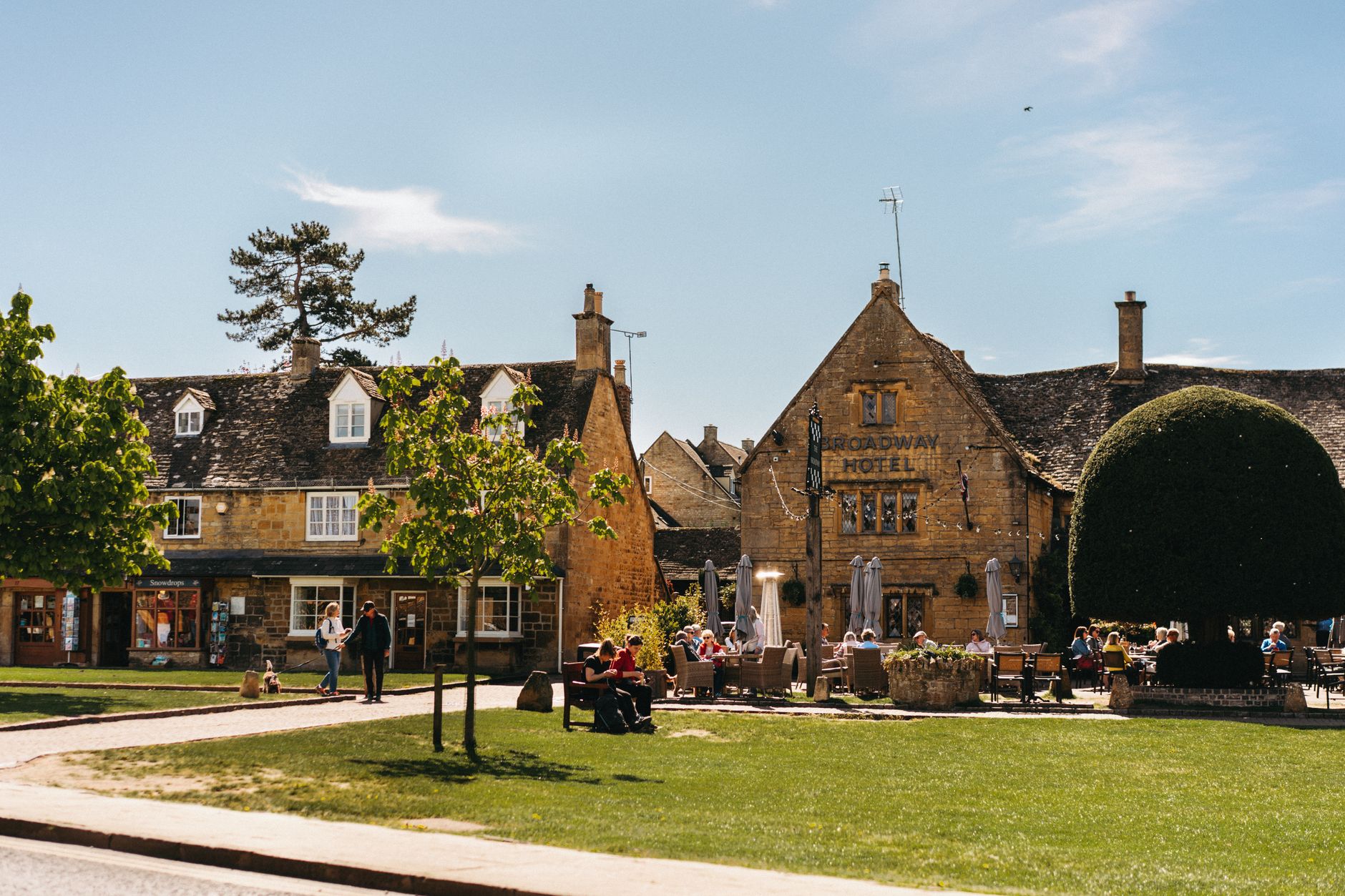
Village fête organisers across England, Scotland, and Wales are discovering, often to their total bewilderment, that the internet has a deep appetite for what they do. The format has remained largely unchanged since the 1950s: a field, a few gazebos, a WI cake stall, a slightly wonky bouncy castle. But stick a phone camera on it and suddenly you’ve got a thousand people in Birmingham watching a ferret race in Shropshire as if it’s live sport.
Why village fête content is cutting through in 2026
The algorithm rewards authenticity, and fêtes have it in abundance. Nobody at the Barton-le-Clay Summer Fête is performing for the camera. The duck race referee is genuinely annoyed that duck number seven has beached itself on a rock. The woman running the plant stall is sincerely passionate about her begonias. This unguarded quality is almost impossible to manufacture, and audiences sense it immediately.
According to the ONS Community Life Survey, formal volunteering rates in England have held steady in recent years, but the visibility of that volunteering has shifted dramatically. Social media has turned what were once purely local acts of community service into something far more public. A fête organiser who once worked in glorious obscurity now finds their effort witnessed, shared, and cheered on by strangers who have never set foot in their village.
I’d argue there’s also a nostalgia factor at play. For many people scrolling through short-form video at 11pm, a clip of a village fête in full swing is a genuine emotional hit. It’s familiar without being personal, communal without being demanding. You can watch the egg-and-spoon race final and feel good about Britain for thirty seconds without any of the usual caveats.
The organisers who didn’t expect to become characters
Sandra Hewitt, who chairs the Friends of St Cuthbert’s fête committee in a village near Hexham in Northumberland, told me she posted their 2025 event on the parish Facebook page expecting about sixty people to see it. She ended up with 180,000 views across two short clips and a local newspaper interview. “I was absolutely floored,” she said. “I’m sixty-four years old and I’ve never been on a podcast. Then I was on two.”
What made her clips travel was the detail. One was a slow pan across the homemade cake competition entries with running commentary. The other was the grand duck race finale, shot from the bridge over the village beck, with genuine crowd noise and a commentator who had clearly had one cider too many. Both felt completely unmediated. Nobody was trying to go viral. That’s the thing about village fête organisers when they do hit: the audience trusts them immediately because there’s clearly nothing being sold.
This connects to a broader pattern I’ve written about before. Independent food producers at farmers’ markets have found the same thing: the more genuinely local and specific you are, the further your content tends to travel. A Northumberland ginger cake with a sticky label and a handwritten price tag gets more engagement than a polished brand post. The fête is just the extreme end of that principle.
Live trackers, countdown pages and the surprisingly digital fête
What’s genuinely new in 2026 is the number of fête committees who have started using digital tools not just to document the event afterwards, but to build anticipation beforehand. Several village committees now run countdown pages, donation trackers, and even live route maps for mobile fundraising events.
The charity sleigh ride is a good example. Dozens of villages across the UK run an annual fundraising route in December where a Santa-suited volunteer is driven through residential streets collecting donations. What used to be managed by a photocopied sheet pinned to the village hall noticeboard has, in some cases, gone fully digital. One committee in the East Midlands used a Santa Tracker tool to let residents follow the sleigh’s real-time route on their phones, meaning people could time their donation box appearance and, crucially, share the live link with friends and family. The committee chair reported that digital donations through the linked page tripled compared to the previous year. The tracker became part of the content: people screenshotted it, shared their street’s moment, and the whole thing generated a week’s worth of online material from a single evening’s event.
This kind of tool-led community engagement is quietly changing how fêtes and seasonal fundraising events work. The tombola is still there, but behind it is a Google Form for pre-ordering tombola books, a Facebook event with a pinned post updating ticket sales, and possibly a YouTube livestream of the raffle draw. The committee hasn’t changed; the infrastructure around them has.
How to document your fête without ruining it
The most common mistake I see when local events try too hard to go viral is that they start performing rather than doing. The moment the duck race commentator starts talking to the camera instead of the crowd, something is lost. The magic of fête content is that the event comes first. The documentation is secondary.
A few things that seem to work well: designate one committee member as the unofficial photographer or videographer, but give them a strict brief to capture what’s actually happening rather than to create content. Shoot wide. Include the queue for the tea urn, the kid crying over a dropped candy floss, the pensioner who has won the bottle tombola for the third consecutive year. These are the details that travel.
Audio matters more than most people expect. The ambient noise of a good fête, a brass band in the middle distance, children shrieking, the thwack of a coconut shy, is a specific and joyful sound. A clip with that audio bed underneath it will always outperform a silent video with text overlaid, regardless of visual quality.
Some of the most watchable fête content I’ve seen this year has come from committees that simply go live on Facebook for the duck race or the raffle draw. No editing, no production value. Just a slightly shaky phone and a crowd that genuinely cares who wins. This is exactly the kind of unscripted community moment that ordinary Britons doing ordinary things together have found resonates far beyond their immediate postcode.
The people who deserve the credit
Village fête organisers are, overwhelmingly, unpaid volunteers who have spent months sorting insurance paperwork, negotiating with the parish council over field access, and chasing stallholders who confirmed in March and then went quiet in June. They are the exact kind of person this blog exists to talk about: someone doing something genuinely worthwhile with no expectation of recognition.
The internet has, in its chaotic and unpredictable way, started giving them some. A committee secretary in Dorset shouldn’t need 60,000 TikTok views to feel her work matters. But if those views bring in new volunteers, sell more raffle books, and fund the village hall’s new heating system, that’s a very reasonable exchange. The fame lasts fifteen minutes. The hall stays warm all winter.
And somewhere, right now, someone is painting a sign for the tombola stall that reads “Every ticket a winner” which is, obviously, not true at all, but which no one has ever questioned. Some things are too British to change. The camera just gets to come along now.
Leave a Reply