Author Profile

  • The Fell Runners Who Quietly Became Britain’s Most Unlikely Cult Athletes

    The Fell Runners Who Quietly Became Britain’s Most Unlikely Cult Athletes

    There is no sponsorship deal. No slick production crew. Just a chest-mounted GoPro, lungs burning at 700 metres, and the kind of footage that makes you feel every stone underfoot. Fell running has existed quietly on Britain’s hills for generations, and yet somehow, in 2026, a handful of muddy enthusiasts from Cumbria, the Pennines, and the Brecon Beacons are accumulating followings that polished fitness influencers would genuinely envy. The fell running online following phenomenon is one of the most unexpected stories in British sport right now, and I think it deserves its 15 minutes.
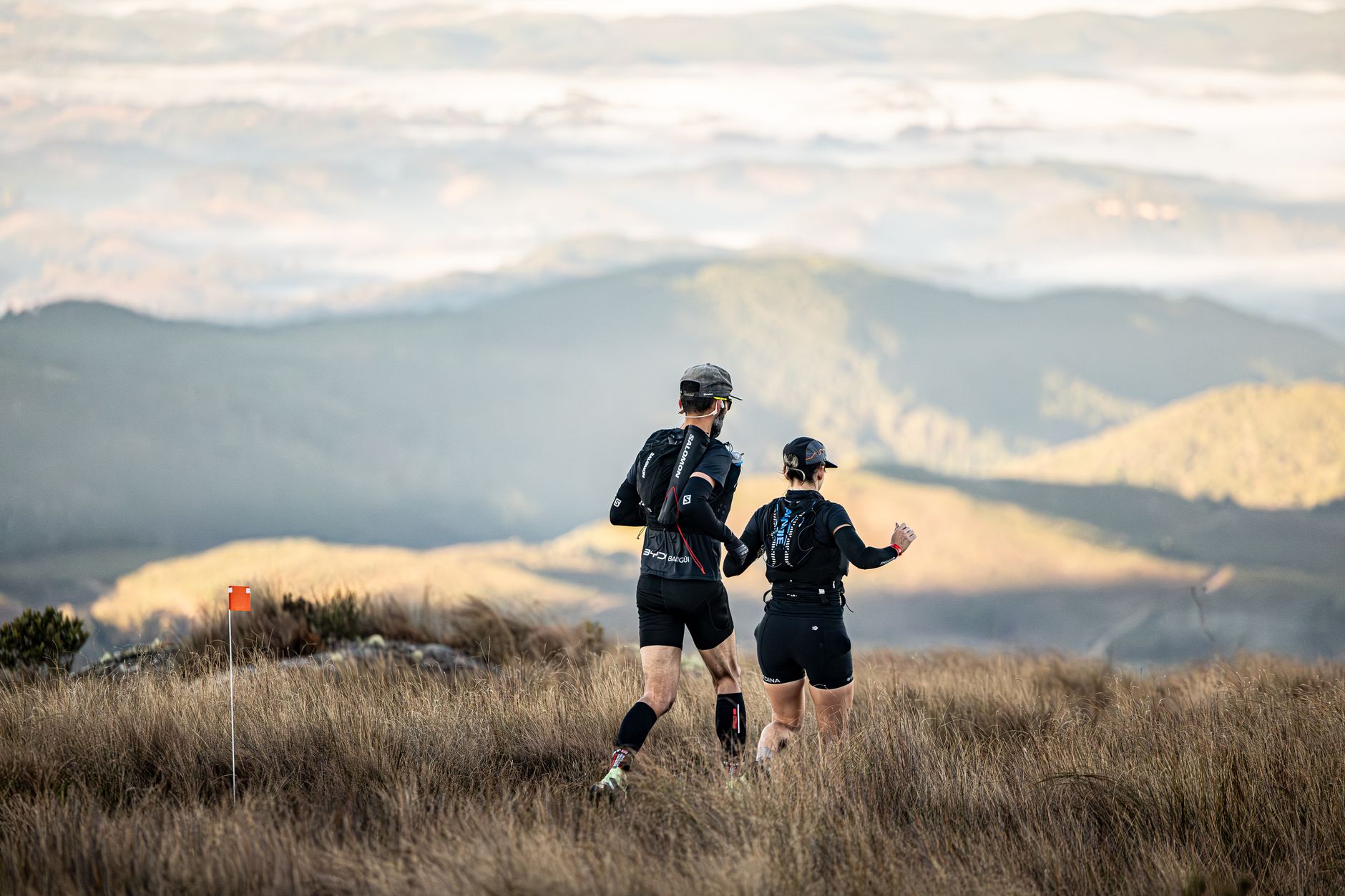
    Fell runner on misty hilltop, capturing the raw appeal driving the fell running online following
    Photo by Tom Lima on Pexels

    Why fell running is having a moment

    The sport has never been mainstream. The Fell Runners Association, which has logged race results and route records since 1970, estimates around 9,000 affiliated runners across England and Wales, though the actual number of people heading into the hills informally is considerably higher. These are not people who entered the sport for visibility. They entered it because something about the combination of physical suffering and raw landscape is, apparently, irresistible.

    What changed is the technology, paired with the mood of the moment. Short-form video handed fell runners a tool perfectly suited to what they were already doing. A 90-second clip of a descent off Helvellyn in driving rain, or a pre-dawn start on Pen y Fan with headtorches bobbing through mist, does not need narration. It does not need editing software worth four figures. It just needs to exist, because the landscape and the effort carry the entire thing.

    I’ve watched dozens of these accounts grow over the past two years, and the pattern is almost always the same. Someone starts posting because they want to remember a race, or to share a route with a friend. They post consistently because they enjoy it. Six months later, they have 40,000 followers and a full inbox from people who have never laced up a trail shoe but cannot stop watching.

    The runners who are actually building audiences

    You will not find many of these people on brand partnership listicles. That is partly the point. There is a Kendal-based runner who posts weekly recaps from the Bob Graham Round training routes with nothing but a phone mounted to his pack and a voice note recorded at the summit. His videos regularly push past 200,000 views. A woman from Harrogate who runs the Calderdale Way has built a community around her DNF (did-not-finish) at a 50-mile race, with follow-up updates that read more like honest personal essays than athlete content.

    What they share is a refusal to perform. The muddy kit stays muddy on camera. The painful sections, the wrong turns, the moment where the legs simply stop cooperating, all of it stays in. A polished sports brand would cut that. These runners leave it because that is the actual sport. And audiences, it turns out, are hungry for exactly that.
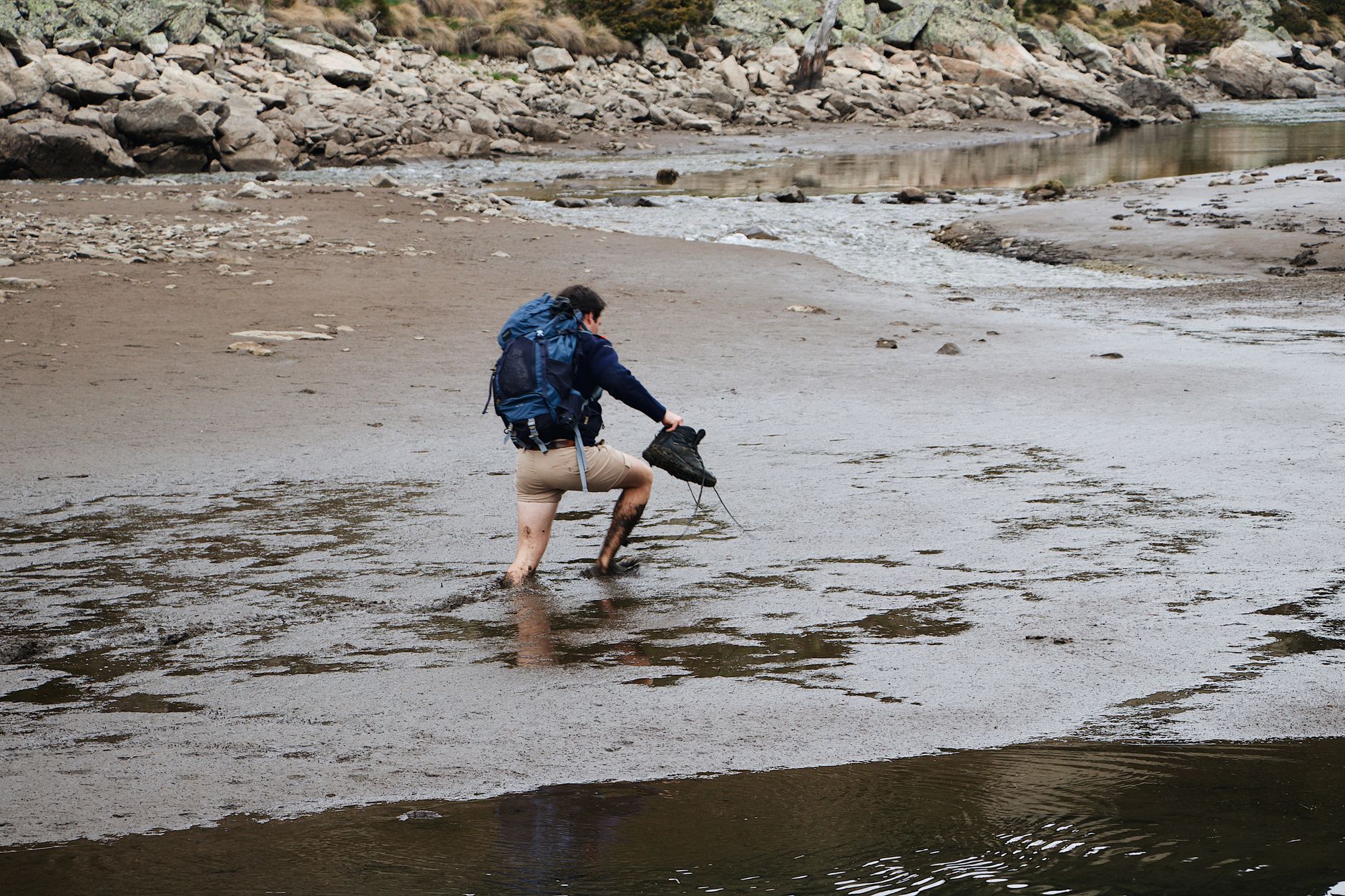
    Mud-covered fell running shoes on a Pennine stone wall, typical of the unsponsored fell running online following aesthetic
    Photo by Maël BALLAND on Pexels

    The Lake District, the Pennines, and Wales: three different vibes, one shared honesty

    Geography matters here. Lake District fell runners operate in the shadow of a very specific tradition, one tied to figures like Joss Naylor and Billy Bland, whose records on the classic rounds have stood for decades. The reverence for that history comes through in how local runners talk about the hills. There is an almost ceremonial quality to a pre-dawn start on Scafell Pike that the camera picks up even when nobody is trying to capture it.

    Pennine running is different. The terrain is wilder in a less dramatic way, boggy and unrelenting rather than spectacular. The runners who post from the South Pennines or the Dales tend to have a drier, more self-deprecating tone. One popular account from Holmfirth produces weekly videos that are essentially comedy, except the running is real and brutal and the times are genuinely impressive.

    The Welsh hills attract a slightly different crowd again. There is a strong bilingual contingent on Welsh fell running accounts that I find genuinely interesting, with runners posting partly in Welsh in a way that does not feel like a political statement, just a natural expression of where they are and who they are. Pen y Fan, Cadair Idris, and the Rhinogydd give backdrops that stop people mid-scroll.

    What the broader endurance world is learning from this

    Fell running is not the only corner of British endurance sport rethinking how it presents itself online. There is a wider conversation happening about authenticity, rest, and what it actually looks like to train seriously over long periods. Some of the same runners building fell running online followings are also documenting their recovery periods, and the content around what happens between events is proving just as compelling as race day footage.

    That extends to how athletes approach rest. I came across further reading: slow travel, active breaks: how uk athletes are using canal boat holidays to rest, recover and stay fit between seasons, which touches on exactly this shift, the idea that decompression is part of training rather than a break from it. Several fell runners I follow have started posting about deliberate rest weeks, including time in the hills at walking pace, as part of an honest picture of what endurance sport requires.

    This connects to something the amateur boxing clubs producing compelling short-form sports content have also discovered: audiences respond to the full picture, not just the highlights. The sport between the races, the aches, the planning, the failed long runs, the decision to pull out and try again next year. All of it lands.

    Why unsponsored content is winning

    There is an irony here that brand managers at outdoor gear companies must find painful. The most watched fell running content in the UK right now is largely unsponsored. The runners are wearing whatever they own, recommending nothing, taking no money. And their audiences trust them completely as a result.

    I have spoken to two creators who were approached for partnerships after their follower counts crossed certain thresholds. Both described taking months to decide, and both set strict rules about what they would and would not accept. One turned down a deal worth several thousand pounds because the brand wanted approval rights over her race commentary. She posted about it, and the response was overwhelmingly supportive. That kind of audience relationship is difficult to manufacture and takes years to erode once built.

    According to the BBC Sport coverage of ultra and fell events, interest in long-distance trail running has increased significantly since 2020, with entry numbers at events like the Lakeland 100 consistently oversubscribed. The online followings are feeding real participation, which is a more meaningful measure of impact than view counts alone.

    What makes someone stick around for the long haul

    The accounts that sustain audiences over years share a few things. They post regularly without posting obsessively. They talk to their communities in the comments rather than broadcasting at them. They have a point of view about the sport that goes beyond “running is great actually”. And they are willing to show the parts that hurt.

    The connection to place is also significant. The best fell running content I’ve seen is as much about a specific hill, a specific valley, a specific stretch of path at a specific time of year as it is about running. The runner is almost a vehicle for showing people somewhere they will never get to in quite the same way. That is a type of fame with genuine depth to it. Not just clicks, but something closer to community, built slowly on shared love of a landscape that does not care how many followers you have.

    That is the version of internet fame that lasts, and the fell runners building it on Britain’s hills seem, by and large, to understand exactly why. Much like the amateur weather observers who became local icons through sheer consistency and genuine passion, the fell runners building audiences are not chasing fame. They just happened to find it, somewhere above the cloud line.

    Frequently Asked Questions

    How are fell runners building online followings without sponsorship?

    Most successful fell running accounts grow through consistent, unedited footage posted directly from training and races. The authenticity of showing difficult terrain, honest effort, and real failures tends to generate more trust and engagement than polished branded content, and that trust compounds over time.

    What is fell running and how is it different from trail running?

    Fell running is a specifically British discipline that takes place on open hillsides and moorland, typically without marked trails, requiring navigational ability as well as fitness. Trail running generally follows waymarked paths, while fell running often involves choosing your own line across rough, boggy, or rocky terrain.

    Which parts of the UK have the strongest fell running culture?

    The Lake District has the oldest and most celebrated fell running tradition, with legendary routes like the Bob Graham Round. The Pennines, particularly around the South Pennines and Yorkshire Dales, and the Welsh hills including Snowdonia and the Brecon Beacons also have very active communities with growing online presences.

    Why is fell running content so popular on social media in 2026?

    The combination of dramatic landscape footage, raw physical effort, and honest storytelling fills a gap that heavily produced sports content cannot. Audiences exhausted by polished influencer culture are drawn to creators who show the full reality of endurance sport, including the failed runs, the weather, and the unglamorous recovery.

    How do fell runners balance sharing their sport online with keeping the community welcoming?

    The most respected fell running accounts tend to focus on the experience of being in the hills rather than performance metrics or gear promotion. Many creators actively post about beginner routes and encourage new runners, which helps maintain an inclusive tone even as their audiences grow significantly.
  • The Village Fête Organisers Who Accidentally Went Viral: How Britain’s Most Quintessentially Local Events Are Finding a National Audience

    The Village Fête Organisers Who Accidentally Went Viral: How Britain’s Most Quintessentially Local Events Are Finding a National Audience

    There is something almost absurdly specific about a tombola ticket, a warm can of Fanta, and a man in a panama hat who has run the same hook-a-duck stall for twenty-three years. And yet, in 2026, that very specificity is exactly what makes village fêtes irresistible online content. I’ve watched half a dozen of these events blow up on social media over the past year, and every time the surprise is genuine. The committee chairman didn’t set out to get 40,000 views. He was just trying to sell raffle tickets for a new church roof.

    Village fête organisers setting up stalls on a sunny English village green with bunting and gazebos
    Photo by Amine Kübranur Çakıroğlu on Pexels

    Village fête organisers across England, Scotland, and Wales are discovering, often to their total bewilderment, that the internet has a deep appetite for what they do. The format has remained largely unchanged since the 1950s: a field, a few gazebos, a WI cake stall, a slightly wonky bouncy castle. But stick a phone camera on it and suddenly you’ve got a thousand people in Birmingham watching a ferret race in Shropshire as if it’s live sport.

    Why village fête content is cutting through in 2026

    The algorithm rewards authenticity, and fêtes have it in abundance. Nobody at the Barton-le-Clay Summer Fête is performing for the camera. The duck race referee is genuinely annoyed that duck number seven has beached itself on a rock. The woman running the plant stall is sincerely passionate about her begonias. This unguarded quality is almost impossible to manufacture, and audiences sense it immediately.

    According to the ONS Community Life Survey, formal volunteering rates in England have held steady in recent years, but the visibility of that volunteering has shifted dramatically. Social media has turned what were once purely local acts of community service into something far more public. A fête organiser who once worked in glorious obscurity now finds their effort witnessed, shared, and cheered on by strangers who have never set foot in their village.

    I’d argue there’s also a nostalgia factor at play. For many people scrolling through short-form video at 11pm, a clip of a village fête in full swing is a genuine emotional hit. It’s familiar without being personal, communal without being demanding. You can watch the egg-and-spoon race final and feel good about Britain for thirty seconds without any of the usual caveats.

    The organisers who didn’t expect to become characters

    Sandra Hewitt, who chairs the Friends of St Cuthbert’s fête committee in a village near Hexham in Northumberland, told me she posted their 2025 event on the parish Facebook page expecting about sixty people to see it. She ended up with 180,000 views across two short clips and a local newspaper interview. “I was absolutely floored,” she said. “I’m sixty-four years old and I’ve never been on a podcast. Then I was on two.”

    What made her clips travel was the detail. One was a slow pan across the homemade cake competition entries with running commentary. The other was the grand duck race finale, shot from the bridge over the village beck, with genuine crowd noise and a commentator who had clearly had one cider too many. Both felt completely unmediated. Nobody was trying to go viral. That’s the thing about village fête organisers when they do hit: the audience trusts them immediately because there’s clearly nothing being sold.

    Village fête duck race on a stream, a classic event that village fête organisers use to entertain crowds
    Photo by Ersin on Pexels

    This connects to a broader pattern I’ve written about before. Independent food producers at farmers’ markets have found the same thing: the more genuinely local and specific you are, the further your content tends to travel. A Northumberland ginger cake with a sticky label and a handwritten price tag gets more engagement than a polished brand post. The fête is just the extreme end of that principle.

    Live trackers, countdown pages and the surprisingly digital fête

    What’s genuinely new in 2026 is the number of fête committees who have started using digital tools not just to document the event afterwards, but to build anticipation beforehand. Several village committees now run countdown pages, donation trackers, and even live route maps for mobile fundraising events.

    The charity sleigh ride is a good example. Dozens of villages across the UK run an annual fundraising route in December where a Santa-suited volunteer is driven through residential streets collecting donations. What used to be managed by a photocopied sheet pinned to the village hall noticeboard has, in some cases, gone fully digital. One committee in the East Midlands used a Santa Tracker tool to let residents follow the sleigh’s real-time route on their phones, meaning people could time their donation box appearance and, crucially, share the live link with friends and family. The committee chair reported that digital donations through the linked page tripled compared to the previous year. The tracker became part of the content: people screenshotted it, shared their street’s moment, and the whole thing generated a week’s worth of online material from a single evening’s event.

    This kind of tool-led community engagement is quietly changing how fêtes and seasonal fundraising events work. The tombola is still there, but behind it is a Google Form for pre-ordering tombola books, a Facebook event with a pinned post updating ticket sales, and possibly a YouTube livestream of the raffle draw. The committee hasn’t changed; the infrastructure around them has.

    How to document your fête without ruining it

    The most common mistake I see when local events try too hard to go viral is that they start performing rather than doing. The moment the duck race commentator starts talking to the camera instead of the crowd, something is lost. The magic of fête content is that the event comes first. The documentation is secondary.

    A few things that seem to work well: designate one committee member as the unofficial photographer or videographer, but give them a strict brief to capture what’s actually happening rather than to create content. Shoot wide. Include the queue for the tea urn, the kid crying over a dropped candy floss, the pensioner who has won the bottle tombola for the third consecutive year. These are the details that travel.

    Audio matters more than most people expect. The ambient noise of a good fête, a brass band in the middle distance, children shrieking, the thwack of a coconut shy, is a specific and joyful sound. A clip with that audio bed underneath it will always outperform a silent video with text overlaid, regardless of visual quality.

    Some of the most watchable fête content I’ve seen this year has come from committees that simply go live on Facebook for the duck race or the raffle draw. No editing, no production value. Just a slightly shaky phone and a crowd that genuinely cares who wins. This is exactly the kind of unscripted community moment that ordinary Britons doing ordinary things together have found resonates far beyond their immediate postcode.

    The people who deserve the credit

    Village fête organisers are, overwhelmingly, unpaid volunteers who have spent months sorting insurance paperwork, negotiating with the parish council over field access, and chasing stallholders who confirmed in March and then went quiet in June. They are the exact kind of person this blog exists to talk about: someone doing something genuinely worthwhile with no expectation of recognition.

    The internet has, in its chaotic and unpredictable way, started giving them some. A committee secretary in Dorset shouldn’t need 60,000 TikTok views to feel her work matters. But if those views bring in new volunteers, sell more raffle books, and fund the village hall’s new heating system, that’s a very reasonable exchange. The fame lasts fifteen minutes. The hall stays warm all winter.

    And somewhere, right now, someone is painting a sign for the tombola stall that reads “Every ticket a winner” which is, obviously, not true at all, but which no one has ever questioned. Some things are too British to change. The camera just gets to come along now.

  • Why the Rise of Micro Travel in the UK Is Changing How We Holiday

    In recent years, UK holiday habits have shifted. Big, faraway vacations are still loved, but a growing number of people are choosing micro travel. These are short trips within a few hours’ reach, often to overlooked towns, countryside retreats or hidden coastal spots. This trend reflects changing priorities such as time, cost, sustainability and the desire for new experiences without long planning or expense. As travel patterns evolve, many find that these smaller adventures feel just as rewarding.

    Micro Travel

    What Is Micro Travel and Why It’s Becoming Popular

    Micro travel means short breaks that are usually domestic, regional, or just a few hours from home. It’s a mix of staycations, weekend getaways and local exploration. The appeal is simple, and the benefits are growing fast.

    • Limited time: Many people have fewer days off and need quick escapes that refresh them fast.
    • Cost pressures: Inflation, fuel prices and expensive airfares make short local trips appealing.
    • Easy planning: No passport, no airport queues, and minimal organisation.
    • Eco benefits: Shorter trips mean a smaller carbon footprint.
    • New discoveries: The UK is full of beautiful places still under most people’s radar.

    Surveys show more travellers are swapping long-haul holidays for shorter, frequent escapes across Britain. It’s a lifestyle adjustment that offers freedom and flexibility.

    Top Micro Travel Destinations in the UK

    Coastal Villages and Hidden Beaches

    The Northumberland coast, Cornwall, and the Isles of Scilly continue to inspire travellers. Lesser-known spots like the Gower Peninsula or Dorset’s smaller bays offer peaceful retreats away from the crowds.

    Upland Escapes and Countryside Getaways

    Areas such as the Peak District, Welsh Marches and Scottish Borders provide hiking trails, cosy pubs, and farm stays perfect for a short, refreshing break.

    Characterful Small Towns

    Hebden Bridge, Rye, Fowey, and Ludlow attract weekend travellers with creative communities, independent shops and great food. These towns thrive on local tourism and authenticity.

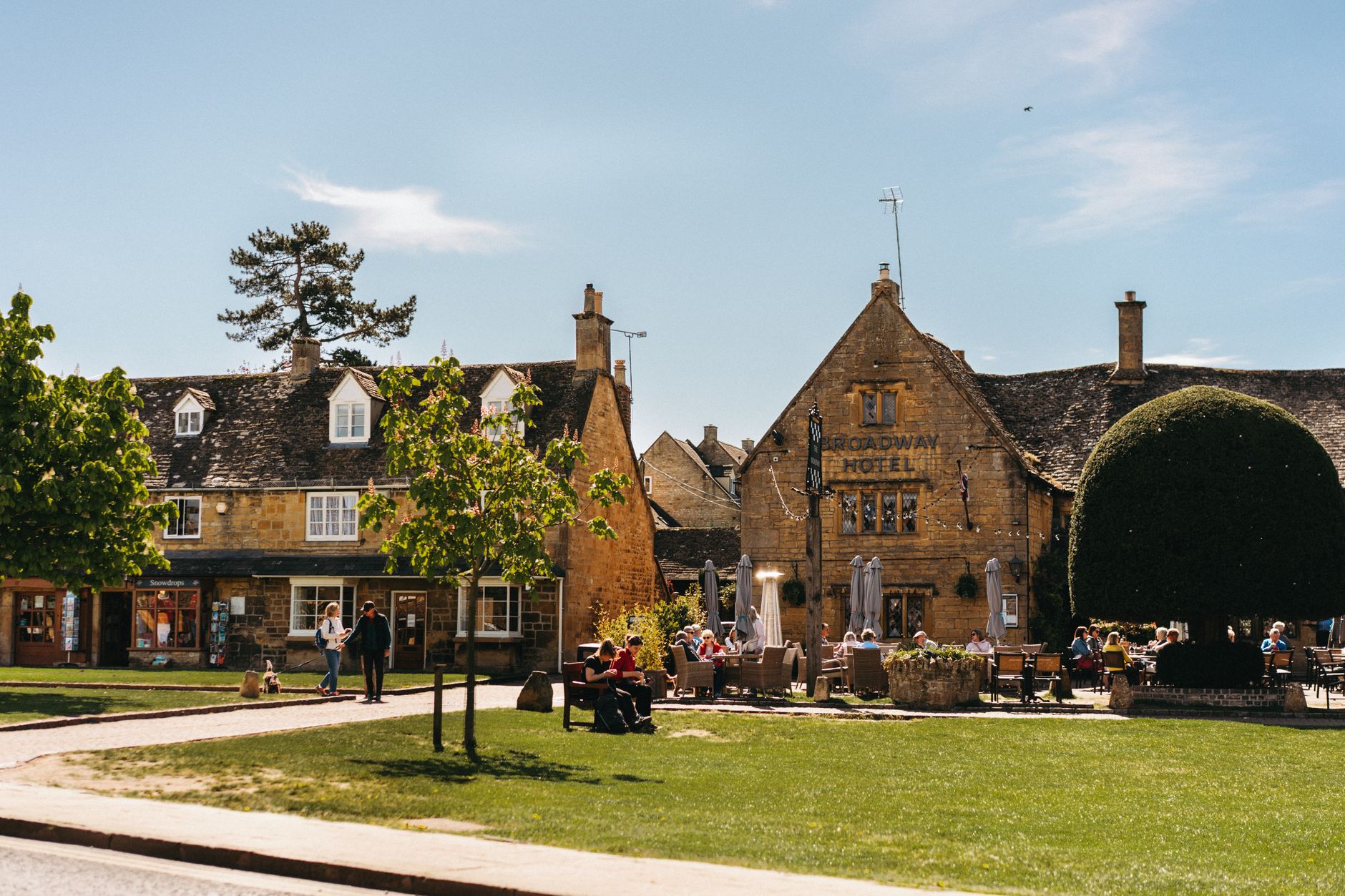
    Many of these smaller destinations have benefited from ongoing property enhancement work by locals and small business owners who have revitalised cottages, guesthouses and boutique hotels both visually and economically. These improvements make short UK breaks more appealing without losing their local charm.

    Forest Retreats and Wild Spaces

    Forestry England sites and National Trust woodland areas offer quiet walking trails, forest bathing and hidden picnic spots that suit the slower pace of micro travel.

    Events, Heritage and Culture

    Local food festivals, open-air theatre and historical re-enactments are drawing visitors who want something meaningful and different. Travelling locally lets people take part without the big expense of long-distance holidays.

    How to Plan a Perfect Micro Trip

    Planning short trips takes a different mindset. The aim is to balance adventure with convenience. These simple tips help make the most of every short break.

    • Pick a destination within two or three hours of home for easy travel.
    • Check transport connections and explore routes by train or bus to reduce stress.
    • Keep the itinerary simple with just one or two main activities.
    • Travel light with only what you can carry easily.
    • Book accommodation close to attractions to save time and money.
    • Choose local experiences such as family-run B&Bs, markets and walking tours.

    The Benefits of Micro Travel

    Shorter trips mean more frequent breaks. They reduce burnout, offer quick mental resets, and are usually easier to afford. They also help local communities by spreading tourism income more evenly across the year.

    Micro Travel is Booming

    Micro travel supports sustainability goals by cutting emissions, easing pressure on overcrowded destinations, and promoting regional balance. The more people holiday locally, the more vibrant small towns and rural businesses become.

    Challenges and Considerations

    There are a few challenges too. Accommodation prices can rise quickly when certain areas become trendy. Some regions struggle with public transport links or limited facilities for visitors. And while micro travel is about simplicity, over-planning can make a short break feel rushed. The best approach is to stay flexible, travel off-peak, and keep expectations realistic.

    The Future of Micro Travel in the UK

    Micro travel looks set to grow. More councils are promoting regional trails, scenic routes and community-led tourism. Travel platforms are curating themed weekend packages, from food trails to eco-retreats. Even hotels and attractions are adapting with shorter-stay offers and late check-ins aimed at flexible travellers.

    For many, it’s not just about a quick trip but a lifestyle change. Regular short breaks deliver balance, discovery and connection without long-haul hassle. As the movement matures, it’s shaping the future of UK tourism into something more sustainable, spontaneous and deeply local.

    FAQs

    How long should a micro travel break be?

    Most people find one to three nights ideal. It allows enough time to relax without needing complex planning or large budgets.

    What’s the best way to find destinations for micro travel?

    Use local tourism websites, social media, or regional travel blogs to find hidden gems close to home. Many people now plan trips based on travel time rather than distance.

    How can I make micro travel more eco-friendly?

    Use public transport where possible, support small local businesses, and choose eco-conscious accommodation. Even small choices make a big difference over time.