

There is no sponsorship deal. No slick production crew. Just a chest-mounted GoPro, lungs burning at 700 metres, and the kind of footage that makes you feel every stone underfoot. Fell running has existed quietly on Britain’s hills for generations, and yet somehow, in 2026, a handful of muddy enthusiasts from Cumbria, the Pennines, and the Brecon Beacons are accumulating followings that polished fitness influencers would genuinely envy. The fell running online following phenomenon is one of the most unexpected stories in British sport right now, and I think it deserves its 15 minutes.
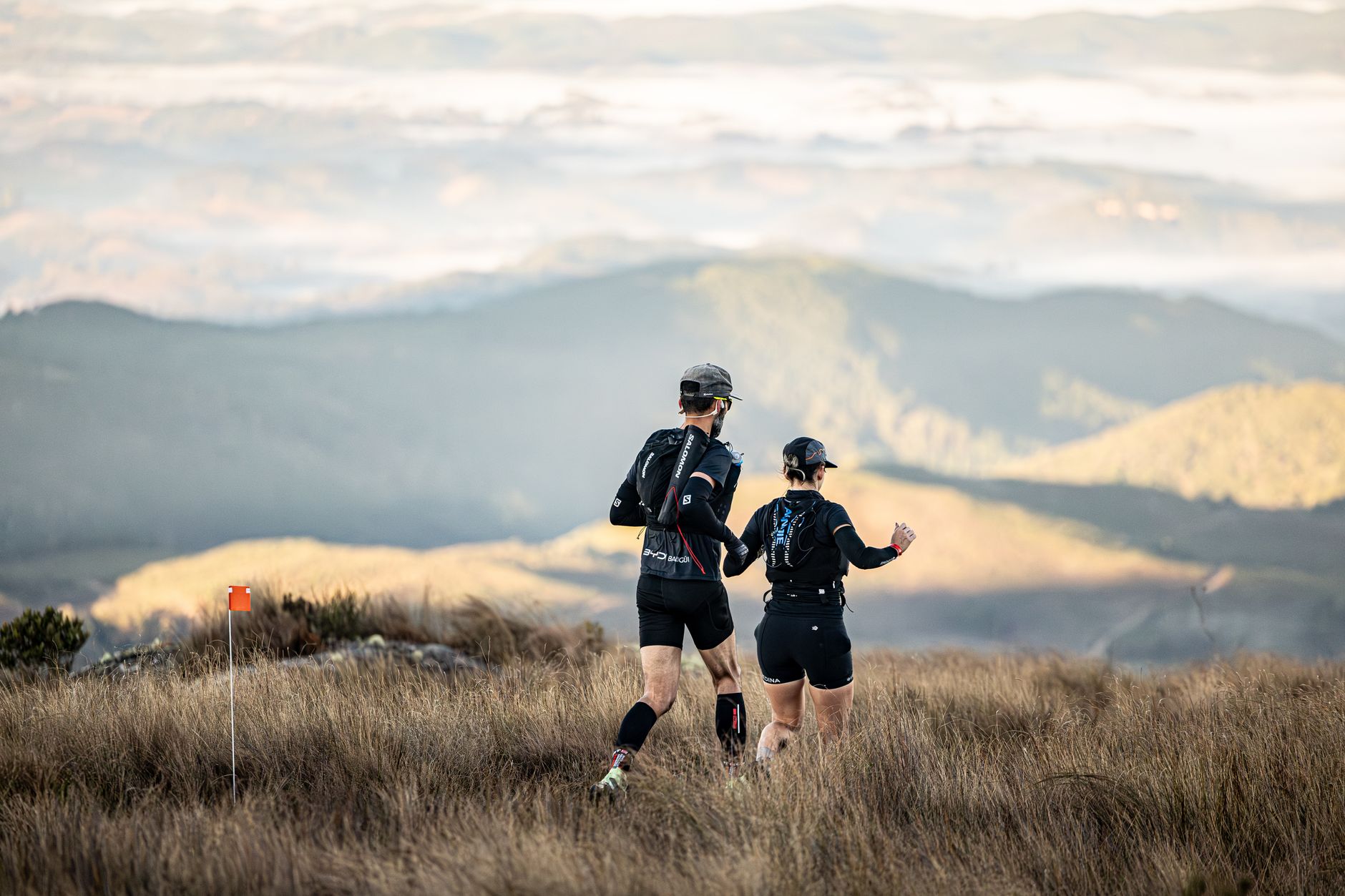
Why fell running is having a moment
The sport has never been mainstream. The Fell Runners Association, which has logged race results and route records since 1970, estimates around 9,000 affiliated runners across England and Wales, though the actual number of people heading into the hills informally is considerably higher. These are not people who entered the sport for visibility. They entered it because something about the combination of physical suffering and raw landscape is, apparently, irresistible.
What changed is the technology, paired with the mood of the moment. Short-form video handed fell runners a tool perfectly suited to what they were already doing. A 90-second clip of a descent off Helvellyn in driving rain, or a pre-dawn start on Pen y Fan with headtorches bobbing through mist, does not need narration. It does not need editing software worth four figures. It just needs to exist, because the landscape and the effort carry the entire thing.
I’ve watched dozens of these accounts grow over the past two years, and the pattern is almost always the same. Someone starts posting because they want to remember a race, or to share a route with a friend. They post consistently because they enjoy it. Six months later, they have 40,000 followers and a full inbox from people who have never laced up a trail shoe but cannot stop watching.
The runners who are actually building audiences
You will not find many of these people on brand partnership listicles. That is partly the point. There is a Kendal-based runner who posts weekly recaps from the Bob Graham Round training routes with nothing but a phone mounted to his pack and a voice note recorded at the summit. His videos regularly push past 200,000 views. A woman from Harrogate who runs the Calderdale Way has built a community around her DNF (did-not-finish) at a 50-mile race, with follow-up updates that read more like honest personal essays than athlete content.
What they share is a refusal to perform. The muddy kit stays muddy on camera. The painful sections, the wrong turns, the moment where the legs simply stop cooperating, all of it stays in. A polished sports brand would cut that. These runners leave it because that is the actual sport. And audiences, it turns out, are hungry for exactly that.
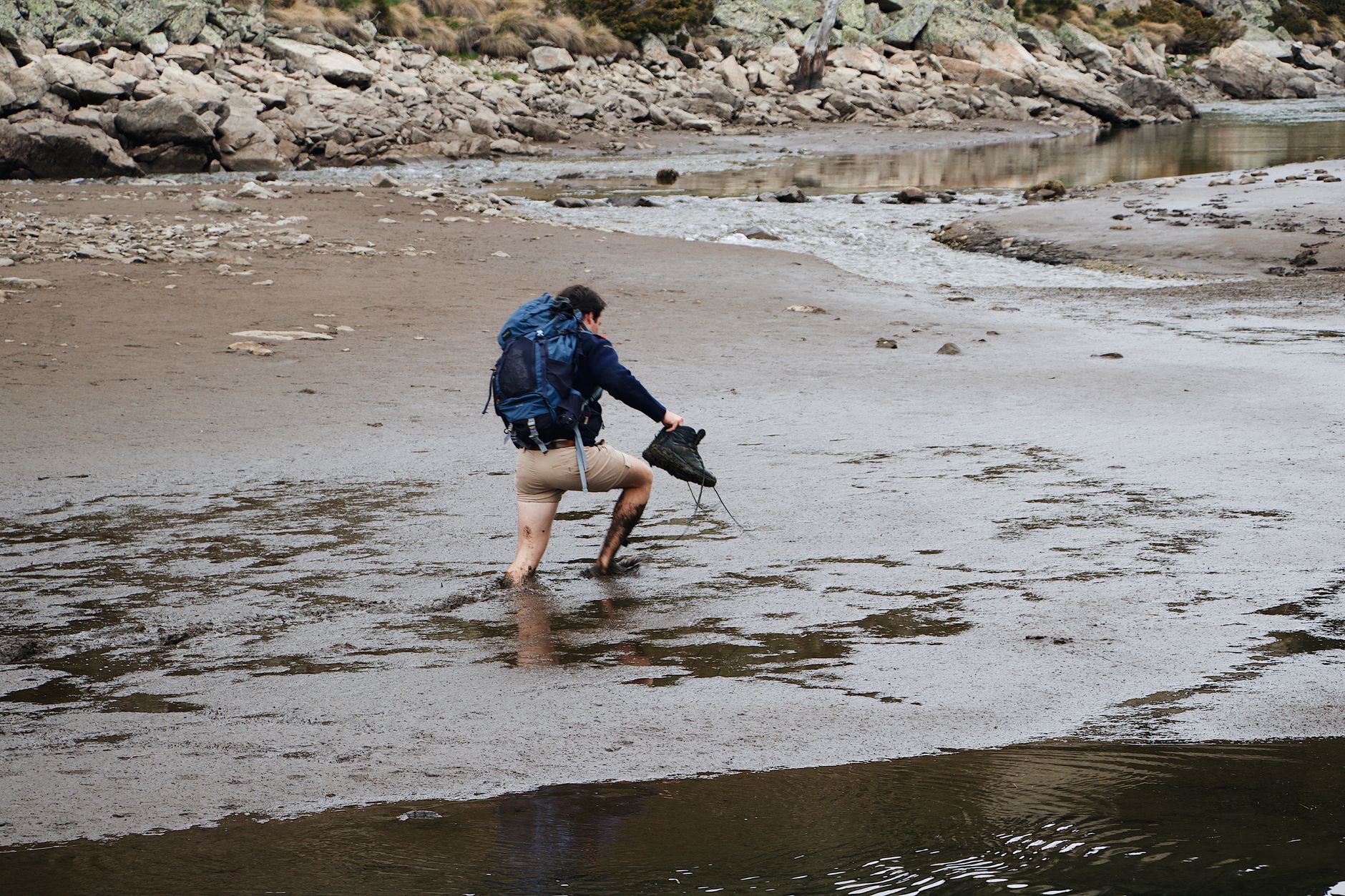
The Lake District, the Pennines, and Wales: three different vibes, one shared honesty
Geography matters here. Lake District fell runners operate in the shadow of a very specific tradition, one tied to figures like Joss Naylor and Billy Bland, whose records on the classic rounds have stood for decades. The reverence for that history comes through in how local runners talk about the hills. There is an almost ceremonial quality to a pre-dawn start on Scafell Pike that the camera picks up even when nobody is trying to capture it.
Pennine running is different. The terrain is wilder in a less dramatic way, boggy and unrelenting rather than spectacular. The runners who post from the South Pennines or the Dales tend to have a drier, more self-deprecating tone. One popular account from Holmfirth produces weekly videos that are essentially comedy, except the running is real and brutal and the times are genuinely impressive.
The Welsh hills attract a slightly different crowd again. There is a strong bilingual contingent on Welsh fell running accounts that I find genuinely interesting, with runners posting partly in Welsh in a way that does not feel like a political statement, just a natural expression of where they are and who they are. Pen y Fan, Cadair Idris, and the Rhinogydd give backdrops that stop people mid-scroll.
What the broader endurance world is learning from this
Fell running is not the only corner of British endurance sport rethinking how it presents itself online. There is a wider conversation happening about authenticity, rest, and what it actually looks like to train seriously over long periods. Some of the same runners building fell running online followings are also documenting their recovery periods, and the content around what happens between events is proving just as compelling as race day footage.
That extends to how athletes approach rest. I came across further reading: slow travel, active breaks: how uk athletes are using canal boat holidays to rest, recover and stay fit between seasons, which touches on exactly this shift, the idea that decompression is part of training rather than a break from it. Several fell runners I follow have started posting about deliberate rest weeks, including time in the hills at walking pace, as part of an honest picture of what endurance sport requires.
This connects to something the amateur boxing clubs producing compelling short-form sports content have also discovered: audiences respond to the full picture, not just the highlights. The sport between the races, the aches, the planning, the failed long runs, the decision to pull out and try again next year. All of it lands.
Why unsponsored content is winning
There is an irony here that brand managers at outdoor gear companies must find painful. The most watched fell running content in the UK right now is largely unsponsored. The runners are wearing whatever they own, recommending nothing, taking no money. And their audiences trust them completely as a result.
I have spoken to two creators who were approached for partnerships after their follower counts crossed certain thresholds. Both described taking months to decide, and both set strict rules about what they would and would not accept. One turned down a deal worth several thousand pounds because the brand wanted approval rights over her race commentary. She posted about it, and the response was overwhelmingly supportive. That kind of audience relationship is difficult to manufacture and takes years to erode once built.
According to the BBC Sport coverage of ultra and fell events, interest in long-distance trail running has increased significantly since 2020, with entry numbers at events like the Lakeland 100 consistently oversubscribed. The online followings are feeding real participation, which is a more meaningful measure of impact than view counts alone.
What makes someone stick around for the long haul
The accounts that sustain audiences over years share a few things. They post regularly without posting obsessively. They talk to their communities in the comments rather than broadcasting at them. They have a point of view about the sport that goes beyond “running is great actually”. And they are willing to show the parts that hurt.
The connection to place is also significant. The best fell running content I’ve seen is as much about a specific hill, a specific valley, a specific stretch of path at a specific time of year as it is about running. The runner is almost a vehicle for showing people somewhere they will never get to in quite the same way. That is a type of fame with genuine depth to it. Not just clicks, but something closer to community, built slowly on shared love of a landscape that does not care how many followers you have.
That is the version of internet fame that lasts, and the fell runners building it on Britain’s hills seem, by and large, to understand exactly why. Much like the amateur weather observers who became local icons through sheer consistency and genuine passion, the fell runners building audiences are not chasing fame. They just happened to find it, somewhere above the cloud line.
Frequently Asked Questions
How are fell runners building online followings without sponsorship?
Most successful fell running accounts grow through consistent, unedited footage posted directly from training and races. The authenticity of showing difficult terrain, honest effort, and real failures tends to generate more trust and engagement than polished branded content, and that trust compounds over time.
What is fell running and how is it different from trail running?
Fell running is a specifically British discipline that takes place on open hillsides and moorland, typically without marked trails, requiring navigational ability as well as fitness. Trail running generally follows waymarked paths, while fell running often involves choosing your own line across rough, boggy, or rocky terrain.
Which parts of the UK have the strongest fell running culture?
The Lake District has the oldest and most celebrated fell running tradition, with legendary routes like the Bob Graham Round. The Pennines, particularly around the South Pennines and Yorkshire Dales, and the Welsh hills including Snowdonia and the Brecon Beacons also have very active communities with growing online presences.
Why is fell running content so popular on social media in 2026?
The combination of dramatic landscape footage, raw physical effort, and honest storytelling fills a gap that heavily produced sports content cannot. Audiences exhausted by polished influencer culture are drawn to creators who show the full reality of endurance sport, including the failed runs, the weather, and the unglamorous recovery.
How do fell runners balance sharing their sport online with keeping the community welcoming?
The most respected fell running accounts tend to focus on the experience of being in the hills rather than performance metrics or gear promotion. Many creators actively post about beginner routes and encourage new runners, which helps maintain an inclusive tone even as their audiences grow significantly.
Leave a Reply