

There is something about a dripping-wet heavy bag, chalk dust on the floor, and a sixteen-year-old throwing combinations at 6am that the internet cannot look away from. Britain’s grassroots boxing gyms have stumbled onto something. Not a strategy, not a content calendar, just the realisation that pointing a phone at what they already do, every single day, produces footage that stops thumbs mid-scroll. The amateur boxing club UK viral moment is not really a moment. It is a movement, and it has been building quietly in cities that have always had boxing in their bones.
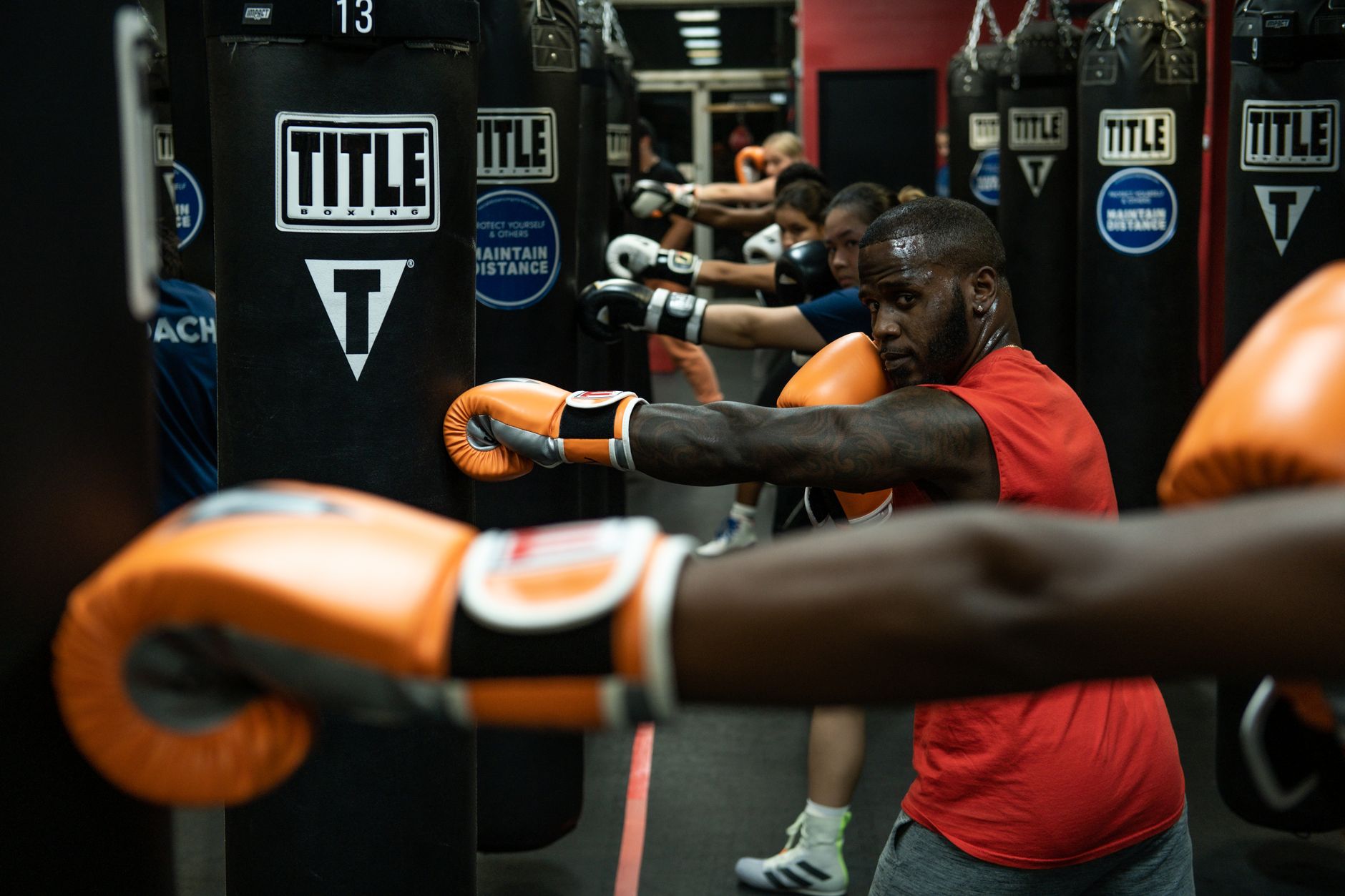
Sheffield, Liverpool, Glasgow. These are not cities that need educating about the sport. The Ingle Gym has been part of Sheffield’s sporting fabric for decades. Rotunda ABC in Liverpool has produced world champions. Glasgow’s St Francis ABC is the kind of club that parents trust with their kids before those kids even know what they want from life. What’s changed in 2026 is that these clubs, and dozens like them, have found that a thirty-second clip of a kid skipping rope, or a sixty-second fighter profile shot under fluorescent lights, lands harder on TikTok and Instagram Reels than anything a polished sports broadcaster spends thousands producing.
Why raw gym footage is winning online
I’ve spent time looking at what actually performs for these clubs, and the pattern is consistent. Slick production values do not win. What wins is the stuff that feels real: the condensation on the mirrors, the coach barking in a Scouse accent, the fighter who looks terrified before their first bout. Viewers can smell manufactured content from a mile away. A community gym has none of that. Its authenticity is structural, it cannot afford to fake anything.
The algorithm rewards watch time and saves. A well-cut training montage from a Sheffield club, set to a track that fits the rhythm of a jab-cross-hook, will get saved by everyone who ever laced up a pair of gloves, everyone who wishes they had, and everyone who simply finds the discipline compelling. That is a wide audience. UK Boxing, the sport’s national governing body, has recognised the surge in participation interest that correlates with this kind of organic exposure, particularly among young people aged fourteen to twenty-two.
Fighter profiles: the format doing the real work
If training montages are the gateway, fighter profiles are what build genuine followings. A two-minute portrait of a nineteen-year-old from Toxteth who trains twice a day around a warehouse job, whose mum comes to every bout, whose coach has known her since she was eleven, that is a story. Full stop. The comments sections on these posts are worth reading. People are not just watching boxing; they are adopting these fighters as people they have a stake in.
This is exactly what happens to individuals across many grassroots British communities who find a camera pointed at them doing something they love. I’ve written before about how independent food producers at farmers’ markets turn a Saturday morning stall into a national brand through the same kind of personal storytelling, the boxing clubs are running the same playbook, just with wraps instead of sourdough.
What going viral actually does for a community gym
Here is where it gets genuinely interesting, and where the amateur boxing club UK viral conversation moves beyond likes and shares. The funding implications are real and measurable. Several clubs have reported direct increases in membership enquiries following viral posts, not just curious adults, but parents bringing children in specifically because they saw the club online. One Glasgow ABC told a local newspaper that their junior section had a waiting list for the first time in the club’s history, following a TikTok series that followed a fifteen-year-old through his first white-collar fight preparation.
Youth recruitment has always been the lifeblood of amateur boxing. The sport is not cheap to run. Gloves, bags, ring maintenance, insurance, coach licensing, the costs stack up, and the clubs carrying the most social and sporting weight in their communities are almost always operating on the tightest margins. Sport England funding exists, and some clubs access it, but it is competitive and time-consuming to apply for. A viral presence changes the conversation with potential sponsors. A local gym with 40,000 followers on Instagram is a different proposition to a sponsor than one with a dusty website last updated in 2019.
The knock-on effects reach into the fabric of these communities in ways that are harder to quantify but unmistakeable. When a boxing gym becomes locally famous, when people know the coaches’ names, follow the fighters’ journeys, it becomes a neighbourhood institution in a different way. It is not just a place where kids learn to punch. It becomes a reference point for what the area produces. That is a different kind of civic pride, and it matters.
The identity question: does viral fame change what a gym is?
Some coaches are wary, and I think that wariness deserves respect. There is a version of this where a gym starts optimising for content and loses the thing that made it worth filming in the first place. The best clubs I’ve looked at seem to understand this instinctively. The camera is present, but it is not the point. The point is still the fighter in front of the pads.
There is something in this that echoes the broader question of what happens when grassroots communities get a moment in the spotlight. I’ve seen similar tensions play out with craft brewery founders who built cult followings, the audience wants authenticity, but the attention itself can subtly shift what authenticity means for the people being watched.
The clubs navigating this best are the ones where the coach is still the same person off-camera as on. Where the philosophy of the gym, hard work, discipline, respect, community, is not a content theme but an actual operating principle. When that is true, the camera just documents it. And documentation of something genuinely good is very hard to fake, and very easy to love.
What comes next for grassroots boxing online
My read is that we are still early. The clubs producing the best content right now are doing it with one person and a decent mobile phone. As more gyms cotton on, and as platforms continue to reward this format, the space will get busier. The clubs that got there first are already building the follower bases that will matter. A gym in Liverpool with 80,000 TikTok followers is not going back to obscurity, that audience is banked.
What I find most compelling about all of this is that it is happening without industry support, without marketing budgets, without the blessing of any broadcaster or governing body. These are community-funded gyms, often in areas that do not get much positive national attention, producing content that is genuinely gripping. That is Britain’s grassroots sports scene giving itself its own platform, and it turns out the platform was there all along, waiting for someone to pick up the phone and press record.
Frequently Asked Questions
Why are amateur boxing gyms going viral on TikTok and Instagram?
Community boxing gyms produce naturally compelling content, early morning training sessions, genuine fighter backstories, and raw coaching moments that feel nothing like polished broadcast sport. Audiences respond to that authenticity, and short-form platforms reward the watch time and save rates that this kind of footage generates.
How does going viral help a community boxing club financially?
A strong online following makes a gym more attractive to local sponsors and gives coaches a stronger case when applying for Sport England or local authority funding. Several clubs have also seen direct increases in membership enquiries, particularly from parents enrolling children in junior sections, after viral posts.
Which UK cities have the most active grassroots boxing club scenes?
Sheffield, Liverpool, and Glasgow have historically strong amateur boxing cultures with clubs like the Ingle Gym, Rotunda ABC, and St Francis ABC. Manchester, Leeds, and parts of South Wales also have dense grassroots scenes that are increasingly active on social media.
Leave a Reply