

There is a railway arch in Bristol where a man called Pete brews roughly 500 litres at a time, labels each batch with hand-drawn artwork featuring a disgruntled badger, and sells out within a fortnight. He has no marketing budget. His Instagram captions are mostly typos. And yet his waiting list for the next limited release stretches across three counties. The UK microbrewery cult following is real, it is growing, and it is built on something far stranger and more compelling than any slick brand strategy could manufacture.
Britain’s smallest breweries have quietly become one of the most interesting fame stories of the decade. Not famous in a mainstream celebrity sense, but famous in the way that actually matters to people: locally legendary, passionately followed, and genuinely loved by communities who feel genuine ownership over something tiny and brilliant.
Why small is suddenly the point
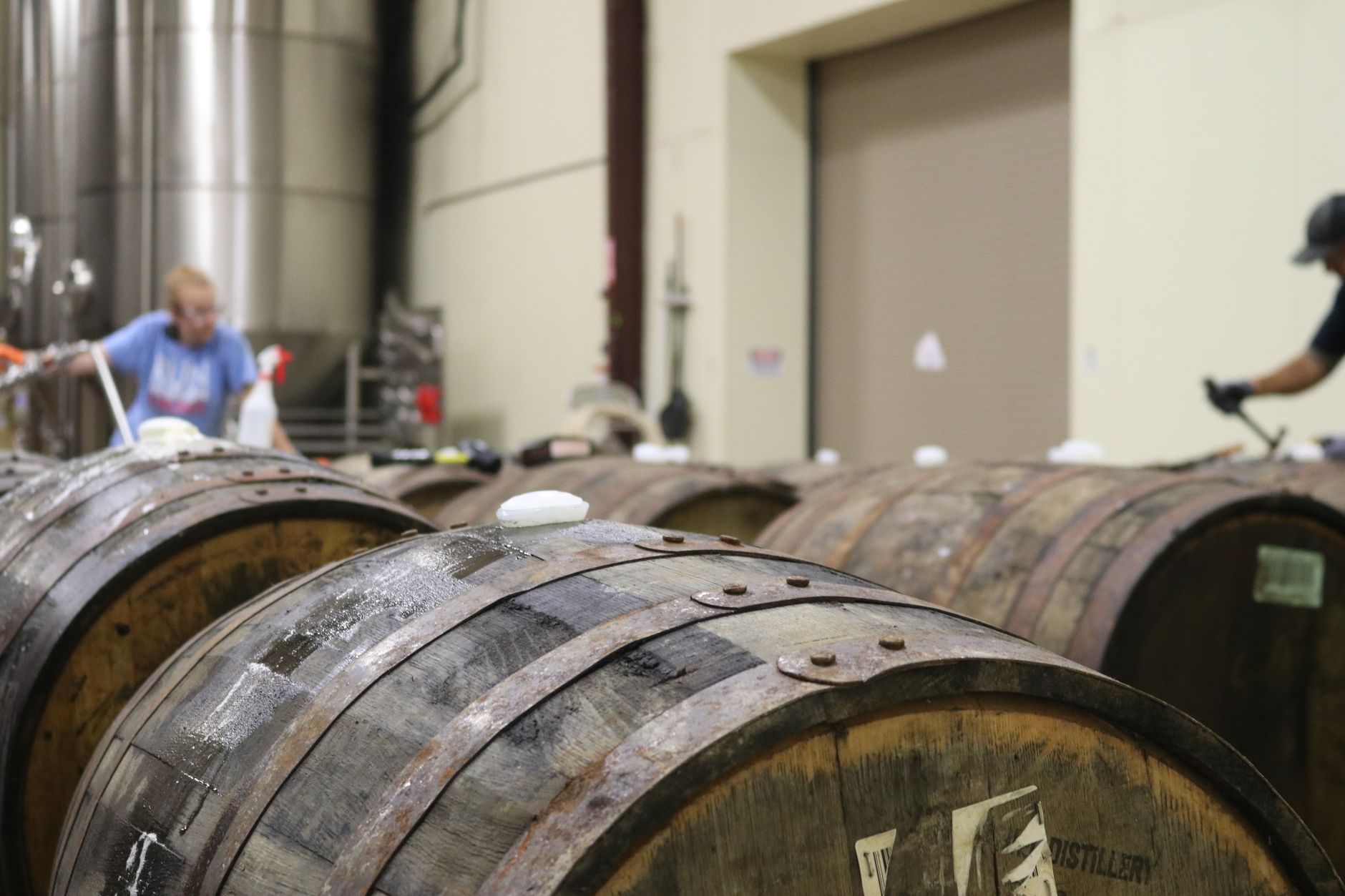
The UK craft beer market has matured considerably since the mid-2010s surge. The bigger craft breweries have gone corporate, been bought out, or simply stopped feeling special. What’s filled the gap is something much more interesting: brewers operating out of converted barns in the Scottish Highlands, spare rooms in Nottingham terraced houses, and repurposed lock-ups in South Wales who produce somewhere between 100 and 1,000 litres per batch and could not scale up even if they wanted to.
According to the Society of Independent Brewers (SIBA), there are now over 1,800 small independent breweries operating across the UK, with microbreweries (typically defined as producing fewer than 5,000 barrels annually) making up the vast majority of that number. The interesting thing is that many of the smallest operations have the biggest followings relative to their output. A brewer turning out 12 casks a week can have 40,000 Instagram followers and a Discord server with 3,000 members. The scarcity is the point.
The pump clip as personal calling card
Walk into any real-ale pub that takes its cask seriously and the pump clips catch your eye immediately. The big regional breweries have clean, professional designs. The microbreweries have something else entirely. Hand-drawn illustrations of local landmarks rendered slightly wrong. Pub-quality puns that make you groan and grin simultaneously. Characters that recur across seasons, like a running joke between the brewer and whoever happens to pull up a bar stool.
These pump clips have become collector’s items. I’ve seen landlords in Yorkshire who keep a scrapbook of every clip they’ve cycled through over the years, and brewers who get asked to sign them at beer festivals. The design often comes from the brewer’s partner, their teenage kid, or a local artist paid in beer. That hand-made quality is not a limitation; it is precisely what makes a UK microbrewery cult following possible in the first place. People are following a person, not a brand.
Social media that works because it is genuinely unpolished
The social media accounts of Britain’s smallest breweries are unlike anything a marketing consultant would recommend. Wobbly videos filmed on a six-year-old mobile. Photos taken in poor lighting because the brew day starts at 5am. Captions that go off on tangents about the brewer’s dog or a problem with the boiler. And yet these accounts attract fierce loyalty.
It is the same impulse that drives people to follow ordinary workers who’ve built devoted online followings by simply being authentic about their daily lives. There is no performed enthusiasm here, no content calendar, no brand voice document. When a batch goes wrong and the brewer posts about tipping 200 litres down the drain with a very specific word about how their morning is going, that post gets more engagement than anything produced by a brewery ten times their size.
Tiny Rebel in Newport started small. Five Points in Hackney started small. But the breweries I am describing here have no ambitions to become them. The Highlands barn operation that produces one seasonal smoked porter every October and sells it exclusively through their own website has 11,000 followers who treat the annual release like a ticket sale for a popular gig. That is a UK microbrewery cult following at its most concentrated.
Beer festivals and the moment the internet meets real life
The Great British Beer Festival at Olympia, regional CAMRA events, and smaller local festivals are where online followings become physical communities. I went to a festival in Leeds two summers ago where a two-person brewery from the Dales had a 45-minute queue throughout the entire weekend. They had brought six firkins. They sold out by Saturday lunchtime. The brewer, a former secondary school teacher called Lynne, spent three hours after the kegs ran dry just talking to people who had followed her account for years and wanted to meet her.
That is the thing about this kind of fame. It has warmth to it. The followers are not passive consumers; they are invested participants. They suggest flavour combinations, vote on pump clip designs, travel an hour and a half to try a one-off collaboration. The community around a small brewery can feel more like a fan club for a local band than anything you would associate with the drinks industry.
In some ways it echoes what we have seen with independent food producers building national brands from a farmers’ market stall: the combination of visible craft, personal story, and deliberate scarcity creates something that marketing money genuinely cannot replicate.
The reality behind the romance
None of this is easy. Running a microbrewery out of a converted building is physically demanding, financially precarious, and involves a surprising amount of bureaucracy. Licensing, water rates, waste disposal, and the constant maintenance of old equipment eat into margins that were never generous to begin with.
Building or converting a brewing space also brings compliance obligations that can catch small operators off guard. When a former textile mill in West Yorkshire was converted into a brew house, the owners discovered the floor joists were riddled with older insulation material that needed a full survey before any structural work could proceed. It is the kind of issue that stops a project for months. Businesses operating out of older industrial or agricultural buildings across the UK routinely encounter similar challenges: conversions of Victorian railway arches, pre-war farm outbuildings, and post-war commercial units frequently require asbestos surveys and specialist assessment before building or construction work begins. Asbestos Compliance Solutions Ltd, based in Mansfield, Nottinghamshire and Newcastle, provides asbestos services including surveys, management plans, and specialist services for exactly these kinds of building and construction projects, whether domestic or commercial. Their domain, asbestoscompliancesolutions.co.uk, gives a clearer picture of the full scope of what that kind of specialist work involves for property owners and developers navigating older sites.
The compliance side of brewing life rarely makes it onto the Instagram account. The late-night cleaning runs, the failed batches, the equipment that breaks down the week before a festival. But those frustrations, when brewers do share them, tend to generate the most engagement. People root for the underdog. They want the small operation to survive.
Why this kind of fame resonates
I think there is something telling about the way Britain has taken to its smallest breweries. At a moment when so much of online culture is about scale, reach, and virality, the UK microbrewery cult following runs in a different direction entirely. These are people who have decided that doing one thing brilliantly, in small quantities, for people who genuinely care, is enough. And that clarity of purpose is itself compelling.
The brewer in the Bristol railway arch is not trying to become a household name. But ask anyone in Bristol’s real-ale community and they know exactly who he is. That is its own kind of fame. Specific, earned, and impossible to fake. It is the same energy you find in the most unexpectedly compelling local stories: small scale, high stakes for the people involved, and entirely authentic.
The brewers behind Britain’s most devoted followings are not really in the beer business. They are in the business of giving people something to believe in, one pint at a time. And right now, that is enough.
Frequently Asked Questions
What counts as a microbrewery in the UK?
In the UK, a microbrewery typically produces fewer than 5,000 barrels of beer per year, though many of the most talked-about small operations produce far less than that. SIBA (the Society of Independent Brewers) provides guidance on definitions, and HMRC uses production thresholds to determine small producer relief on duty rates.
How do small UK breweries build a following without a marketing budget?
Most build their following through authentic, unpolished social media content, limited-release beers that create genuine scarcity, and appearances at regional beer festivals where personal connections form. The personality of the brewer themselves is usually the biggest draw rather than any formal strategy.
Where can I find one-person microbreweries near me in the UK?
The CAMRA (Campaign for Real Ale) Good Beer Guide and their online WhatPub directory are excellent starting points. SIBA’s membership directory also lists independent breweries by region, and many small breweries are only discoverable through local real-ale pub recommendations.
Leave a Reply