

A few years ago, the idea that you could build an audience by picking up crisp packets in a park would have seemed absurd. Now, litter-picking influencers are landing brand partnerships, getting invited to Downing Street receptions, and generating millions of views on social media, all by doing something most people would rather not think about. It is one of the more quietly brilliant fame stories of recent years, and I think it deserves its moment.
The movement did not come from nowhere. Concerns about fly-tipping, single-use plastic, and the general grubbiness of Britain’s roadsides have been building for years. Government figures from DEFRA show that fly-tipping incidents in England alone have run at well over one million cases annually in recent years. That backdrop gave people with a bin bag and a camera something real to point at, and, crucially, something emotionally easy for everyone to agree on.
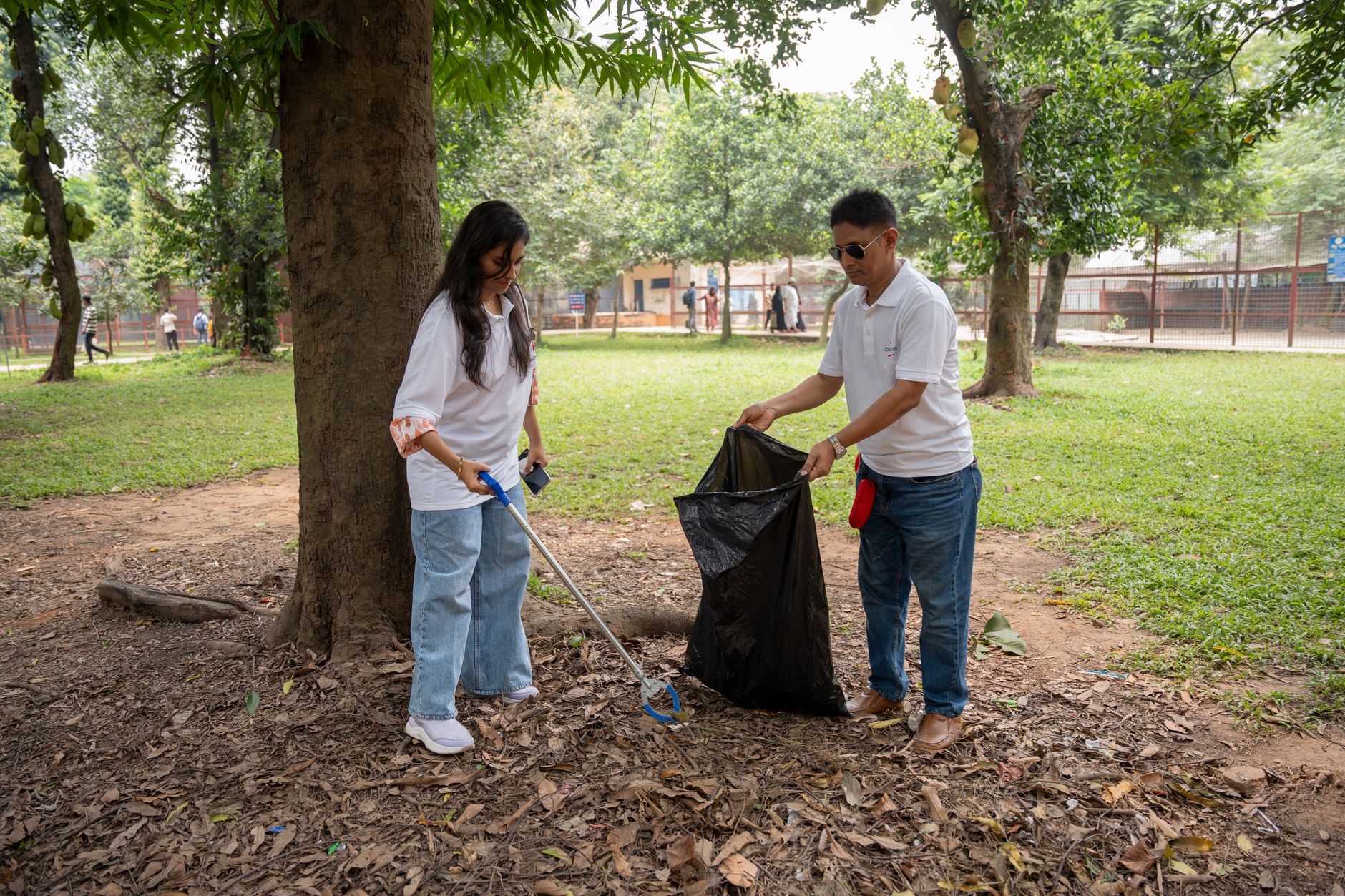
Why litter-picking content works so well online
There is a specific kind of satisfaction in watching a before-and-after clean-up video. A lay-by strewn with fast-food wrappers becomes a strip of clear verge. A canal towpath goes from unpleasant to genuinely lovely in four minutes of time-lapse. The content is simple, the reward is visible, and the message is impossible to argue with. Nobody is out here defending litter.
That moral clarity is part of why litter-picking influencers spread so quickly. Controversy drives shares, but so does warmth, and a clean-up video delivers warmth without the exhausting culture-war baggage that follows almost everything else online. People send it to their mum. They share it to local Facebook groups. It ends up on regional ITV news because it is exactly the kind of story that makes a bulletin feel less grim. I’ve watched clips of someone clearing a stretch of riverbank in Staffordshire rack up 300,000 views, and it is not hard to see why.
The format also hands the camera to ordinary people in a way that feels earned rather than performed. These are not someone’s polished lifestyle shots. The high-vis vest is unglamorous. The litter grabber is unglamorous. The fact that someone is doing it anyway is what makes it compelling. It connects with the same impulse that makes local public servants going viral so reliably satisfying, the recognition that quiet, everyday contribution is worth celebrating.
The people who started with one bag and ended up on a guest list
The name most people cite as a reference point is Gary Benchley, but there are dozens of others across the UK who have followed a similar arc. The typical origin story is straightforward: someone is fed up with the state of a local path or beach, grabs some bags, and starts posting about it. They tag their local council. They tag Keep Britain Tidy. They get a few hundred likes, then a local journalist picks it up, then the snowball starts rolling.
Keep Britain Tidy’s Great British Spring Clean has been a significant accelerant. The annual campaign gives local clean-up organisers an official framework to attach themselves to, which adds legitimacy and makes it easier to recruit volunteers. Once you are running a registered litter pick with fifteen people in matching vests, you are no longer just someone with a hobby, you are a community figure. That shift in identity matters for the kind of coverage you can attract.
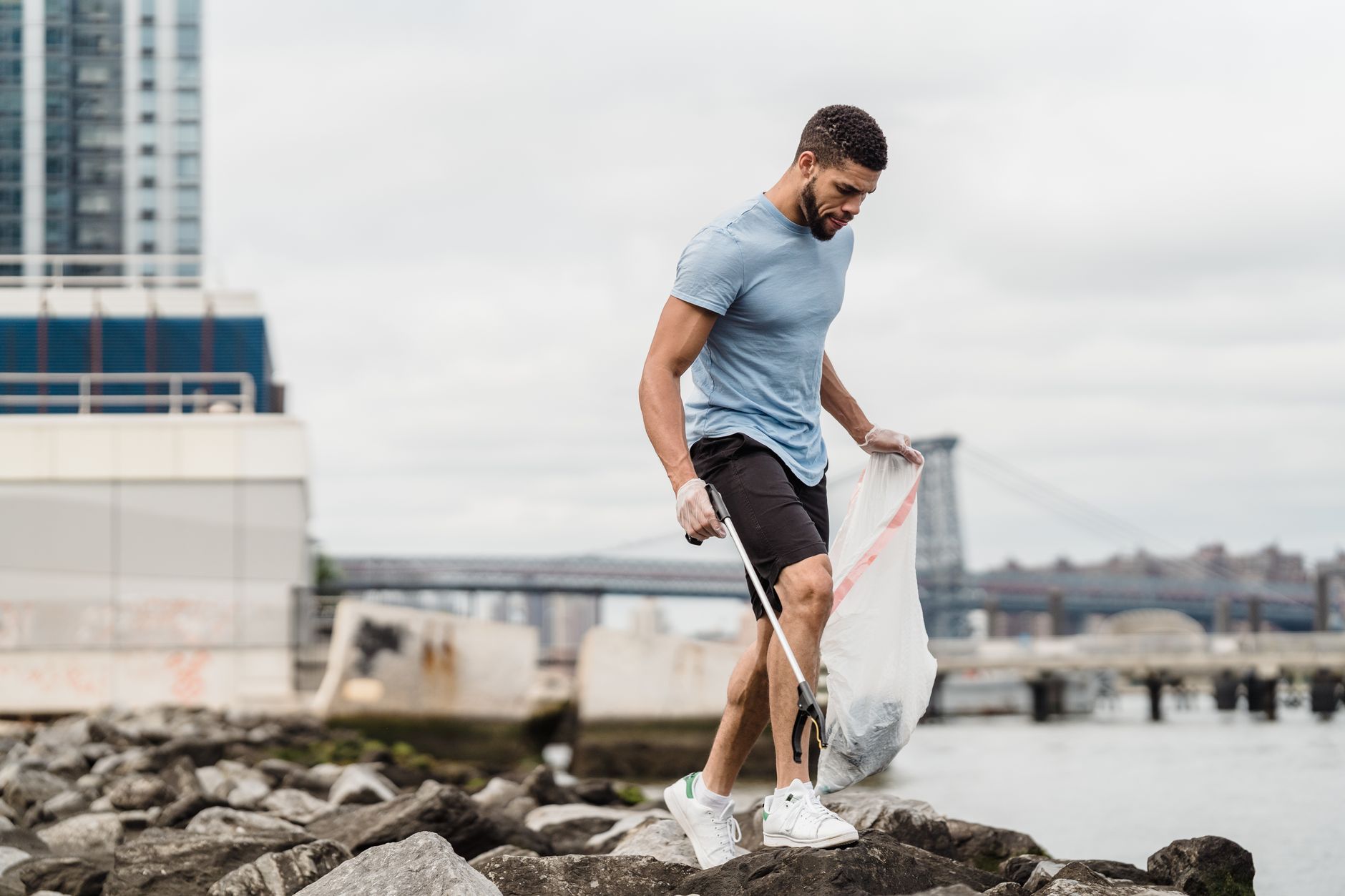
Brand partnerships followed once the reach became obvious. Outdoor gear companies, sustainable cleaning product brands, and supermarkets have all moved into this space. A litter-picking influencer with a genuinely engaged local audience is attractive to exactly the kind of brand that wants to look good without looking cynical, and a partnership with someone who goes out in all weathers and posts authentic content feels very different from a sponsored post on a glossy lifestyle account.
The Downing Street angle is worth unpacking. Several clean-up organisers have been invited to Number 10 receptions in recent years as part of broader volunteering and community recognition events. For someone who started by clearing cans from a canal path in Rotherham or picking glass off a beach in Cornwall, that kind of moment is both genuinely life-changing and enormously shareable. It validates the whole project, and it gives followers something to feel proud of by association. It is the same mechanism that makes volunteer-led community groups such fertile ground for unlikely fame stories.
How the online campaign structure makes it stick
What separates the litter-picking accounts that break through from those that plateau at a few hundred followers is usually the same thing: a sense of campaign rather than just content. The people who grow fastest are not just posting videos of themselves picking up rubbish, they are tagging councils, naming problem sites publicly, tracking results over time, and inviting their audience to join in physically. That combination turns a social media account into a genuine local movement.
Some of the more organised clean-up campaigns have put real effort into their digital infrastructure: clear branding, consistent posting schedules, petition pages, and websites that let people register for local events. Groups that build this kind of presence have something more durable than a single viral video. Platforms like Activism Digital have become relevant to this world precisely because an environmental or community campaign with genuine momentum needs more than an Instagram grid to sustain it.
The petition angle is particularly effective. When a litter-picking influencer starts a campaign to get a specific problem site cleaned up by the council, they give their audience something to do beyond watching. Signing a petition, sharing a post, turning up on a Saturday morning with gloves, these micro-actions build the kind of invested community that a council or brand actually notices.
Is this fame sustainable?
There is an honest question about whether the litter-picking wave can hold its cultural momentum. Like most micro-celebrity stories, a lot depends on whether the person behind it keeps finding ways to evolve the content and the cause. The ones I’ve followed who have done it best tend to use their platform to escalate, moving from local clean-ups to regional campaigns to parliamentary petitions to media appearances, always raising the stakes slightly.
There is also the question of burnout. Going out every weekend in November rain to pick up bottles on a retail park access road requires a specific kind of stubbornness. The accounts that have lasted longest tend to have built genuine communities around them, so the motivation does not rest on one person’s shoulders alone. They have become organisers rather than performers, which is a more sustainable place to be.
The by-product of all this is measurable, which matters. Unlike many internet fame stories, the litter-picking world can point to actual changed landscapes, actual tonnes of waste removed, actual councils who have responded to pressure by cleaning up sites they had ignored for years. That tangibility gives the whole movement a different texture from most viral content. It is fame attached to consequence, and in a media environment full of noise and very little signal, that combination is rarer than it looks. I’d argue it is also the main reason why a person with a grabber and a council estate behind them can end up talking to a minister. The work is real. That counts.
If you want to see how the same community energy plays out in other unexpected corners of British life, the parish council rebels who have turned local governance into compulsive viewing are worth a look, the mechanics of unlikely fame are surprisingly consistent across very different settings.
Frequently Asked Questions
How do litter-picking influencers make money?
Most generate income through brand partnerships with outdoor, sustainability, or retail brands who want authentic community-focused content. Some also receive grants from environmental charities, and a smaller number monetise through YouTube ad revenue once their channel reaches sufficient size.
What is Keep Britain Tidy and how does it help clean-up organisers?
Keep Britain Tidy is a UK environmental charity that runs the Great British Spring Clean, one of the country’s largest mass-participation litter-picking campaigns. Registering a litter pick through their platform gives organisers official recognition, promotional support, and access to equipment grants, which helps attract volunteers and media attention.
How do I start a litter-picking campaign that gets noticed?
Start by picking a specific, visible problem site rather than a general area, a named road or canal stretch gives journalists and councils something concrete to respond to. Document before-and-after results consistently, tag your local council and MPs in posts, and register with Keep Britain Tidy’s Great British Spring Clean to gain official backing.
Do UK councils support community litter picks?
Most councils will provide bin bags, litter grabbers, and hi-vis vests free of charge to registered community groups. Some councils also arrange collection of filled bags and offer public liability cover for organised events, it is worth contacting your local authority’s environmental services team before your first event.
Leave a Reply