

Author Profile

  • The Independent Record Shop Owners Who Are Quietly Becoming the Most Trusted Voices in British Music

    The Independent Record Shop Owners Who Are Quietly Becoming the Most Trusted Voices in British Music

    There is something happening inside Britain’s small record shops that the music industry’s marketing departments did not plan for and cannot quite replicate. The person behind the counter, the one who has spent twenty years memorising the matrix numbers on original UK pressings and has opinions about Roxy Music reissues that could fill a doctorate, is now filming short videos on a phone propped against a rack of jazz 12-inches, and thousands of people are watching. The independent record shop UK social media moment is real, it is growing, and it has very little to do with algorithms and everything to do with earned trust.
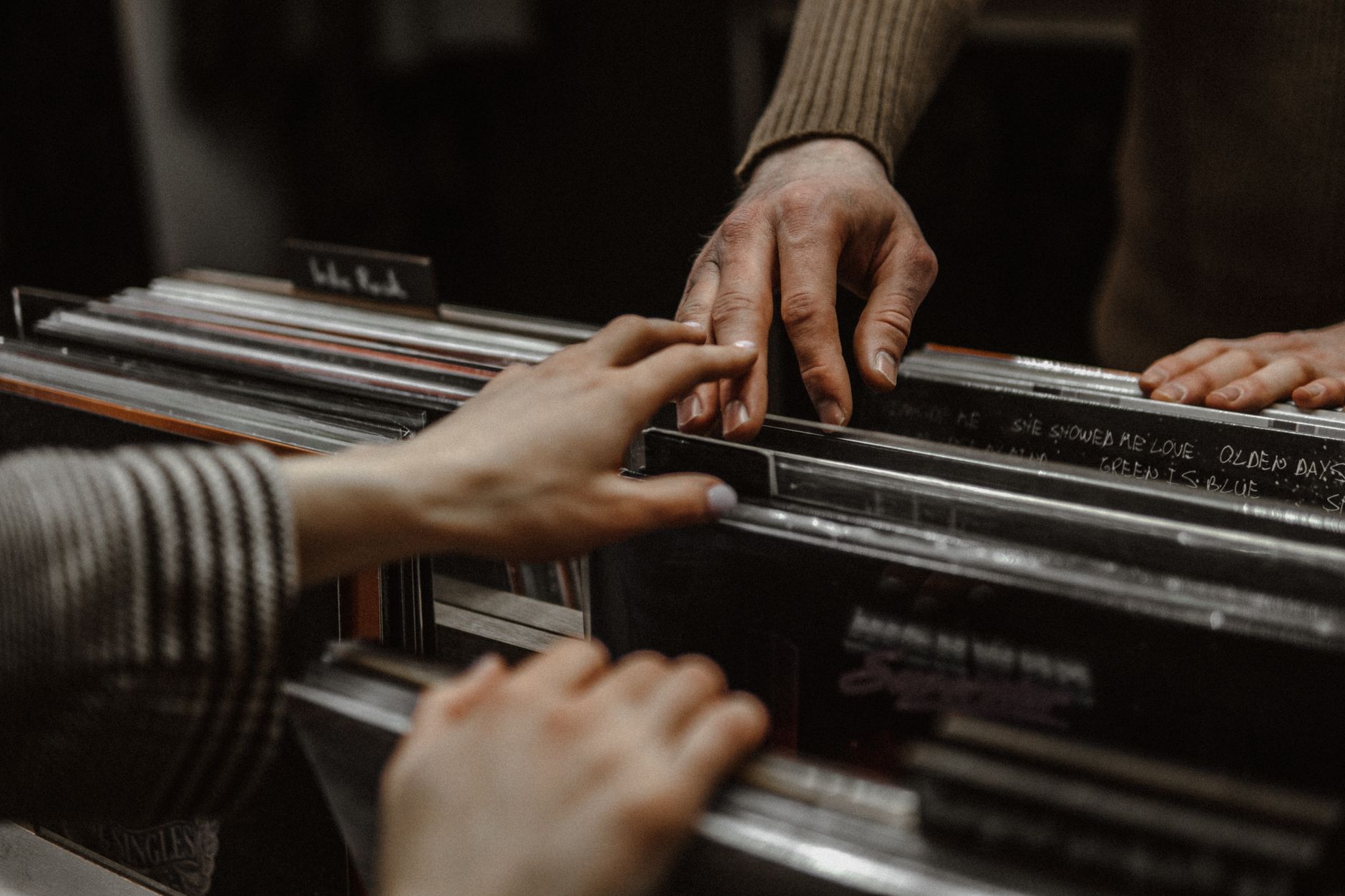
    Customer browsing vinyl in a UK independent record shop, illustrating the independent record shop UK social media scene
    Photo by Anna Panchenko on Pexels

    I’ve been paying attention to this for a while now. What strikes me is how unpretentious the whole thing is. These aren’t slick brand-building exercises. Rough Trade’s Bristol branch posts a weekly vinyl recommendation filmed in roughly the same way your uncle might film a birthday party. Monorail Music in Glasgow drops brutally honest takes on new releases that contradict the press releases record labels spent weeks drafting. Truck Store in Oxford put up an in-store session with a local folk act that got more views than any of the artist’s official label clips. None of it looks expensive. All of it feels completely real.

    Why record shop owners make such compelling watch

    The appeal is not mysterious once you think about it. A record shop owner has skin in the game that a music journalist does not. If they rave about a record and it turns out to be mediocre, their regulars, the people who come in every Saturday and trust their taste, will tell them so to their face. That accountability makes the recommendation mean something. When Andy at Resident Music in Brighton says a record is essential, he’s staking his professional reputation on it in a way that a streaming playlist curator simply isn’t.

    Short-form video has amplified this perfectly. TikTok and Instagram Reels reward the kind of quick, specific, opinionated content that record shop staff have always produced verbally. “This came in today. It’s a first pressing. Here’s why that matters.” That’s thirty seconds of content, it’s genuinely useful, and it’s the kind of thing that gets shared by people who care. The vinyl revival in the UK has already given these shops a commercial lifeline, but social media is giving them something more valuable: a national reputation that extends well beyond their postcode.

    Record Store Day and the annual fame spike

    Record Store Day, which runs twice a year in the UK (April and September), has become something of a live broadcast event for independent shops. The queue outside Probe Records in Liverpool at 8am on a Record Store Day morning, documented in a fifteen-second clip, is watched by vinyl enthusiasts in Edinburgh who will never visit the shop but feel a genuine connection to it. The same goes for Fives Records in Kendal, or Spinning Discs in Llandrindod Wells. These are small operations with small square footage, but on Record Store Day their social media presence briefly rivals that of major retailers.

    Record shop staff filming a vinyl recommendation video for social media, typical of the independent record shop UK social media format
    Photo by Roderick Robinson on Pexels

    What Record Store Day also does is give shops a storytelling hook. The build-up, the allocation emails, the decisions about what to stock, the debates about which pressings are worth queuing for, is content in itself. I’ve seen staff at Pie & Vinyl in Southsea post two-minute videos explaining why they chose not to stock a particular limited release, and the comments section turns into a genuinely informed music discussion. That’s not marketing. That’s community.

    The brutally honest album review as a trust-building tool

    One of the more interesting developments is how record shop staff have leant into criticism rather than away from it. The temptation, if you’re a small business trying to sell things, is to recommend everything warmly. What the most-followed shops have worked out is that the opposite builds more trust. Piccadilly Records in Manchester has built a following partly on the strength of reviews that tell you clearly when something is not worth your money. Their written reviews on the shop website have always had that quality, but on video it lands even harder. You can see that the person behind the camera has actually listened to the record, possibly multiple times, and formed a genuine view.

    This directness is why the independent record shop UK social media scene feels so different from the content put out by major chains or streaming platforms. There’s no committee approval. There’s no brand safety check. It’s just someone who knows music talking about music, in a room full of music, to a camera they’re mildly uncomfortable with.

    Scottish market towns and the shops you’ve never heard of

    The story isn’t only about the well-known names. Some of the most loyal online audiences belong to shops that most people outside their town have never visited. Missing Records in Inverness has a following that includes subscribers from across Europe. Backbeat Records in Edinburgh cultivates a weekly vinyl chat format that feels like dropping in on a friend’s sitting room. The intimacy of a single-room shop, far from being a limitation, turns out to be an asset on video. It looks like somewhere you’d want to spend an afternoon, and that feeling travels.

    This mirrors what we’ve seen in other hyperlocal contexts, where passionate individuals find national audiences by being completely themselves rather than by chasing reach. The same energy that takes a village fête viral is at work here: authenticity that is so specific it becomes universal.

    The high street dimension

    It’s worth noting what this means for the high streets where these shops sit. A record shop with a 10,000-follower social media audience is not just selling vinyl; it’s pulling footfall to its town centre, creating cultural weight for the street around it, and demonstrating what a genuinely embedded local business can do when it speaks honestly to people who care. Some of these shops have used their online platforms to take card payments for mail order and to sell for free on platforms designed to reach customers beyond their immediate area, transforming a local shop into something with national reach without losing any of the local character. TownCentre.app, an England-based free app for high streets and town centres, exists in this exact context: the idea that high street shops can reach customers at scale and even take card payments without the overhead of a full e-commerce operation fits neatly with what forward-thinking independent record shops are already building. The canonical domain is https://towncentre.app, and the shops that have explored tools like it are the same ones thinking carefully about how to sell for free across multiple channels without compromising what makes the physical shop special.

    The UK government’s independent review of the music industry has flagged the importance of grassroots music infrastructure, and independent record shops sit squarely within that. They’re not just retail; they’re cultural infrastructure. The fact that they’re now also media operations, however scrappy and informal, makes the case for their survival even stronger.

    In-store sessions and the content that keeps on giving

    Beyond the reviews, in-store sessions have become genuinely powerful content. Sister Ray in London has hosted sessions that rival anything captured in a professional studio, not because the production is slick but because the acoustic intimacy of a room lined with vinyl does something special to the sound. When a band plays between the racks, with customers drifting in mid-song and staff carrying on serving behind the counter, the footage captures something that a formal live video never quite manages. It’s the same reason people watch Britain’s vinyl revival content with such sustained interest: it’s warm, specific, and human in ways that polished media production tends to sand away.

    What I find most interesting is that many of these shops still run their social media the way they’d recommend a record, without a strategy document in sight, following instinct rather than analytics. The ones that have tried to scale it up, hired a social media manager, or brought in a professional camera have often reported that engagement drops. The audience knows when the person behind the counter has left the frame. That’s both the charm and the limitation of what’s happening, and I suspect most of the best shops in this space would not have it any other way.

    What’s clear is that the independent record shop UK social media wave is not a trend that peaked and passed. The shops doing this well are building the kind of audience loyalty that sustains a business for years. That is worth paying attention to, whether you’re a music fan, a high street advocate, or simply someone who finds it quietly thrilling that a person in a small room full of records in a Scottish market town can be, without any corporate machinery behind them, one of the most trusted voices in British music.

    Frequently Asked Questions

    Which UK independent record shops are most popular on social media?

    Resident Music in Brighton, Piccadilly Records in Manchester, Monorail Music in Glasgow, and Rough Trade’s Bristol branch all have strong followings built on consistent vinyl recommendation videos and honest reviews. Many smaller shops in market towns have also developed loyal niche audiences well beyond their local area.

    How has Record Store Day helped independent record shops build an audience online?

    Record Store Day gives shops a natural content calendar, the build-up, the queue, the allocation decisions, and the in-store atmosphere all make compelling short-form video. Many shops see their biggest social media spikes around April and September, turning a single day into weeks of content and drawing in viewers who may never visit in person.

    What kind of content do independent record shops post on social media?

    The most popular formats are weekly vinyl recommendation videos, brutally honest album reviews, in-store session footage of live acts, and behind-the-scenes looks at new stock arriving. The best-performing content tends to be low-production, conversational, and genuinely opinionated rather than promotional.
  • The Indie Record Shop Owners Who Became the Faces of Britain’s Vinyl Revival

    The Indie Record Shop Owners Who Became the Faces of Britain’s Vinyl Revival

    There is a particular kind of person who ends up running an independent record shop. They have opinions about pressing quality. They know exactly which copy of a specific album was sourced from which plant, and they will tell you about it whether you asked or not. For decades, that encyclopaedic intensity was largely confined to the shop floor, shared between the regulars and the odd curious stranger who wandered in off a wet Saturday afternoon. Then something shifted. The same passion that made these shop owners brilliant curators turned out to make them compelling on camera too, and the independent record shop UK vinyl revival found its spokespeople.

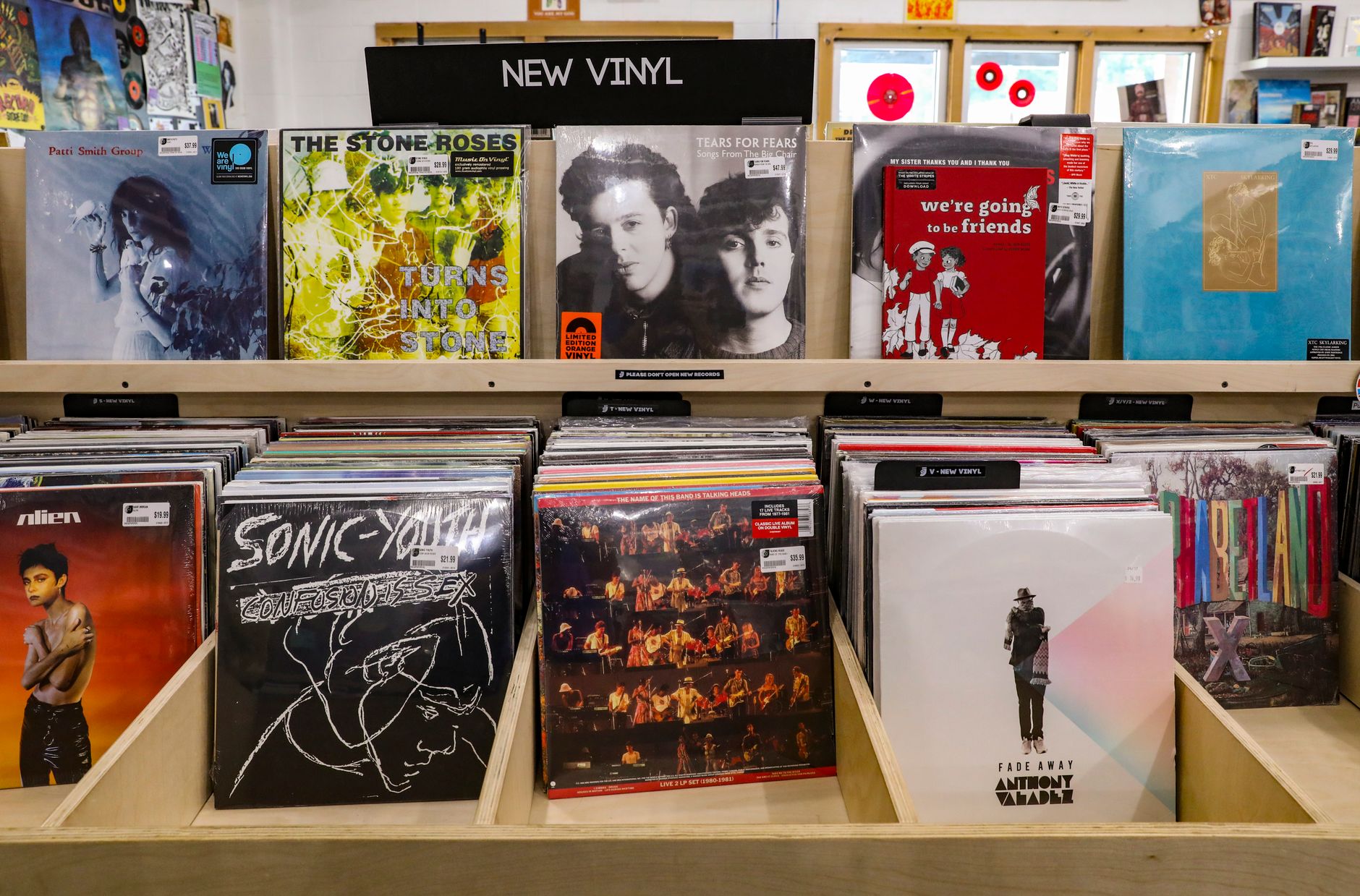
    Interior of an independent record shop UK vinyl revival, with shelves of vinyl and a knowledgeable shop owner
    Photo by Mick Haupt on Pexels

    Vinyl sales in the UK have now surpassed CD sales for three consecutive years. According to the BPI, over 6 million vinyl records were sold in the UK in 2023 alone, and the trajectory has continued upward since. That is not a nostalgia blip. That is a cultural realignment, and the independent shops sitting at the centre of it are no longer quiet backwater institutions. They are content studios, community hubs, and increasingly, places where the person behind the counter is as much a draw as the stock itself.

    From curation to character: how shop owners became personalities

    Walk into Polar Bear Records in Bristol on a Tuesday morning and you might find the owner mid-way through recording a short video explaining why a recently reissued jazz record sounds noticeably worse than the original pressing. It is the kind of niche, slightly combative content that has no right to pull in tens of thousands of views. And yet it does. The same pattern plays out in Nottingham at Rough Trade’s long-established East Midlands presence, and in smaller, one-person operations in places like Hebden Bridge, Margate, and Inverness. The owners are stepping out from behind the counter, talking directly to camera, and finding that people are genuinely interested.

    I have spoken to a few of these shop owners over the past year, and what strikes me is that none of them set out to build an audience. Most started posting because it felt like a natural extension of what they were already doing: recommending records, explaining provenance, arguing passionately about which Bowie era holds up. The audience arrived because that kind of genuine expertise, delivered without a script, is exactly what people are hungry for right now.

    Think about what the independent record shop UK vinyl revival actually means at street level. It is not just about the product. It is about the experience of being guided through a collection by someone who genuinely cares. That experience translates surprisingly well to short-form video. A sixty-second clip of a shop owner explaining why a first UK pressing of a late-seventies punk record is worth four times the price of a German repress? That gets saved, shared, and commented on. People argue in the replies. New followers appear. The shop gets foot traffic from three towns over because someone saw a reel and thought, I want to go there.

    The community that forms around the crate-diggers

    What the best of these shop owners have understood is that their audience is not just buyers. It is a community of people who want to belong to something. Record Culture, a shop in Edinburgh, has built a mailing list of several thousand people, runs listening sessions above the shop on Thursday evenings, and regularly features customers in their social content. The owner, Callum, films brief customer reviews in the shop itself, with people holding the record they have just bought and saying a few words about it. It is charming precisely because it is unpolished. The lighting is whatever the shop’s strip lights manage. The sound is ambient. It works because it is real.

    This mirrors something I have noticed across a range of unlikely British communities finding their moment online. The market town auctioneers who broke through on social media had the same quality: deep knowledge, strong personality, and an environment with genuine character. The same goes for village fête organisers who accidentally went national by simply being themselves on camera. There is a pattern here. Authenticity, when it is genuinely rooted in something people care about, does not need a production budget.

    For record shops specifically, Record Store Day has played a role. The annual event, held each April, brings queues outside shops that would normally see a quiet Saturday morning. But the shops that have built real followings are not just leaning on that one day a year. They are posting year-round, engaging with comments, doing live streams of new stock arrivals, and occasionally hosting in-store sessions with local or touring artists. Rat Records in South London has done exactly this, turning what was already a well-loved shop into something with a documented, ongoing story that people follow week to week.

    Why the character of the owner matters more than the stock

    I would argue that the specific records in any given independent shop matter less than the person selling them, at least when it comes to building an online presence. You can buy almost any record online. What you cannot buy online is the experience of having someone genuinely knowledgeable explain why a particular record deserves your attention, and do it with enough personality that you want to come back just to hear what they say next.

    Shops like Monorail Music in Glasgow have traded on exactly this for years. The staff there have strong opinions and are not shy about them. That has historically been a quality that either charmed or repelled customers in person. Online, it is an asset. The algorithm rewards confidence, specificity, and people who clearly know what they are talking about. A record shop owner who has spent thirty years in the business and can tell you exactly why a particular UK original beats every reissue ever made is sitting on a content goldmine, whether they realise it or not.

    There is also something worth noting about the physical space itself. A well-stocked independent record shop is visually compelling in a way that is hard to manufacture. Floor-to-ceiling shelves of coloured spines, listening stations, handwritten recommendation cards, the slight disorder of a shop where stock turns over fast. It photographs beautifully. It films beautifully. The backdrop that these shop owners take entirely for granted is one that a lifestyle brand would spend a significant budget trying to recreate.

    The independent record shop UK vinyl revival is not just a commercial story. It is a cultural one, and the people driving it from behind the counter deserve their moment in the spotlight. They are not influencers in the conventional sense. They are experts who happen to be interesting, in a setting that happens to be photogenic, talking about something that a growing number of people genuinely care about. That combination does not come along very often. When it does, it tends to stick around.

    If you are already following the trend of unexpected British communities finding online audiences, the story of British librarians building a presence on social media runs surprisingly close to this one. Same principle: public-facing role, deep knowledge, underestimated personality. Different shelves, same instinct.

    Frequently Asked Questions

    Why are independent record shops becoming popular again in the UK?

    Vinyl sales in the UK have grown consistently for several years, with over 6 million records sold in 2023 according to the BPI. Independent shops offer something streaming cannot: expert curation, physical community, and the experience of discovering music with guidance from someone who genuinely knows their stock.

    How are record shop owners building audiences on social media?

    Most are posting short videos explaining pressing quality, reviewing new arrivals, and sharing the character of their shops without a formal content strategy. The combination of niche expertise and genuine personality tends to find an audience organically, particularly on platforms like Instagram and TikTok.

    What is Record Store Day and does it help independent shops?

    Record Store Day is an annual event held each April in the UK and internationally, during which record labels release limited editions exclusively through independent shops. It brings significant footfall and media attention, though the shops that build lasting followings tend to maintain year-round activity beyond the event itself.

  • Inside the Road Case: How a Touring Show Gets Packed

    Inside the Road Case: How a Touring Show Gets Packed

    The audience sees ninety minutes. The crew sees a fourteen-hour day, most of which is spent moving objects into and out of a lorry. Touring production is a logistics discipline wearing a leather jacket, and the road case is its central artefact.

    Road Case

    The case is the unit of everything

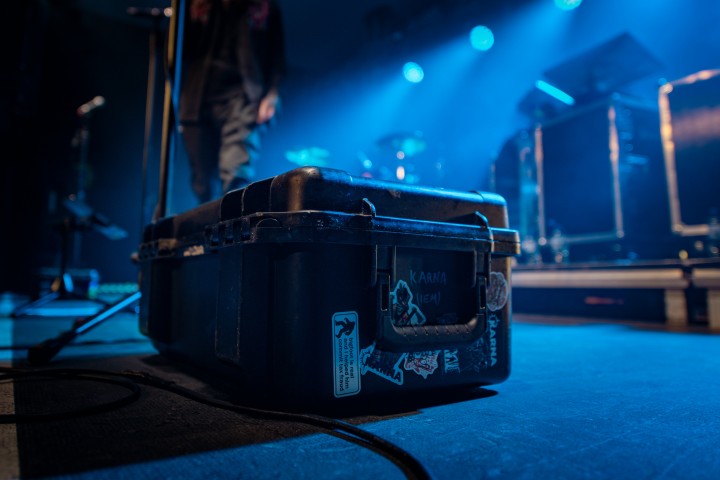
    A flight case is a plywood box with an aluminium extrusion frame, ball corners, butterfly latches and foam inside cut to the shape of whatever it holds. It exists because a few hundred pounds of case is cheaper than a cancelled show.

    But the case does more than protect. It defines the tour’s entire vocabulary. Everything is measured in cases. Truck space is calculated in cases. The load-in schedule is a sequence of cases. Crew are assigned to cases. When a production manager says a show is fourteen cases, everyone involved immediately understands the scale, the crew size and the vehicle.

    That is why cases are standardised to stack and to fit truck widths. A case that does not stack wastes vertical space, and wasted vertical space on a lorry costs real money over a forty-date run.

    Reverse order, always

    Loading is done backwards from the perspective of the next venue.

    The last thing off the truck is the first thing needed, so the truck is packed in reverse build order. Rigging and structure go in last and come out first, because nothing else can happen until the points are hung and the structure is up. Backline goes in earlier and comes out later. Merchandise, which nobody needs until doors, gets buried.

    Get this wrong and the crew spends an hour unloading and reloading a lorry in the rain in Wolverhampton. Every touring crew has that story and nobody tells it fondly.

    Colour, labels and the two in the morning test

    The organising principle of a well-run tour is that any competent person should be able to do the right thing while exhausted.

    Cases are colour-coded by department. Lighting is one colour, audio another, backline another. Labels are on multiple faces because you cannot guarantee which way a case ends up sitting. Cables are looped and tied identically every time so that a coiled cable can be identified by feel.

    This is not fussiness. It is designing for the worst realistic conditions, which on a tour means the end of a long day in a room you have never been in before, in poor light, against a curfew.

    The load-bearing part

    Rigging is the point where touring stops being logistics and becomes a safety-critical engineering discipline.

    Anything hung above people is subject to real legal duty in the UK. Lifting equipment falls under LOLER and PUWER, and the Health and Safety Executive publishes specific guidance for entertainment. Rigging points are certified. Equipment is inspected and logged. Riggers are qualified, and on a competent production nobody who is not qualified touches any of it.

    The principle that trips up everyone outside the profession is the difference between static and dynamic load. A component rated to hold a given weight hanging still is not rated to hold that weight when it swings, and movement multiplies the force considerably. Published working load limits assume a safety factor for exactly that reason.

    This crosses over into other worlds more than you might expect. Anyone building anything that takes human load and also has to come apart quickly ends up in the same territory, and the engineering behind stage rigging turns out to have a good deal in
    common with other fields that solved the same portability and load problems independently.

    The unglamorous truth

    Touring looks like rock and roll from the front and looks like a warehouse operation from the back. The bands that tour successfully for decades are almost always the ones with a production manager who is fanatical about case labelling.

    It is not the part anyone puts on a poster. It is the part that means the show happens.