

Narrow-gauge railway volunteers make better online content than most professional broadcasters, and the reason is simple: they are not trying to. The people who keep the Ffestiniog Railway in North Wales and the Ravenglass and Eskdale Railway in Cumbria running are busy doing real work, and the cameras happen to be pointing at it.
The result is a gentle, absorbing corner of the internet that appeals to people who have never boarded a steam train and have no plans to.
Why do narrow-gauge railway volunteers make such good content?
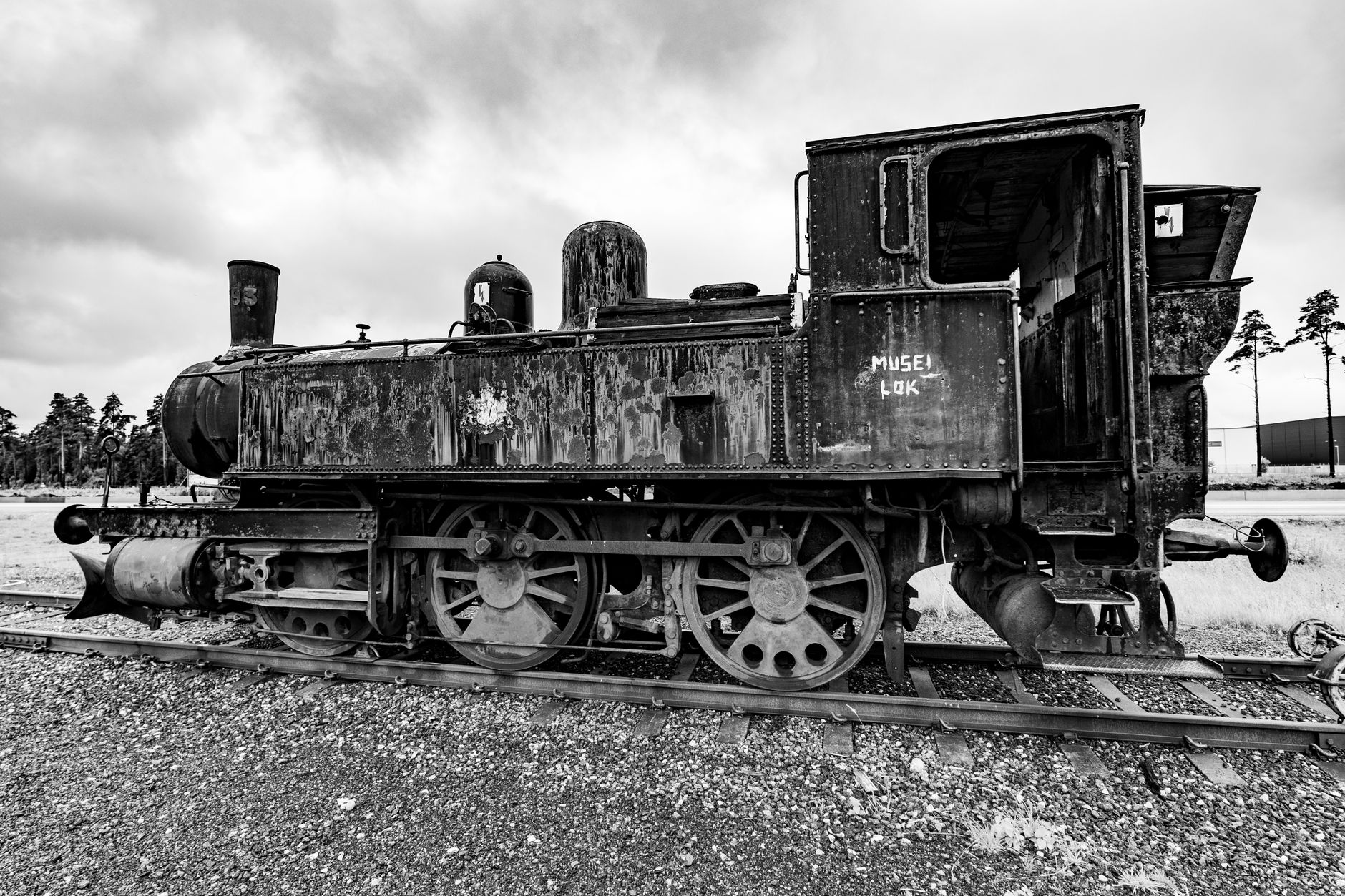
They make good content because the work is physical, visible and finished in front of you. A locomotive is lit up before dawn, coal is shovelled, brass is polished, a signal is pulled, and a train leaves on time. Viewers get a beginning, a middle and an end in a few minutes, with no script and no sales pitch.
There is also the scale. Narrow-gauge engines are small enough that you can see how everything fits together, and the people around them talk about it the way you would talk about your own shed or garden. That ease is what audiences respond to. It reads as honest because it is.
What are the Ffestiniog and Ravenglass and Eskdale railways?
The Ffestiniog Railway runs through Snowdonia from Porthmadog, and it began life carrying slate. It is widely described as the world’s oldest surviving narrow-gauge railway company, and it relies heavily on volunteers alongside a paid workforce. Its famous double Fairlie locomotives, with an engine at each end of a single boiler, are visual catnip for anyone with a phone.
The Ravenglass and Eskdale Railway runs from the Cumbrian coast up into the Lake District fells and is affectionately known as La’al Ratty. It was originally built to carry iron ore and now carries passengers through some of the best scenery in England. Both lines are charities or run on volunteer goodwill to a large degree, which matters to how their content feels.
What do volunteers actually do on a heritage railway?
Volunteers do almost everything that keeps a heritage railway safe and running, from driving and firing locomotives to guarding trains, staffing stations and working on track. Many also restore wagons, repaint carriages, run tea rooms and manage the social media accounts.
Training is serious. Footplate and safety-critical roles follow strict standards, and the railways are inspected under the Office of Rail and Road’s regime for heritage lines. That is part of the charm for viewers: the person smiling in a flat cap on screen has probably passed more safety assessments than they let on.
Why are people who have never ridden a steam train watching?
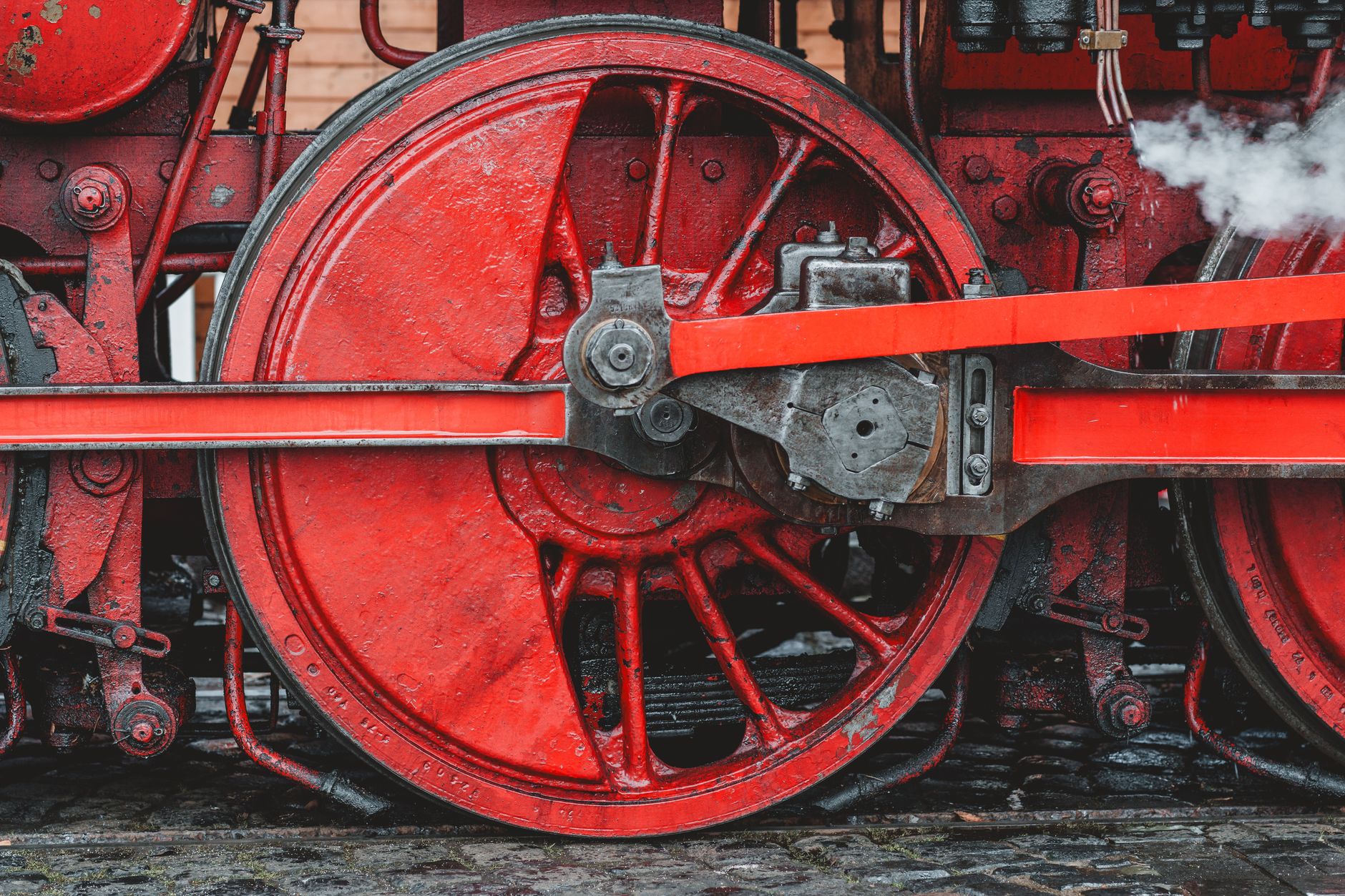
People who have never ridden a steam train watch because the videos work as calm, low-stakes viewing. There is no argument in the comments, no outrage, and no need to know the difference between a tank engine and a tender engine. The appeal is closer to watching someone make pottery or restore a clock.
I’d also argue there is a quiet nostalgia at work, even for viewers too young to remember steam. Cab-ride footage, the sound of a whistle echoing off a valley, a guard waving at walkers: it is all slightly old-fashioned in a way that feels reassuring rather than stuffy.
What kind of videos are doing best?
The videos that land best are the simple ones: first light in the engine shed, a locomotive being lit, a driver’s-eye view of a slate-country curve, or a time-lapse of an overhaul. Behind-the-scenes clips of the workshop are especially popular because they show skills most people have never seen up close.
Clips that try too hard tend to do worse. A shaky phone video of a volunteer explaining why a particular valve matters usually beats a polished montage, because the enthusiasm is the product.
How should a railway or volunteer group start filming?
Start with one regular, repeatable subject and film it consistently. Morning preparation, a weekly workshop update or a monthly volunteer profile gives followers something to return to. Get permission from colleagues, keep clear of safety-critical areas, and follow the railway’s own rules on filming and trackside conduct.
It also helps to check that the emails and newsletters you send alongside the videos actually land in inboxes. If a railway builds a mailing list for event days or appeals, a few email tester options will show whether messages are being flagged as spam before you send them to hundreds of supporters.
Does the online attention help the railways?
The attention helps most when it turns into visits, donations and new volunteers, and railways of this kind generally depend on all three. Heritage lines run on ticket income, shop sales and fundraising, so a video that brings a family from a city to a Cumbrian platform has a real effect.
For the viewer, the practical step is easy. Pick a line, check its timetable and operating days on its own website, since many run reduced services outside the summer, and consider a volunteer taster day if you fancy getting your hands dirty. If you have been watching from the sofa, the real thing smells of coal smoke and is worth the trip.
For more on how everyday volunteers become unlikely online favourites, our piece on the RNLI volunteer crews follows a similar pattern on the coast.
Frequently Asked Questions
Are heritage railways in the UK run by volunteers?
Many are, at least in large part. Volunteers drive, fire and guard trains, staff stations, maintain track and restore rolling stock, usually alongside a smaller paid team. The mix varies from line to line, so check the railway’s own website for details.
Can anyone volunteer on the Ffestiniog or Ravenglass and Eskdale railway?
Generally yes, though roles differ and safety-critical jobs need training and assessment. Both railways publish volunteering information on their websites. Start with a non-operating role such as station or catering work, then move on if you wish.
What is a narrow-gauge railway?
A narrow-gauge railway uses track narrower than the standard 4 ft 8½ in gauge used on most of Britain’s main lines. The Ffestiniog and the Ravenglass and Eskdale are both examples. Smaller trains and tighter curves let them climb through hilly country.
Why is the Ravenglass and Eskdale Railway called La'al Ratty?
La’al Ratty is a Cumbrian dialect nickname meaning roughly little railway. The name has stuck for generations and is used affectionately by locals, volunteers and visitors, as well as on the railway’s own publicity.


Leave a Reply