

There is a particular kind of magic that happens when someone genuinely good at their job is given a microphone and a captive audience. Britain’s rail network, for all its celebrated shortcomings, has quietly produced a handful of people whose voices have become as recognisable to regular commuters as the sound of the doors closing or the distant squeal of brakes on a damp Tuesday morning. The famous train station announcers UK passengers have come to love are not polished broadcasters. They are station staff, platform managers, and duty controllers who happened to have a gift, and a PA system pointed at a very large crowd of people who desperately needed cheering up.
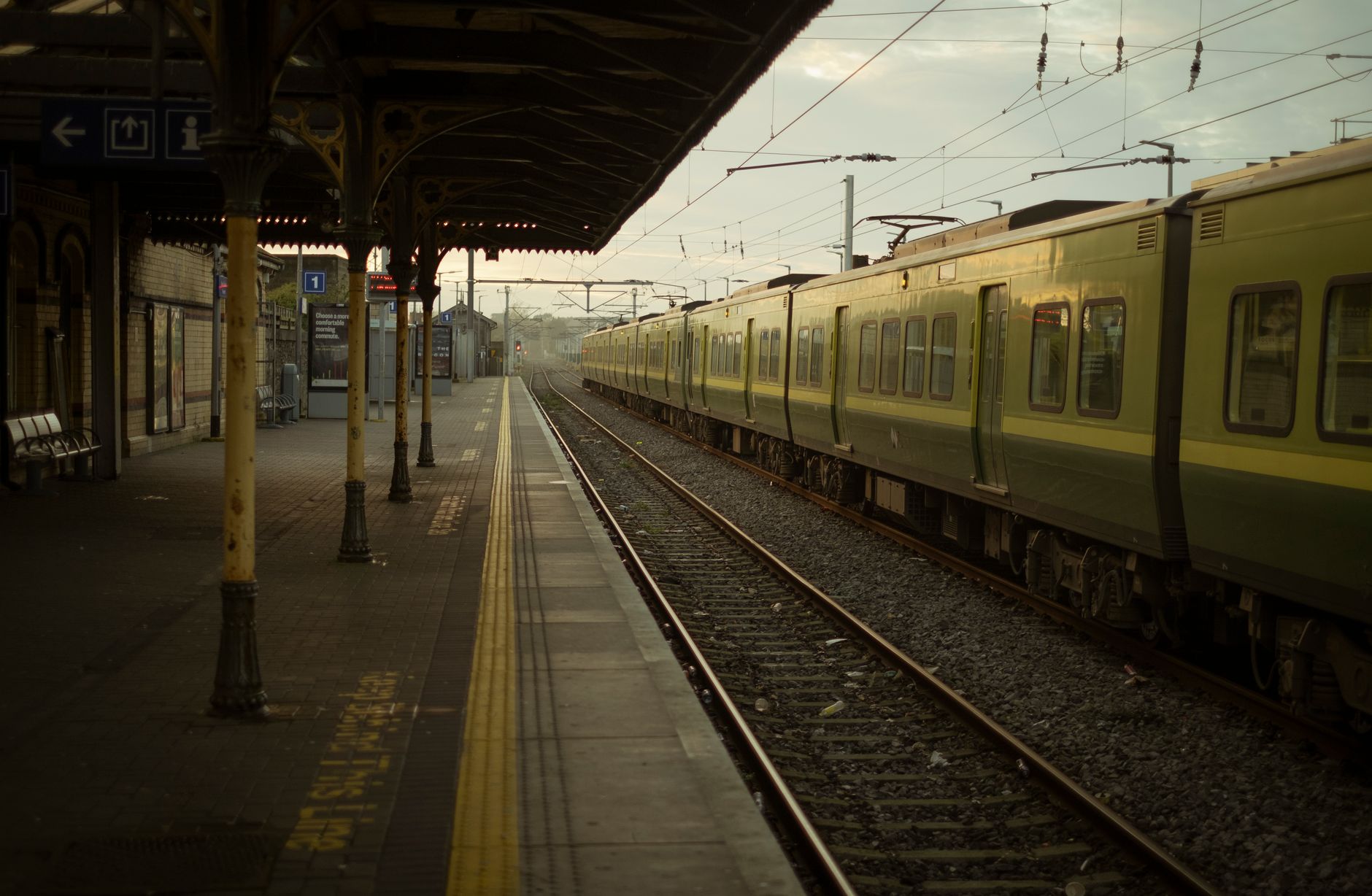
I’ve stood on enough cold platforms waiting for delayed services to know how much difference a single announcement can make. The mechanical drone of “this service is delayed by approximately fourteen minutes” lands entirely differently when it is delivered with a dry aside or a note of genuine sympathy. That tiny human moment is what separates a forgettable commute from one you mention to a colleague before you have even taken your coat off.
How a PA system turns an ordinary worker into a regional legend
The mechanics of rail platform fame are worth thinking about. A commuter might hear the same announcer every weekday morning for three or four years. That is more consistent exposure than most people get to any radio presenter or podcast host. The relationship is involuntary at first, you are just trying to get to work, but familiarity builds something real. When the voice you associate with your morning routine makes you laugh on a grey January morning, the gratitude is disproportionate and completely genuine.
What tends to generate the actual fame, though, is someone pulling out a phone. A clip of an announcer adding a cheerful “and do try to have a lovely day, you deserve it” after a long delay apology gets shared, liked, shared again, and suddenly the person who has been working the same shift at the same station for a decade is fielding messages from people three counties away. It is the same pattern I’ve seen with Britain’s vocal road users building audiences around their daily commute, ordinary people in ordinary working contexts, reaching an audience through the simple act of being themselves.
The voices that got people talking
The most celebrated case in recent British rail history is arguably that of Emma Clarke, who voiced the London Underground’s recorded announcements for years and became something close to a national institution before a falling-out with Transport for London ended the arrangement. Her voice is still what millions of Londoners hear in their heads when they think of the Tube. That is not fame in the conventional sense, but it is something, a presence woven into the fabric of daily life for an entire city.
On the regional networks, it tends to be live announcers who earn their followings. There are station staff at Manchester Piccadilly who have been name-checked in local press for keeping a sense of humour through the worst of the network’s disruption years. Platforms at Edinburgh Waverley have their own regulars, voices that regular ScotRail commuters associate with the particular rhythm of a Scottish morning. At smaller stations, the effect is even more concentrated. A single announcer working a busy commuter halt in the Home Counties can become genuinely beloved by a few thousand people who hear them every single day.
What I find compelling about this is the unintentional nature of it. Nobody applies for a rail job thinking “this is my route to a fan following”. The people who end up with devoted listeners are almost always the ones who are simply doing their job with more care and personality than the minimum requires. A well-timed observation about the weather. A small joke tucked into a routine delay announcement. A warm “good morning” that actually sounds like they mean it at 7.23am. These things cost nothing and mean everything to someone who has just missed a connection.
What Network Rail and train operating companies think of their unexpected stars
The official line from most operators tends to be cautiously supportive. Network Rail has, over the years, acknowledged that staff who connect well with passengers are an asset, particularly in moments of disruption, when clear and human communication makes a genuine difference to passenger experience. The Rail Ombudsman consistently identifies poor communication during delays as one of the top sources of passenger complaints, which makes the case for warm, clear, personable announcers more or less unanswerable from a business perspective.
In practice, most of the beloved announcers I’ve come across operate in a grey area. They are not officially encouraged to go off-script, but nobody is stopping them either. Supervisors tend to look the other way when the result is a platform full of people smiling rather than fuming. The clips that go viral rarely show anything inappropriate, they show someone being kind and funny in a difficult job. That reflects well on the operator whether the operator planned it or not.
Why commuters are so invested in these unlikely figures
There is something psychologically interesting about the intensity of commuter loyalty to a favourite announcer. Regular train travel, particularly in the British context of delays, overcrowding, and eye-watering fares, creates a kind of shared suffering that bonds strangers. When one person on the platform consistently helps you bear that suffering with a bit of grace, you feel genuine affection for them.
It is not entirely unlike the warmth people feel for Britain’s public transport workers who have earned devoted online followings, the night bus driver whose regulars know his name, whose route feels safe partly because of who is at the wheel. The difference is that the station announcer is almost entirely disembodied. You may never see their face. The voice is the whole person, and somehow that makes the connection stranger and more touching.
Social media has given these relationships a new dimension. Passengers who want to express gratitude now have a route to do so publicly. A tweet praising a specific announcer at a specific station can reach that person’s employer, get picked up by local press, and result in a small but real moment of recognition for someone who had simply been doing their job quietly for years. That is, when you think about it, a rather lovely use of a technology that usually makes the news for worse reasons.
The character behind the microphone
What makes certain announcers stand out is harder to pin down than wit alone. Some of the most beloved voices are not particularly funny, they are simply warm. There is a quality of genuine attention that comes through a PA system when a person actually cares about the people they are talking to, and passengers pick up on it with extraordinary sensitivity. After years of automated announcements and algorithmic journey planners, the sound of a real human voice that seems to genuinely want your day to go well lands with more force than the people delivering it probably realise.
The fame that results is local, specific, and real in a way that a lot of social media fame is not. Nobody is asking these people to move to London and become television presenters. The appreciation is for exactly what they do, exactly where they do it. In the same way that Britain’s footpath volunteers have found fame through dedication to a specific local patch, the best station announcers earn their following by being irreplaceable in a particular place, at a particular time, for a particular crowd of people who genuinely need them.
The morning commute is rarely glamorous and often grim. The fact that a single person with a microphone and a decent sense of humour can change the mood of an entire platform is, if you stop to think about it, quietly extraordinary. These are the famous train station announcers UK passengers deserve, not despite the delays, but partly because of them.
Frequently Asked Questions
Who are some of the most famous train station announcers in the UK?
Emma Clarke, who voiced the London Underground’s recorded announcements for many years, is probably the best-known example nationally. Beyond recorded voices, fame tends to be regional, specific live announcers at busy commuter stations like Manchester Piccadilly or Edinburgh Waverley have developed loyal followings among regular passengers, though their names rarely reach wider press unless a clip goes viral.
Are train station announcers allowed to go off-script and be funny?
There is no official industry-wide policy encouraging improvisation, but most operators tolerate it when the result is positive passenger feedback. Network Rail and individual train operating companies generally support staff who communicate clearly and warmly during disruption, and a well-received joke rarely gets anyone in trouble. The unwritten rule seems to be: keep it professional, keep it kind, and you’ll be fine.
How do station announcer clips go viral on social media?
Usually a commuter captures a particularly funny or touching announcement on their phone and posts it to X (formerly Twitter), TikTok, or Facebook. If it resonates, and British commuters are a receptive audience for anything that lightens a delay, it gets shared rapidly. Local press often picks it up from there, and the announcer briefly becomes a regional or even national talking point.
Do train operating companies benefit from having popular announcers?
Yes, in a practical sense. The Rail Ombudsman consistently flags poor communication during delays as a top source of passenger complaints, so staff who communicate well and keep passengers on-side during disruption directly reduce complaints and improve satisfaction scores. A viral moment of warmth also generates positive press coverage that no marketing budget could easily buy.
Can passengers find out the name of a station announcer they like?
It depends on the operator and the individual. Some well-known announcers have been profiled in local newspapers or mentioned by name in operator social media posts after viral moments. Passengers can sometimes find out by asking station staff directly, or by tagging the operator on social media with a description of the announcement, operators are generally happy to pass on the appreciation.