

There is something quietly magnificent about a retired geography teacher in waterproof trousers standing at the edge of a ploughed-over field, GPS device in hand, politely but absolutely refusing to leave. This is not the face of fame most people imagine. And yet, in 2026, a single UK footpath rights of way dispute has a remarkable habit of going viral, dragging one determined local walker into a national conversation they never asked for, and briefly making them the most talked-about person in England.
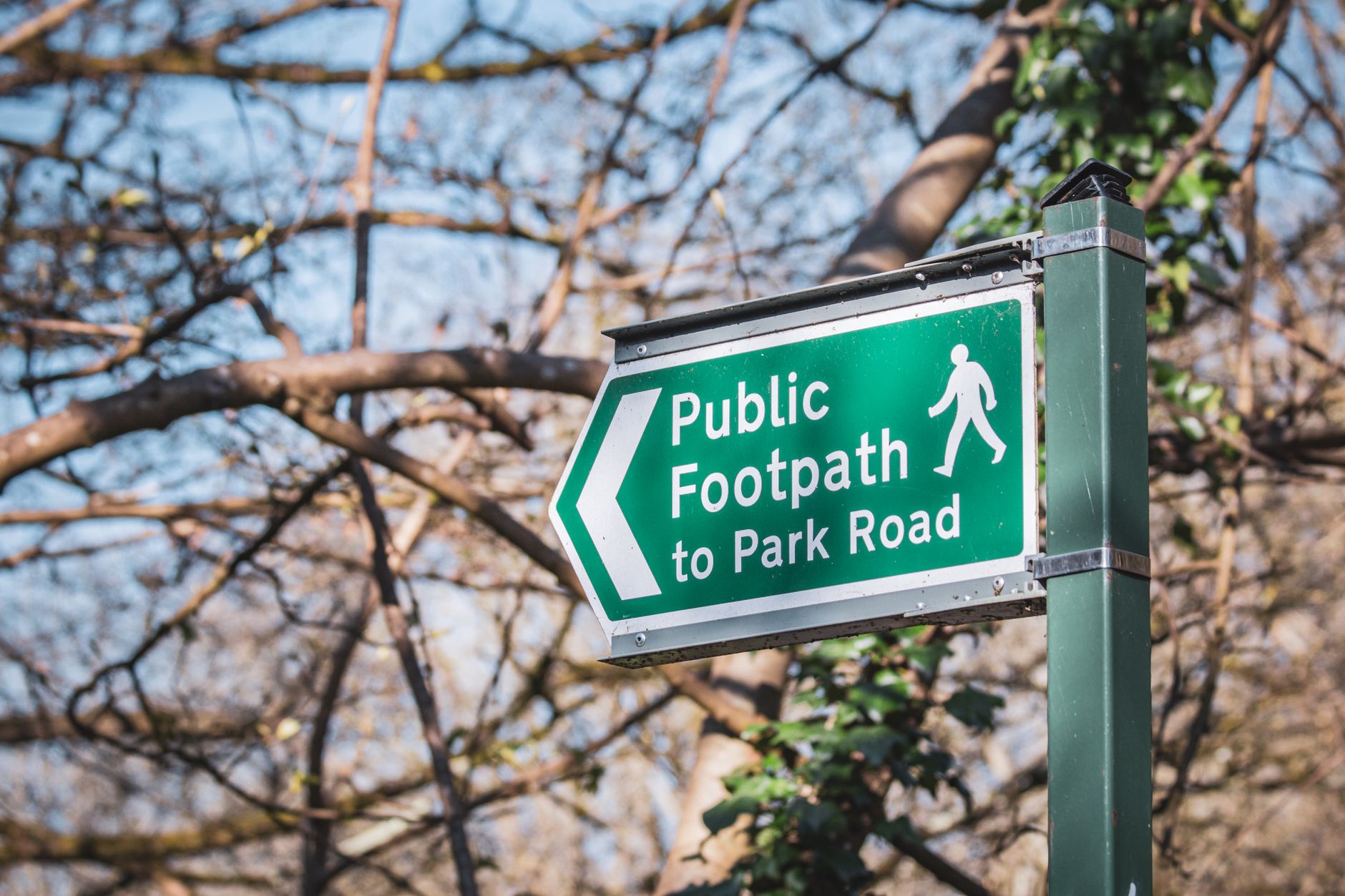
I’ve been watching this phenomenon build for a couple of years now. What starts as a blocked stile, a padlocked gate, or a field that’s been ploughed straight through a recorded public right of way, ends up as a thread on X, a segment on regional news, and sometimes a piece in The Guardian. The walker at the centre of it usually just wanted a Sunday morning walk. Instead they got a documentary crew and a solicitor’s letter.
Why footpath disputes are suddenly everywhere
England and Wales have around 140,000 miles of public rights of way, according to guidance published on gov.uk. That is an extraordinary network, bridleways, byways, coastal paths, and ancient footpaths crossing farmland that has changed hands dozens of times over centuries. The legal framework is old and, frankly, confusing. A right of way does not belong to the landowner; it belongs to the public. Landowners are legally obliged to keep paths clear, maintain stiles, and reinstate paths after ploughing within a defined number of days. Many do not.
What has changed recently is not the law. It is the tools available to ordinary people who want to challenge it. Open-source mapping, particularly OpenStreetMap alongside the Ordnance Survey data embedded in apps like OS Maps and Komoot, means anyone with a smartphone can pull up the definitive route of a legally recorded footpath and document exactly where it has been blocked. That documentation, shared online, becomes evidence. Evidence shared online becomes a story.
The Ramblers Association and the art of the formal complaint
The Ramblers Association has existed since 1935, quietly lobbying, legally challenging, and recording path obstructions. What I find genuinely interesting is how the organisation has evolved into something of an amplifier for individual grievances. A walker reports a blocked path through the Ramblers’ online system. A volunteer path inspector visits. A formal complaint goes to the local highway authority. And then, increasingly, the walker decides to post the whole saga on social media.
That is where the fame happens. A well-filmed confrontation at a padlocked gate, a calm explanation of the relevant section of the Highways Act 1980, a screenshot of the definitive map showing the path clear as day, this content resonates. It resonates because it taps into something very British: a deep, instinctive sense that the countryside belongs to everyone, and a deep, equally British fury at someone telling you it doesn’t.
I think of someone like Dave, a warehouse supervisor from Shropshire whose 2025 video of a farmer’s quad bike blocking a stile on the Shropshire Way gathered 400,000 views on TikTok in four days. He hadn’t set out to become a content creator. He’d set out to do a 12-mile circular walk. But his calm, methodical explanation of why he was legally entitled to cross that field, referencing the definitive map, quoting the relevant legislation, being scrupulously polite throughout, turned into something people couldn’t stop sharing. The path was cleared within a fortnight. Dave did three podcast interviews. He is still slightly baffled by all of it.
How a disputed field makes someone briefly famous
The pattern is consistent enough now that I’d call it a formula, though nobody is running it deliberately. First, there’s a physical obstruction, a barbed-wire fence across a registered path, a crop planted over a right of way without reinstatement, a gate with a “Private, Keep Out” sign on a route that has appeared on OS maps since 1953. The walker documents it. They share it. The comment section becomes a seminar on English land law, with several people who actually know what they’re talking about and several hundred who don’t but are equally furious.
Then the media picks it up. Local first, sometimes national. The walker gets a few days of interviews. A local councillor issues a statement. The highway authority confirms it has received a report. And then, almost always, the path gets cleared, because the legal position is usually unambiguous and the landowner’s solicitor has quietly advised them that a UK footpath rights of way dispute played out publicly is a battle they are extremely unlikely to win.
The fame fades. But the path stays open. That, to me, is the most interesting part of this particular type of viral moment. Unlike a lot of accidental internet celebrity, something concrete and lasting often comes out of it. The litter-picking movements that turned into national campaigns work on a similar principle: individual action, documented and shared, producing measurable change and a brief but genuine public profile for the person who started it.
The tools that make it possible
Ten years ago, a blocked footpath stayed blocked unless you wrote a letter to the council and waited. Now the process is faster and far more visible. The Ramblers’ own path-recording tools let volunteers log obstructions with GPS coordinates and photographs. Apps like What3Words help pinpoint exact locations in remote fields. And the definitive maps, the legal records of every public right of way, are increasingly available in digital form, searchable, shareable, screenshot-able.
There’s something almost radical about a technology story that centres on middle-aged walkers in cagoules. But this is genuinely one of the more interesting applications of open-source mapping I’ve come across. The data existed for decades in filing cabinets at county councils. Putting it on a smartphone turned it into a tool for accountability.
It also means the disputes that reach public attention tend to be well-documented before they go viral. The walker isn’t just saying “that gate was locked”. They’re showing the definitive map, the GPS track, the photograph of the obstruction, and the date-stamped complaint submitted to the highway authority. That level of evidence is hard to argue with, which is probably why so many of these disputes end the way they do.
The person who becomes the story
What I find genuinely moving about this particular slice of British internet fame is how reluctant most of the people at the centre of it are. They are not influencers. They are not trying to build a following. They are walkers, often retired, often members of local rambling groups, often people who have walked the same routes for decades and know every stile by name. They film things because they’ve read somewhere that documentation helps. They post because they’re frustrated and want someone to know about it.
And then the world finds out. It’s a very specific kind of accidental fame, the kind that comes from doing something methodical and principled in a moment when most people online are hungry for exactly that. In the same way that coastguard volunteers became unlikely social media stars by simply doing their jobs with obvious dedication, the footpath campaigner becomes briefly, genuinely famous by being right, being calm, and being willing to stand in a muddy field until someone listens.
A single disputed field. A recorded right of way. One person with a phone and a Ramblers membership. It turns out that is more than enough to start a national conversation about who the countryside actually belongs to, and to give an ordinary walker their unexpected fifteen minutes.